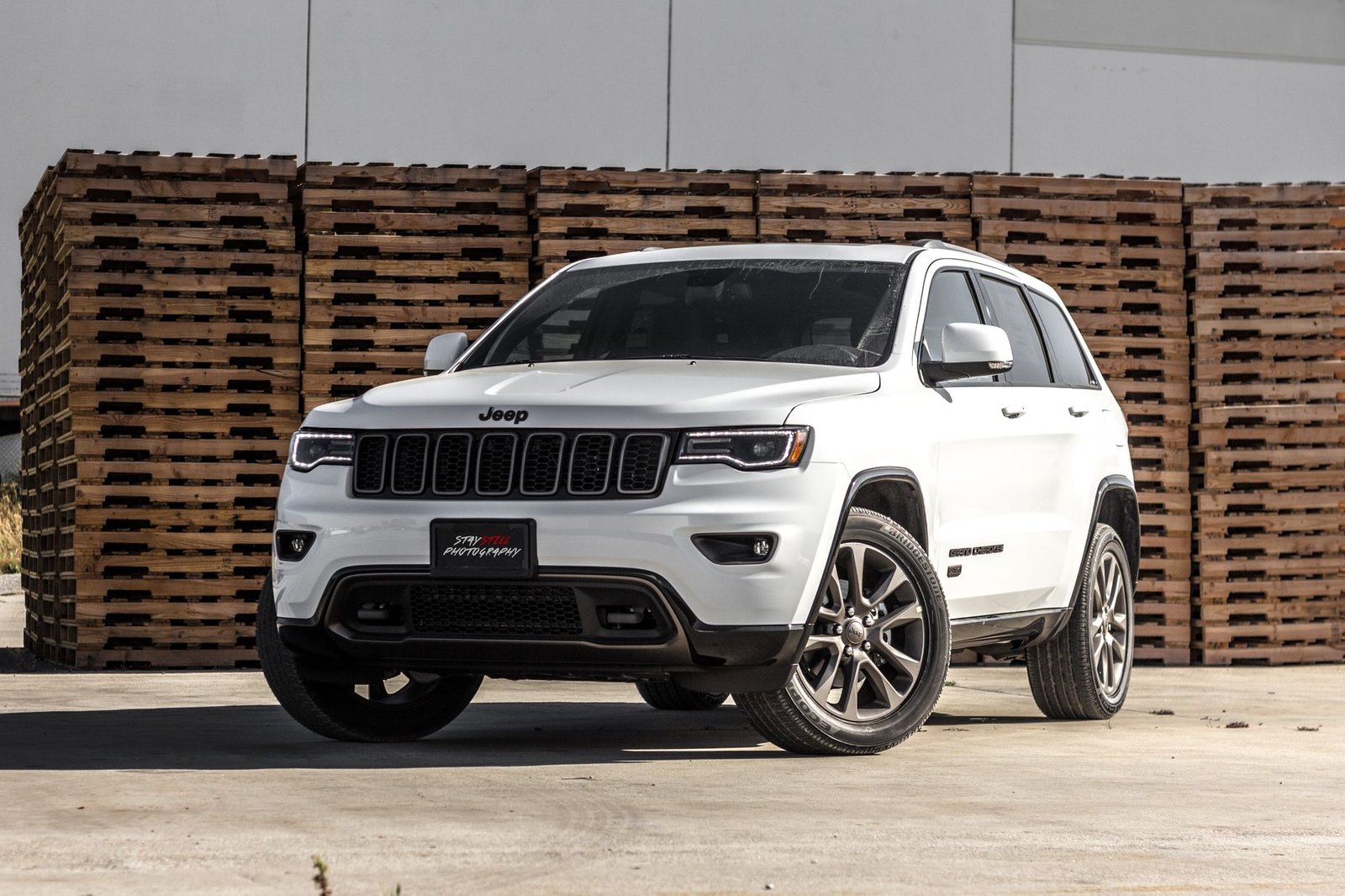
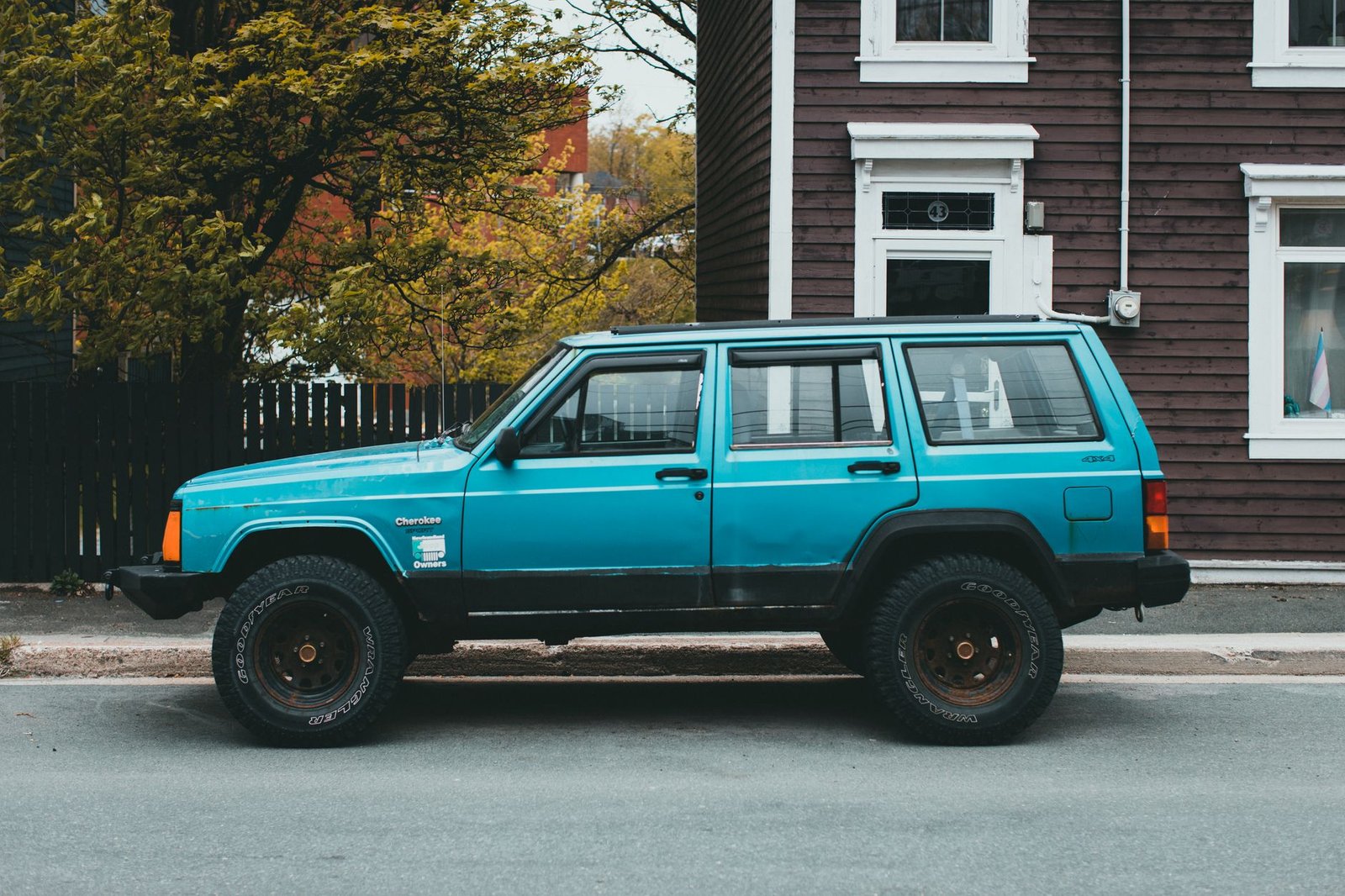
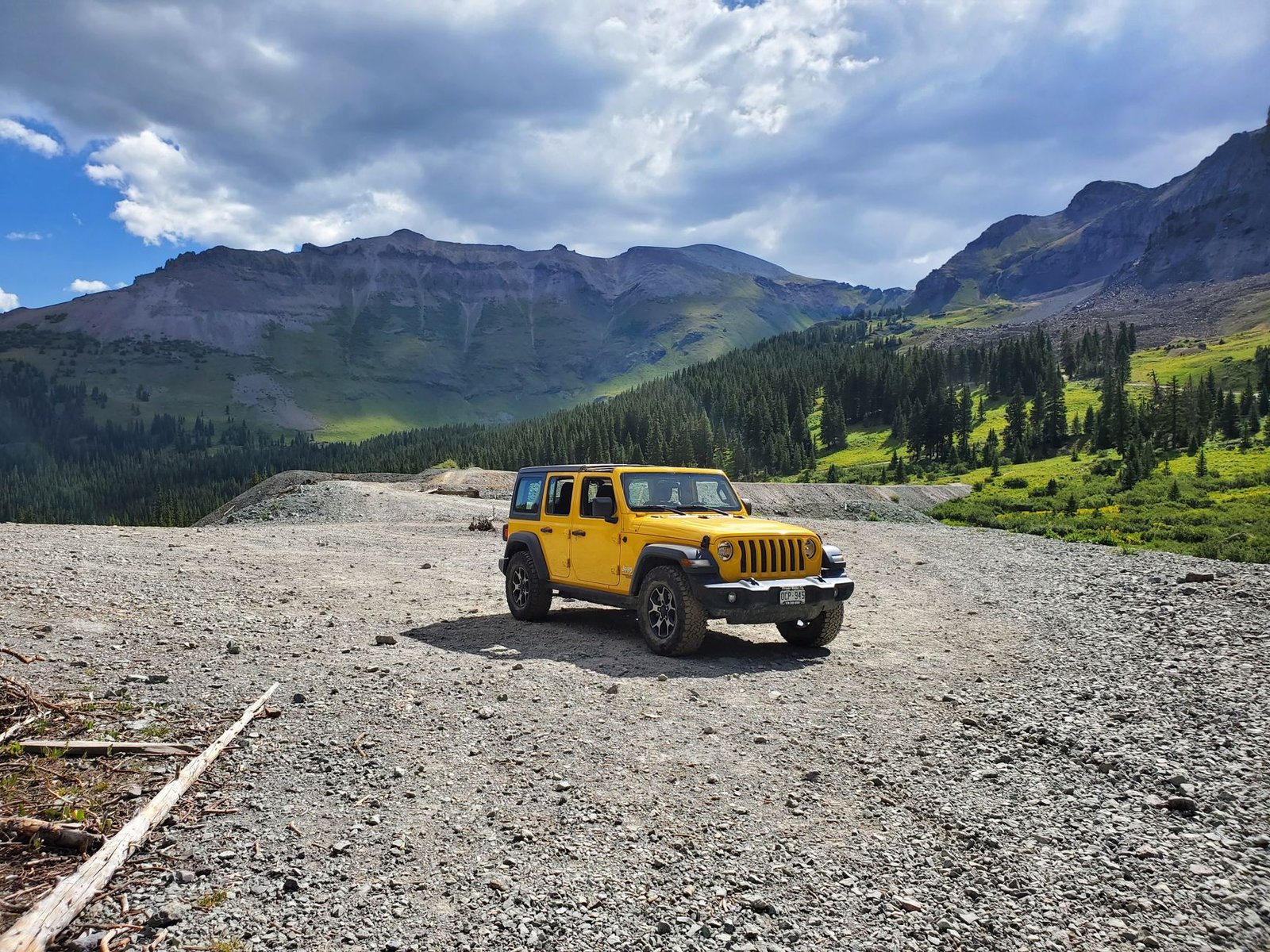
Jeep owners are some of the most loyal in the industry, and the Wrangler, Grand Cherokee, and Cherokee are staples on Chicago-area roads year-round. Jeeps also have a few well-documented quirks specific to the brand, most notably “death wobble,” a term nearly every Jeep owner eventually hears about even if they never experience it themselves.
This guide covers the Jeep models we see most often, the systems with known issues, and what to check before you buy a used part for one.
Common Jeep Models We Stock Parts For
| Model | Type | Notes |
|---|---|---|
| Wrangler | Off-road SUV | Solid front axle design makes it especially prone to death wobble if front-end parts wear |
| Grand Cherokee | Midsize SUV | Long production history; broad part availability across generations |
| Cherokee (XJ / KL) | Compact SUV | The XJ generation in particular has a large, loyal following and strong parts demand |
| Gladiator | Midsize pickup | Shares much of its front end and drivetrain with the Wrangler |
Known Trouble Spots by System
| System | What to Watch For | Affected Models |
|---|---|---|
| Front-end steering & suspension (“death wobble”) | Sudden, violent shaking of the whole front end, usually triggered by a bump at highway speed | Wrangler especially, due to its solid front axle |
| TIPM (Totally Integrated Power Module) | Erratic electrical behavior: fuel pump relay issues, random warning lights, no-start conditions | Wrangler and other Chrysler/Jeep models with this module |
| 4.0L inline-6 exhaust manifold | Exhaust leaks and cracking manifolds over time | Cherokee (1987–2001), Grand Cherokee (1993–2004), Wrangler (1991–2006) |
Death Wobble: What It Is and What Causes It
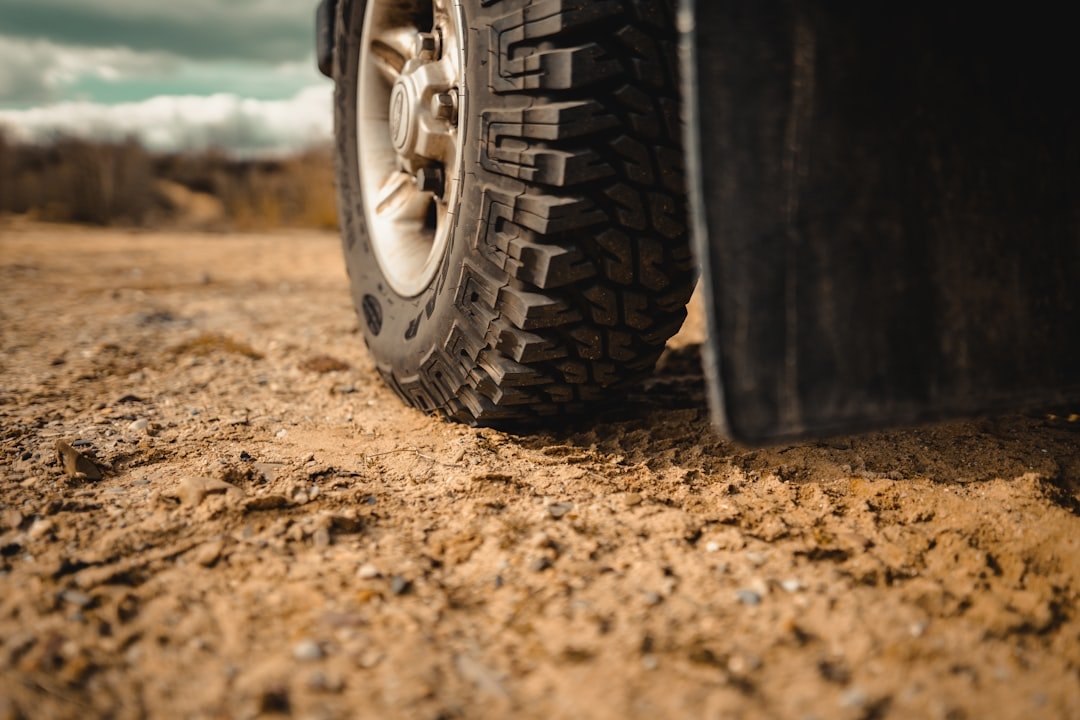
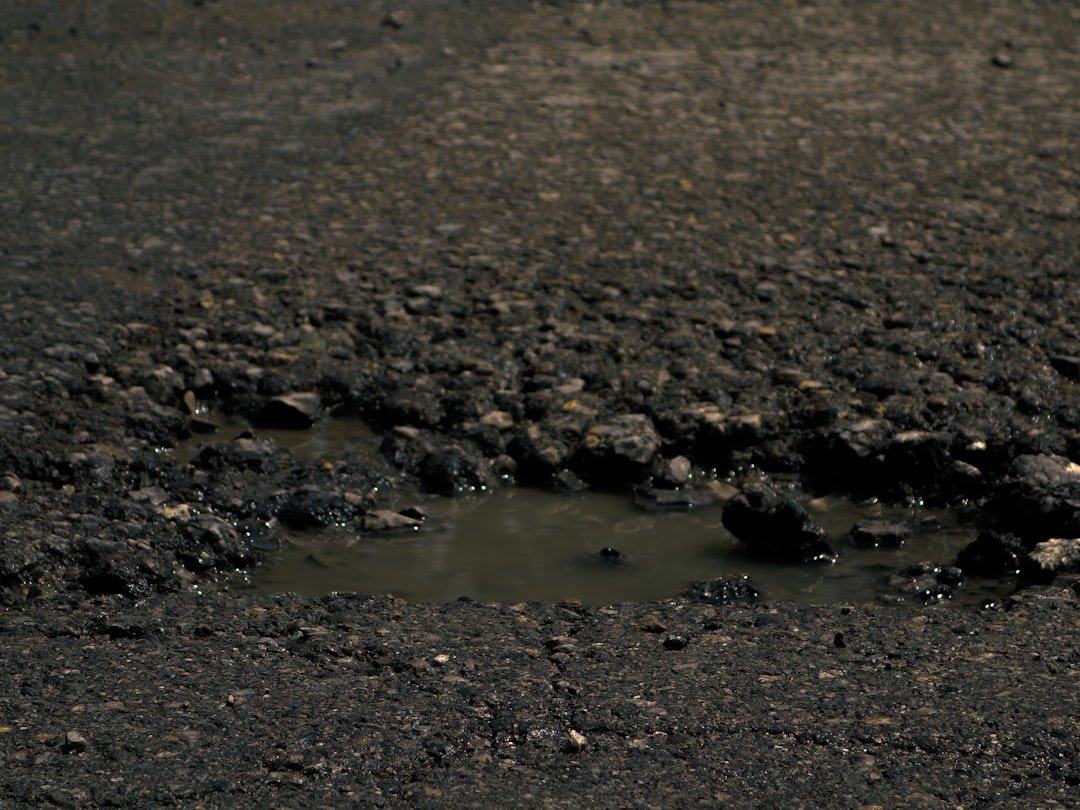
Death wobble is a sudden, violent shaking of the entire front end, most common at speeds above 45 mph and usually triggered by hitting a bump or pothole. It’s most associated with the Wrangler because of its solid front axle design, though it can occur on other models too. The root cause is almost always looseness or wear in one or more front-end components: the track bar, tie rod ends, ball joints, control arm bushings, wheel bearings, or steering linkage, often combined with a trigger like an imbalanced tire or low tire pressure.
According to NHTSA, despite how alarming it feels, death wobble has not been associated with fatal accidents. That doesn’t make it any less worth addressing quickly, since a worn part that triggers it once will keep triggering it until replaced. If you’re buying used front-end parts for a Wrangler, ask directly whether the donor vehicle showed any signs of this before the parts were pulled.
The TIPM Electrical Issue
The Totally Integrated Power Module, or TIPM, is a computerized fuse and relay box used on Wrangler and other Chrysler/Jeep models that consolidates functions traditionally handled by separate relays. When it develops problems, symptoms can be genuinely confusing: a fuel pump that won’t engage, random warning lights that come and go, wipers or lights that activate on their own, or a vehicle that simply won’t start despite a good battery. Because the symptoms are electrical and often intermittent, this issue gets misdiagnosed more than most, sometimes leading to unnecessary parts being replaced before the TIPM itself is identified as the cause.
If you’re chasing an electrical gremlin on an affected Jeep, it’s worth having a shop specifically check the TIPM before replacing other components on a guess.
The 4.0L Inline-6: A Reliable Engine With One Common Weak Point
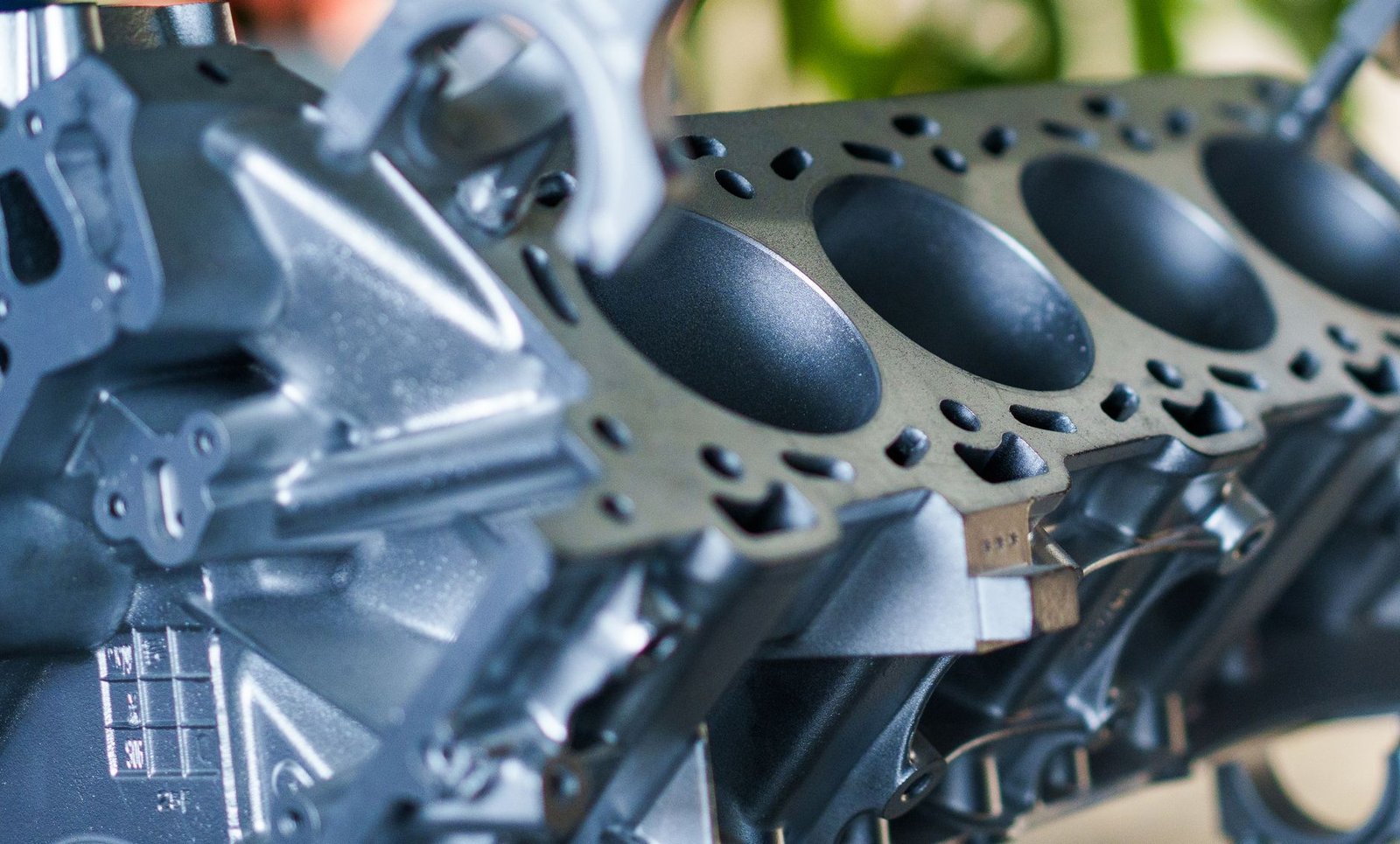
The 4.0L inline-6, used across the Cherokee, Grand Cherokee, and Wrangler for years, has a strong reputation for durability and is often cited as one of Jeep’s most dependable engines. Its main documented weak point is the exhaust manifold, which is prone to cracking and developing leaks over time due to how it’s mounted and the heat cycling it goes through. An exhaust leak from this engine is common enough that it shouldn’t be treated as a red flag on its own, but it is worth factoring into your budget if you’re buying a used 4.0L or a vehicle built around one.
What to Ask Before Buying a Used Jeep Part
- Confirm the exact trim, engine, and axle configuration, since Jeep used multiple setups within the same model and year.
- For front-end parts on a Wrangler, ask specifically about death wobble symptoms in the donor vehicle.
- For electrical issues, ask whether the donor vehicle had any TIPM-related complaints, since these can be intermittent and easy to misdiagnose.
- Ask whether the part was tested, not just pulled and cataloged based on mileage alone.
Typical Costs: Used vs. New
| Part | Typical Used Price | Typical New/Dealer Price |
|---|---|---|
| Track bar | $25–60 | $80–180 |
| Tie rod end (each) | $15–35 | $40–90 |
| TIPM (fuse/relay module) | $80–180 | $300–600 |
| Exhaust manifold | $40–100 | $150–350 |
Warranty Coverage
Given how safety-relevant front-end components are on a Wrangler, warranty coverage matters even more than usual here. Look for at least a 30 to 90 day warranty, and ask specifically whether the part was tested for play or wear before it was cataloged, not just visually inspected.
Where Englewood Used Auto Parts Fits In
We stock a wide range of used Jeep parts, inspected and tested before they’re cataloged by model, year, and trim, and backed by a warranty. Browse our used auto parts inventory or call ahead with your VIN to confirm current availability.
Not sure how to confirm your VIN before ordering? Our VIN and vehicle compatibility guide covers exactly what to check. If you suspect a front-end issue specifically, our suspension parts guide covers the inspection checklist in more depth.
Frequently Asked Questions
What is Jeep death wobble?
It’s a sudden, violent shaking of the entire front end, usually triggered by a bump at highway speed above 45 mph. It’s caused by looseness or wear in front-end steering and suspension components, most often on the Wrangler due to its solid front axle.
Is death wobble dangerous?
It’s alarming, but NHTSA has not associated it with fatal accidents. Still, a vehicle that has experienced it once will likely experience it again until the worn component causing it is identified and replaced.
What is the TIPM issue on Jeeps?
The Totally Integrated Power Module can develop erratic behavior, including fuel pump relay problems, random warning lights, or no-start conditions. It’s a known weak point on some Wrangler and other Chrysler/Jeep models.
How do I know if a used Jeep part will fit my vehicle?
Match the exact trim, engine, and axle configuration, not just the model year, since Jeep used multiple setups within the same generation. Cross-reference your VIN against the seller’s inventory.
Do used Jeep parts come with a warranty?
Reputable sellers typically offer 30 to 90 days. For front-end and steering components specifically, confirm the part was tested for play or wear, not just visually inspected.
Is the 4.0L inline-6 a reliable engine?
Yes, it has a strong reputation for durability across the Cherokee, Grand Cherokee, and Wrangler. Its main documented weak point is the exhaust manifold, which is prone to cracking and developing leaks over time.
Wrangler Generations: Why the Exact Year Matters
The Wrangler has gone through several distinct generations (YJ, TJ, JK, and JL, among others), and parts often don’t carry over cleanly between them even though the vehicle is recognizably the same model. Suspension geometry, axle width, and even body mounting points can differ enough between generations that a part from a JK Wrangler won’t necessarily bolt onto a JL, despite looking similar in photos. Always confirm the specific generation, not just the model name, when sourcing a used part, especially for suspension, axle, and body components.
Do parts interchange between different Wrangler generations?
Not always. Suspension geometry, axle width, and mounting points can differ between generations like the TJ, JK, and JL, even though the vehicles look similar. Always confirm the specific generation, not just the model name.
Not sure which part fits your Jeep? Contact our parts counter with your year, make, model, and trim, and we’ll confirm availability and condition before you buy.
Leave a Reply