Author: Auto Parts Expert

  • Flood-Damaged Vehicles: What to Check Before You Buy

    Flood-Damaged Vehicles: What to Check Before You Buy

    Flood-damaged vehicles have a way of resurfacing in the used market long after the water recedes, sometimes with a cleaned-up title and no obvious signs of what happened at first glance. Whether you’re buying a whole vehicle or sourcing individual used parts, knowing what flood damage actually looks like helps you avoid a purchase that looks fine on the surface but fails within months.

    This guide covers where flood damage actually hides, the signs that go beyond the obvious water line stain, and how a title branding process is supposed to work, and why in practice it doesn’t always catch every affected vehicle.

    Where Flood Damage Hides

    The most obvious sign, a visible water line on the interior upholstery or dashboard, is also the easiest for a seller to disguise with new seat covers or a thorough interior cleaning. The less obvious damage lives in places most buyers never think to check: underneath carpet padding, inside door panels, behind interior trim panels, and in the wiring harnesses that run throughout the vehicle’s electrical system.

    A car seat fabric closeup

    Signs That Go Beyond the Water Line

    • A musty or moldy smell, especially noticeable with the windows up on a warm day, that air fresheners can mask but not eliminate.
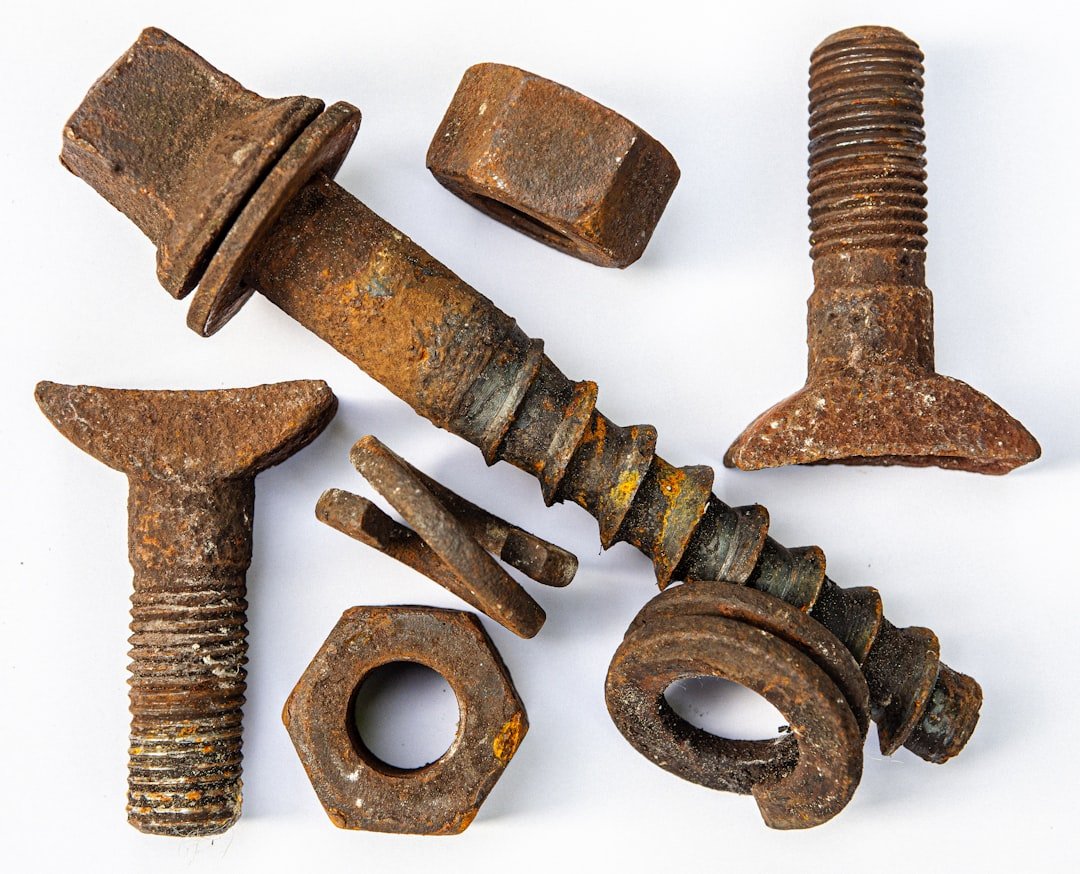
    • Rust or corrosion in unusual places: under the dashboard, inside door sills, or on seat mounting bolts and rails, areas that shouldn’t show water exposure on a normal vehicle.
    • Mismatched or newer-looking carpet, upholstery, or seat covers that don’t match the rest of the interior’s wear level.
    • Condensation or fogging inside headlight or taillight lenses, which can indicate water intrusion into sealed components.
    • Corroded or brittle wiring connectors, particularly under the dashboard and in the engine bay, which can cause intermittent electrical problems that are difficult to diagnose.
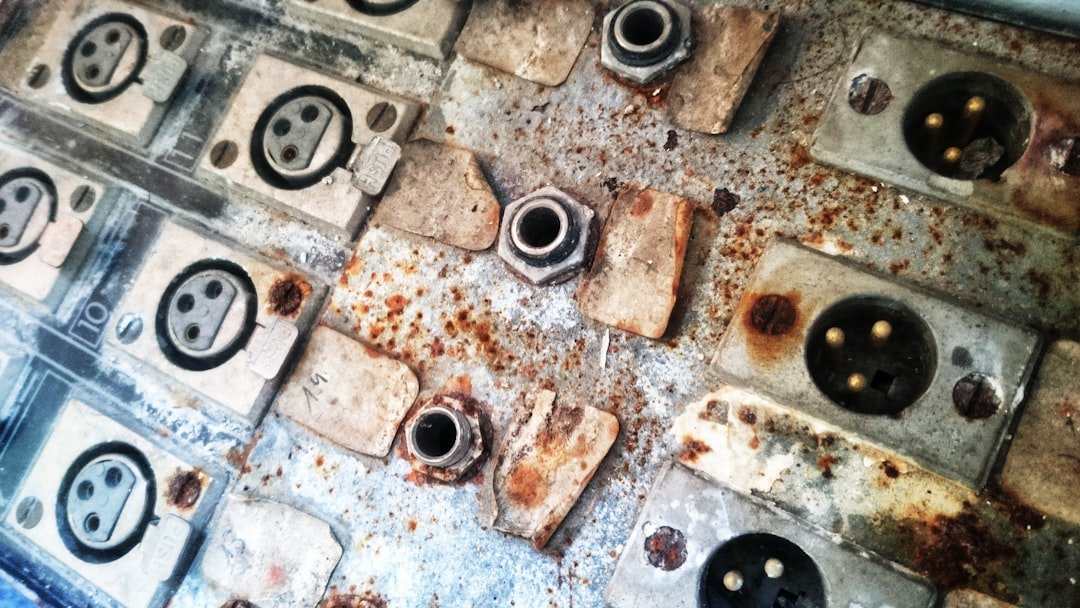
    Corroded electrical connectors

    Checking Bolts and Fasteners

    Seat mounting bolts, seatbelt anchor bolts, and fasteners under the carpet are rarely exposed to moisture on a normal vehicle, since they’re protected by the cabin from road spray and weather. Rust or heavy corrosion on these specific fasteners, especially compared to cleaner-looking bolts elsewhere on the same vehicle, is one of the more reliable indicators of past flooding, since a seller focused on cleaning visible surfaces often overlooks these hidden fasteners entirely.

    Headlights, Taillights, and Sealed Components

    Sealed components like headlight and taillight assemblies aren’t designed to let water in, so condensation or visible moisture inside the lens is a meaningful red flag on a vehicle that shouldn’t have been submerged.

    A headlight covered in raindrops

    This applies to other sealed electrical components too: relays, fuse boxes, and control modules can all show corrosion internally even when the exterior housing looks completely fine.

    Water droplets on a surface

    Title Branding: What It Should Catch, and What It Misses

    When an insurance company declares a vehicle a total loss due to flood damage, the title is supposed to be branded accordingly, similar to a salvage title, flagging the vehicle’s history for future buyers. In practice, this system has gaps: some flood-damaged vehicles are never reported to insurance at all, and title washing, moving a vehicle’s title across state lines to strip a damage brand, remains a real problem in the used vehicle market. A clean title is a helpful data point, but it isn’t a guarantee a vehicle has never been flooded.

    A water stain closeup

    Checking Individual Used Parts

    Buying individual used parts rather than a whole vehicle doesn’t eliminate flood damage risk, since a flooded vehicle often gets parted out rather than crushed, sending affected components into the same supply chain as parts from vehicles that were never near water. Electrical components deserve particular scrutiny, since flood damage to modules, sensors, and wiring harnesses can cause intermittent problems that are difficult to diagnose after installation, well after any return window has closed.

    For mechanical parts like engines and transmissions, water intrusion can cause internal corrosion that isn’t visible from the outside, sometimes not manifesting as a functional problem until well after installation. This is part of why testing matters more than a purely visual inspection for these categories.

    Regional Considerations

    Flood-damaged vehicles tend to concentrate in the used market following major flooding events, sometimes appearing in states far from where the flooding actually occurred once they’ve been transported and resold. A vehicle’s title history showing registration in a state that experienced recent significant flooding, even if the current title looks clean, is worth a closer look before you commit to a purchase.

    This is one reason a vehicle history report, while not foolproof given the limits of title branding discussed above, is still worth checking as one part of a broader inspection rather than skipping it entirely.

    When in Doubt, Get a Professional Inspection

    If you’re seriously considering a used vehicle and something feels slightly off, a mismatched smell, an interior that looks a bit too clean for its stated mileage, corrosion in an unusual spot, it’s worth paying for an independent pre-purchase inspection specifically looking for flood damage indicators. The cost is small relative to the risk of ending up with a vehicle that develops cascading electrical and mechanical problems over its remaining life.

    Where Englewood Used Auto Parts Fits In

    Every part we sell is individually inspected, and that inspection includes checking for the kind of hidden corrosion and water damage described above, not just a vehicle’s paperwork. Browse our used auto parts inventory or call ahead with your VIN to confirm current availability, and feel free to ask us directly about a specific part’s inspection history.

    Our rust and used parts guide covers corrosion inspection in more general terms, and our salvage title guide covers how title branding actually works for other types of damage too.

    Frequently Asked Questions

    What’s the most reliable sign of flood damage?

    Corrosion or rust in places that shouldn’t normally be exposed to moisture, such as under the dashboard, on seat mounting bolts, or inside door sills, is often more reliable than an obvious water line, which sellers can more easily disguise.

    Does a clean title guarantee a vehicle was never flooded?

    No. Title washing and unreported flood damage both mean some flood-damaged vehicles slip through without a branded title, so a clean title should be one data point rather than the only check you rely on.

    Why check headlight and taillight lenses specifically?

    These are sealed components not designed to let water in. Condensation or visible moisture inside the lens is a meaningful red flag, since it suggests the vehicle was exposed to water at a level that shouldn’t occur under normal conditions.

    Can a musty smell be fully removed from a flooded vehicle?

    Air fresheners and cleaning can mask the smell temporarily, but the underlying moisture and mold in carpet padding and other absorbent materials is difficult to fully eliminate, and the smell often returns, especially in warm or humid conditions.

    Should I avoid all vehicles with any corrosion at all?

    Not necessarily. Surface rust in expected areas like the undercarriage is completely normal, especially in cold, salt-belt climates. It’s corrosion in unusual, normally-protected locations that signals a real concern.

    Have a question about checking a specific used vehicle or part for water damage, or want a second opinion before you buy? Contact our parts counter and we’ll help you figure out what to look for.

  • How Long Do Used Auto Parts Last?

    How Long Do Used Auto Parts Last?

    One of the most common questions we hear at the parts counter is some version of “how long will this actually last?” It’s a fair question, and the honest answer varies a lot by part category. Here’s a realistic breakdown of what to expect from common used parts, and what actually determines remaining lifespan more than the number on the odometer.

    This guide covers typical remaining service life by part category, the factors that matter more than mileage alone, and how our testing process actually affects what you can realistically expect.

    Mileage Isn’t the Whole Story

    A part’s remaining lifespan depends far more on how it was used and maintained than on the raw mileage of the donor vehicle. A transmission from a vehicle that was regularly serviced and driven gently on highways can outlast one from a lower-mileage vehicle that towed heavy loads or saw exclusively short, hard city trips. This is why physical inspection and testing matter more than mileage as a standalone number.

    Typical Remaining Life by Part Category

    Part CategoryTypical Remaining Life (Tested, Good Condition)
    Alternators and startersOften another 50,000-100,000+ miles if tested and functioning correctly
    EnginesHighly variable; a well-maintained engine can run well past 200,000 total miles
    TransmissionsSimilar to engines; maintenance history matters more than raw mileage
    Brake componentsRotors and calipers can have significant life left; pads are a wear item regardless of source
    Wheel bearings and hubsGood used units often provide tens of thousands of additional miles
    Body panels and trimEffectively unlimited, since these don’t wear out mechanically

    Why Testing Matters More Than the Number

    Our testing process exists specifically because mileage alone can’t tell you whether a part is sound. An alternator is bench tested for output under load, not just visually inspected. An engine is checked for compression and unusual noises, not just judged by its odometer reading. This testing is what actually determines whether a part goes on our shelves, and it’s a far better predictor of remaining life than mileage ever could be on its own.

    A mechanic working in a shop

    What Shortens a Part’s Life Regardless of Mileage

    • Neglected maintenance on the donor vehicle, particularly fluid changes for engines, transmissions, and differentials.
    • Aggressive or high-stress use, such as towing beyond rated capacity or repeated short trips that never let an engine reach full operating temperature.
    • Exposure to road salt and moisture, which accelerates corrosion on mechanical components regardless of how many miles they’ve actually seen.
    • Physical damage from accidents, even if a specific part wasn’t directly involved, since impact forces can travel through a vehicle’s structure.
    Hands working on an engine part

    Where Vehicles Come From Matters Too

    Not every vehicle at a salvage yard is there because it wore out. Collision losses, lease returns, and vehicles retired for a single unrelated mechanical failure can all yield parts in excellent condition regardless of the vehicle’s overall age or mileage. This is part of why inspection and testing matter more than assuming condition based on a vehicle’s backstory alone.

    An aerial view of a junkyard

    Warranty as a Practical Answer

    Since predicting exact remaining lifespan for any individual part is inherently uncertain, a warranty is the most practical way to manage that uncertainty as a buyer. A tested part backed by a warranty gives you a safety net if it fails sooner than expected, which matters more in practice than trying to precisely estimate remaining service life from mileage alone. It shifts the risk of an unlucky early failure back onto the seller rather than leaving you to absorb it entirely.

    A mechanic working on a wheel

    Electrical vs. Mechanical Parts: Different Aging Patterns

    Electrical components like alternators and starters tend to fail more predictably once they start showing symptoms, since the underlying issue is usually a specific worn component, like brushes or bearings, that can be tested for directly rather than inferred. Mechanical components like engines and transmissions age less predictably, since wear accumulates across many internal parts simultaneously, and two units with identical mileage can be in very different condition depending on how they were used.

    This is part of why our testing approach differs by category. Electrical parts get bench tested under load to confirm output and function. Engines get compression tested and listened to for unusual noise. Both approaches aim at the same goal, catching problems that mileage alone wouldn’t reveal, but the specific tests differ based on how each part type actually fails.

    Comparing a Used Part to a New One

    A tested used part won’t come with the same blank-slate certainty as a brand new part straight from the manufacturer, but it also costs meaningfully less, and for most part categories, the remaining service life on a good used part is more than adequate for typical ownership periods. Buyers replacing a part on a vehicle they plan to keep for several more years are usually well served by a tested used part rather than paying a significant premium for a new one with capability far beyond what they’ll actually use.

    The calculation shifts somewhat for buyers planning to keep a vehicle for a very long time, where the marginal extra service life of a new part might be worth the added cost. It’s a judgment call that depends on your specific plans for the vehicle, not a universal answer.

    Where Englewood Used Auto Parts Fits In

    Every part we sell is tested according to its category before it’s cataloged, and backed by a warranty regardless of the donor vehicle’s mileage. Browse our used auto parts inventory or call ahead with your VIN to confirm current availability, and feel free to ask about the specific testing a part went through before you buy.

    A manual transmission shift knob

    Our grading and warranty guide covers exactly what our testing process involves and what the warranty covers if a part doesn’t perform as expected. Between the two, we aim to take most of the guesswork out of buying used.

    Frequently Asked Questions

    Does a lower-mileage used part always last longer?

    Not necessarily. Maintenance history and how the vehicle was driven matter more than raw mileage. A well-maintained higher-mileage part can outlast a neglected lower-mileage one.

    How do you determine if a part is still good?

    Through category-specific testing: bench testing for electrical components like alternators, compression and noise checks for engines, and physical inspection for wear items like brake components and bearings.

    Why do some used parts have plenty of life left despite the vehicle’s age?

    Not every salvage vehicle is retired due to wear. Collision losses, lease returns, and unrelated mechanical failures can all yield individual parts in excellent condition regardless of the vehicle’s overall age.

    What actually shortens a part’s remaining life?

    Neglected maintenance, aggressive or high-stress use, exposure to road salt and moisture, and physical damage from accidents all matter more than mileage alone.

    Why does a warranty matter if parts are tested?

    Testing significantly improves the odds of a good part, but predicting exact remaining lifespan is inherently uncertain. A warranty provides a practical safety net if a tested part fails sooner than expected.

    Have a question about how long a specific part might last for your vehicle, or want help weighing a used part against a new one for your situation? Contact our parts counter and we’ll help you figure out what makes sense.

  • Spring Car Care Checklist: What to Check After Winter

    Spring Car Care Checklist: What to Check After Winter

    Chicago winters leave a mark, road salt, potholes, and months of cold-weather stress add up, and spring is the natural time to check what needs attention before warmer weather driving ramps up. This checklist picks up where our winter car prep checklist left off.

    This guide covers pothole damage, undercarriage salt buildup, tire pressure after temperature swings, brakes after a season of wet and salted roads, and getting the AC ready for summer.

    Check for Pothole Damage

    Winter’s freeze-thaw cycle is brutal on pavement, and pothole season typically peaks in early spring as roads that survived the winter finally give way. Hitting a deep pothole can bend a wheel, damage a tire’s sidewall, or knock the suspension and alignment out of spec, sometimes without any dramatic noise at the moment of impact.

    If you’ve hit a few potholes over the winter without inspecting afterward, it’s worth checking for a pulling sensation while driving straight, uneven tire wear, or a wheel that looks slightly bent when you look at it head-on.

    Wash the Undercarriage

    Months of accumulated road salt sit on the undercarriage, wheel wells, and frame rails long after the snow has melted, and that residue continues corroding metal even in warmer weather if it’s never washed off. A thorough undercarriage wash, many car washes offer this as an add-on, removes salt buildup before it causes lasting damage.

    Recheck Tire Pressure

    Tire pressure drops in cold weather and doesn’t automatically correct itself when temperatures warm back up, so it’s worth rechecking all four tires plus the spare now that winter’s cold snaps have passed. A meaningful swing from winter’s coldest mornings to spring’s milder temperatures can leave tires under or overinflated relative to where they were set months ago.

    A tire pressure gauge tool

    Inspect Wiper Blades

    Winter ice and scraping are hard on wiper blades, and spring’s rain makes worn blades immediately obvious through streaking and skipping. If you didn’t replace blades in the fall, spring is a natural second checkpoint, especially if you scraped ice off the windshield with the wipers still down over the winter.

    A windshield wiper blade in the rain

    Check Brakes After a Salted Winter

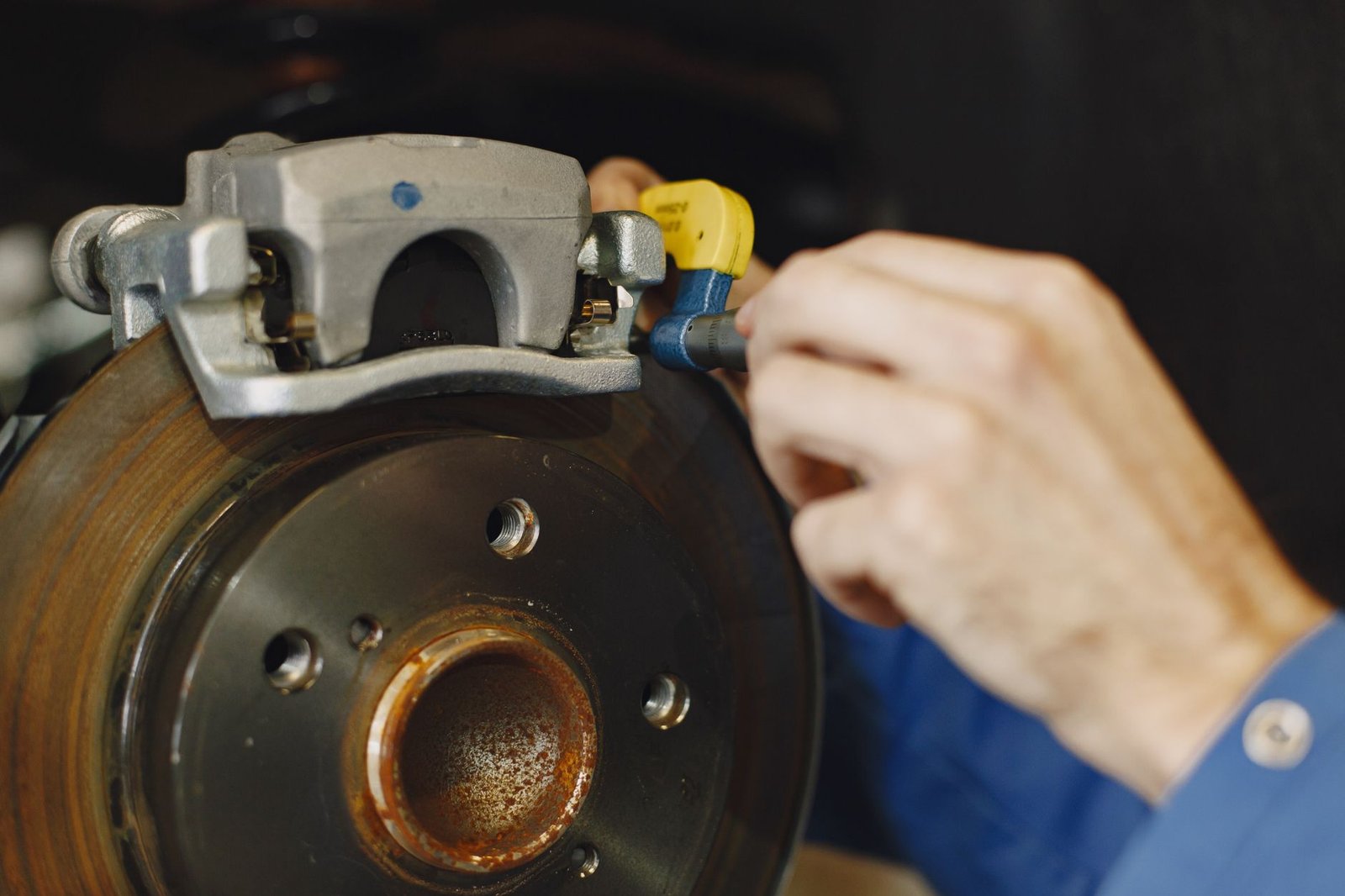
    A winter of wet, salted roads accelerates corrosion on brake components, particularly rotors and calipers, and it’s worth a visual check for rust buildup or uneven wear before you’re back to regular warm-weather driving. Squealing, grinding, or a pulsing brake pedal are all worth addressing promptly rather than waiting.

    A mechanic inspecting a brake caliper

    Get the AC Ready for Summer

    There’s nothing worse than discovering your AC doesn’t work on the first genuinely hot day of the year. Spring is a good time to run the AC on a mild day and confirm it’s blowing cold, since a slow refrigerant leak or a failing compressor is much easier to address calmly in April than during a July heat wave when everyone else has the same problem and shop schedules fill up fast.

    Weak airflow rather than warm air can also point to a clogged cabin air filter, an inexpensive, easy fix that’s worth ruling out before assuming a more expensive AC component has failed.

    Check Suspension After a Winter of Potholes

    Beyond wheel damage, repeated pothole impacts over a winter of driving can gradually loosen or wear suspension components: control arm bushings, tie rod ends, and strut mounts all take a beating from sharp impacts, even when no single hit felt severe enough to cause immediate concern. A clunking noise over bumps, a vehicle that feels looser through corners than it did in the fall, or uneven tire wear that’s developed over the winter are all worth a proper inspection.

    This is a good time to have the alignment checked as well, since a single significant pothole impact can throw off alignment even without any other visible damage, leading to gradual, uneven tire wear that’s easy to miss until it’s fairly advanced.

    Inspect Belts and Hoses

    Cold weather is hard on rubber components throughout the engine bay, and belts and hoses that were already showing wear going into winter often finish the season in noticeably worse condition. Look for cracking, glazing, or fraying on serpentine belts, and check hoses for soft spots, bulges, or brittleness. A belt or hose failure while driving is a roadside inconvenience at best and a more serious problem at worst, so catching wear now is worth the few minutes it takes.

    Battery Health After a Cold Winter

    Batteries that survived a hard winter without failing outright can still have lost meaningful capacity from months of cold-weather strain, and a battery on its way out often doesn’t show obvious symptoms until it fails without warning. If your battery is more than three years old and made it through winter without needing a jump, it’s still worth having it load-tested in spring, since a battery that’s lost significant capacity performs adequately in mild weather right up until the next cold snap catches it off guard.

    Where Englewood Used Auto Parts Fits In

    If your spring inspection turns up a part that needs replacing, whether it’s a wheel bent from a pothole, a corroded brake rotor, or an AC component, we stock tested used parts for a wide range of makes and models. Browse our used auto parts inventory or call ahead with your VIN to confirm current availability.

    Green spring leaves on a branch

    Our rust and used parts guide covers what to check for corrosion specifically, and our wheel bearing and hub assembly guide covers the symptoms of a wheel bent or knocked out of alignment by a pothole. Our shocks and struts guide covers the bounce test if you suspect the suspension took the brunt of a winter of rough roads.

    Rain drops on a car window

    Frequently Asked Questions

    How do I know if a pothole damaged my car?

    Watch for a pulling sensation while driving straight, uneven or premature tire wear, a wheel that looks visibly bent, or any new vibration that wasn’t present before. Not all pothole damage is immediately obvious.

    Why should I wash the undercarriage in spring?

    Months of accumulated road salt continue corroding metal even after the snow melts, and a thorough undercarriage wash removes that residue before it causes lasting damage to the frame and suspension components.

    Does tire pressure need rechecking in spring?

    Yes. Tires set to the correct pressure during winter’s cold snaps can be under or overinflated once temperatures warm up in spring, since pressure changes with temperature but doesn’t correct itself automatically.

    When should I test my AC before summer?

    As early in spring as possible, on a mild day. This gives you time to diagnose and repair a slow leak or failing component before the first genuinely hot day, when everyone else has the same problem and shops get busy.

    Are brakes affected by a winter of salted roads?

    Yes, salt accelerates corrosion on rotors and calipers specifically. A visual check for rust buildup or uneven wear, along with attention to any new squealing or pulsing, is worth doing each spring.

    Should I check my battery in spring even if it survived winter?

    Yes, especially if it’s more than three years old. A battery can lose meaningful capacity from cold-weather strain without failing outright, and a load test in spring catches this before the next cold snap catches you off guard.

    Have a spring car care question, need help diagnosing something a pothole might have knocked loose, or need a part before summer driving season? Contact our parts counter and we’ll help you track it down.

  • Fuel Tank & Fuel System Guide: Tanks, Sending Units, and Lines

    Fuel Tank & Fuel System Guide: Tanks, Sending Units, and Lines

    Our fuel pump buying guide covers the part that actually pushes fuel to the engine, but the pump is just one piece of a much larger system: the tank itself, the filler neck, the sending unit that reports fuel level, and the lines that carry fuel forward toward the engine. This guide covers those surrounding components and what tends to go wrong with each one.

    We’ll cover the fuel tank and filler neck, the sending unit and fuel gauge connection, fuel lines, and what’s worth buying used versus new.

    The Fuel Tank and Filler Neck

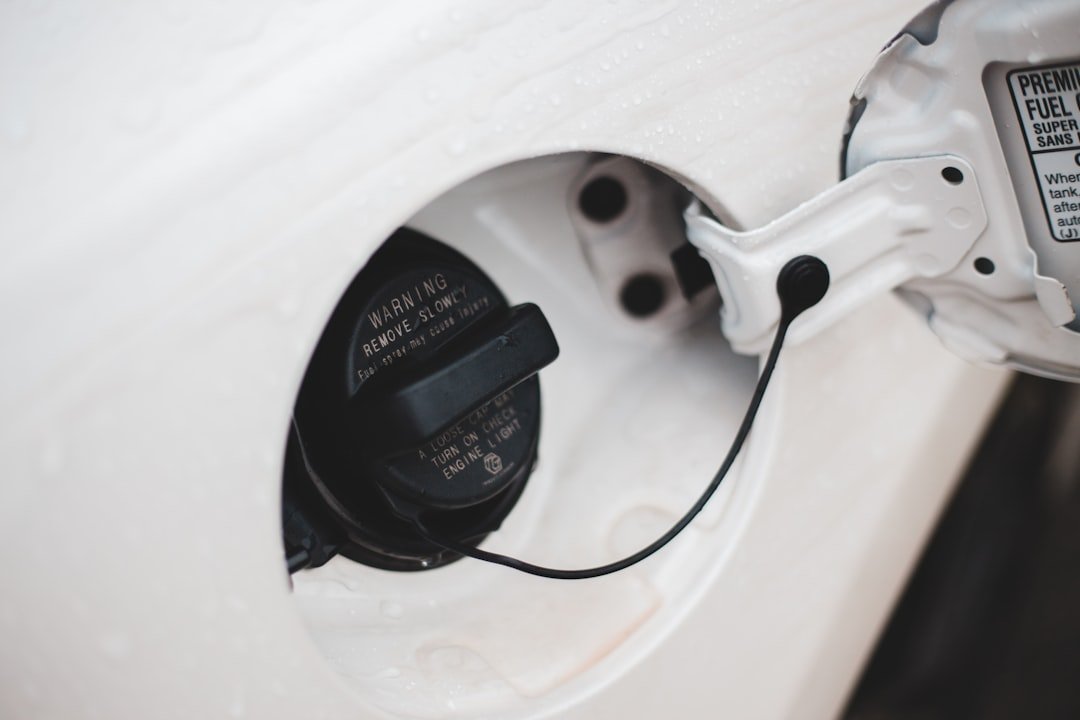
    Modern fuel tanks are almost universally plastic rather than metal, which resists rust and corrosion far better than older steel tanks did, though plastic tanks can still develop stress cracks over time, particularly near mounting points and seams. The filler neck, the tube you insert the gas pump nozzle into, is a common point of failure on its own, since it’s exposed to road salt, moisture, and the physical stress of repeated fuel nozzle insertion over the vehicle’s life.

    A car fuel cap closeup

    A rusted-through filler neck on an older vehicle with a metal tank, or a cracked plastic filler neck, typically shows up as a fuel smell around the fuel door or visible staining, and is worth addressing before it worsens into an actual leak.

    The Fuel Sending Unit

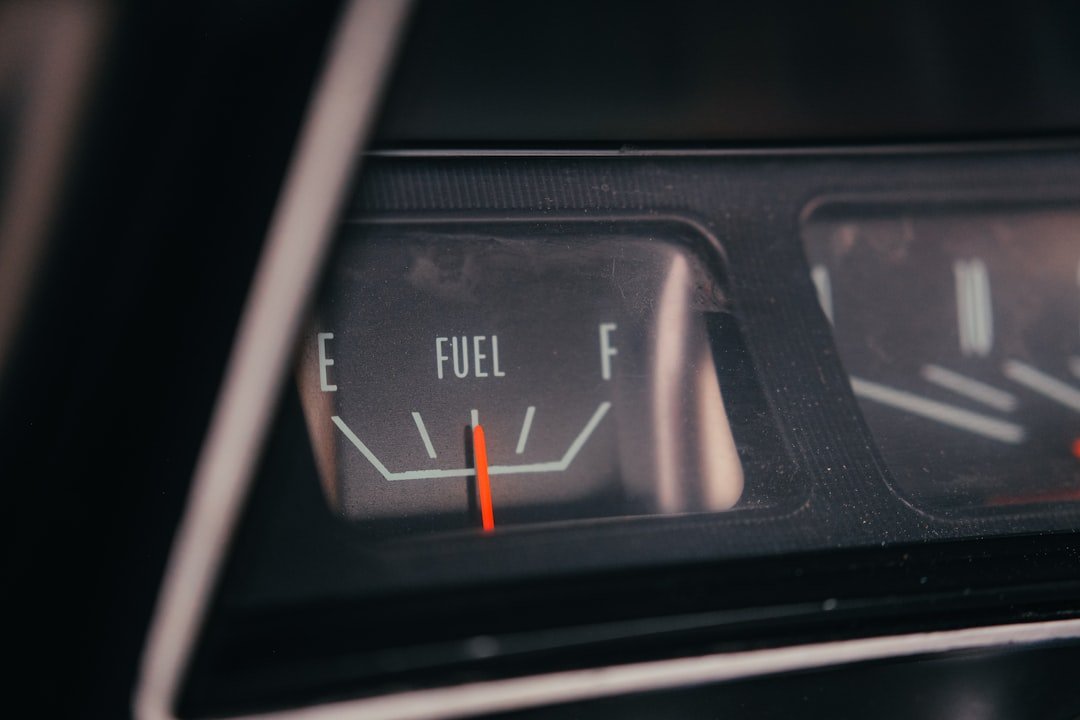
    The sending unit, usually mounted inside the tank alongside the fuel pump, uses a float arm to measure fuel level and report it to your dashboard gauge. A fuel gauge that reads inaccurately, sticks at one level, or bounces around while driving usually points to a worn sending unit rather than the gauge itself or the tank’s actual fuel level.

    A fuel gauge needle near empty
    SymptomLikely Cause
    Gauge always reads empty regardless of actual fuel levelSending unit failure, or a wiring issue between the tank and gauge
    Gauge reads full and never movesStuck float arm or a wiring short
    Gauge fluctuates or bounces while drivingWorn sending unit contacts, or fuel sloshing against a partially stuck float

    Fuel Lines: Rubber vs. Steel

    Fuel systems use a combination of rigid steel or nylon lines for most of the run, with short rubber sections at points requiring flexibility, such as near the engine or where the line crosses the frame. Rubber sections dry out and crack with age and heat exposure, while steel lines are more prone to rust in salt-belt climates, particularly at crimped fittings where moisture tends to collect.

    A metal mounting bracket part

    A fuel smell without any visible puddle often traces back to a small crack in a rubber line section rather than the tank itself, since fuel vapor can escape well before an actual liquid leak becomes visible.

    Fuel line fittings themselves can also be a source of leaks over time, particularly at quick-connect couplings used on many modern vehicles, where an aging O-ring seal inside the fitting deteriorates even when the rest of the line looks perfectly fine. Replacing just the O-ring is often sufficient in these cases, avoiding the need to replace the entire fuel line.

    Buying Used: What Makes Sense

    • Fuel tanks: generally safe to buy used if free of visible cracks, dents affecting capacity, and rust-through on older metal tanks. Confirm the sending unit and pump are compatible or included.
    • Sending units: reasonable to buy used if tested for accurate resistance readings across the float’s range of motion, though these are inexpensive enough new that many owners skip sourcing used.
    • Fuel lines: generally recommended new, given their low cost and the safety implications of a line failure while driving.
    A red gasoline can

    The EVAP System and Fuel Vapor Recovery

    Modern vehicles include an evaporative emissions system, commonly called EVAP, designed to capture fuel vapor rather than releasing it into the atmosphere. A charcoal canister stores vapor from the fuel tank until the engine can burn it during normal operation, and this system includes its own set of hoses, valves, and a purge solenoid, any of which can develop a leak or fail electrically. A loose or faulty gas cap is actually one of the most common EVAP-related check engine light triggers, since the entire system relies on a sealed tank to maintain proper vapor pressure.

    Before assuming a more expensive EVAP component has failed, it’s worth simply confirming the gas cap is tightened properly and isn’t cracked or worn at the seal, since replacing a cap costs a small fraction of diagnosing and replacing a purge solenoid or charcoal canister unnecessarily.

    Fuel Tank Capacity and Range Considerations

    When sourcing a used fuel tank, confirm it matches your vehicle’s original capacity rather than assuming any tank that physically fits the mounting points is correct, since some vehicles offered multiple tank sizes across different trims or model years, particularly trucks with optional long-range tank configurations. A mismatched tank can still bolt in and function, but it may not report fuel level accurately if the sending unit’s float range was calibrated for a different capacity.

    This is especially relevant for trucks and vans, where an optional larger tank was sometimes available as a factory option, and mixing components between the standard and optional tank configurations can produce confusing fuel gauge behavior even with a mechanically sound system.

    Where Englewood Used Auto Parts Fits In

    We stock used fuel tanks and sending units, inspected for cracks, rust, and accurate float operation before they’re cataloged. Browse our used auto parts inventory or call ahead with your VIN to confirm current availability, particularly for trucks and vans where tank capacity can vary by trim.

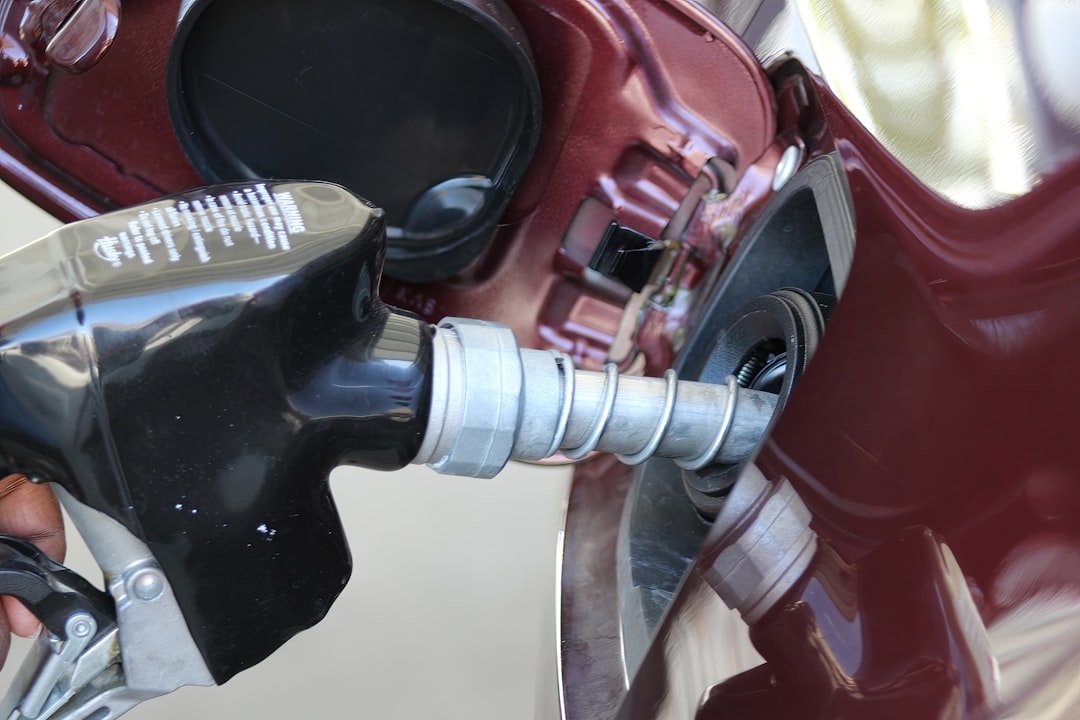
    A hand holding a gas pump nozzle

    Not sure how to confirm your VIN before ordering? Our VIN and vehicle compatibility guide covers exactly what to check, and our fuel pump buying guide covers the symptoms and testing for the pump itself.

    Frequently Asked Questions

    Why does my fuel gauge read inaccurately?

    This usually points to a worn fuel sending unit, which uses a float arm to measure fuel level. A gauge that’s stuck, bounces while driving, or always reads empty or full typically traces back to this component rather than the gauge itself.

    Is it safe to buy a used fuel tank?

    Yes, provided it’s free of visible cracks, dents affecting capacity, and rust-through on older metal tanks. Confirm the sending unit and pump configuration match your vehicle.

    Should I replace fuel lines with new or used parts?

    New is generally recommended, given the low cost of fuel lines relative to the safety implications of a line failure while driving.

    What causes a fuel smell with no visible leak?

    Often a small crack in a rubber fuel line section, or a cracked filler neck, letting fuel vapor escape before any liquid leak becomes visible.

    Are modern fuel tanks made of metal or plastic?

    Almost universally plastic, which resists rust and corrosion better than older steel tanks, though plastic tanks can still develop stress cracks over time near mounting points and seams.

    Can a loose gas cap really trigger a check engine light?

    Yes. The EVAP system relies on a sealed tank to maintain proper vapor pressure, and a loose or worn gas cap is one of the most common causes of an EVAP-related check engine light.

    Have a question about a specific fuel tank or fuel system component for your vehicle, including confirming the correct tank capacity for your trim? Contact our parts counter and we’ll help you track it down.

  • HVAC Blower Motor & Heater Core Guide: Symptoms and Cost

    HVAC Blower Motor & Heater Core Guide: Symptoms and Cost

    No heat on a January morning, no defrost when the windshield fogs up, or a fan that only works on one speed setting are all common complaints that trace back to one of two parts: the blower motor or the heater core, sometimes with a few other suspects in between. Here’s how to tell them apart and what to check before buying used.

    This guide covers how the cabin heating system actually works, symptoms of each type of failure, and what to inspect carefully before sourcing a used replacement part.

    How the Cabin Heating System Works

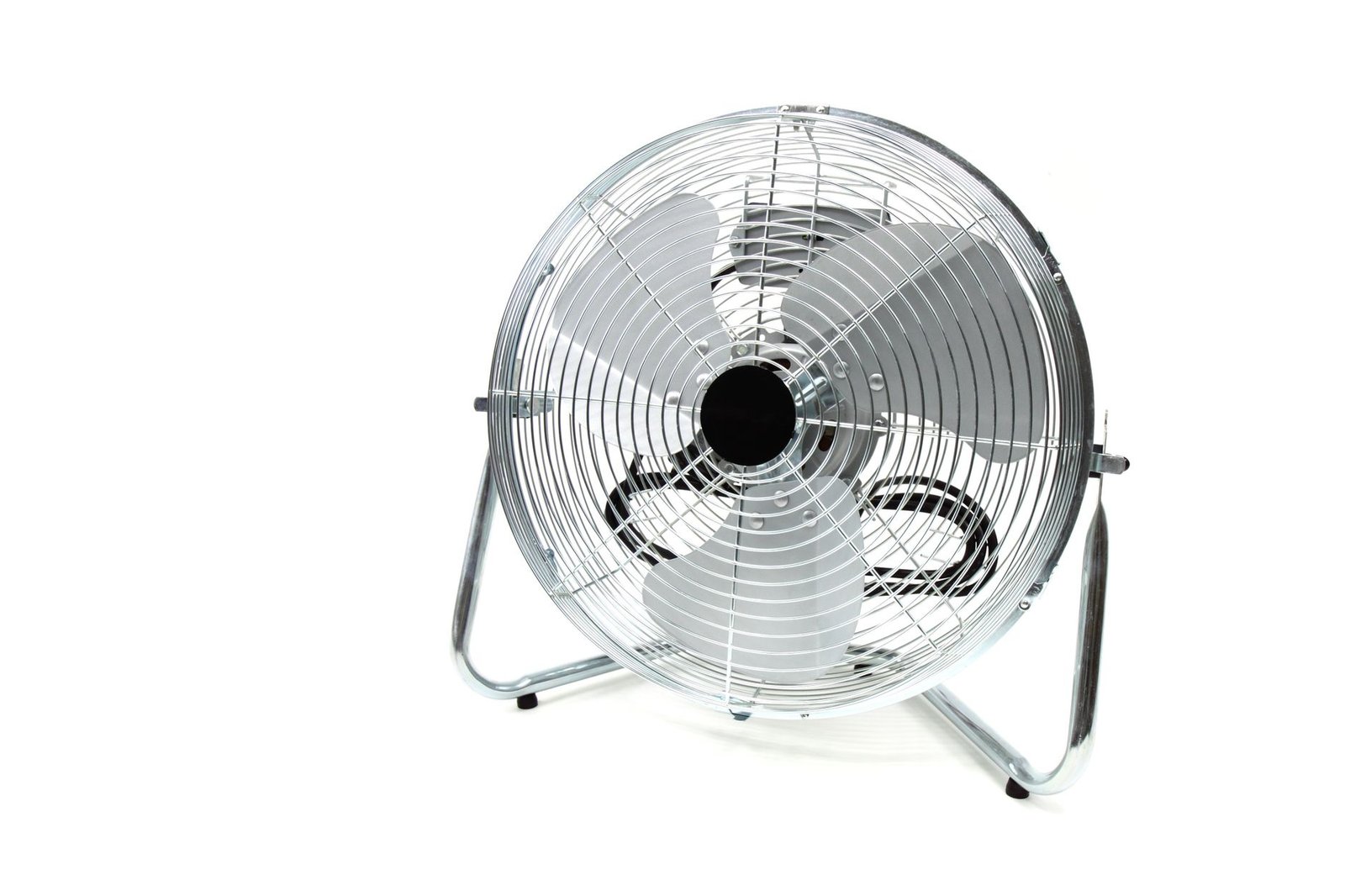
    Warm engine coolant is routed through a small radiator-like unit called the heater core, mounted inside the dashboard. The blower motor, a small electric fan, pushes cabin air across the heater core’s fins, picking up heat before it’s directed through the vents. The same blower motor also pushes air across the evaporator for air conditioning, and across the defrost vents, so a blower motor failure affects heat, AC, and defrost all at once.

    A vintage dashboard with visible wiring

    Blower Motor Symptoms

    • No air movement at all from any vent, regardless of fan speed setting.
    • Air only works on the highest speed setting, often pointing to a failed blower motor resistor rather than the motor itself.
    • A grinding, rattling, or squealing noise from behind the dashboard when the fan is running.
    • Intermittent operation that comes and goes, sometimes resolving temporarily when the dash is tapped or bumped.
    A vintage dashboard fan switch panel

    Heater Core Symptoms

    SymptomWhat It Suggests
    Air blows but stays cool, even with heat selectedHeater core not receiving hot coolant, or a failed heater control valve
    Sweet smell inside the cabinCoolant leaking from the heater core into the cabin airflow
    Fogging on the inside of the windshieldCoolant vapor from a leaking heater core, distinct from normal humidity fogging
    Coolant level dropping with no visible external leakHeater core leaking internally, coolant escaping into the cabin or onto the floor
    A frosted surface closeup

    Blower Motor Resistor: A Separate, Cheaper Part

    Many vehicles use a separate blower motor resistor to control fan speed, and this small component fails far more often than the blower motor itself. If your fan only works on high speed, or works on some speeds but not others, the resistor is usually the more likely and less expensive culprit, worth checking before assuming the entire blower motor needs replacement.

    A fan with blades

    Buying a Used Blower Motor

    Since a blower motor is a simple electric motor, a used unit is generally a safe bet if it spins smoothly by hand and shows no signs of bearing wear or scorching from an electrical short. Confirm it matches your vehicle’s specific mounting configuration and electrical connector, since these details vary even within the same manufacturer’s model lineup across years.

    Car dashboard control knobs

    Heater Cores: Why We Recommend New

    Unlike a blower motor, a heater core is a sealed heat exchanger that’s difficult to inspect for internal condition without pressure testing it, and a failing used heater core can leak coolant into your cabin after installation with no easy warning beforehand. Given the labor-intensive nature of heater core replacement on most vehicles, often requiring significant dashboard disassembly, we generally recommend a new heater core rather than a used one, since the cost difference is usually small relative to the labor involved either way.

    Diagnosing Before You Buy Anything

    Before ordering any part, it’s worth spending a few minutes confirming exactly which component is at fault, since blower motors, resistors, and heater cores are diagnosed differently and mixing them up wastes both time and money. Start with the simplest check: does the fan move air at all, on any speed? If not, suspect the blower motor, its fuse, or its relay. If air moves but only on one speed, suspect the resistor. If air moves at all speeds but never gets warm, suspect the heater core, the coolant level, or a stuck heater control valve.
    A multimeter is useful for confirming whether the blower motor is receiving power when commanded, which helps distinguish a genuinely failed motor from a wiring, fuse, or relay issue further upstream in the electrical system. This simple test can save you from replacing a perfectly good blower motor when the actual problem lies elsewhere in the circuit.

    Heater Control Valves and Blend Doors

    Some vehicles use a heater control valve, an electrically or vacuum-operated valve that regulates coolant flow into the heater core based on the temperature setting you choose. A stuck-closed control valve can mimic heater core symptoms exactly, blowing air but never producing heat, even though the heater core itself is completely fine. Other vehicles instead use a blend door inside the dashboard to mix hot and cold air rather than controlling coolant flow directly, and a failed blend door actuator produces a similar symptom: air that won’t reach the correct temperature regardless of the setting selected.

    Distinguishing between a heater core, a control valve, and a blend door actuator usually requires checking whether the heater core’s inlet and outlet hoses are both hot to the touch when heat is selected. If both hoses are hot but cabin air stays cool, the problem is more likely a blend door than the heater core itself.

    Where Englewood Used Auto Parts Fits In

    We stock used blower motors, tested for smooth operation before they’re cataloged, along with the switches, resistors, and connectors that make up the rest of the HVAC system. Browse our used auto parts inventory or call ahead with your VIN to confirm current availability on any of these components.

    Not sure how to confirm your VIN before ordering? Our VIN and vehicle compatibility guide covers exactly what to check, and our radiator buying guide covers the cooling system components that supply hot coolant to your heater core.

    Frequently Asked Questions

    Why does my fan only work on the highest speed?

    This usually points to a failed blower motor resistor rather than the blower motor itself. The resistor is a smaller, less expensive part that’s worth checking first.

    What does a sweet smell in the cabin usually mean?

    It’s a classic sign of a leaking heater core, allowing coolant vapor into the cabin airflow. This is worth addressing promptly, since coolant fumes aren’t something you want to be breathing regularly.

    Is it safe to buy a used blower motor?

    Yes, generally. A blower motor is a simple electric motor, and a used unit that spins smoothly with no scorching or bearing roughness is usually a safe, cost-effective choice.

    Why do you recommend new heater cores instead of used?

    A heater core is a sealed unit that’s hard to inspect for internal condition, and a failing used one can leak coolant into your cabin after installation. Given the labor involved in replacement, the cost savings on a used unit usually aren’t worth the added risk.

    Can a bad blower motor affect air conditioning too?

    Yes. The same blower motor pushes air across both the heater core and the AC evaporator, so a failed blower motor affects heat, AC, and defrost simultaneously.

    Have a question about a specific blower motor or HVAC component for your vehicle, or need help figuring out which part is actually at fault? Contact our parts counter and we’ll help you track it down.

  • Driveshaft & Differential Guide: Symptoms, Testing, and Cost

    Driveshaft & Differential Guide: Symptoms, Testing, and Cost

    A clunking noise on acceleration, a vibration that builds with speed, or a whining sound from underneath the vehicle can all point to a worn driveshaft or differential, two parts that see enormous stress transferring engine power to the wheels but rarely get a second thought until something actually goes wrong.

    This guide covers what these parts actually do, how they differ between two-wheel-drive, four-wheel-drive, and all-wheel-drive vehicles, the difference between open and limited-slip units, and what to check before buying used.

    What the Driveshaft and Differential Actually Do

    On a rear-wheel-drive or four-wheel-drive vehicle, the driveshaft is a rotating tube that transfers power from the transmission to the rear axle. The differential, housed at the rear axle (and sometimes at the front axle on 4WD and AWD vehicles), splits that power between the two wheels on that axle while allowing them to spin at slightly different speeds during turns, since the outer wheel travels a longer path than the inner wheel.

    A ring gear closeup

    Front-wheel-drive vehicles don’t use a traditional driveshaft in the same sense, since power goes directly from the transaxle to the front wheels through CV axles instead, though many still have a rear differential if they’re equipped with all-wheel drive rather than pure front-wheel drive.

    Signs of a Worn Driveshaft or U-Joint

    • A clunking noise when shifting from park to drive, or when accelerating from a stop.
    • A vibration that builds progressively with vehicle speed, often felt through the floor or seat.
    • A squeaking noise at low speeds, sometimes indicating a U-joint in need of lubrication or replacement.
    • Visible play when the driveshaft is grabbed and twisted by hand with the vehicle safely supported.
    A cutaway gear assembly

    Signs of a Failing Differential

    A whining or howling noise that changes pitch with vehicle speed is the classic differential symptom, similar in character to a wheel bearing but originating from the axle housing rather than a wheel. A clunking noise specifically during turns, rather than straight-line acceleration, points more toward the differential’s internal gears than the driveshaft itself. Low or contaminated gear oil is a common root cause, since these components rely on a specific heavy-weight lubricant to protect the gear teeth under load.

    A gear oil bottle

    2WD vs. 4WD vs. AWD Differences

    DrivetrainDriveshaft ConfigurationDifferential Count
    Rear-wheel-drive (2WD)Single driveshaft from transmission to rear axleOne, at the rear
    Four-wheel-drive (4WD)Front and rear driveshafts, engaged through a transfer caseTwo, front and rear
    All-wheel-drive (AWD)Similar to 4WD but power split is often automatic rather than driver-selectedTwo, front and rear

    4WD and AWD vehicles carry more driveline components overall, which means more potential wear points but also a wider pool of used parts across trims and model years that share the same basic architecture. Confirming which configuration your specific vehicle uses before ordering a part saves a return trip and a mismatched fitment.

    Buying Used Driveshafts and Differentials

    Because these are heavy, load-bearing parts, physical inspection matters. Check the driveshaft for visible dents or bends, which can throw off balance even if the U-joints themselves are fine. Rotate it by hand and feel for roughness or notchy resistance in the U-joints. For a differential, check the housing for cracks and confirm the fill plug hasn’t been stripped, and ask about mileage and any known gear noise history from the donor vehicle.

    A pile of rear axle differential housings

    U-Joints: The Wear Point Within the Wear Point

    Universal joints, or U-joints, are the pivoting connections at each end of a driveshaft that allow it to flex slightly as the suspension moves and the angle between the transmission and axle changes. Each U-joint contains a cross-shaped bearing assembly packed with grease, and over time that grease breaks down or gets contaminated with moisture, leading to increased friction, heat, and eventually failure. Some U-joints have a grease fitting allowing periodic lubrication; others are sealed for life and simply get replaced as a unit once worn.

    A failed U-joint left unaddressed can eventually separate entirely, which is both a safety issue and something that can cause additional damage to the transmission or transfer case as the driveshaft flails loose. This is one wear item worth addressing promptly rather than waiting once symptoms appear.
    Center Support Bearings on Two-Piece Driveshafts

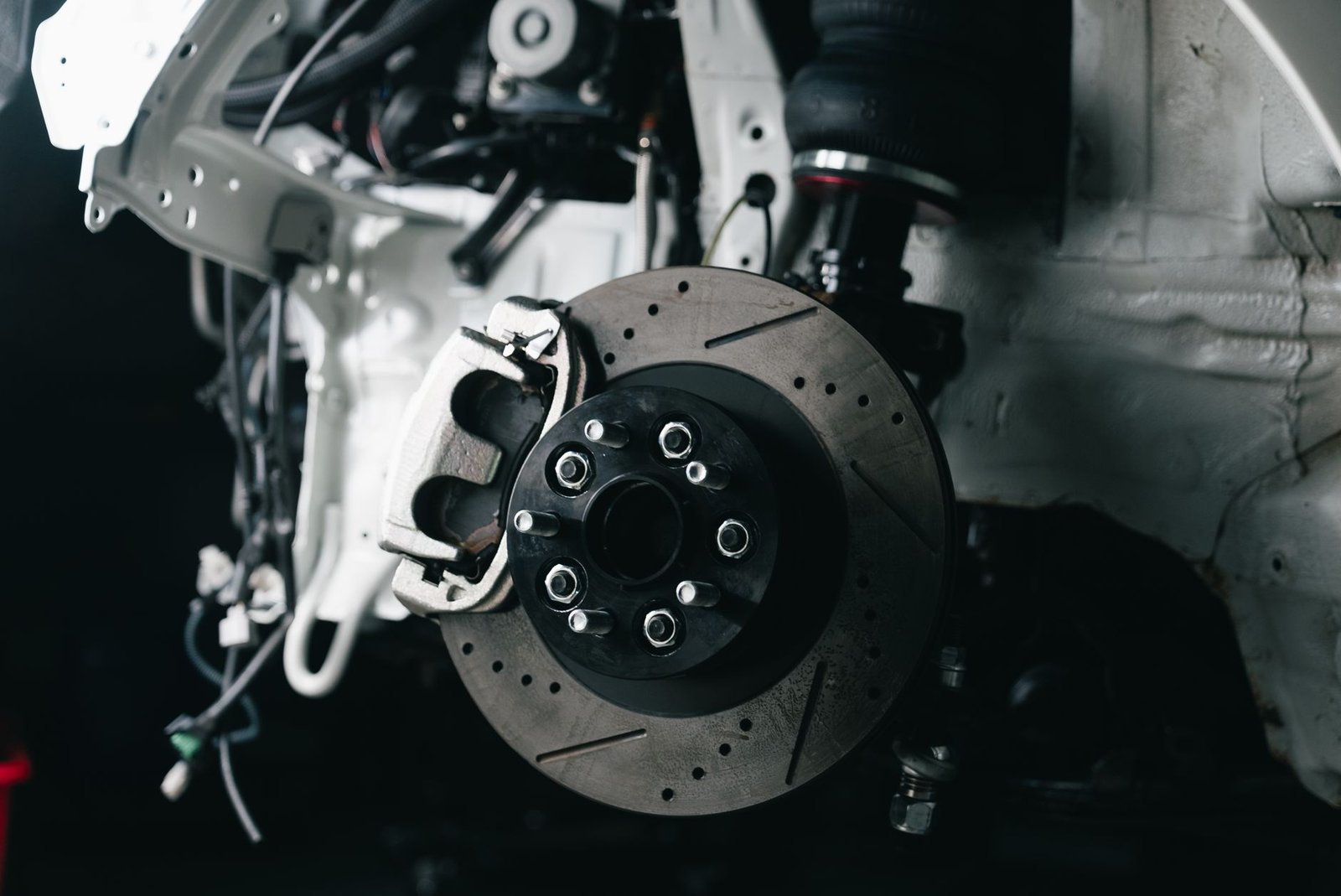
    Longer vehicles, particularly trucks and SUVs, often use a two-piece driveshaft with a center support bearing holding the middle section steady. This bearing is a wear item in its own right, and a failing center support bearing typically produces a vibration or clunk similar to a worn U-joint, but originating from the middle of the vehicle’s underside rather than either end. It’s worth checking this component specifically on longer-wheelbase vehicles rather than assuming any driveline noise traces back to the more commonly discussed U-joints alone.
    Limited-Slip vs. Open Differentials

    Most vehicles use an open differential, which always sends equal torque to both wheels on an axle but can struggle for traction if one wheel loses grip entirely, such as on ice or in mud. Limited-slip differentials use additional internal clutches or gearing to bias power toward the wheel with better traction, improving performance in slippery conditions at the cost of added mechanical complexity and, generally, a shorter service interval for the specialized limited-slip fluid these units require.

    When sourcing a used differential, confirm whether your vehicle came with an open or limited-slip unit, since they are not interchangeable and a limited-slip unit typically commands a higher price in the used market due to demand from performance-oriented buyers.

    Where Englewood Used Auto Parts Fits In

    Every driveshaft and differential we sell is inspected for straightness, U-joint play, and housing condition before it’s cataloged. Browse our used auto parts inventory or call ahead with your VIN to confirm current availability, especially for 4WD and AWD-specific configurations or limited-slip units where fitment matters more than usual.

    A semi truck with multiple rear axles

    Not sure how to confirm your VIN before ordering? Our VIN and vehicle compatibility guide covers exactly what to check, and our CV axle guide covers the front-wheel-drive equivalent of this same power-transfer job.

    Frequently Asked Questions

    What does a clunking noise from underneath usually mean?

    It often points to a worn U-joint on the driveshaft, though it can also indicate a differential issue if the clunk happens specifically during turns rather than straight-line acceleration.

    What causes a differential to whine?

    A whining or howling noise that changes pitch with speed usually points to worn internal gears, often related to low or contaminated gear oil that failed to protect the gear teeth under load over time.

    Do front-wheel-drive cars have a driveshaft?

    Not in the traditional sense. Power goes from the transaxle to the front wheels through CV axles instead, though many all-wheel-drive versions of front-wheel-drive-based platforms still have a rear differential.

    How do I check a used driveshaft before buying?

    Look for visible dents or bends that could throw off balance, and rotate it by hand to feel for roughness or notchy resistance in the U-joints.

    Does a 4WD vehicle have two differentials?

    Yes, one at the front axle and one at the rear, connected through a transfer case that engages four-wheel-drive power delivery.

    Have a question about a specific driveshaft or differential for your vehicle, including whether it’s an open or limited-slip unit? Contact our parts counter and we’ll help you track it down.

  • Ignition Coils & Spark Plugs Guide: Symptoms and What to Buy New

    Ignition Coils & Spark Plugs Guide: Symptoms and What to Buy New

    A rough idle, a check engine light, or a subtle loss of power under acceleration are often traced back to two of the cheapest, most overlooked parts on the entire engine: spark plugs and ignition coils. Here’s how to tell which one is causing your symptoms, and why these two parts are usually bought new rather than used.

    This guide covers how the ignition system works, common failure symptoms, and why spark plugs and ignition coils are one of the few categories where we generally recommend new parts over used.

    How the Ignition System Works

    Modern gasoline engines use an ignition coil to step up battery voltage into the tens of thousands of volts needed to jump the gap at the spark plug’s electrode, igniting the compressed air-fuel mixture in the cylinder at precisely the right moment. Older vehicles used a single coil and a distributor to route spark to each cylinder in sequence; most vehicles built since the late 1990s use individual coils mounted directly over each spark plug, eliminating the distributor and its associated wear parts entirely.

    A distributor cap with ignition wires

    Symptoms of a Failing Spark Plug or Coil

    • A rough or uneven idle, sometimes felt as a slight shudder through the cabin.
    • Reduced fuel economy, since incomplete combustion wastes fuel.
    • Hesitation or a noticeable loss of power under acceleration.
    • A check engine light, often with a specific misfire code identifying which cylinder is affected.
    • In more advanced cases, a rough enough misfire that it’s audible as a distinct “miss” in engine sound.

    Spark Plug vs. Ignition Coil: Which Is It?

    Symptom PatternMore Likely Cause
    Misfire code isolated to one cylinder, other cylinders fineIgnition coil or spark plug specific to that cylinder
    Rough idle across all cylinders, gradually worseningSpark plugs nearing end of service life across the board
    Misfire that gets worse in wet weatherIgnition coil or spark plug wire insulation breakdown
    Misfire that comes and goes with engine temperatureOften coil-related, as heat cycling stresses coil windings

    Why New, Not Used, for These Parts

    Spark plugs and ignition coils are two of the few part categories where we generally steer customers toward new rather than used. Spark plugs are a wear item by design, with a limited service life measured in tens of thousands of miles, and a used plug offers little insight into how much of that life remains just by looking at it. Ignition coils are solid-state electronic components with no easy way to visually verify remaining lifespan, and the cost of a new coil is low enough that the labor and uncertainty of sourcing and testing a used one rarely pays off.

    A vintage valve train closeup

    This is different from mechanical parts like alternators or water pumps, where physical wear is visible and testable. A coil either works or it doesn’t, and there’s no reliable way to confirm “doesn’t yet, but might soon” on a used unit.

    Gapping Spark Plugs

    Some spark plugs, particularly older designs and certain aftermarket replacements, require the electrode gap to be manually set to the manufacturer’s specification using a gap tool before installation. Many modern pre-gapped plugs don’t require this step, but it’s always worth confirming against your vehicle’s specifications rather than assuming, since an incorrect gap can cause exactly the misfire symptoms you’re trying to fix.

    A measuring gauge tool

    Replacement Intervals and Tools

    Spark plug replacement intervals vary significantly by plug material, from around 30,000 miles for standard copper plugs to 100,000 miles or more for iridium or platinum-tipped plugs. A basic spark plug socket set with an extension and a swivel adapter handles most vehicles, though some engines require removing additional components like intake manifold covers to access the plugs, which is worth researching before starting the job.

    A set of chrome sockets

    Coil-on-Plug vs. Distributor Systems

    The shift from distributor-based ignition to individual coil-on-plug systems eliminated several once-common failure points entirely: the distributor cap, rotor, and spark plug wires all wore down over time and needed periodic replacement on older vehicles. Coil-on-plug systems, by contrast, have fewer moving parts and no separate wire runs to degrade, which is part of why modern vehicles generally go longer between ignition-related service visits than vehicles from the 1980s and 1990s did.

    If you’re working on an older vehicle that still uses a distributor, know that a worn distributor cap or rotor can cause misfire symptoms that look identical to a bad spark plug or coil, so it’s worth ruling out those components too before assuming the problem is isolated to a single cylinder’s plug.

    When a Misfire Isn’t Ignition at All

    Not every rough idle or misfire code traces back to spark plugs or coils. Vacuum leaks, clogged fuel injectors, low fuel pressure, and even a failing catalytic converter can produce symptoms that look identical to an ignition problem from the driver’s seat. A proper diagnostic scan reading the specific misfire code, combined with checking spark and fuel delivery independently, is the most reliable way to narrow down the actual cause rather than guessing based on symptoms alone.

    This is one reason a coil-swap test between cylinders is so useful: if the misfire follows the coil to a different cylinder, ignition is confirmed as the cause. If it stays on the same cylinder regardless of which coil is installed, the problem likely lies elsewhere, such as a fuel injector or a compression issue specific to that cylinder.

    Where Englewood Used Auto Parts Fits In

    While we don’t stock used spark plugs or ignition coils for the reasons above, we do carry the used components that commonly get misdiagnosed for ignition issues, along with everything else under the hood. Browse our used auto parts inventory or call ahead with your VIN to confirm current availability on related components.

    A stylized engine bay closeup

    Not sure how to confirm your VIN before ordering? Our VIN and vehicle compatibility guide covers exactly what to check, and our engine buying guide covers broader engine health beyond just the ignition system.

    Frequently Asked Questions

    Should I buy used spark plugs or ignition coils?

    Generally no. Both are inexpensive new, and there’s no reliable way to verify remaining service life on a used spark plug or confirm a used ignition coil won’t fail shortly after installation.

    How do I know if it’s the spark plug or the coil?

    A misfire code isolated to one cylinder points to either the coil or plug on that cylinder specifically. Swapping a coil between cylinders and seeing if the misfire follows it is a common diagnostic trick to narrow down which component is at fault.

    Do all spark plugs need to be gapped before installation?

    Not always. Many modern plugs come pre-gapped from the factory, but it’s worth confirming against your vehicle’s specifications rather than assuming, since an incorrect gap can cause misfire symptoms.

    How often should spark plugs be replaced?

    It varies by plug material, from around 30,000 miles for standard copper plugs up to 100,000 miles or more for iridium or platinum-tipped plugs. Check your owner’s manual for the specific interval.

    Can a bad ignition coil damage other parts?

    Prolonged misfiring can allow unburned fuel to reach the catalytic converter, potentially causing overheating and damage there over time, which is one reason it’s worth addressing ignition issues promptly rather than ignoring a check engine light.

    Have a question about a related engine component or need help diagnosing a misfire? Contact our parts counter and we’ll help you figure out what’s going on.

  • Wheel Bearings & Hub Assemblies Guide: Symptoms, Testing, and Cost

    Wheel Bearings & Hub Assemblies Guide: Symptoms, Testing, and Cost

    A worn wheel bearing announces itself with a distinctive humming or growling noise that most drivers notice long before they know what’s actually causing it. Left unaddressed, it can progress from an annoying sound to an actual safety issue, since a wheel bearing failure can eventually allow excessive wheel play or even wheel separation in extreme, long-neglected cases.

    This guide covers how to recognize a failing wheel bearing, the difference between older bearing designs and modern hub assemblies, what to check before buying a used replacement, and why front and rear bearings often wear at different rates.

    Wheel Bearing vs. Hub Assembly

    DesignDescriptionCommon On
    Serviceable bearingIndividual bearing races and rollers packed with grease, replaceable separately from the hubOlder vehicles, some trucks
    Hub assembly (sealed unit)Bearing pre-sealed and integrated with the hub, wheel speed sensor often built inMost vehicles since the 1990s-2000s

    Modern vehicles overwhelmingly use sealed hub assemblies rather than serviceable bearings, which simplifies replacement (the whole unit bolts in as one piece) but means you can’t just repack the bearing with fresh grease the way older designs allowed.

    Signs of a Failing Wheel Bearing

    • A humming, growling, or roaring noise that changes pitch with vehicle speed and often gets louder when turning.
    • A grinding or clicking sound, usually a sign the bearing has progressed to a more advanced stage of failure.
    • Steering wheel vibration that increases with speed.
    • Uneven tire wear, since a worn bearing can allow slight wheel misalignment.
    • ABS warning light illumination, since many modern hub assemblies integrate the wheel speed sensor the ABS system relies on.
    A car wheel removed exposing the hub and rotor

    How to Diagnose Which Wheel

    Wheel bearing noise typically gets louder when weight shifts toward the affected side, so a rough test is to find a straight, empty stretch of road and gently weave left and right at a safe, low speed. If the noise gets noticeably louder when weight shifts onto a particular side, that’s usually the affected wheel. This isn’t a substitute for a proper inspection on a lift, but it’s a useful way to narrow down where to look first.

    A hand holding a wheel hub part

    The Wheel Speed Sensor Connection

    On vehicles with a sealed hub assembly, the wheel speed sensor for the ABS and traction control systems is often built directly into the bearing unit itself. This means a failing bearing can sometimes trigger ABS or traction control warning lights before the noise becomes obvious, and it also means a used hub assembly needs to include a functioning sensor, not just a mechanically sound bearing.

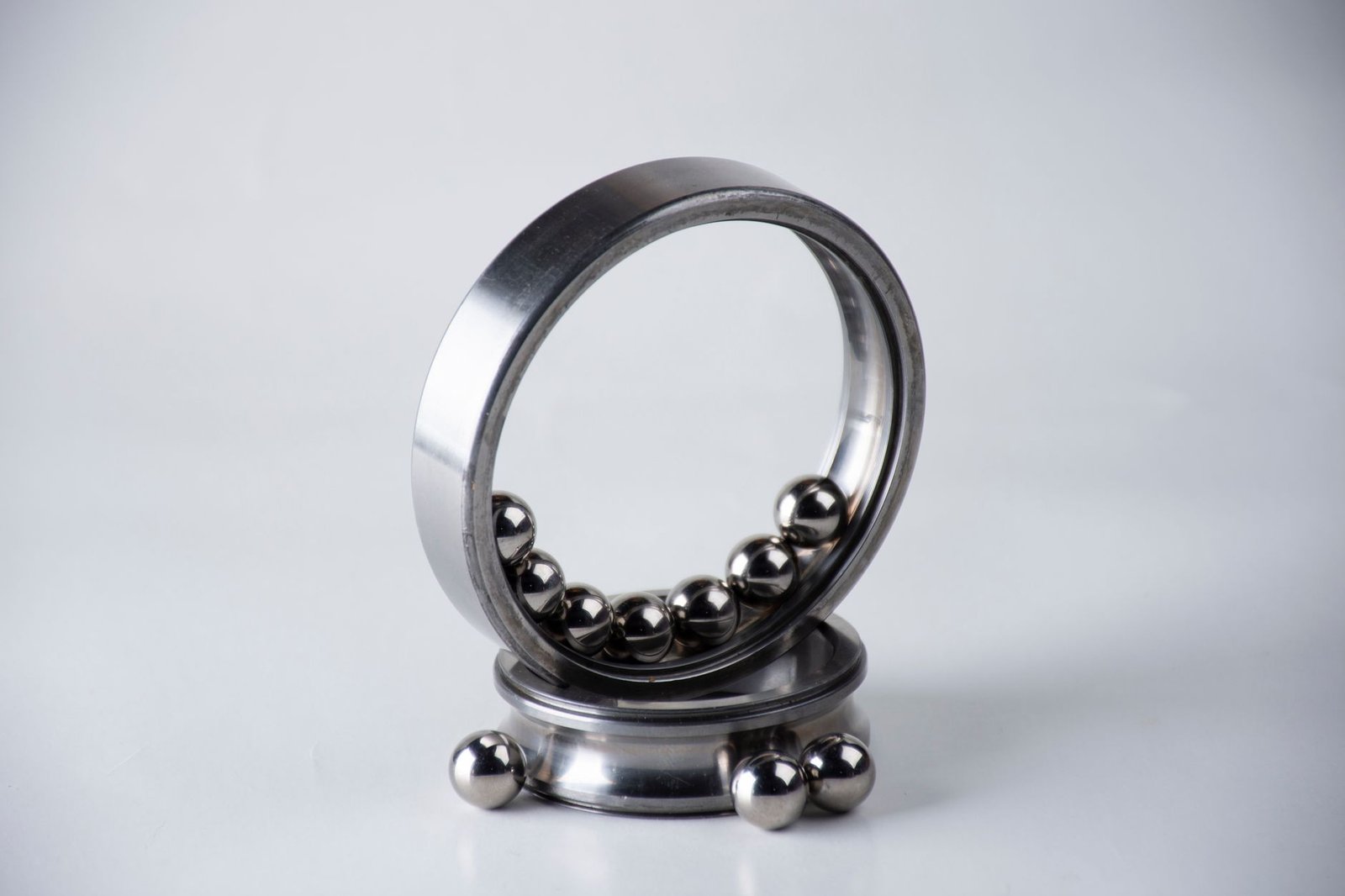
    A thrust bearing with grease seal

    Buying Used Wheel Bearings and Hub Assemblies

    Because a worn bearing is a safety-relevant part, inspection matters more here than on many other used components. Spin the hub by hand and feel for any roughness, grinding, or notchy resistance, which indicates worn rollers or races. Check for any play when you grab the hub flange and try to rock it, since excessive play indicates a bearing that’s already failing. If the unit includes a wheel speed sensor, confirm it’s intact and undamaged, since a cracked or corroded sensor connector is a common issue on otherwise good used hubs.

    A tapered roller bearing

    Why Wheel Bearings Fail

    Wheel bearings are designed to handle enormous radial and axial loads over hundreds of thousands of miles, but a few factors accelerate their wear well beyond normal expectations. Water intrusion past a damaged seal introduces contamination and washes away the internal grease, and this is a particularly common issue in climates with harsh winters, where road salt and slush work their way past aging seals more easily than plain water would. Impacts from potholes or curbs can also damage a bearing’s internal races even without any immediately obvious symptoms, with noise developing gradually over the following weeks or months.

    Manufacturing defects account for a small percentage of failures, but the overwhelming majority of wheel bearing problems trace back to contamination, physical impact damage, or simply reaching the end of a long, normal service life.

    Front vs. Rear Wheel Bearings

    Front wheel bearings on most modern vehicles tend to wear faster than rear ones, particularly on front-wheel-drive cars, since the front bearings handle both the vehicle’s weight and the additional stress of steering and, on driven wheels, power transfer. Rear wheel bearings on a front-wheel-drive vehicle are often simpler, non-driven units that see comparatively less stress and tend to last longer as a result.

    On all-wheel-drive and four-wheel-drive vehicles, this distinction narrows considerably, since power is transferred to all four wheels rather than concentrated on the front pair, which tends to even out wear across all four corners over the vehicle’s life. This is worth keeping in mind when budgeting for replacement, since an AWD vehicle showing bearing symptoms on one corner is statistically more likely to need attention on other corners before too long.

    Cost of Replacement: Sealed Units vs. Serviceable Bearings

    Sealed hub assemblies typically cost more per unit than old-style serviceable bearings did, since you’re replacing the entire assembly, including the hub flange and often an integrated sensor, rather than just the bearing races and rollers. However, labor time is usually lower with a sealed unit, since there’s no packing grease or adjusting bearing preload involved, which can offset some of the higher parts cost depending on the specific vehicle and shop labor rates.

    Where Englewood Used Auto Parts Fits In

    Every wheel bearing and hub assembly we sell is spun and checked for play and roughness before it’s cataloged, including verifying any integrated wheel speed sensor is intact. Browse our used auto parts inventory or call ahead with your VIN to confirm current availability, particularly if you need a matched pair for the front or rear axle.

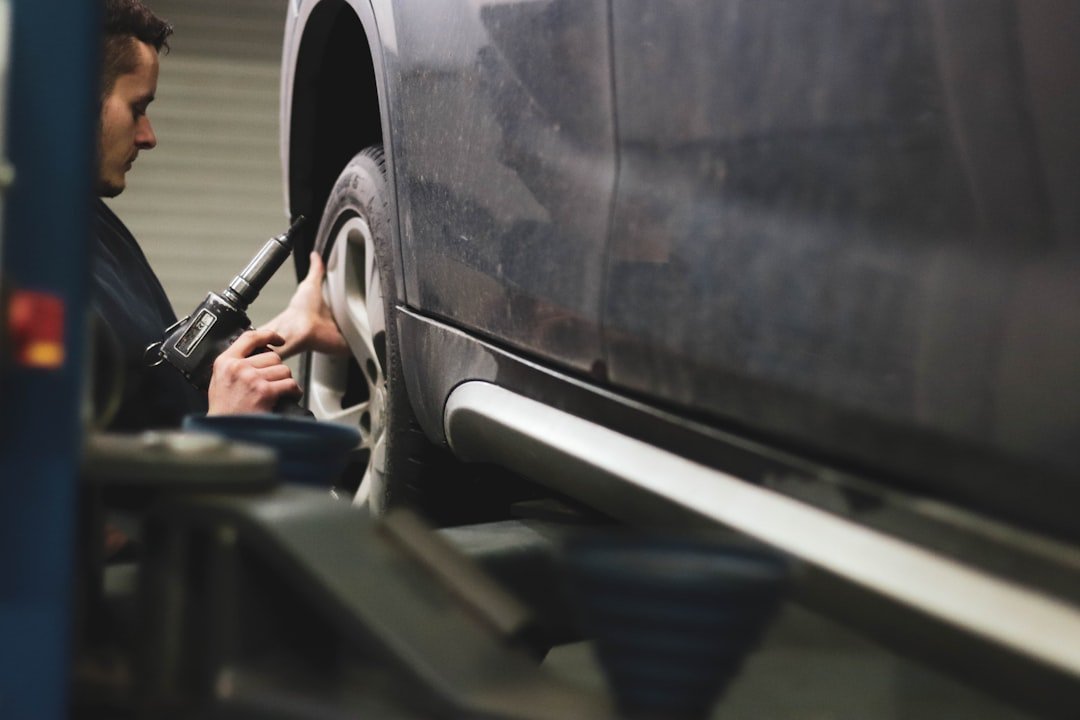
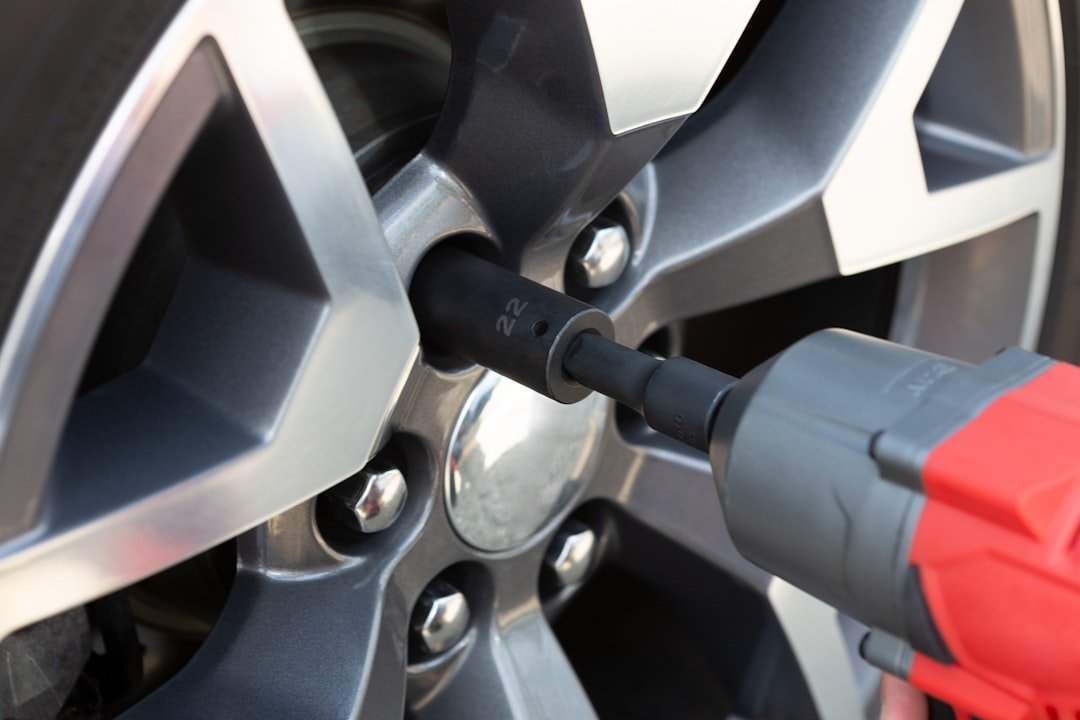
    An impact wrench on a wheel lug

    Not sure how to confirm your VIN before ordering? Our VIN and vehicle compatibility guide covers exactly what to check, and our brake parts guide covers the rotor and caliper components that share the same corner of the vehicle and are often serviced together. If the noise is more of a whine or clunk from underneath rather than from a specific wheel, our driveshaft and differential guide covers that separate diagnosis.

    Frequently Asked Questions

    What does a bad wheel bearing sound like?

    A humming, growling, or roaring noise that changes pitch with speed and often gets louder when turning. As it worsens, it can progress to a grinding or clicking sound.

    Can a bad wheel bearing trigger the ABS light?

    Yes, on vehicles where the wheel speed sensor is built into the hub assembly. A failing bearing can affect sensor readings before the noise becomes obvious.

    How do I know which wheel has the bad bearing?

    Weaving gently left and right at a low, safe speed on an empty road can help, since bearing noise typically gets louder when weight shifts onto the affected side. A proper inspection on a lift confirms it.

    Is it safe to buy a used wheel bearing or hub assembly?

    Yes, provided you spin the hub by hand to check for roughness or grinding, check for play when rocking the flange, and confirm any integrated wheel speed sensor is intact and undamaged.

    Can I repack a modern wheel bearing with new grease?

    Not on most modern vehicles. Sealed hub assemblies are integrated units rather than serviceable bearings, so the entire unit is replaced rather than repacked.

    Have a question about a specific wheel bearing or hub assembly for your vehicle, or need help confirming whether it includes a wheel speed sensor? Contact our parts counter and we’ll help you track it down.

  • Shocks & Struts Buying Guide: Symptoms, Testing, and Cost

    Shocks & Struts Buying Guide: Symptoms, Testing, and Cost

    Shocks and struts don’t fail suddenly the way a belt or hose might; they wear down gradually, which means a lot of drivers get used to a bouncier, less controlled ride without ever realizing their suspension has quietly degraded. Here’s how to tell when it’s actually time to replace them, and what’s worth knowing before buying used.

    This guide covers the difference between a shock and a strut, the symptoms of failure, how to test them yourself, and what to expect from a used replacement.

    Shock vs. Strut: What’s the Difference?

    ComponentWhat It DoesStructural Role
    Shock absorberDampens spring oscillation, controls ride motionNot load-bearing; works alongside a separate spring
    StrutCombines a shock absorber with a structural spring mountLoad-bearing; part of the suspension’s structure

    Struts are more common on the front suspension of modern front-wheel-drive vehicles, while shocks paired with separate springs are more common on rear suspensions and older or truck-based platforms. Which one your vehicle has affects both replacement cost and complexity, since a strut replacement often requires resetting the spring’s compression, while a shock swap is usually a simpler bolt-in job.

    Signs Your Shocks or Struts Are Worn

    • Excessive bouncing after hitting a bump, taking more than one or two oscillations to settle.
    • Nose diving forward under braking, or squatting backward under acceleration, more than feels normal.
    • Uneven or cupped tire wear, since worn dampers let the tire bounce against the road rather than staying planted.
    • Visible fluid leaking down the shock or strut body, a clear sign the internal seal has failed.
    • A generally looser, less controlled feeling through corners, sometimes described as the car feeling like it’s “floating.”
    A rusted, leaking shock absorber

    The Bounce Test

    A simple, no-tools way to get a rough read on shock condition: push down firmly on each corner of the car and release. A healthy shock will let the car settle back to its resting height within one bounce, maybe one and a half. If the corner continues bouncing two or three times before settling, that shock or strut has lost most of its damping ability and is a strong candidate for replacement.

    A car cornering in motion blur

    This test isn’t a substitute for a proper inspection, but it’s a fast way to flag a corner that deserves closer attention.

    Strut Mounts and Bearings: An Often-Overlooked Part

    The strut mount, where the top of the strut assembly attaches to the vehicle’s body, contains a bearing that allows the strut to rotate slightly as the wheel turns. A worn strut mount bearing typically shows up as a clunking or creaking noise specifically when turning the steering wheel, distinct from the general bounce-related symptoms of a worn shock or strut itself.

    Strut mount bearing parts

    It’s worth replacing the strut mount at the same time as the strut itself in most cases, since labor to access the area is largely the same either way, and a worn mount will undermine even a brand-new strut’s performance.

    Buying Used Shocks and Struts

    Because shocks and struts are wear items rather than parts that typically fail catastrophically, a used unit’s remaining service life depends heavily on how many miles it had before removal and how it was stored afterward. Visually inspect for fluid leaks, dented or bent housings, and check that the piston rod extends and compresses smoothly without binding or excessive play.

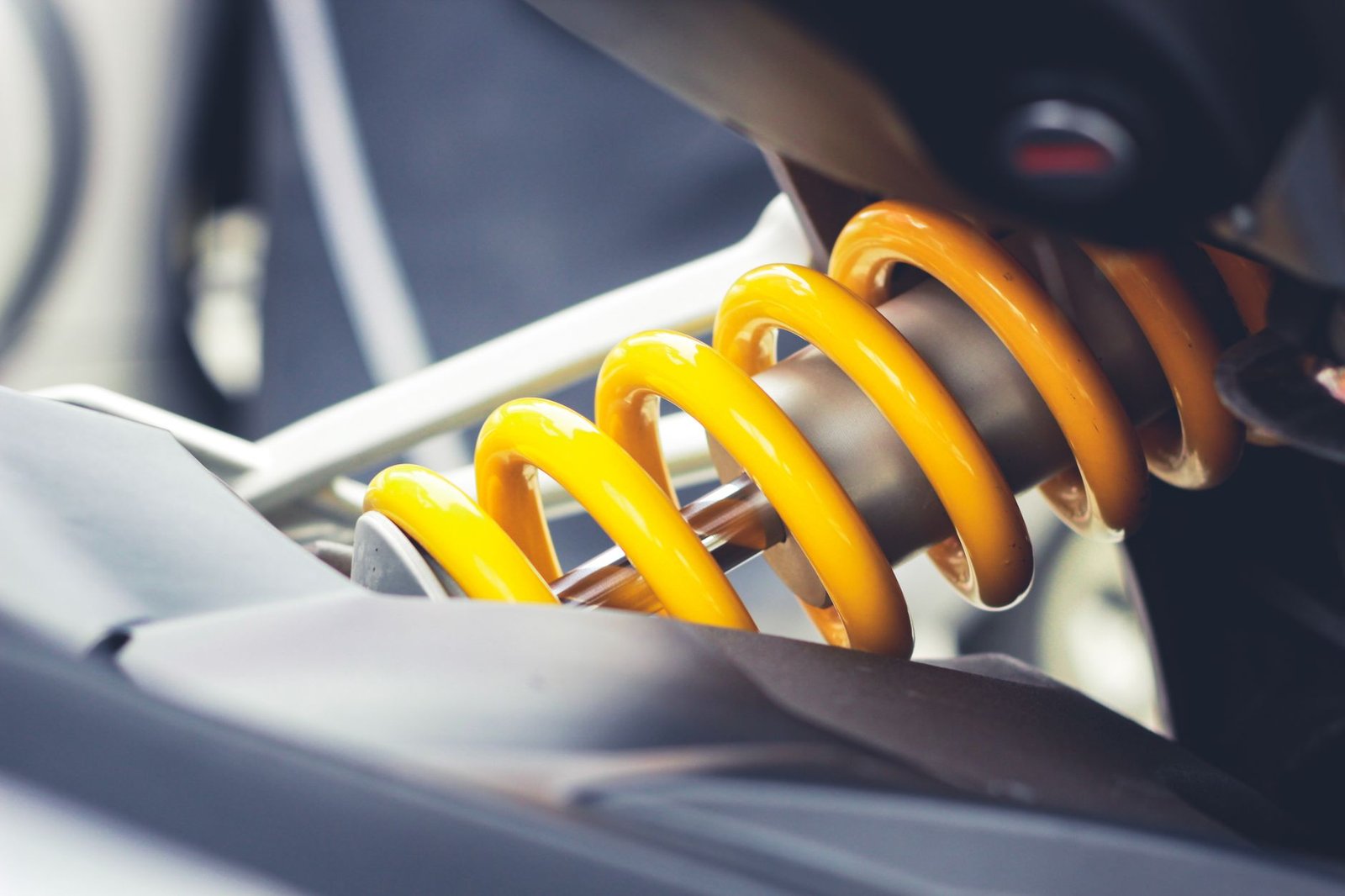
    A gas-charged shock strut

    Gas-charged shocks and struts, which use pressurized nitrogen to reduce foaming and improve response, are generally preferred over older oil-only designs when available, and most modern replacement units use this design regardless of whether the original equipment did.

    How Driving Habits Affect Shock and Strut Life

    Where and how a vehicle is driven has a bigger impact on shock and strut lifespan than most owners realize. Frequent driving on rough or poorly maintained roads, heavy braking habits, and carrying consistently heavy loads all accelerate wear on the damping components well beyond what mileage alone would predict. Two vehicles with identical mileage can have very different shock and strut condition depending entirely on how they were driven.

    This is worth keeping in mind when evaluating a used vehicle or a used shock and strut set: mileage is a starting point for the conversation, not the whole answer. A test drive on rough pavement, paying attention to how the car settles after bumps, tells you more than the odometer reading alone.

    Replacing Shocks and Struts in Pairs

    It’s generally recommended to replace shocks and struts in pairs, left and right on the same axle, even if only one side shows obvious symptoms. Because damping components wear gradually, the “good” side is usually not far behind the failing one, and replacing only one side can create a handling imbalance between the two sides of the vehicle, since one corner will respond differently to bumps and cornering forces than the other.

    This doesn’t mean all four corners need to be replaced simultaneously; front and rear axles can be handled separately if only one end of the vehicle shows wear, but each axle should be treated as a matched pair.

    Cost Considerations: New vs. Used

    New shocks and struts vary widely in price depending on vehicle make and model, with performance or air-suspension-equipped vehicles costing meaningfully more than a standard economy sedan. Used shocks and struts, when properly inspected for leaks and smooth piston travel, offer significant savings while still providing most of the remaining service life of the original part, particularly on higher-end vehicles where new replacement parts carry a steep price premium.

    Where Englewood Used Auto Parts Fits In

    Every shock and strut we sell is inspected for leaks, housing damage, and smooth piston travel before it’s cataloged. Browse our used auto parts inventory or call ahead with your VIN to confirm current availability.

    A pile of rusted old brake drums

    Our suspension parts guide covers the broader suspension system, including control arms and bushings, if you’re inspecting more than just shocks and struts.

    Frequently Asked Questions

    How do I know if I need shocks or struts specifically?

    Check your vehicle’s suspension design. Front-wheel-drive vehicles typically use struts up front, while shocks paired with separate springs are more common on rear suspensions and truck-based platforms. Your owner’s manual or a parts lookup by VIN will confirm which your vehicle uses.

    How long do shocks and struts typically last?

    Most manufacturers estimate 50,000 to 100,000 miles depending on driving conditions and road quality, though gradual wear means many drivers don’t notice the decline until it’s fairly advanced.

    What does the bounce test tell me?

    Pushing down firmly on a corner and releasing it should result in the car settling within one or one and a half bounces. More than that suggests the shock or strut has lost significant damping ability.

    Should I replace the strut mount when replacing the strut?

    In most cases yes, since labor to access the area is largely the same either way, and a worn mount will undermine the performance of even a brand-new strut.

    Is it safe to buy used shocks and struts?

    Yes, provided you check for fluid leaks, dented housings, and smooth piston travel without binding. A used unit free of these issues performs comparably to new for a fraction of the cost.

    Have a question about a specific shock or strut for your vehicle? Contact our parts counter and we’ll help you track it down.

  • Used Buick & Cadillac Parts Guide: Common Models and Trouble Spots

    Used Buick & Cadillac Parts Guide: Common Models and Trouble Spots

    Buick and Cadillac occupy the near-luxury and full-luxury tiers of General Motors’ lineup, which means more standard comfort and convenience features than a comparably priced economy model, but also a few more systems that can develop issues as the vehicle ages. Here’s what we typically see with these models and where the parts differ from GM’s more mainstream offerings.

    This guide covers common Buick and Cadillac models, the extra comfort and convenience systems worth knowing about, and where these vehicles share parts with the rest of the GM lineup versus where they truly don’t.

    Common Buick and Cadillac Models We Stock Parts For

    ModelNotes
    Buick EnclaveMidsize crossover; shares its platform with several other GM SUVs
    Buick LaCrosseSedan positioned above mainstream GM sedans, discontinued in recent years
    Cadillac EscaladeFull-size SUV built on a shared GM truck platform, popular for parts due to that shared architecture
    Cadillac CTS / CT5Cadillac’s sport sedan lineup, with more unique chassis and engine components than the SUVs

    Shared Platforms Within GM

    One of the more useful things to know about Buick and Cadillac parts is how much they share with other GM vehicles under the hood, even when the badge and interior trim look completely different. The Cadillac Escalade, for example, shares its basic platform, suspension, and drivetrain architecture with GM’s full-size trucks and SUVs, which means a much deeper used parts pool than the Escalade badge alone might suggest.

    A vintage chrome grille closeup

    Sedans and crossovers tend to share less across brands than the trucks and SUVs do, so it’s worth confirming interchange on a part-by-part basis rather than assuming broadly.

    Air Suspension and Ride Control Systems

    Higher trim levels on several Buick and Cadillac models offer an available air suspension system in place of conventional steel springs, providing a smoother ride and self-leveling capability. Air suspension components wear differently than conventional springs and shocks, and a failing air spring typically shows up as a sagging corner or a compressor that runs more frequently than normal trying to maintain ride height.

    A chrome shock spring

    Used air suspension parts are less common in the supply chain than conventional strut and spring parts, simply because fewer vehicles are originally equipped with the option, so it’s worth calling ahead to confirm availability rather than assuming it’s in stock.

    Common Trouble Spots by System

    • Transmission fluid coolers and lines see slightly more stress on the Escalade and other truck-based models due to their higher curb weight and towing capability.
    • Climate control modules on higher trims with dual-zone or tri-zone automatic climate control can develop calibration issues that mimic a mechanical HVAC problem.
    • Power seat motors and tracks, standard on most trims, are a common wear item given how much more frequently they’re used compared to a manual seat.
    • Infotainment and electrical systems on newer Cadillacs are more complex than on mainstream GM models, which can mean longer diagnostic times when something goes wrong.
    A transmission cutaway

    Interior Comfort Features Worth Knowing

    Because these models are positioned above mainstream GM trims, they tend to come standard with features that are optional or unavailable elsewhere: heated and ventilated seats, heated steering wheels, and multi-zone automatic climate control among them. When sourcing a used interior part, confirm the exact feature set on the donor vehicle matches what you need, since a base cloth seat won’t share the same wiring harness as a heated leather seat even in the same body style.

    A car climate control panel

    Engine Options Across the Lineup

    Buick and Cadillac’s engine lineup has ranged from conventional four-cylinder and V6 options shared with mainstream GM models to Cadillac-specific V8 engines used in performance-oriented trims. The more mainstream engines tend to be easier to source used parts for simply due to higher production volume, while performance-specific V8 variants can take longer to find, particularly for internal components rather than bolt-on accessories.

    When shopping for a used engine, confirm the exact engine code rather than assuming compatibility based on the model name alone, since some models offered multiple engine choices across their production run, and a V6 and V8 variant of the same body style will not share major components. A VIN decode is the fastest way to confirm exactly which engine your specific vehicle left the factory with.

    Power Seats, Locks, and Convenience Motors

    Because these trims come standard with more powered convenience features than mainstream GM models, there are simply more small motors and actuators that can eventually wear out: power seats with memory presets, power-folding mirrors, and power liftgates among them. Most of these failures are isolated to a single motor or actuator rather than indicating a broader electrical problem, and used replacements are generally straightforward to source given the popularity of these trims in the used parts market.

    A power seat that moves in some directions but not others usually points to a specific motor within the seat track assembly rather than the entire seat needing replacement, which keeps repair costs more reasonable than the complexity of the feature set might suggest. The same logic applies to power-folding mirrors and liftgates: isolate which specific motion is failing before assuming the whole assembly needs to be replaced.

    Where Englewood Used Auto Parts Fits In

    Every single Buick and Cadillac part we sell, including higher-trim comfort and convenience components, is tested before it’s cataloged. Browse our used auto parts inventory or call ahead with your VIN to confirm current availability, especially for less common options like air suspension parts or performance-specific V8 engine components.

    An alloy wheel closeup

    Not sure how to confirm your VIN before ordering? Our VIN and vehicle compatibility guide covers exactly what to check, and our interchange parts guide explains which parts are likely to carry over from other GM models, particularly for truck-based platforms like the Escalade where shared architecture runs deeper than the badge suggests.

    Frequently Asked Questions

    Do Cadillac Escalade parts interchange with GM trucks?

    Many do, since the Escalade shares its basic platform, suspension, and drivetrain architecture with GM’s full-size trucks and SUVs. This gives the Escalade a deeper used parts pool than the badge alone might suggest.

    How do I know if my air suspension is failing?

    A sagging corner, an uneven ride height, or a compressor that runs more frequently than normal trying to maintain height are the most common signs. These parts are less common in the used supply chain than conventional springs and struts.

    Are Buick and Cadillac interiors harder to source parts for?

    Not necessarily harder, but you do need to confirm the exact feature set, since heated, ventilated, or multi-zone climate components have different wiring than base equivalents even within the same body style.

    Do Buick and Cadillac sedans share parts with each other?

    Less than you might expect. Sedans and crossovers tend to share fewer parts across brands than trucks and SUVs do, so confirm interchange part by part rather than assuming broadly.

    Are Cadillac electrical systems harder to diagnose?

    They can take longer than mainstream GM models simply due to added complexity in infotainment and multi-zone climate systems, though the underlying diagnostic process is similar.

    Have a question about a specific Buick or Cadillac part, or need help confirming what interchanges with your specific trim level? Contact our parts counter and we’ll help you track it down.