If your car clicks or clunks when you turn, especially in a parking lot at low speed, a worn CV axle or CV joint is one of the most common causes. These parts are easy to overlook until they fail, but they’re also one of the more affordable and straightforward drivetrain repairs, especially when you buy a tested used unit instead of new.
This guide covers what CV axles and joints do, the symptoms of a failing one, what to check before buying a used axle, and what fair pricing looks like.
What CV Axles and Joints Do
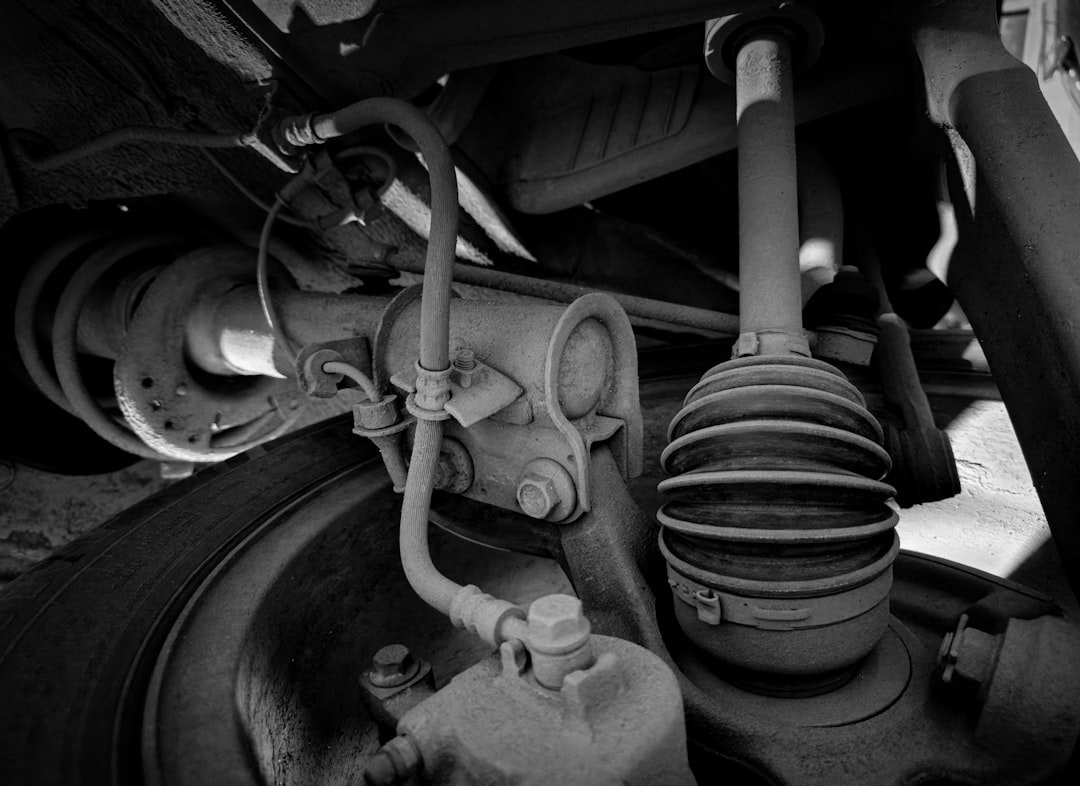
On front-wheel-drive and all-wheel-drive vehicles, CV (constant velocity) axles transfer power from the transmission to the wheels while allowing for suspension travel and steering angle changes. Each axle has two CV joints, an inner joint near the transmission and an outer joint near the wheel hub, both wrapped in a flexible rubber or thermoplastic boot that keeps grease in and dirt out.
Rear-wheel-drive vehicles use a different setup with a driveshaft and universal joints, but many modern rear-drive and all-wheel-drive vehicles still use CV-style joints at the wheels for the same reason: to handle both rotation and angle change smoothly. All-wheel-drive vehicles typically have CV axles at both the front and rear, which means diagnosing a noise or vibration sometimes requires figuring out which end of the vehicle is actually affected before you can order the right part.
Common Symptoms of a Failing CV Axle
| Symptom | Likely Cause | Urgency |
|---|---|---|
| Clicking or popping when turning | Worn outer CV joint, often from a torn boot that let grease escape and dirt in | Moderate — address before the joint fails completely |
| Grease flung on the inside of a wheel or wheel well | A torn or cracked CV boot leaking grease | Moderate — inspect and replace the boot or axle soon |
| Vibration that gets worse with speed | Worn inner CV joint or a bent axle shaft | Moderate to high depending on severity |
| Clunking when shifting from drive to reverse | Worn inner CV joint or excessive axle play | Moderate — can worsen quickly |
Why a Torn Boot Is the Real Warning Sign
A CV joint itself is a durable, sealed component under normal conditions. What actually causes most CV axle failures is a torn or cracked rubber boot, which lets the joint’s grease escape and allows road grit and water in. Once contamination gets into the joint, wear accelerates quickly, and what started as a fixable boot problem becomes a full axle replacement.
This is why a visual inspection of the boot is one of the simplest and most valuable checks a driver can do. A torn boot caught early, before it starts clicking, can sometimes be repaired with just a new boot and grease rather than a full axle. Once you hear clicking, though, the joint itself is usually already damaged and the whole axle typically needs to be replaced.
Inner vs. Outer Joints: Why the Distinction Matters
The inner and outer CV joints on the same axle often wear differently and can fail for different reasons. The outer joint, closer to the wheel, handles the steering angle and tends to be the source of clicking noises when turning. The inner joint, closer to the transmission, primarily handles suspension travel and is more often the source of a clunk when shifting from drive to reverse or a vibration that worsens with speed.
Because of this, a mechanic diagnosing a noise complaint will usually try to isolate which joint is failing before recommending a replacement, since some axle assemblies are sold as a complete unit while others allow just the affected joint and boot to be serviced separately. Ask your seller which configuration applies to your vehicle, since it can meaningfully affect both cost and repair time.
What to Check Before Buying a Used CV Axle
- Confirm the exact axle side (left or right, front or rear) and drivetrain configuration, since axles are not interchangeable side to side.
- Ask whether the boots on the used axle are intact and whether the joints were tested for play or noise before it was cataloged.
- For all-wheel-drive vehicles, confirm whether you need a front, rear, or center axle, since these often differ significantly.
- If you’re only replacing a torn boot rather than the whole axle, ask whether a boot-and-grease kit is available separately, which is typically far cheaper than a full axle.
Typical Costs: Used vs. New
| Part | Typical Used Price | Typical New/Dealer Price |
|---|---|---|
| CV axle assembly (each) | $40–90 | $120–300 |
| CV boot and grease kit | $15–30 | $25–50 |
| Rear CV axle (AWD) | $60–120 | $200–450 |
Warranty Coverage
Reputable sellers typically offer 30 to 90 days on used CV axles. Since a failed axle can affect handling and safety, ask specifically whether the joints were tested for play or noise, not just visually inspected, before the axle was cataloged. The NHTSA notes that worn drivetrain and steering components are a common source of preventable roadside breakdowns, which is one more reason this isn’t a part worth skimping on.
Where Englewood Used Auto Parts Fits In
We stock used CV axles inspected and tested for joint play and boot condition before they’re cataloged by make, model, and side, and backed by a warranty. Because axles come off donor vehicles across a wide range of makes and mileage, we can usually offer a range of options at different price points depending on how much life you need out of the part. Browse our used auto parts inventory or call ahead with your VIN to confirm current availability.
If you suspect a broader suspension issue alongside CV axle symptoms, our suspension parts guide covers the related inspection checklist. And our VIN and vehicle compatibility guide covers how to confirm the exact axle configuration for your vehicle before you order. If the noise is more of a hum that changes with speed rather than a click when turning, our wheel bearing and hub assembly guide covers that separate diagnosis. And if you’re dealing with a rear-wheel-drive or 4WD vehicle rather than front-wheel-drive, our driveshaft and differential guide covers the equivalent rear-axle power transfer components.
Frequently Asked Questions
What does a clicking noise when turning mean?
It usually indicates a worn outer CV joint, often caused by a torn boot that let grease escape and dirt into the joint. This should be addressed before the joint fails completely.
Can I just replace the CV boot instead of the whole axle?
If the boot is caught torn early, before any clicking or noise develops, a boot-and-grease kit alone can sometimes fix the problem. Once the joint has already been contaminated and is making noise, the whole axle typically needs to be replaced.
How do I know if a used CV axle will fit my vehicle?
Confirm the exact side (left or right), whether it’s a front or rear axle, and your drivetrain configuration, since axles are not interchangeable side to side or between different setups.
Do used CV axles come with a warranty?
Reputable sellers typically offer 30 to 90 days. Ask whether the joints were tested for play or noise, not just visually inspected, before the axle was cataloged.
Is a CV axle repair expensive?
A used CV axle is one of the more affordable drivetrain repairs, typically $40 to $120 depending on the vehicle, compared to $120 to $450 or more for a new one.
Not sure which axle fits your vehicle? Contact our parts counter with your year, make, model, and drivetrain, and we’ll confirm availability and condition before you buy.
Leave a Reply