Flood-damaged vehicles have a way of resurfacing in the used market long after the water recedes, sometimes with a cleaned-up title and no obvious signs of what happened at first glance. Whether you’re buying a whole vehicle or sourcing individual used parts, knowing what flood damage actually looks like helps you avoid a purchase that looks fine on the surface but fails within months.
This guide covers where flood damage actually hides, the signs that go beyond the obvious water line stain, and how a title branding process is supposed to work, and why in practice it doesn’t always catch every affected vehicle.
Where Flood Damage Hides
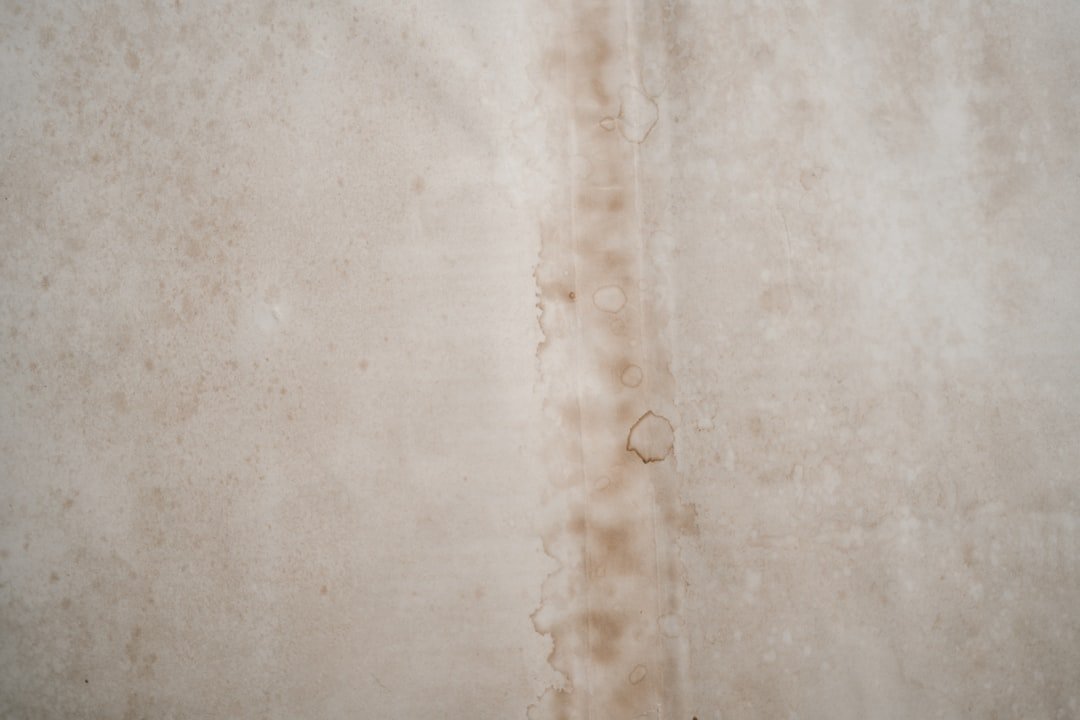
The most obvious sign, a visible water line on the interior upholstery or dashboard, is also the easiest for a seller to disguise with new seat covers or a thorough interior cleaning. The less obvious damage lives in places most buyers never think to check: underneath carpet padding, inside door panels, behind interior trim panels, and in the wiring harnesses that run throughout the vehicle’s electrical system.

Signs That Go Beyond the Water Line
- A musty or moldy smell, especially noticeable with the windows up on a warm day, that air fresheners can mask but not eliminate.
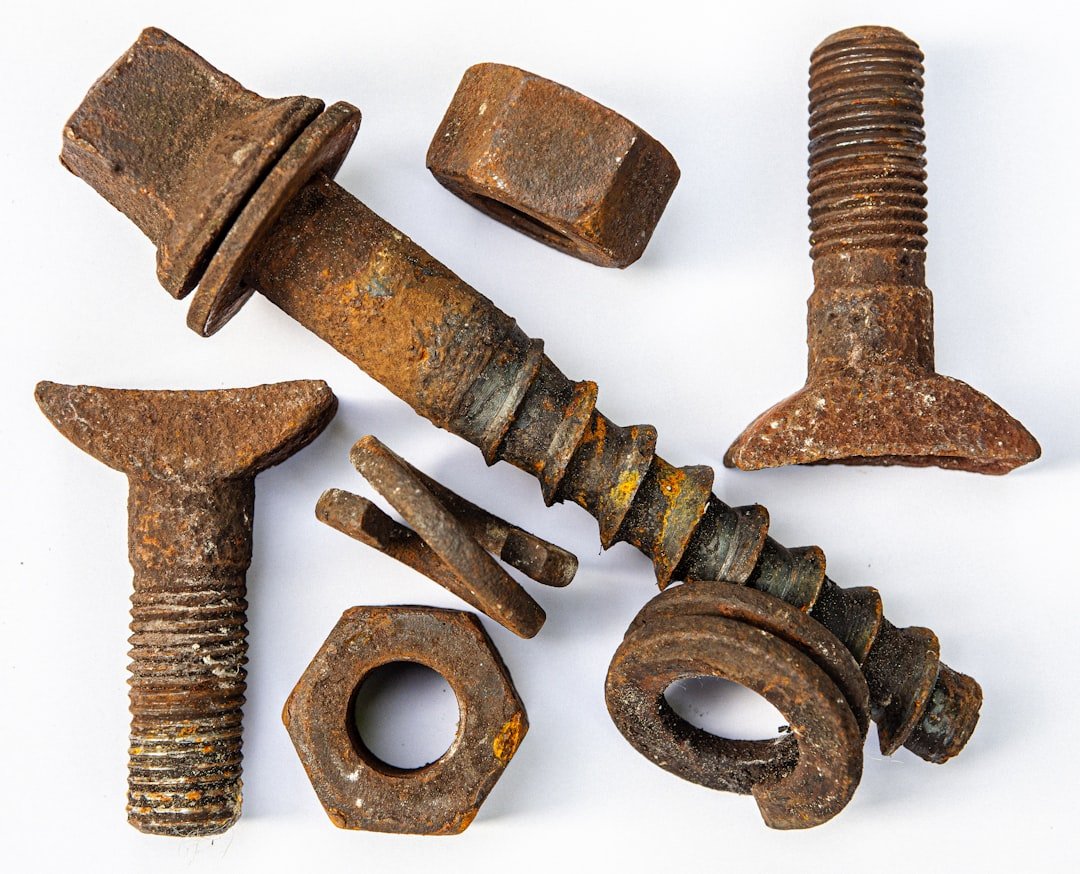
- Rust or corrosion in unusual places: under the dashboard, inside door sills, or on seat mounting bolts and rails, areas that shouldn’t show water exposure on a normal vehicle.
- Mismatched or newer-looking carpet, upholstery, or seat covers that don’t match the rest of the interior’s wear level.
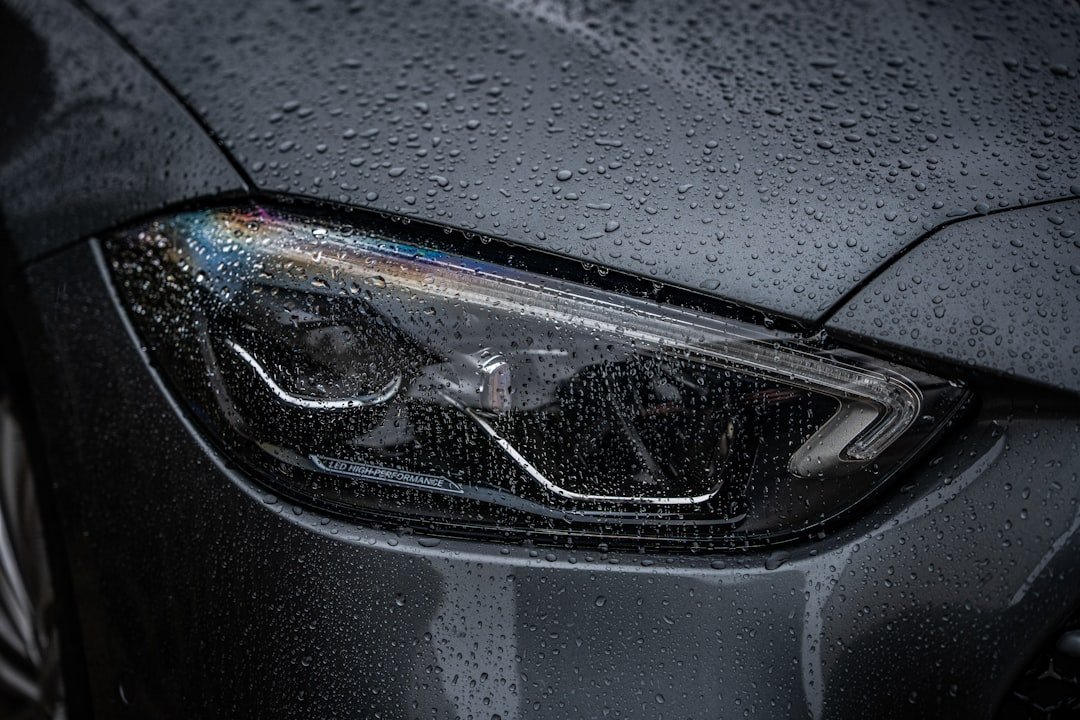
- Condensation or fogging inside headlight or taillight lenses, which can indicate water intrusion into sealed components.
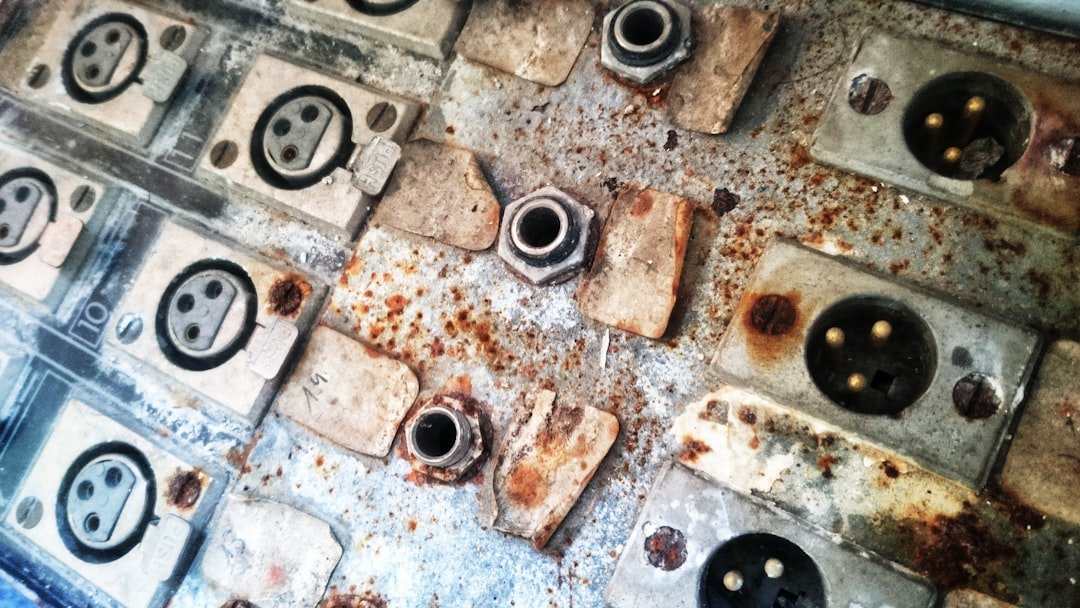
- Corroded or brittle wiring connectors, particularly under the dashboard and in the engine bay, which can cause intermittent electrical problems that are difficult to diagnose.
Checking Bolts and Fasteners
Seat mounting bolts, seatbelt anchor bolts, and fasteners under the carpet are rarely exposed to moisture on a normal vehicle, since they’re protected by the cabin from road spray and weather. Rust or heavy corrosion on these specific fasteners, especially compared to cleaner-looking bolts elsewhere on the same vehicle, is one of the more reliable indicators of past flooding, since a seller focused on cleaning visible surfaces often overlooks these hidden fasteners entirely.
Headlights, Taillights, and Sealed Components
Sealed components like headlight and taillight assemblies aren’t designed to let water in, so condensation or visible moisture inside the lens is a meaningful red flag on a vehicle that shouldn’t have been submerged.
This applies to other sealed electrical components too: relays, fuse boxes, and control modules can all show corrosion internally even when the exterior housing looks completely fine.

Title Branding: What It Should Catch, and What It Misses
When an insurance company declares a vehicle a total loss due to flood damage, the title is supposed to be branded accordingly, similar to a salvage title, flagging the vehicle’s history for future buyers. In practice, this system has gaps: some flood-damaged vehicles are never reported to insurance at all, and title washing, moving a vehicle’s title across state lines to strip a damage brand, remains a real problem in the used vehicle market. A clean title is a helpful data point, but it isn’t a guarantee a vehicle has never been flooded.
Checking Individual Used Parts
Buying individual used parts rather than a whole vehicle doesn’t eliminate flood damage risk, since a flooded vehicle often gets parted out rather than crushed, sending affected components into the same supply chain as parts from vehicles that were never near water. Electrical components deserve particular scrutiny, since flood damage to modules, sensors, and wiring harnesses can cause intermittent problems that are difficult to diagnose after installation, well after any return window has closed.
For mechanical parts like engines and transmissions, water intrusion can cause internal corrosion that isn’t visible from the outside, sometimes not manifesting as a functional problem until well after installation. This is part of why testing matters more than a purely visual inspection for these categories.
Regional Considerations
Flood-damaged vehicles tend to concentrate in the used market following major flooding events, sometimes appearing in states far from where the flooding actually occurred once they’ve been transported and resold. A vehicle’s title history showing registration in a state that experienced recent significant flooding, even if the current title looks clean, is worth a closer look before you commit to a purchase.
This is one reason a vehicle history report, while not foolproof given the limits of title branding discussed above, is still worth checking as one part of a broader inspection rather than skipping it entirely.
When in Doubt, Get a Professional Inspection
If you’re seriously considering a used vehicle and something feels slightly off, a mismatched smell, an interior that looks a bit too clean for its stated mileage, corrosion in an unusual spot, it’s worth paying for an independent pre-purchase inspection specifically looking for flood damage indicators. The cost is small relative to the risk of ending up with a vehicle that develops cascading electrical and mechanical problems over its remaining life.
Where Englewood Used Auto Parts Fits In
Every part we sell is individually inspected, and that inspection includes checking for the kind of hidden corrosion and water damage described above, not just a vehicle’s paperwork. Browse our used auto parts inventory or call ahead with your VIN to confirm current availability, and feel free to ask us directly about a specific part’s inspection history.
Our rust and used parts guide covers corrosion inspection in more general terms, and our salvage title guide covers how title branding actually works for other types of damage too.
Frequently Asked Questions
What’s the most reliable sign of flood damage?
Corrosion or rust in places that shouldn’t normally be exposed to moisture, such as under the dashboard, on seat mounting bolts, or inside door sills, is often more reliable than an obvious water line, which sellers can more easily disguise.
Does a clean title guarantee a vehicle was never flooded?
No. Title washing and unreported flood damage both mean some flood-damaged vehicles slip through without a branded title, so a clean title should be one data point rather than the only check you rely on.
Why check headlight and taillight lenses specifically?
These are sealed components not designed to let water in. Condensation or visible moisture inside the lens is a meaningful red flag, since it suggests the vehicle was exposed to water at a level that shouldn’t occur under normal conditions.
Can a musty smell be fully removed from a flooded vehicle?
Air fresheners and cleaning can mask the smell temporarily, but the underlying moisture and mold in carpet padding and other absorbent materials is difficult to fully eliminate, and the smell often returns, especially in warm or humid conditions.
Should I avoid all vehicles with any corrosion at all?
Not necessarily. Surface rust in expected areas like the undercarriage is completely normal, especially in cold, salt-belt climates. It’s corrosion in unusual, normally-protected locations that signals a real concern.
Have a question about checking a specific used vehicle or part for water damage, or want a second opinion before you buy? Contact our parts counter and we’ll help you figure out what to look for.
Leave a Reply