
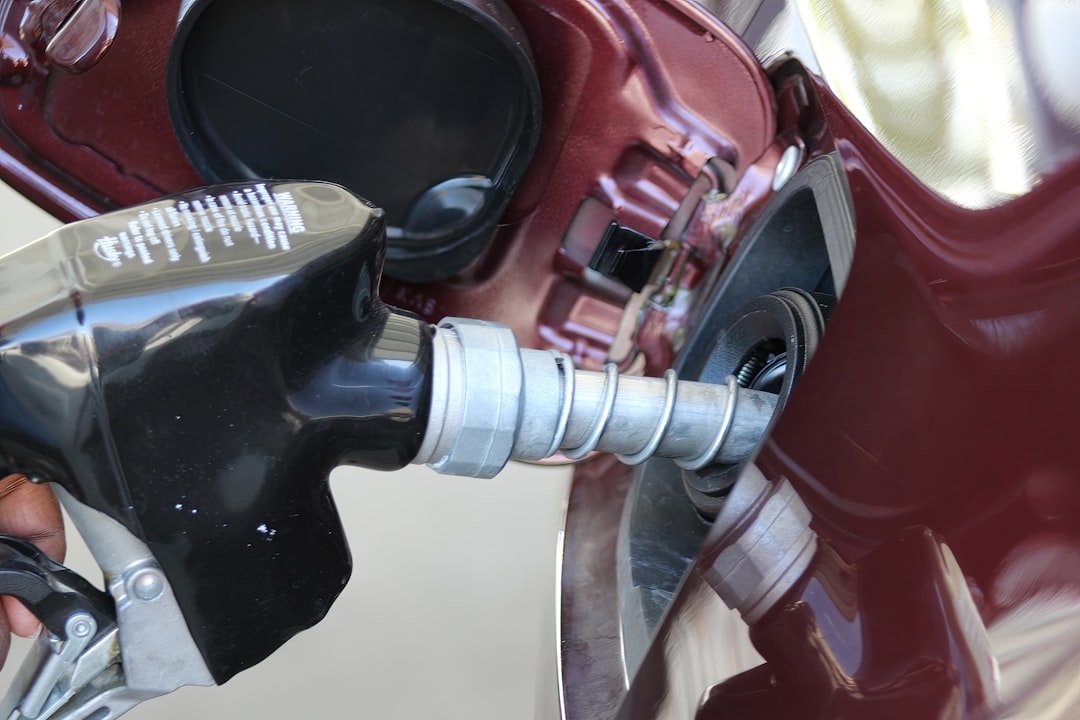
Our fuel pump buying guide covers the part that actually pushes fuel to the engine, but the pump is just one piece of a much larger system: the tank itself, the filler neck, the sending unit that reports fuel level, and the lines that carry fuel forward toward the engine. This guide covers those surrounding components and what tends to go wrong with each one.
We’ll cover the fuel tank and filler neck, the sending unit and fuel gauge connection, fuel lines, and what’s worth buying used versus new.
The Fuel Tank and Filler Neck
Modern fuel tanks are almost universally plastic rather than metal, which resists rust and corrosion far better than older steel tanks did, though plastic tanks can still develop stress cracks over time, particularly near mounting points and seams. The filler neck, the tube you insert the gas pump nozzle into, is a common point of failure on its own, since it’s exposed to road salt, moisture, and the physical stress of repeated fuel nozzle insertion over the vehicle’s life.
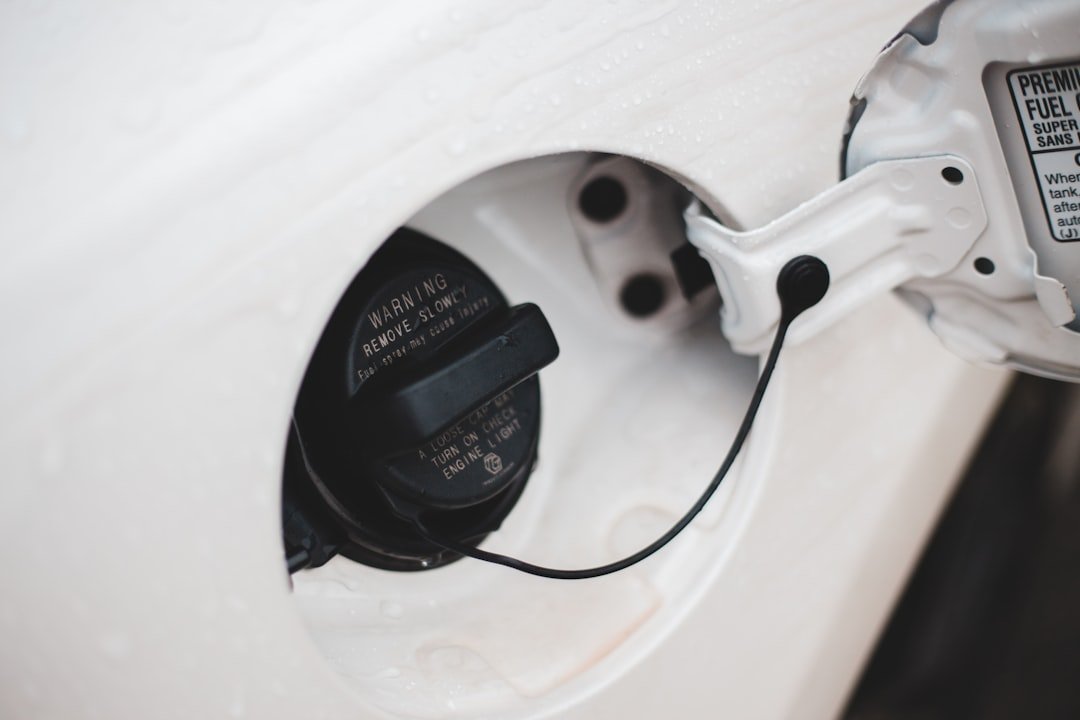
A rusted-through filler neck on an older vehicle with a metal tank, or a cracked plastic filler neck, typically shows up as a fuel smell around the fuel door or visible staining, and is worth addressing before it worsens into an actual leak.
The Fuel Sending Unit
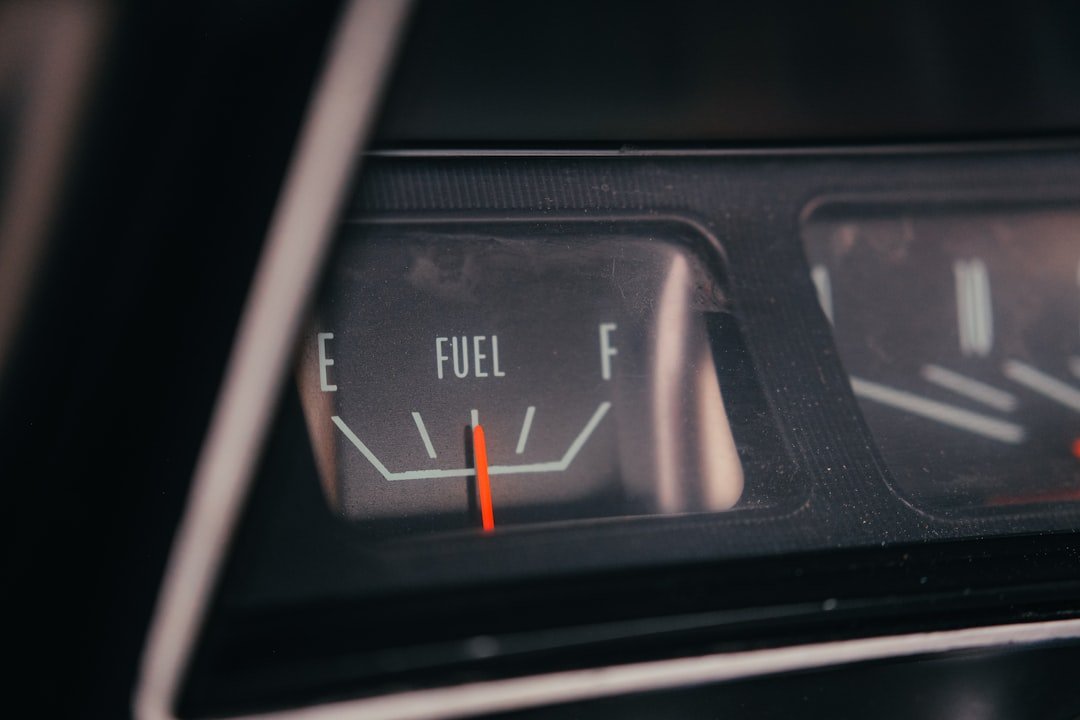
The sending unit, usually mounted inside the tank alongside the fuel pump, uses a float arm to measure fuel level and report it to your dashboard gauge. A fuel gauge that reads inaccurately, sticks at one level, or bounces around while driving usually points to a worn sending unit rather than the gauge itself or the tank’s actual fuel level.
| Symptom | Likely Cause |
|---|---|
| Gauge always reads empty regardless of actual fuel level | Sending unit failure, or a wiring issue between the tank and gauge |
| Gauge reads full and never moves | Stuck float arm or a wiring short |
| Gauge fluctuates or bounces while driving | Worn sending unit contacts, or fuel sloshing against a partially stuck float |
Fuel Lines: Rubber vs. Steel
Fuel systems use a combination of rigid steel or nylon lines for most of the run, with short rubber sections at points requiring flexibility, such as near the engine or where the line crosses the frame. Rubber sections dry out and crack with age and heat exposure, while steel lines are more prone to rust in salt-belt climates, particularly at crimped fittings where moisture tends to collect.
A fuel smell without any visible puddle often traces back to a small crack in a rubber line section rather than the tank itself, since fuel vapor can escape well before an actual liquid leak becomes visible.
Fuel line fittings themselves can also be a source of leaks over time, particularly at quick-connect couplings used on many modern vehicles, where an aging O-ring seal inside the fitting deteriorates even when the rest of the line looks perfectly fine. Replacing just the O-ring is often sufficient in these cases, avoiding the need to replace the entire fuel line.
Buying Used: What Makes Sense
- Fuel tanks: generally safe to buy used if free of visible cracks, dents affecting capacity, and rust-through on older metal tanks. Confirm the sending unit and pump are compatible or included.
- Sending units: reasonable to buy used if tested for accurate resistance readings across the float’s range of motion, though these are inexpensive enough new that many owners skip sourcing used.
- Fuel lines: generally recommended new, given their low cost and the safety implications of a line failure while driving.
The EVAP System and Fuel Vapor Recovery
Modern vehicles include an evaporative emissions system, commonly called EVAP, designed to capture fuel vapor rather than releasing it into the atmosphere. A charcoal canister stores vapor from the fuel tank until the engine can burn it during normal operation, and this system includes its own set of hoses, valves, and a purge solenoid, any of which can develop a leak or fail electrically. A loose or faulty gas cap is actually one of the most common EVAP-related check engine light triggers, since the entire system relies on a sealed tank to maintain proper vapor pressure.
Before assuming a more expensive EVAP component has failed, it’s worth simply confirming the gas cap is tightened properly and isn’t cracked or worn at the seal, since replacing a cap costs a small fraction of diagnosing and replacing a purge solenoid or charcoal canister unnecessarily.
Fuel Tank Capacity and Range Considerations
When sourcing a used fuel tank, confirm it matches your vehicle’s original capacity rather than assuming any tank that physically fits the mounting points is correct, since some vehicles offered multiple tank sizes across different trims or model years, particularly trucks with optional long-range tank configurations. A mismatched tank can still bolt in and function, but it may not report fuel level accurately if the sending unit’s float range was calibrated for a different capacity.
This is especially relevant for trucks and vans, where an optional larger tank was sometimes available as a factory option, and mixing components between the standard and optional tank configurations can produce confusing fuel gauge behavior even with a mechanically sound system.
Where Englewood Used Auto Parts Fits In
We stock used fuel tanks and sending units, inspected for cracks, rust, and accurate float operation before they’re cataloged. Browse our used auto parts inventory or call ahead with your VIN to confirm current availability, particularly for trucks and vans where tank capacity can vary by trim.
Not sure how to confirm your VIN before ordering? Our VIN and vehicle compatibility guide covers exactly what to check, and our fuel pump buying guide covers the symptoms and testing for the pump itself.
Frequently Asked Questions
Why does my fuel gauge read inaccurately?
This usually points to a worn fuel sending unit, which uses a float arm to measure fuel level. A gauge that’s stuck, bounces while driving, or always reads empty or full typically traces back to this component rather than the gauge itself.
Is it safe to buy a used fuel tank?
Yes, provided it’s free of visible cracks, dents affecting capacity, and rust-through on older metal tanks. Confirm the sending unit and pump configuration match your vehicle.
Should I replace fuel lines with new or used parts?
New is generally recommended, given the low cost of fuel lines relative to the safety implications of a line failure while driving.
What causes a fuel smell with no visible leak?
Often a small crack in a rubber fuel line section, or a cracked filler neck, letting fuel vapor escape before any liquid leak becomes visible.
Are modern fuel tanks made of metal or plastic?
Almost universally plastic, which resists rust and corrosion better than older steel tanks, though plastic tanks can still develop stress cracks over time near mounting points and seams.
Can a loose gas cap really trigger a check engine light?
Yes. The EVAP system relies on a sealed tank to maintain proper vapor pressure, and a loose or worn gas cap is one of the most common causes of an EVAP-related check engine light.
Have a question about a specific fuel tank or fuel system component for your vehicle, including confirming the correct tank capacity for your trim? Contact our parts counter and we’ll help you track it down.

Leave a Reply