
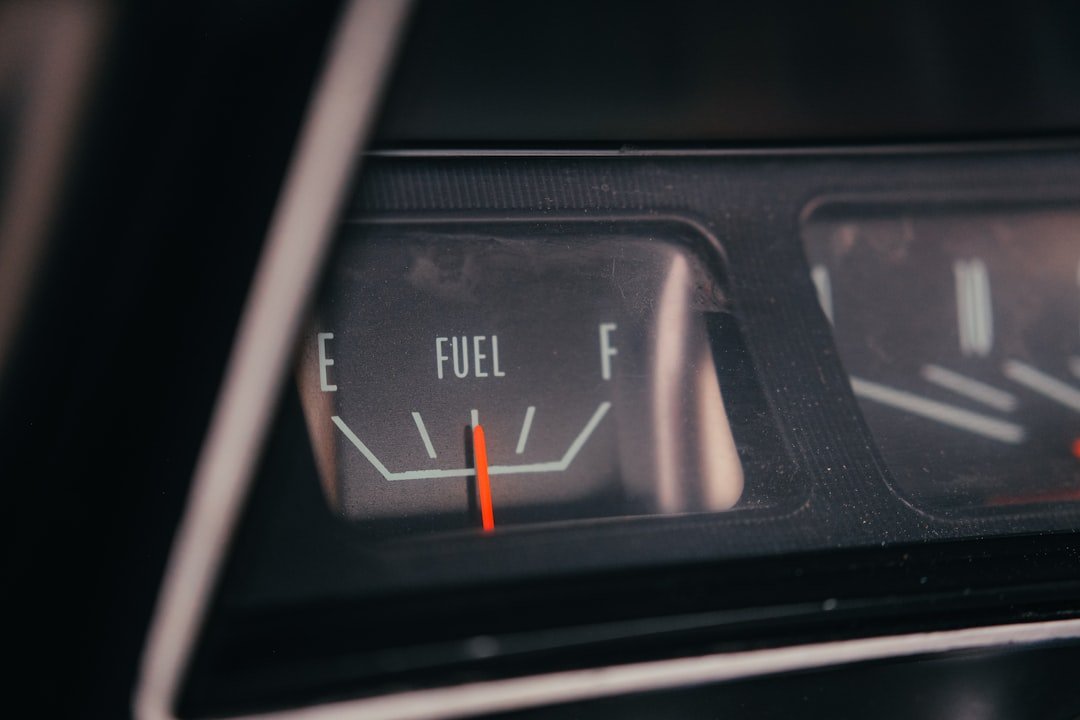
A fuel pump failing is one of the more inconvenient ways a car can let you down, since it often gives some warning before it fails completely but rarely enough warning to plan around. Most fuel pumps today sit inside the fuel tank, which makes replacement more involved than a lot of other repairs, and it also means a habit as simple as regularly running low on gas can shorten a pump’s life.
This guide covers the symptoms of a failing fuel pump, how it’s tested, and what to check before buying a used one.
Common Fuel Pump Failure Symptoms
| Symptom | What It Usually Means | Notes |
|---|---|---|
| Engine cranks but won’t start | No fuel reaching the engine | Listen for the pump’s priming hum when the key is turned to “on” |
| Whining noise from the fuel tank area | Early sign of pump wear | Often precedes a full failure by days or weeks |
| Sputtering or power loss under load | Pump can’t maintain pressure under demand | Common going uphill or during hard acceleration |
| Stalling that resolves after restarting | Pump overheating, often from low fuel level | Frequently driving on a near-empty tank accelerates this |
| Poor fuel economy | Pump not delivering fuel efficiently | Engine compensates by running rich, burning more fuel |
How Fuel Pumps Are Tested
A fuel pressure gauge connected to the system’s test port is the most direct way to check a pump: with the engine running, the pressure should match the manufacturer’s specification, and a reading below spec points to a weak or failing pump. Beyond a pressure check, a technician can also measure current draw, since a healthy pump draws a consistent, predictable amount of current — unusually high draw suggests the pump is straining against wear or a clog, while low or zero draw suggests an open circuit or a seized motor.
Why Running Low on Fuel Shortens Pump Life
Most in-tank electric fuel pumps rely on the fuel itself to keep the motor cool and lubricated. Running the tank consistently low starves the pump of that cooling effect, causing it to run hotter than designed and wear out faster. This is one of the most preventable causes of premature pump failure, and it’s worth knowing if you’re buying a used vehicle or a used pump, since a donor vehicle that was frequently driven on fumes may have contributed a more worn pump than its mileage alone would suggest.
Ethanol Fuel and Pump Wear
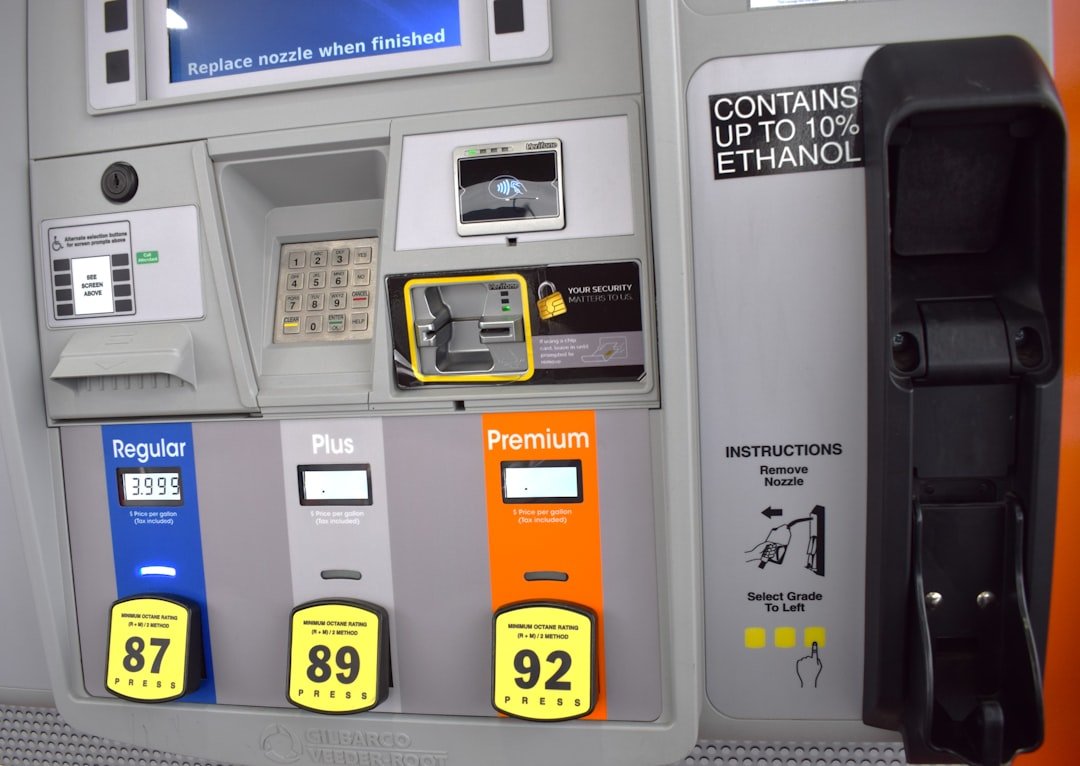
Ethanol-blended gasoline, common as E10 in most U.S. pumps and detailed by the Department of Energy’s Alternative Fuels Data Center, is more prone to attracting water than pure gasoline, which can lead to internal corrosion in a fuel system over time, and it also acts as a mild solvent that can create abrasive debris as it breaks down certain internal seals and coatings. This is a gradual, cumulative effect rather than something that causes sudden failure, but it’s part of why fuel pumps have a finite service life even under normal conditions.
In-Tank vs. Inline: Why Access Matters for Cost
Most modern vehicles use an in-tank electric fuel pump, which means the fuel tank typically has to be dropped, or in some vehicles accessed through a panel under the rear seat, to reach it. This adds labor cost regardless of whether the part itself is used or new, which is worth factoring in when comparing quotes. Older vehicles and some diesel applications use an inline mechanical or electric pump mounted along the fuel line, which is often easier and cheaper to access. Knowing which type your vehicle uses helps set realistic expectations for the total repair cost, not just the part price.
What to Check Before Buying a Used Fuel Pump
- Confirm the exact fuel pump assembly matches your vehicle, since many are integrated with the fuel level sending unit and vary even within the same model year.
- Ask whether the part was tested for pressure output, not just pulled and cataloged based on mileage.
- Replace the fuel filter at the same time if your vehicle has a separate one, since a clogged filter can mimic pump failure symptoms and shorten a new pump’s life.
- Ask about the donor vehicle’s fuel habits if possible — a pump from a vehicle that was rarely run low on fuel is a better bet than one with unknown history.
Typical Costs: Used vs. New
| Part | Typical Used Price | Typical New Price |
|---|---|---|
| Fuel pump assembly (in-tank) | $60–150 | $150–400 |
| Fuel filter (if separate) | $10–25 | $20–50 |

Warranty Coverage
Because a fuel pump is inside the tank and involves real labor to replace, a warranty backed by an actual pressure test result is worth more here than a generic guarantee. Look for at least a 30 to 90 day warranty and confirm what triggers a replacement.
Where Englewood Used Auto Parts Fits In
Every fuel pump we sell is tested for pressure output before it’s cataloged by make, model, and year, and backed by a warranty. Browse our used auto parts inventory or call ahead with your VIN to confirm current availability.
Not sure how to confirm your VIN before ordering? Our VIN and vehicle compatibility guide covers exactly what to check. If the issue turns out to be electrical rather than fuel delivery, our alternator and starter guide covers how to tell the difference. And if your fuel gauge itself is acting up rather than the pump, our fuel tank and fuel system guide covers the sending unit and the rest of the system around the pump.
Frequently Asked Questions
Why does my car crank but not start?
This often points to fuel not reaching the engine, which can mean a failed fuel pump, a blown fuse, or in some cases a failed ignition component. Listening for the pump’s priming hum when you turn the key to “on” is a quick first check.
Does running my car low on gas damage the fuel pump?
Yes, over time. Most in-tank pumps use surrounding fuel for cooling and lubrication, and frequently running low starves the pump of that effect, accelerating wear.
Is ethanol gas bad for fuel pumps?
Ethanol-blended fuel can contribute to gradual internal corrosion and wear compared to pure gasoline, though this is a long-term cumulative effect rather than a sudden failure cause.
How is a fuel pump tested?
A pressure gauge connected to the fuel system’s test port checks output against the manufacturer’s specification. Current draw can also be measured to check for a straining or seized motor.
Do used fuel pumps come with a warranty?
Reputable sellers typically offer 30 to 90 days, ideally backed by an actual pressure test result rather than just a visual inspection.
Why is fuel pump replacement labor so expensive?
Most modern vehicles use an in-tank pump that requires dropping the fuel tank or accessing it through a panel under the rear seat, both of which add labor time regardless of whether the part itself is used or new.
Fuel Pump vs. Fuel Pump Relay
Before replacing a fuel pump, it’s worth ruling out the fuel pump relay, a small, inexpensive electrical component that controls power to the pump. A failed relay produces symptoms nearly identical to a failed pump, including a car that cranks but won’t start, since the pump never receives power to begin with. Because relays are cheap and easy to swap, testing or replacing the relay first, before condemning the pump itself, can save a substantial amount of money and labor if the relay turns out to be the actual culprit.
Could it be the fuel pump relay instead of the pump?
Yes, and it’s worth checking first. A failed relay produces symptoms nearly identical to a failed pump, but relays are inexpensive and simple to test or swap compared to replacing the pump itself.
Not sure which fuel pump fits your vehicle? Contact our parts counter with your year, make, and model, and we’ll confirm availability and condition before you buy.

Leave a Reply