
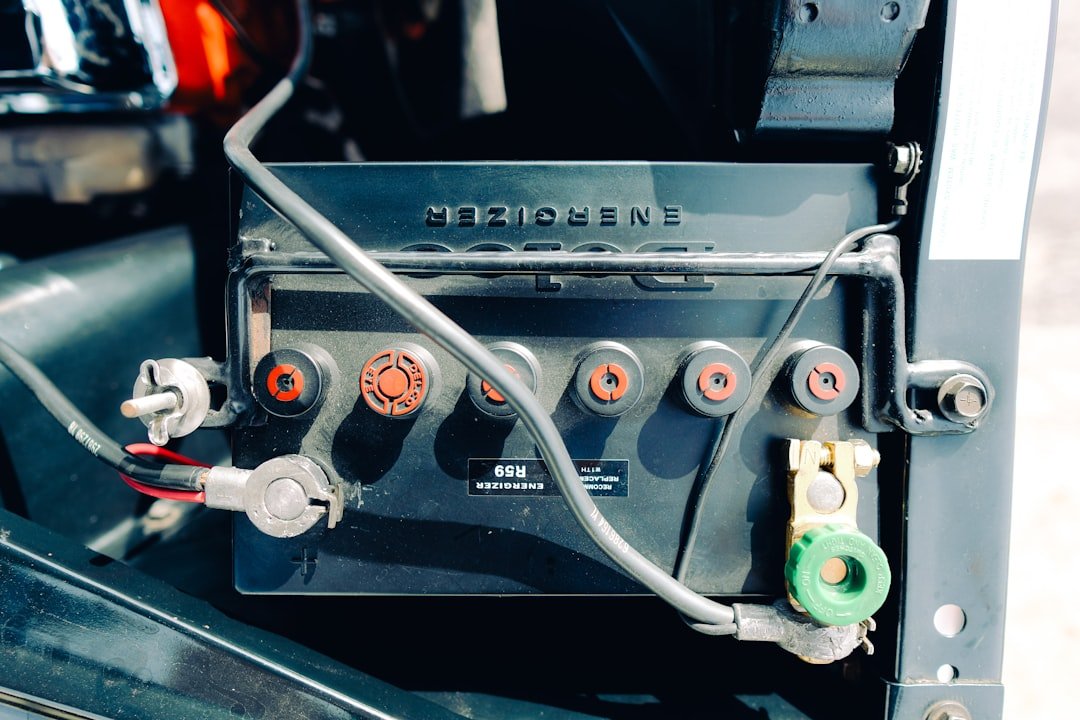
A car that won’t start gets blamed on the battery more often than not, but the alternator and starter are just as often the real culprit. All three work together as a system: the starter cranks the engine, the alternator keeps the battery charged once it’s running, and the battery bridges the gap between the two. Telling them apart before you spend money on the wrong part is most of the battle.
This guide covers how to tell a failing alternator from a failing starter, how each is typically tested, and what to check before buying a used one.
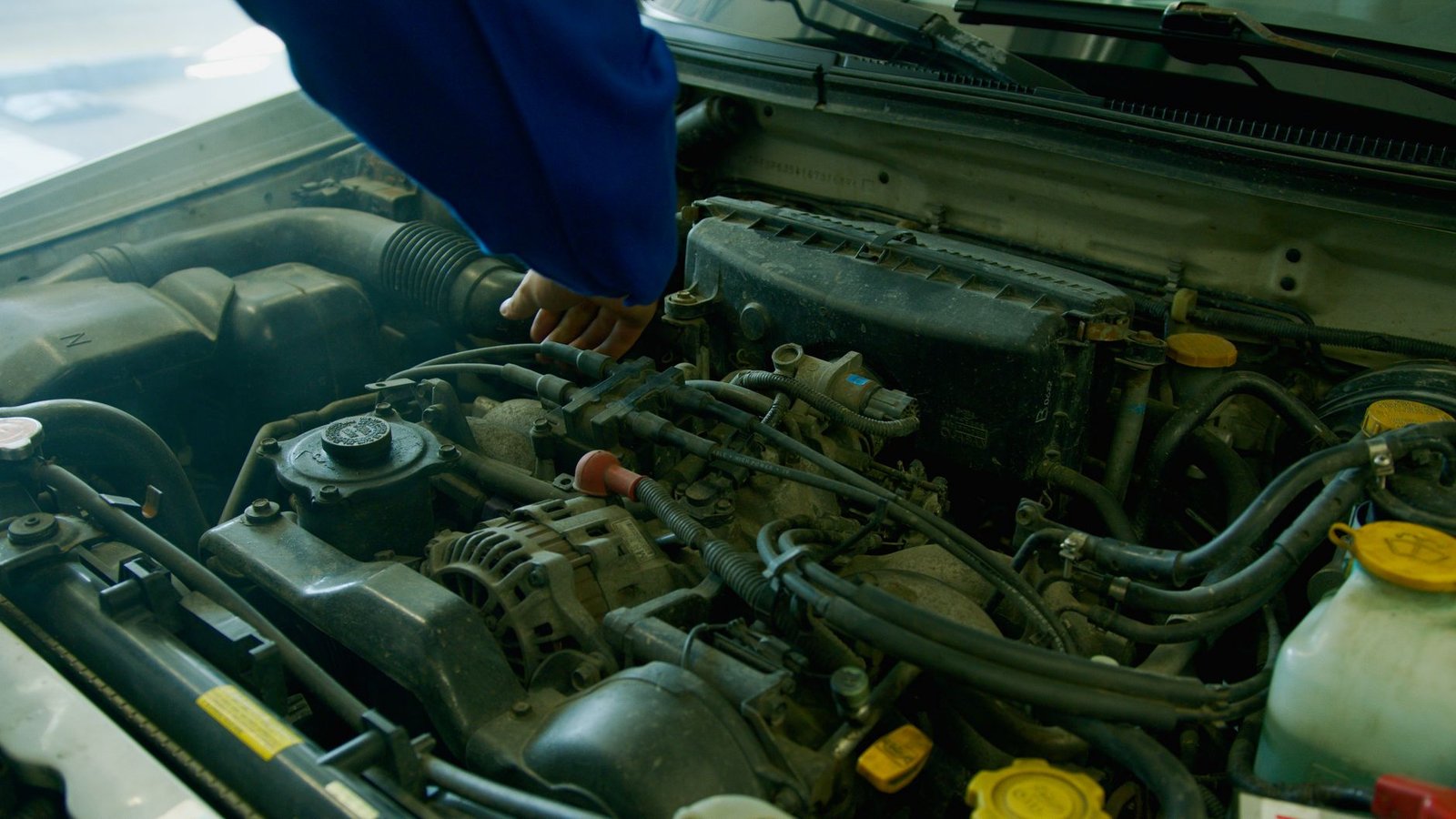
Alternator vs. Starter: Telling Them Apart
| Symptom | Likely Culprit | Why |
|---|---|---|
| Engine won’t crank at all, just a click | Starter (or dead battery) | A single click usually means the solenoid is getting power but the motor isn’t turning |
| Engine cranks slowly, then starts | Weak battery or failing starter | Compare against a known-good battery to isolate which |
| Car starts fine but dies while driving, or battery light comes on | Alternator | Points to a charging system that can’t keep up once the engine is running |
| Headlights dim at idle, brighten when revved | Alternator | Classic sign of an alternator not producing enough output at low RPM |
| Battery keeps dying even though it’s been replaced | Alternator | A good battery with nothing charging it will drain repeatedly |
How Alternators Are Tested
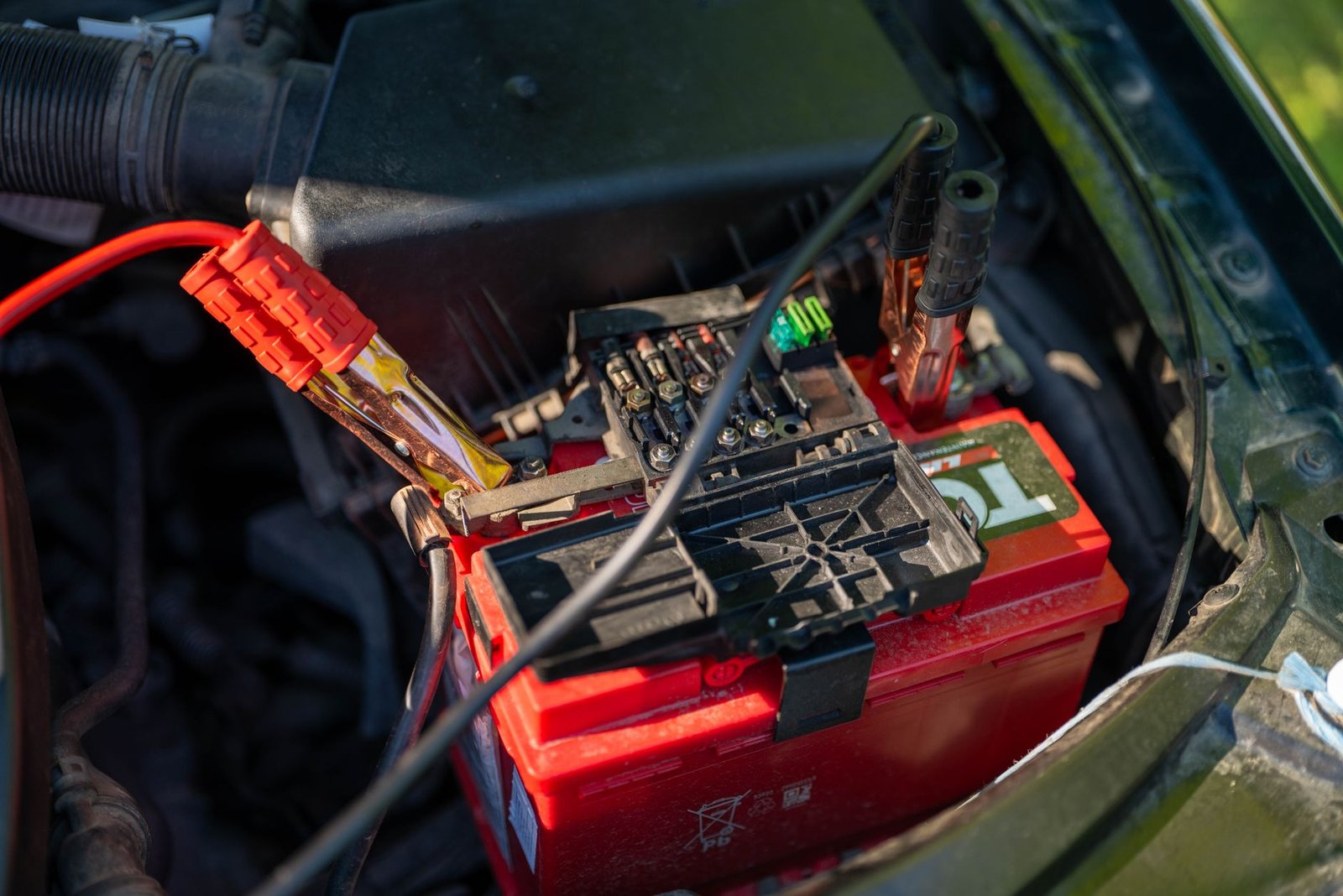
With the engine off, a healthy battery reads around 12.4 to 12.7 volts. With the engine running, the alternator should be pushing that up to roughly 13.8 to 14.4 volts. A reading that stays flat at battery-only voltage with the engine running is a strong sign the alternator isn’t charging. Most parts stores will test an alternator for free if you bring it in, and a reputable used parts seller should be able to show you a bench test result before you buy.
How Starters Are Tested
A starter is usually bench tested by connecting it to a battery and confirming the pinion gear extends and spins the motor at a proper speed. Three outcomes are possible: it spins fast and strong (good), it spins slowly (a sign of internal wear or resistance), or nothing happens beyond a loud click (the motor itself has failed). A starter that works fine cold but fails once the engine is warm is a specific and recognized symptom of internal resistance building up as the component heats.
Belt-Driven vs. Direct-Drive: Why It Matters for Fitment
Alternators are belt-driven on virtually every gas vehicle, connected to the engine via a serpentine or V-belt and pulley. Starters, by contrast, mount directly to the engine or transmission bell housing and engage the flywheel directly through a gear (the “bendix”). Because of this direct mechanical connection, a starter is generally more sensitive to exact engine and transmission pairing than an alternator, which mainly needs to match mounting points, pulley size, and electrical output. When buying either used, confirm the exact engine code and, for a starter, the transmission type as well, since manual and automatic transmissions sometimes use different starter mounting configurations even on the same engine.
What to Check Before Buying a Used Alternator or Starter
- Ask for the bench test result, not just a visual inspection. Both parts should be tested under load, not just spun by hand.
- Confirm the exact amperage rating for an alternator, since higher-output aftermarket electronics or a vehicle with heavy accessory use may need a higher rating than the original spec.
- Check the pulley on an alternator for smooth rotation without noise or excessive play in the bearing.
- Match the part number or confirm compatibility via your VIN rather than assuming visual similarity means it will fit.
Typical Costs: Used vs. New
| Part | Typical Used Price | Typical New/Remanufactured Price |
|---|---|---|
| Alternator | $40–100 | $150–350 |
| Starter | $40–100 | $120–300 |
Warranty Coverage
Because both parts are tested with specialized equipment rather than just inspected visually, a warranty backed by an actual bench test result is worth more here than a generic guarantee. Look for at least a 30 to 90 day warranty and ask specifically what triggers a replacement or refund.
Electrical Systems Are More Standardized Than You’d Think
Modern vehicle electrical systems follow standards developed and maintained by organizations like SAE International, which is part of why a properly tested alternator or starter from one donor vehicle can be a confident, predictable fit for a compatible vehicle rather than a gamble. It’s also why mismatched amperage or voltage output, not just physical fit, matters when confirming compatibility.

Where Englewood Used Auto Parts Fits In
Every alternator and starter we sell is bench tested before it’s cataloged, and backed by a warranty. Browse our used auto parts inventory or call ahead with your VIN to confirm current availability.
Not sure how to confirm your VIN before ordering? Our VIN and vehicle compatibility guide covers exactly what to check. If the battery itself might be the issue, our battery buying guide covers CCA ratings and testing in more depth. And if you’ve shopped for a remanufactured alternator or starter elsewhere and noticed an extra deposit on the receipt, our core charges guide explains what that fee is and how to get it back.
Frequently Asked Questions
How can I tell if it’s my battery, alternator, or starter?
A single click with no cranking usually points to the starter or a dead battery. Dimming headlights that brighten when you rev the engine, or a battery that keeps dying even after replacement, point to the alternator. A shop can isolate the exact cause in a few minutes with a multimeter.
Can I test a used alternator before installing it?
Yes, and you should ask the seller for a bench test result showing charging voltage under load, not just a visual inspection. Most parts stores can also test it for free once it’s installed.
Why does my starter work cold but fail when the engine is warm?
This is a recognized symptom of internal resistance in an aging starter, often related to worn brushes or windings that only fully fail once heated. It usually means the starter is close to complete failure.
What voltage should a healthy alternator produce?
Roughly 13.8 to 14.4 volts with the engine running, compared to about 12.4 to 12.7 volts from the battery alone with the engine off.
Do used alternators and starters come with a warranty?
Reputable sellers typically offer 30 to 90 days, backed by an actual bench test result rather than just a visual inspection. Always confirm what’s covered before you buy.
Does a starter need to match my transmission type?
Often yes. Manual and automatic transmissions can use different starter mounting configurations even on the same engine, so confirm both the engine code and transmission type before buying a used starter.
Electrical issue turned out fine but the AC still isn’t cold? Our AC compressor buying guide covers how to diagnose and fix that separately.
Cranks but won’t start, and the electrical system checks out fine? Our fuel pump buying guide covers the symptoms and testing for fuel delivery issues.
Don’t Forget the Serpentine Belt
Since the alternator is belt-driven, a worn, glazed, or slipping serpentine belt can starve it of the rotational speed it needs to charge properly, producing symptoms that look identical to a failing alternator: dim headlights, a battery light, or a slowly dying battery. Before replacing a used alternator, it’s worth inspecting the belt for cracking, glazing, or visible slack, since a belt fix is far cheaper than an alternator replacement and won’t be solved by installing a new charging component.
Can a bad serpentine belt mimic alternator problems?
Yes. A worn or slipping belt can prevent the alternator from spinning fast enough to charge properly, producing symptoms like dim headlights or a dying battery that look identical to alternator failure.
Not sure whether you need an alternator, starter, or battery? Contact our parts counter with your year, make, and model, and we’ll help you figure out which one is the actual problem.

Leave a Reply