
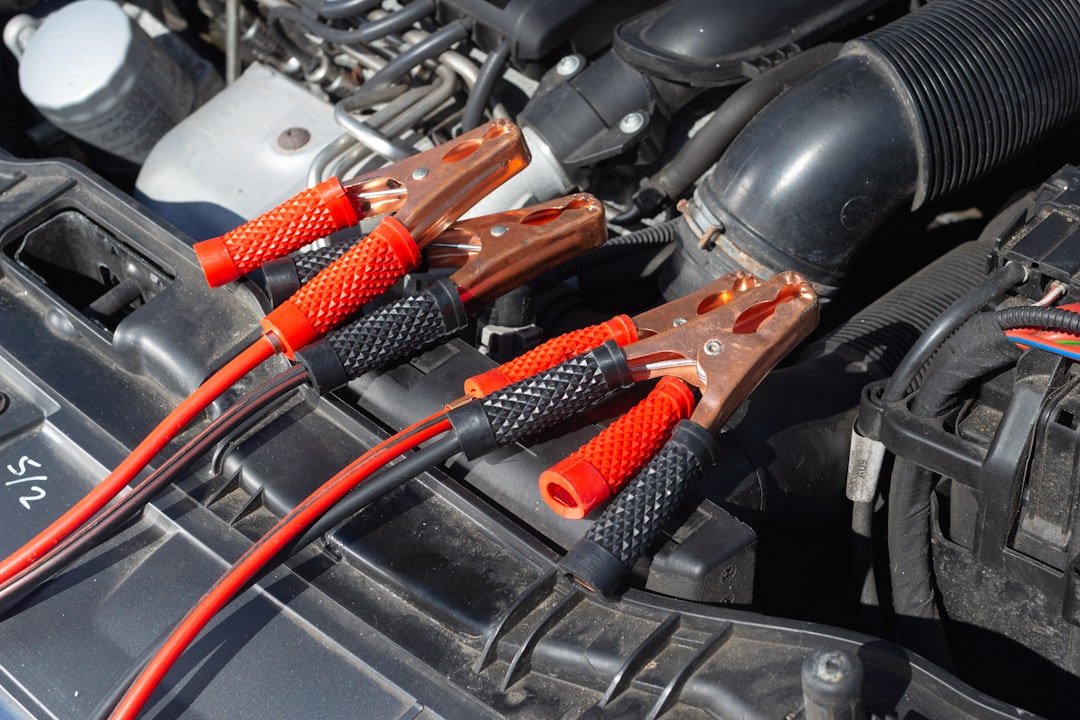
A dead battery is one of the most common reasons a car won’t start — and one of the cheapest problems to fix, if you shop smart. A used or refurbished battery can cost a fraction of a new one, but batteries are also one of the few used parts where condition changes fast, so the questions you ask before buying matter more than usual.
This guide covers how to read a battery’s age, what Cold Cranking Amps actually means for Chicago winters, what a fair price looks like, and how warranty coverage works if a used battery doesn’t hold up.
Is a Used Car Battery Worth It?
Car batteries typically last three to five years regardless of who made them. That means a used battery isn’t automatically a bad buy — it just means the remaining lifespan is the entire question, and you can’t answer it just by looking at the case.
A refurbished battery sits in between: a used core that’s been tested, recharged, and often had a cell replaced, then resold with a shorter warranty than new but a lower price than buying new outright.
| Factor | Used Battery | Refurbished Battery | New Battery |
|---|---|---|---|
| Typical cost | $30–60 | $50–90 | $100–220 |
| Remaining lifespan | Unknown without testing | Partially restored, tested | Full 3–5 year lifespan |
| Warranty | Varies, ask before buying | Usually 90 days–1 year | 1–3 years typical |
| Best for | Budget stopgap, older vehicles | Balance of cost and reliability | Daily drivers, newer vehicles |
A used battery makes the most sense for an older vehicle you don’t plan to keep for years, or as a stopgap while you save for a new one. If you’re driving a newer daily driver you intend to keep long-term, the smaller upfront savings usually aren’t worth the uncertainty over remaining lifespan.
How to Read a Battery’s Date Code
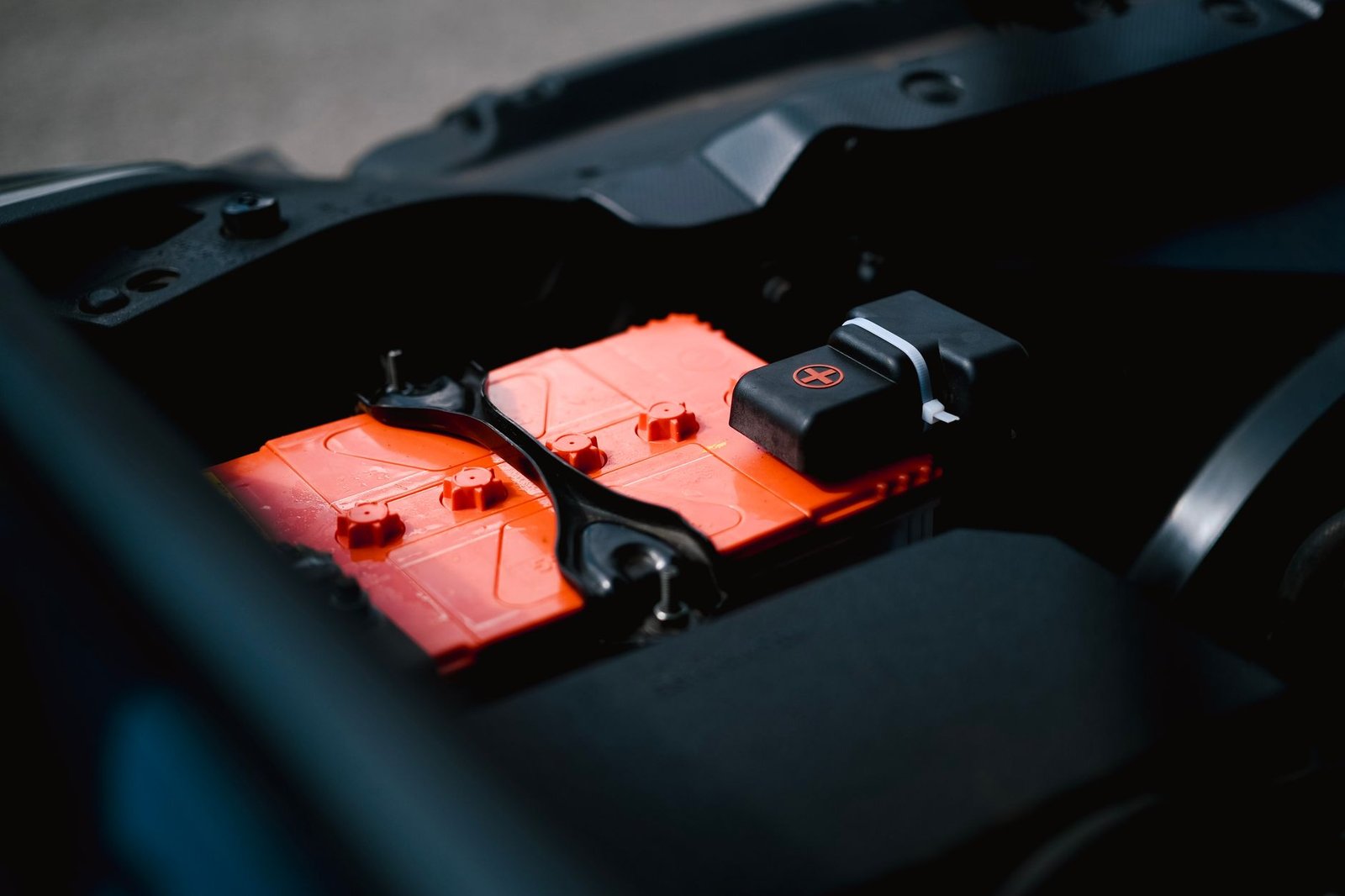
Every battery has a manufacture date stamped or printed on the case, usually near the terminals, and it’s the fastest way to estimate remaining life before you buy.
Most codes use a letter for the month and a digit for the year — A through L for January through December (skipping “I” to avoid confusion with the number 1), followed by a single digit for the year. A code reading “C4” means the battery was made in March of a year ending in 4. Anything more than two years old deserves a closer look before you buy.
Understanding Cold Cranking Amps (CCA) — and Why It Matters More in Chicago
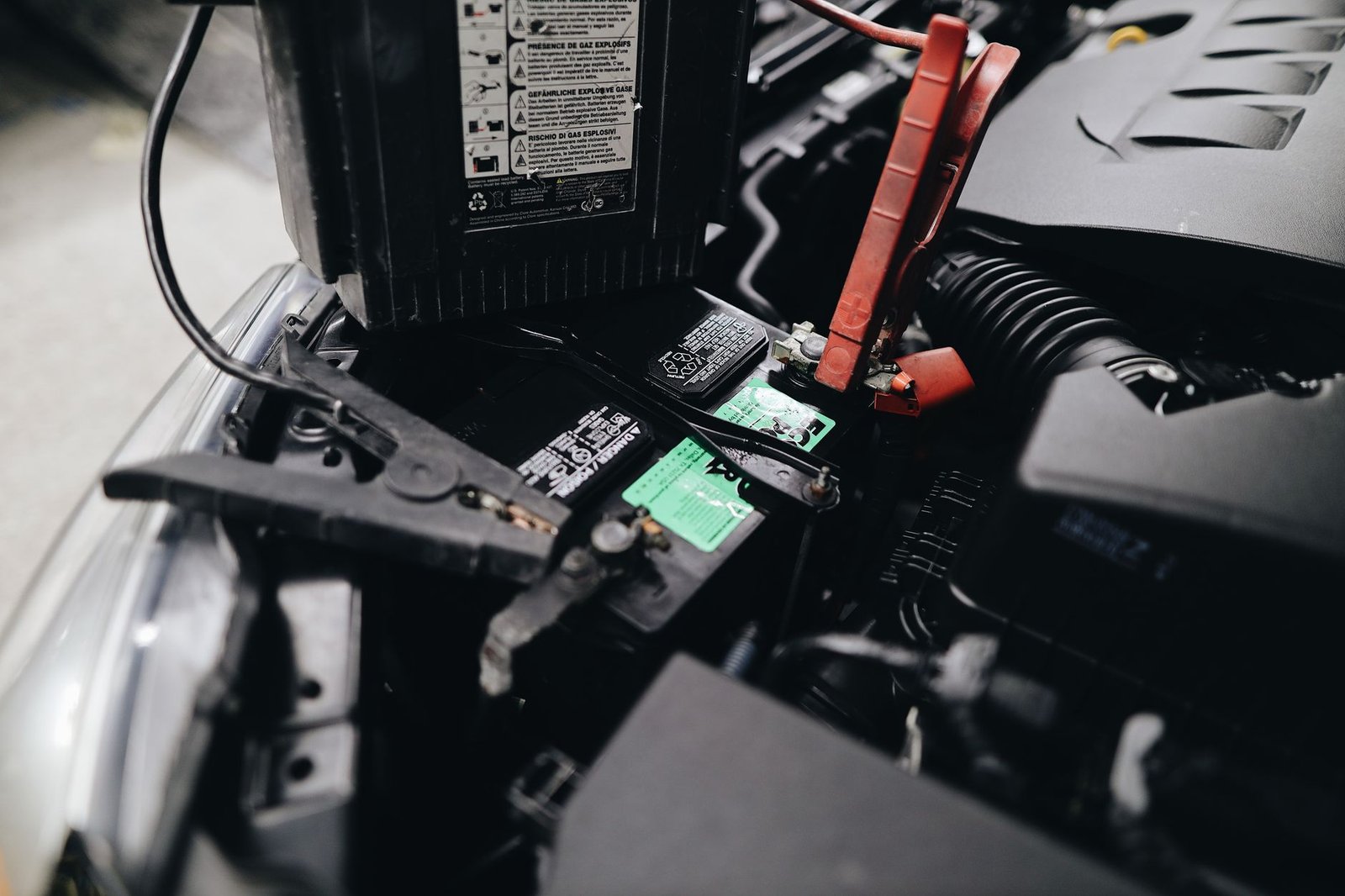
Cold Cranking Amps measure how much power a battery can deliver for 30 seconds at 0°F before voltage drops too low to start the engine. It’s the single most important spec to match when replacing a battery, and it’s the one competitors’ buying guides skip most often.
A used or refurbished battery loses CCA capacity over time even if it still holds a charge, which is exactly why cold weather exposes a weak battery that seemed fine all summer. Chicago winters regularly test batteries that were already marginal, so buying a used battery with a CCA rating at or above your vehicle’s manufacturer spec — not just “close enough” — is worth the extra question at the counter.

What to Inspect Before You Buy a Used Battery
- Check the date code first — anything under 2 years old is a reasonable candidate; anything over 4 years old rarely is.
- Look for swelling, cracking, or a bulging case, which usually means the battery was overcharged or exposed to extreme heat.
- Check terminals for heavy corrosion (a light dusting is normal; thick blue-green buildup is not).
- Ask to see the battery load-tested, not just charge-tested — a battery can hold a surface charge and still fail under starting load.
- Confirm the CCA rating matches or exceeds what your vehicle’s manufacturer specifies.
Typical Battery Prices: New vs. Used vs. Refurbished
Pricing depends on battery group size and CCA rating, but these ranges hold for most standard passenger vehicles. Contact our parts counter for a quote on your specific make and model.
| Battery Type | Typical Price | Typical Warranty |
|---|---|---|
| Used (tested) | $30–60 | 30–90 days |
| Refurbished | $50–90 | 90 days–1 year |
| New, standard | $100–160 | 1–2 years |
| New, AGM/premium | $160–220 | 2–3 years |
Warranty Coverage and Battery Recycling
A used or refurbished battery is only a good deal if someone stands behind it. Ask specifically what the warranty covers — a full replacement or a prorated credit — and how long it lasts before you buy. Our guide to salvage yard warranties covers what’s typically included in more detail, and our full warranty and shipping policy has the specifics for parts purchased here.
Old batteries should never go in the trash. According to the Battery Council International, lead-acid batteries have a 99% recycling rate — the highest of any consumer product in the U.S. Most parts counters, including ours, accept old batteries for core exchange or recycling when you buy a replacement.

Where to Buy a Used Car Battery in Chicago
Englewood Used Auto Parts tests batteries before they’re cataloged, so you’re not guessing at condition. Check our current parts inventory or call ahead with your vehicle’s year, make, and model to confirm what’s in stock.
We’ve cataloged used parts by make, model, and year since 1983, which means our parts counter can usually tell you a battery’s CCA rating and date code over the phone before you drive in.
Buying a remanufactured battery elsewhere and noticed a deposit added to the price? Our core charges guide explains what that fee covers and how to get it refunded.
Curious how a full-service parts store compares to a self-service junkyard? Read our junkyard vs. used auto parts store breakdown for the warranty and cost differences. And if you’re checking your battery as part of a broader seasonal once-over, our fall car care checklist covers what else to inspect before the weather turns.
Shopping for a specific make? See our used Nissan parts buying guide for model-specific pricing and compatibility tips, or read OEM versus aftermarket auto parts if you’re weighing options on a different component entirely.
Frequently Asked Questions
Is it safe to buy a used car battery?
Yes, as long as you check the date code, inspect for damage, and confirm it’s been load-tested rather than just charge-tested. Buying from a seller who offers even a short warranty adds meaningful protection.
How do I know how old a used battery is?
Look for the manufacture date code stamped near the terminals — a letter for the month and a digit for the year. Batteries older than four years are rarely worth buying, even at a low price.
What CCA rating do I need?
Check your owner’s manual or the sticker on your original battery for the manufacturer’s minimum CCA rating, then buy a replacement that meets or exceeds it — especially if you’re shopping in a cold climate like Chicago.
Do used car batteries come with a warranty?
Reputable sellers typically offer a short warranty, often 30 to 90 days, covering a full replacement if the battery fails. Always confirm coverage before you buy.
What is the difference between a used and a refurbished battery?
A used battery is sold as-is after testing, with no repair work done. A refurbished battery has typically been recharged, load-tested, and sometimes had a weak cell serviced, which is why it usually costs more than a plain used battery but comes with a longer warranty.
Can I recycle my old battery when I buy a replacement?
Yes. Most auto parts sellers, including ours, accept old batteries for core exchange or recycling. Lead-acid batteries have an industry recycling rate of 99%, so almost nothing goes to waste.
Not sure how to read your VIN? Our VIN and vehicle compatibility guide covers where to find it and what it tells a parts counter.
Cold weather is the single biggest factor in battery failure. Our winter car prep checklist covers what else is worth checking before temperatures drop.
If your battery keeps dying even after replacement, the real issue might be the alternator. Our alternator and starter buying guide covers how to tell the difference.
Not sure which battery fits your vehicle? Contact our parts counter with your year, make, and model, and we’ll confirm CCA rating and availability before you buy.


Leave a Reply