
When it’s time to repair or replace a part on your vehicle, you’ll usually have two options: OEM (Original Equipment Manufacturer) or aftermarket. Both can be excellent choices depending on your budget, the part in question, and how you use your vehicle.
What Are OEM Parts?
OEM parts are made by, or for, the original manufacturer of your vehicle, using the same specifications as the part that came installed from the factory. A used OEM auto part pulled from a salvage vehicle gives you factory-original fit and finish at a lower cost than buying new.
What Are Aftermarket Parts?
Aftermarket parts are produced by third-party manufacturers and are designed to fit and function like the original. Quality varies widely between aftermarket brands, so it helps to buy from a supplier who stands behind what they sell.

When OEM Makes the Most Sense
OEM is generally the safer choice for structural body panels, safety-related components like airbags and seatbelt hardware, and anything tied closely to your vehicle’s electronic systems, such as sensors and control modules. These are areas where an exact match to factory specifications matters most, since a slight fitment or calibration difference can affect how the part performs, how well it integrates with other systems, or how the vehicle behaves in a future collision. A used OEM part, pulled from a donor vehicle and properly tested, gives you that factory-exact match at meaningfully less than the cost of new.
When Aftermarket Makes the Most Sense
Aftermarket parts tend to make the most sense for cosmetic trim, lighting, and other components where an exact factory match matters less and a wider range of price points is available. A quality aftermarket mirror, grille, or trim piece can perform identically to OEM at a lower price, provided you’re buying from a manufacturer with a track record for consistent fitment. The tradeoff is that quality varies more across aftermarket brands than it does across OEM sources, so a bit more research before buying pays off.
A Common Misconception: “Aftermarket” Doesn’t Mean “Low Quality”
It’s a common assumption that aftermarket automatically means inferior, but that’s not accurate. Many aftermarket manufacturers produce parts to the same or tighter tolerances than OEM, and some OEM manufacturers even source certain components from the same third-party suppliers who sell under aftermarket brands. The real variable isn’t OEM versus aftermarket as categories, it’s the specific manufacturer’s quality control and reputation. This is exactly why buying from a seller who stands behind what they sell, regardless of which category a part falls into, matters more than the label alone.
Comparing Fit, Quality, and Cost
OEM parts generally offer the most predictable fit since they match the original specification exactly. Aftermarket parts can offer more variety and lower prices, but fitment and material quality can vary between manufacturers. A rebuilt automotive part from your own vehicle’s original components often splits the difference: original fit, at a reduced cost.
How to Decide Which Option Is Right for a Specific Repair
Rather than picking OEM or aftermarket as a blanket policy, it helps to ask a few questions about the specific part in front of you. Is it structural or purely cosmetic? Does it need to communicate with your vehicle’s electronics, or does it operate independently? Is a slight variation in fit or finish something you’d even notice, or does it need to match exactly for the part to function correctly? Answering these for each individual repair, rather than defaulting to one category across the board, tends to produce better outcomes than a fixed rule ever could.
Budget matters too, of course, but it’s worth weighing against the true cost of a repeat repair. A cheaper part that doesn’t hold up as long, or that creates a fitment issue requiring extra labor to correct, can end up costing more than the higher-quality option would have in the first place. This is especially true for labor-intensive repairs, where the part price is often a smaller share of the total bill than the hours spent installing it.
Ask About Testing, Not Just the Label
Whether you land on OEM or aftermarket, the single question that matters most is whether the specific part was actually tested before it was offered for sale. A used OEM part that was pulled from a salvage vehicle and never checked for function is a bigger gamble than a well-reviewed aftermarket part from a manufacturer with a track record. Ask directly what testing was performed, not just whether the part is OEM or aftermarket, and treat a vague answer as a signal to look elsewhere.
Why Quality Inspection Matters
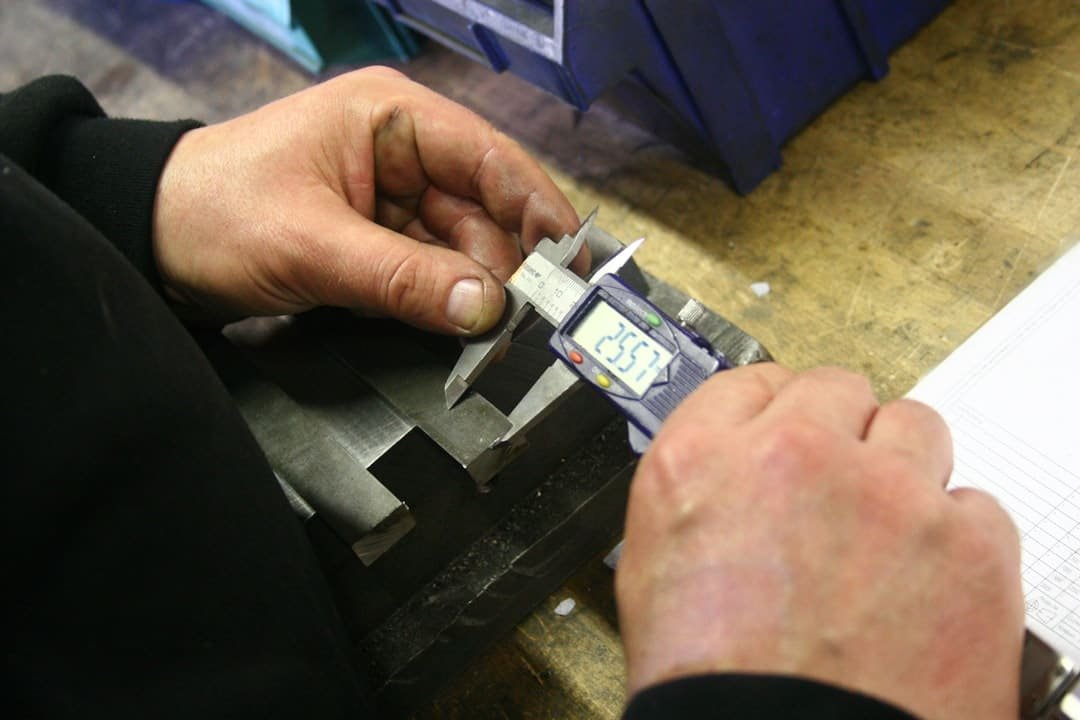
Whichever option you choose, a part that has been disassembled, cleaned, and tested before resale reduces the risk of installing something that fails prematurely. That’s the same process we use to catalog every part in our inventory.

There’s no single right answer that applies to every vehicle or every repair. The goal isn’t to pick a side between OEM and aftermarket permanently, but to make that call thoughtfully each time, based on the part, the vehicle, and what’s actually been tested.
Browse Before You Decide
Our parts database lets you search by make, model, and year to compare what’s available, and every listing notes whether a part is OEM or aftermarket so you can decide with the full picture in front of you. Every part we sell is backed by our warranty, regardless of whether it started life as an OEM or aftermarket component.
For consumer guidance on parts quality and repair standards, the Auto Care Association publishes educational resources for vehicle owners.
Shopping for a specific make? Our used Nissan parts buying guide covers model-specific pricing and what to check before you buy.

Frequently Asked Questions
Is OEM always better than aftermarket?
Not always. OEM offers the most predictable fit and is generally the safer choice for structural, safety-related, or electronically integrated components. For cosmetic or trim parts, a quality aftermarket option can perform identically at a lower cost.
Does aftermarket mean lower quality?
Not necessarily. Quality varies more by manufacturer than by category, and some aftermarket brands meet or exceed OEM tolerances. The manufacturer’s reputation matters more than whether a part is labeled OEM or aftermarket.
Is a used OEM part better than a new aftermarket part?
It depends on the component. For anything tied to structural integrity or vehicle electronics, a tested used OEM part is often the better choice, since it guarantees the exact factory fitment and specification your vehicle was built with.
Will my insurance cover OEM parts after an accident?
Many insurers default to aftermarket parts in repair estimates to control costs, but you generally have the right to request OEM parts and pay any price difference yourself. Check your specific policy for details.
How do I know if an aftermarket part is good quality?
Buy from a manufacturer or seller with a track record for consistent fitment, and ask specifically whether the part has been tested rather than just visually inspected. A seller who stands behind their parts with a real warranty is a good sign regardless of category.
Not sure which option fits your budget and vehicle? Reach out to our team and we’ll walk you through what’s available.


Leave a Reply