Nissan is one of the most common vehicles on Chicago roads, which means a used Nissan part is often easier to find — and far cheaper to buy — than most drivers expect. Whether you’re replacing an alternator on an Altima or sourcing a used engine for a Rogue, buying used can save real money without sacrificing reliability, as long as you know what to check first.
This guide walks through exactly that: how to confirm a used part will actually fit your Nissan, what the most commonly replaced parts typically cost, what to inspect before you hand over payment, and how warranty coverage works when you buy used instead of new.
None of this requires special expertise. It just means asking the right questions before you buy, not after the part is already installed.
Why Buy Used Nissan Parts Instead of New?
The main reason drivers choose used Nissan parts is straightforward: cost. Used parts typically run 30–70% less than new OEM equivalents, and that gap only grows for expensive components like engines, transmissions, and body panels.
Used parts also tend to be more readily available for older Nissan models that dealerships have stopped stocking new. A salvage yard that disassembles, cleans, and tests parts before resale gives you a middle option: OEM-quality components at a fraction of dealer pricing.
There’s also a practical reliability angle. Certain Nissan model years carry well-documented CVT transmission concerns, which is one reason many owners specifically search for a used or remanufactured transmission rather than paying dealer prices for a new unit.
Buying used also keeps a functioning part out of the scrap stream. Every engine, transmission, or panel that gets reused is one less part that needs to be manufactured from raw materials, which is a meaningful side benefit even if cost is the main reason you’re shopping used.
| Factor | Used OEM | New OEM | Aftermarket |
|---|---|---|---|
| Typical cost | 30–70% below new | Full retail | 10–40% below new OEM |
| Fit & compatibility | Exact factory fit | Exact factory fit | Varies by manufacturer |
| Availability (older models) | Often the best option | Frequently discontinued | Widely available |
| Best for | Budget repairs, older vehicles | Warranty-sensitive, newer vehicles | Cosmetic, non-critical parts |

How to Check VIN Compatibility Before You Buy
Nissan reuses many parts across model years and trims, so two parts that look identical on the shelf don’t always fit the same car. Differences in engine size, wiring harnesses, and sensor placement can turn an easy swap into a frustrating return if you skip this step.
The safest way to avoid a mismatch is to confirm compatibility by VIN before you buy, not after the part arrives.
- Locate your Nissan’s VIN — it’s on the dashboard at the base of the windshield (driver’s side) and on the driver’s door jamb sticker.
- Note your exact trim, engine size, and model year, since Nissan often runs more than one engine option within the same model.
- Share the VIN with the parts specialist so they can cross-reference it against the donor vehicle the part came from.
- For extra peace of mind, run the VIN through the National Insurance Crime Bureau’s free VINCheck tool to review title and salvage history.
- Ask whether the part was pulled from a vehicle with a matching engine and trim, not just the same model name.
Most Commonly Replaced Used Nissan Parts (and What They Typically Cost)
These are the components Nissan owners replace most often, along with typical price ranges. Exact pricing depends on the part’s condition, mileage, and your specific model — contact our parts counter for a live quote on your vehicle.
| Part | Typical Used Price | Typical New OEM Price | Commonly Needed On |
|---|---|---|---|
| Alternator | $60–150 | $250–450 | Altima, Sentra, Maxima |
| Used engine (complete) | $800–2,200 | $4,000–7,000+ | Altima, Rogue, Pathfinder |
| Transmission | $600–1,500 | $3,000–5,500 | Altima, Murano, Frontier |
| Radiator | $50–120 | $200–400 | Sentra, Rogue, Altima |
| Headlight assembly | $40–100 | $150–350 | Altima, Maxima, Rogue |
| Door or body panel | $75–200 | $300–700 | All models |
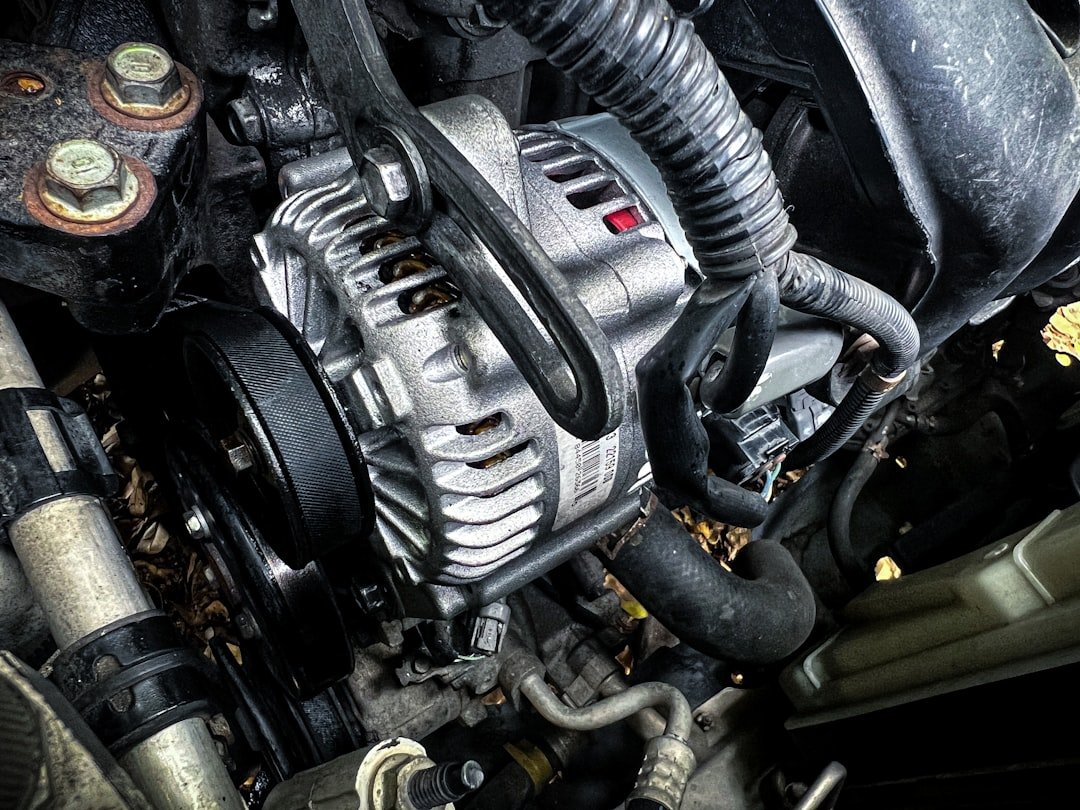
Alternators and headlight assemblies tend to fail from ordinary wear and vibration over time, while engines and transmissions are more often replaced after a major mechanical failure than routine wear. If your battery is due for replacement at the same time, our used car battery buying guide covers CCA ratings and what to check first.
What to Inspect Before You Buy a Used Nissan Part
A reputable seller will let you inspect a part, or at least answer detailed questions about its condition, before you commit to buying. Use this checklist as a starting point.
- Ask for the donor vehicle’s mileage, especially for engines and transmissions — lower mileage generally means less wear.
- Check for fluid leaks, cracks, or corrosion on any part you can physically inspect.
- Request to see the part running or bench-tested if it’s electrical, such as an alternator, starter, or sensor.
- Bring a trusted mechanic along for high-value purchases like engines or transmissions.
- Confirm the part was cleaned and tested before being tagged for resale, rather than pulled and sold as-is.
Understanding Your Warranty Coverage
A used part is only a good deal if it’s backed by a real warranty. Reputable salvage yards test parts before resale and stand behind them for a defined period, which protects you if something fails after installation.
See our full warranty and shipping policy for details on coverage length, what’s included, and how to file a claim if you ever need one.
Where to Buy Used Nissan Parts in Chicago
Englewood Used Auto Parts has cataloged used engines, transmissions, and other components by make, model, and year since 1983, which makes cross-referencing a Nissan part by VIN straightforward. Browse our used auto parts inventory to see current categories, or call ahead with your VIN and we’ll check availability.
Every part we sell is disassembled, cleaned, and tested before it’s cataloged, and we ship nationwide for customers outside the Chicago area. If you’re local, our parts counter can usually tell you within a few minutes whether a specific Nissan part is currently in stock.
Wondering how this compares to a self-service junkyard? Our guide to junkyard vs. used auto parts store breaks down the tradeoffs in warranty, cost, and condition. If you drive a different make, our used Toyota parts buying guide covers similar ground model by model.
Deciding between a used, new, or aftermarket part? Our guide to OEM versus aftermarket auto parts breaks down the tradeoffs in more detail. And if you’re replacing a full engine rather than a single component, how to choose the right used engine covers the additional questions worth asking before you buy.
Frequently Asked Questions
Are used Nissan parts reliable?
Yes, provided they come from a reputable salvage yard that tests parts before resale. A part pulled from a low-mileage donor vehicle and backed by a warranty is a reliable, lower-cost alternative to buying new.
How do I know if a used Nissan part will fit my car?
Cross-reference your vehicle’s VIN against the donor vehicle’s VIN. Nissan shares parts across trims and model years, but engine size and production date can affect fitment, so always confirm before buying.
Do used Nissan parts come with a warranty?
Reputable sellers back their used parts with a warranty covering defects for a set period after purchase. Always ask about warranty length and what it covers before you buy.
What’s the difference between OEM and aftermarket Nissan parts?
Used OEM parts were made by or for Nissan and offer an exact factory fit. Aftermarket parts are produced by third-party manufacturers and can vary in fit and material quality between brands.
Can I get used Nissan parts shipped nationwide?
Many salvage yards, including ours, ship parts nationwide with careful packaging for fragile components. Contact the parts counter to confirm shipping costs and timing for your specific part.
What if a used Nissan part doesn’t fit once it arrives?
This is exactly why VIN verification before purchase matters so much. If a part still doesn’t fit after compatibility was confirmed, our warranty and shipping policy outlines the return process — keep the original packaging until you’ve test-fitted the part.
Not sure how to read your VIN? Our VIN and vehicle compatibility guide walks through exactly what to check.
Have a Nissan part in mind? Contact our parts counter with your VIN, and we’ll confirm availability and pricing before you buy.
Leave a Reply