
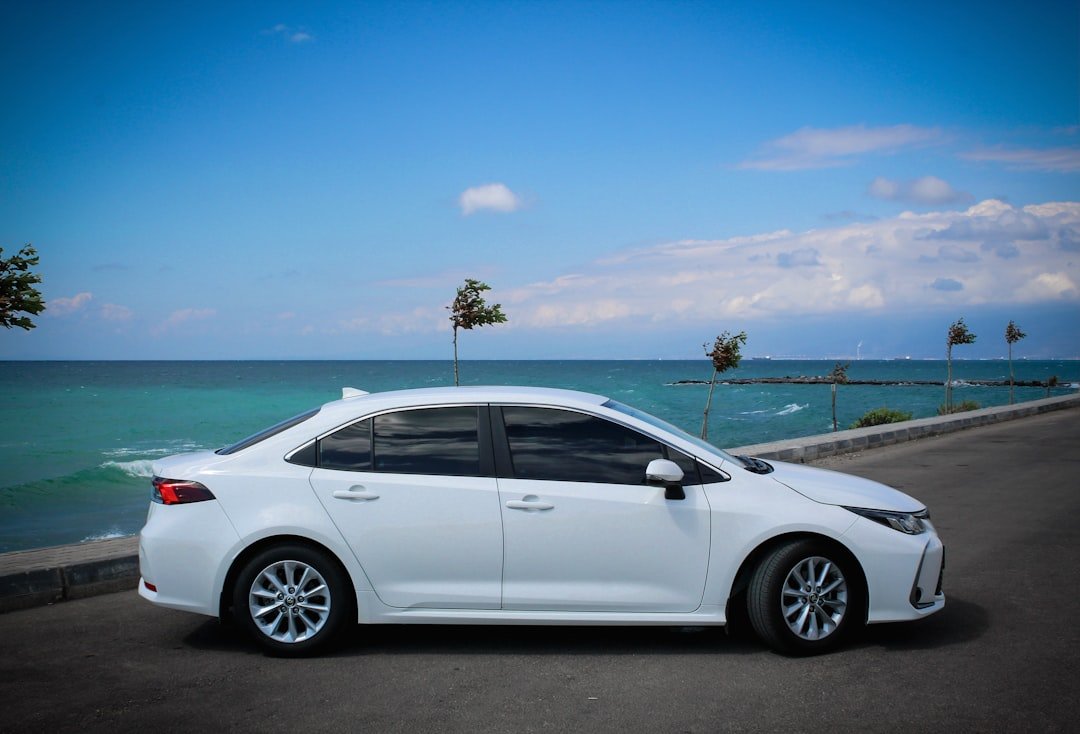
Toyota is one of the most common vehicles on the road, which is good news if you need a used part: high production volume means more donor vehicles, more available inventory, and often better pricing than less common makes. It also means a little model-specific knowledge goes a long way.
This guide covers what to check before buying, which components tend to need replacing on specific Toyota models, and what to know if you’re shopping for a hybrid.
Why Buy Used Toyota Parts?
The main draw is cost: used parts typically run 30–70% less than new OEM equivalents, with the biggest savings on expensive components like engines and transmissions.
Toyota’s reputation for longevity also works in your favor here. A high-mileage Toyota that’s been retired for cosmetic or unrelated mechanical reasons often has plenty of usable life left in its engine, transmission, and electronics, which is exactly the kind of donor vehicle a full-service yard sources from.
| Part | Typical Used Price | Typical New OEM Price |
|---|---|---|
| Alternator | $60–150 | $250–450 |
| Used engine (complete) | $900–2,400 | $4,500–7,500+ |
| Transmission | $700–1,600 | $3,200–5,800 |
| Radiator | $50–120 | $200–400 |
| ECU/ECM (crossover models) | $150–350 | $600–1,200 |
Common Toyota Models and What Typically Needs Replacing
Toyota’s lineup spans compact cars, hybrids, and crossovers, and wear patterns differ by model. This isn’t a complete list, but it covers the most frequently requested parts by model type.
Knowing which parts tend to fail on your specific model also helps you ask better questions at the counter — a seller who can immediately confirm whether a part matches your model’s known wear pattern is usually working from real inventory data, not just a general catalog.
| Model Type | Commonly Replaced Parts | Notes |
|---|---|---|
| Corolla / Camry (sedans) | Alternators, headlight assemblies, radiators | High production volume means strong used parts availability |
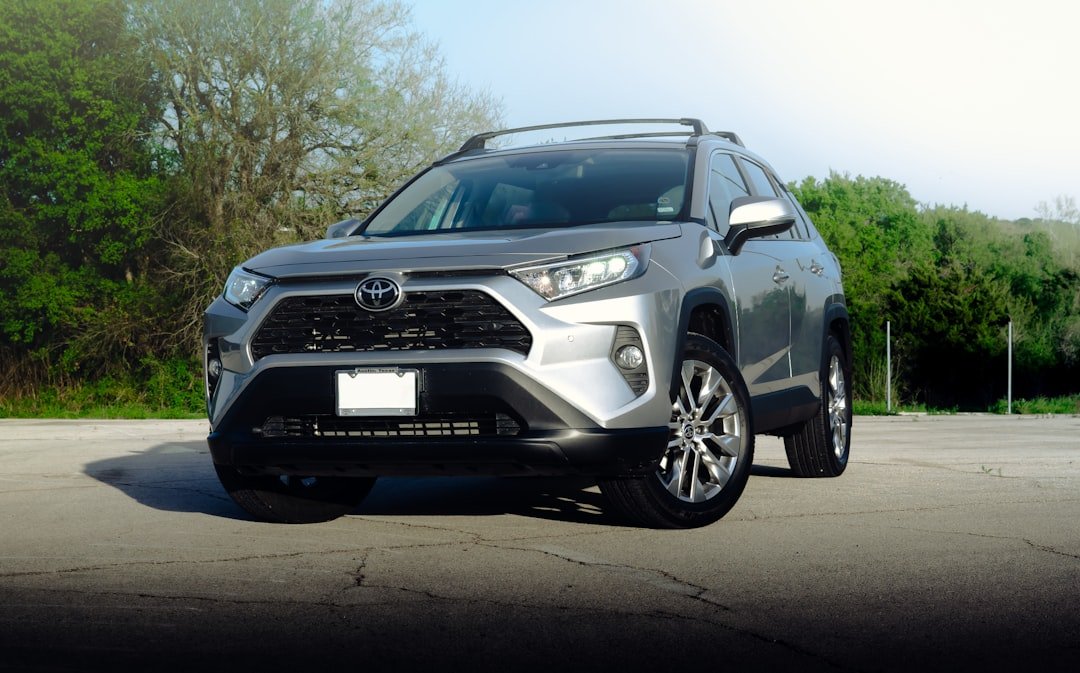
| RAV4 / Highlander (crossovers/SUVs) | ECU/ECM units, ABS pumps, transmissions | Electronics-related parts benefit from VIN-matched sourcing |
| Prius / hybrid models | Hybrid battery packs, inverters, 12V auxiliary batteries | Requires hybrid-specific handling; see note below |
| Tacoma / Tundra (trucks) | Suspension components, bumpers, beds | Towing and off-road use adds wear to suspension parts |
A Note on Hybrid Components
If you’re shopping for parts for a Prius or another Toyota hybrid, the hybrid battery pack and related electronics are a different category from a standard combustion part. According to the U.S. Department of Energy’s Alternative Fuels Data Center, hybrid battery packs are generally designed to last the life of the vehicle, but they do degrade gradually and can eventually need replacement or reconditioning.
A used hybrid battery should be tested for remaining capacity before purchase, not just visually inspected. Ask specifically whether the seller has bench-tested the pack’s charge capacity, since a battery that looks fine can still have significantly reduced range.
Reconditioned hybrid battery packs, where individual weak cells are identified and replaced, have also become a common middle-ground option between a full used pack and an expensive new one. If a seller offers reconditioning, ask what testing was done on the specific cells that were replaced versus the ones that were kept.
How to Verify Compatibility Before You Buy
- Locate your Toyota’s VIN on the dashboard at the base of the windshield or the driver’s door jamb.
- Note your exact trim and engine size — Toyota often runs multiple engine options within the same model year.
- Share the VIN with the parts counter so they can cross-reference it against the donor vehicle.
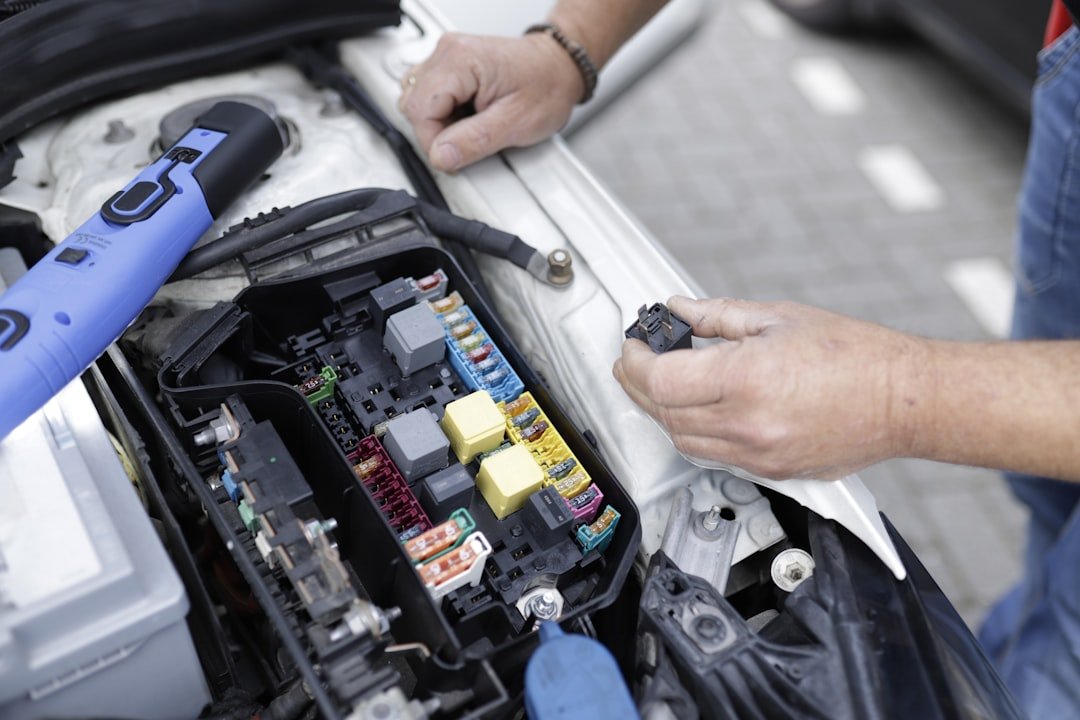
- For electronic components like an ECU, confirm the part was pulled from a vehicle with a matching trim, since programming can be vehicle-specific.
This step matters more for Toyota than some other brands, since a single model name can span multiple engine sizes, trim-specific wiring, and regional spec differences across a production run.

What to Inspect Before You Buy
- Ask for the donor vehicle’s mileage, especially for engines, transmissions, and hybrid components.
- Check for fluid leaks, corrosion, or physical damage on any part you can inspect directly.
- Request a diagnostic scan result for electronic components rather than relying on a visual check alone.
- Confirm the part was cleaned and tested before being tagged for resale.
- For suspension and body parts on trucks like the Tacoma or Tundra, ask whether the donor vehicle saw regular towing or off-road use, since that accelerates wear on those specific components.
A reputable parts counter should be able to answer all of these questions from their own records, not just a visual look at the part in front of you.
Toyota’s Known Reliability Trade-Offs
Toyota’s reputation for longevity is well earned, but it isn’t uniform across every system. Water pumps and timing components on some four-cylinder engines have a documented pattern of needing attention around the 90,000 to 120,000 mile mark, and older automatic transmissions in certain models can develop harsh shifting as internal seals age, even when the rest of the vehicle is in excellent shape. None of this undermines the brand’s overall track record, but it’s worth knowing before assuming every part from an older Toyota is problem-free simply because of badge reputation.
This is exactly why asking about a specific donor vehicle’s maintenance history, not just its mileage, matters as much for a Toyota as for any other brand. A well-maintained high-mileage Toyota is a great source of parts; a neglected one with the same mileage is a different story entirely.
Warranty Coverage
A used part is only as good as the warranty behind it. See our warranty and shipping policy for details on coverage length and how to file a claim if something doesn’t hold up.
Where Englewood Used Auto Parts Fits In
We’ve cataloged used Toyota parts by make, model, and year since 1983, so cross-referencing a part by VIN is straightforward. Browse our used auto parts inventory or call ahead to check current availability.
Every part is disassembled, cleaned, and tested before it’s cataloged, and we ship nationwide for customers outside the Chicago area. Locally, our parts counter can usually confirm within a few minutes whether a specific Toyota part is currently in stock.
Shopping for a different make? Our used Nissan parts buying guide covers similar ground for Nissan models, and our junkyard vs. used auto parts store guide explains why a tested, warrantied part is often worth the difference over a self-service pull.
Frequently Asked Questions
Are used Toyota parts reliable?
Yes, provided they come from a reputable seller that tests parts before resale. Toyota’s high production volume also means more donor vehicles, which tends to mean better availability and more consistent quality across sellers.
Do I need special parts for a Toyota hybrid?
Hybrid-specific components like the battery pack and inverter are different from standard parts and should be tested for remaining capacity, not just visually inspected, before you buy.
How do I know if a used Toyota part will fit my vehicle?
Cross-reference your VIN against the donor vehicle’s VIN. Toyota shares parts across trims and model years, but engine size and production date can affect fitment.
What’s the most commonly replaced part on a Toyota RAV4?
ECU/ECM units, ABS pumps, and transmissions are among the most frequently requested parts for the RAV4, based on typical salvage yard demand.
Do used Toyota parts come with a warranty?
Reputable sellers back their parts with a warranty covering defects for a set period after purchase. Always confirm coverage length and terms before buying.
How much does a used hybrid battery cost compared to new?
A used or reconditioned hybrid battery typically costs significantly less than a new replacement pack, though exact pricing varies by model and capacity. Ask for the specific tested capacity rather than comparing on price alone.
Not sure how to read your VIN? Our VIN and vehicle compatibility guide walks through exactly what to check.
Are there any known weak points on otherwise reliable Toyotas?
Yes. Water pumps and timing components on some four-cylinder engines can need attention around 90,000 to 120,000 miles, and older automatic transmissions in certain models may develop harsh shifting as seals age. Maintenance history matters more than mileage alone.
Have a Toyota part in mind? Contact our parts counter with your VIN, and we’ll confirm availability and pricing before you buy.

Leave a Reply