
One of the biggest advantages of buying from an established salvage yard instead of an unverified private seller is the warranty that comes with the part. Here’s what a typical used auto parts warranty covers, and the questions worth asking before you buy.
What a Parts Warranty Typically Covers
Most salvage yard warranties cover defects in the part itself for a set period after purchase. If you choose a rebuilt part, the warranty usually applies to both the original components that were reused and the components that were replaced during the rebuild.
Warranty length can also vary by part type — batteries, for example, are one of the few components where condition changes quickly, which is why our used car battery buying guide walks through what a fair warranty looks like.
How Parts Are Tested Before Sale
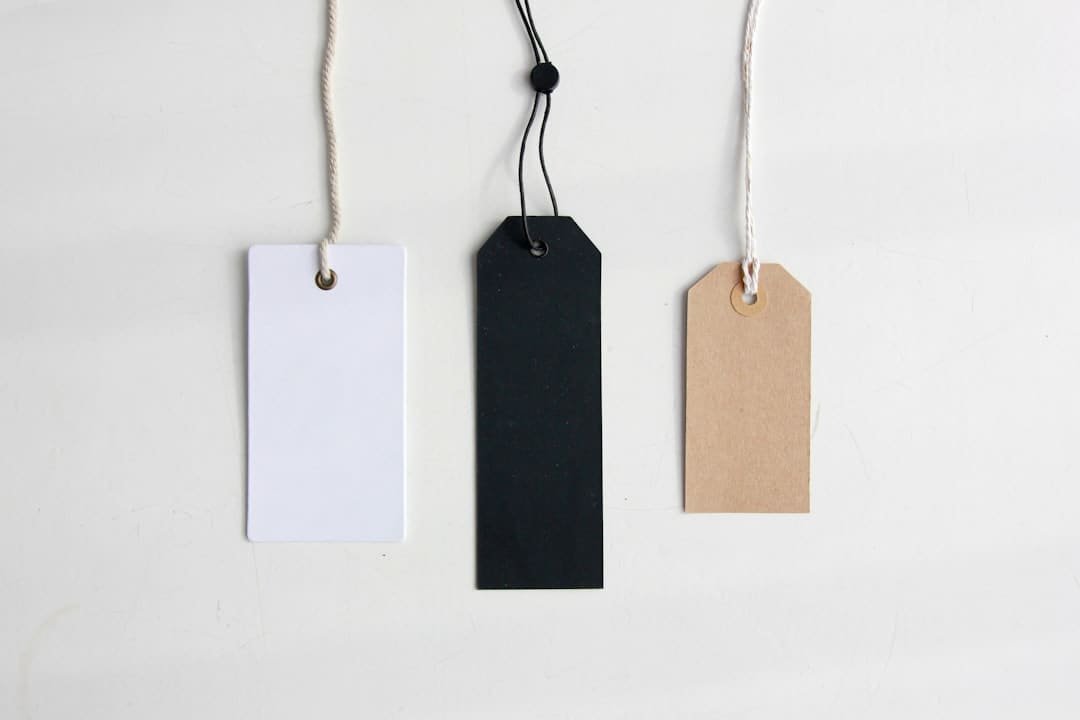
Reputable yards disassemble, clean, and test recycled vehicle engines and other components before cataloging them for sale. Each part is tagged with the vehicle it came from, which makes it easier to confirm compatibility and trace a part back if a warranty claim comes up.

Why Cataloging and Tagging Matters
A well-organized inventory system means every part can be cross-referenced by make, model, and year. That level of tracking is also what makes it possible to honor a warranty claim quickly, since the part’s history is already on file.
Shipping and Delivery
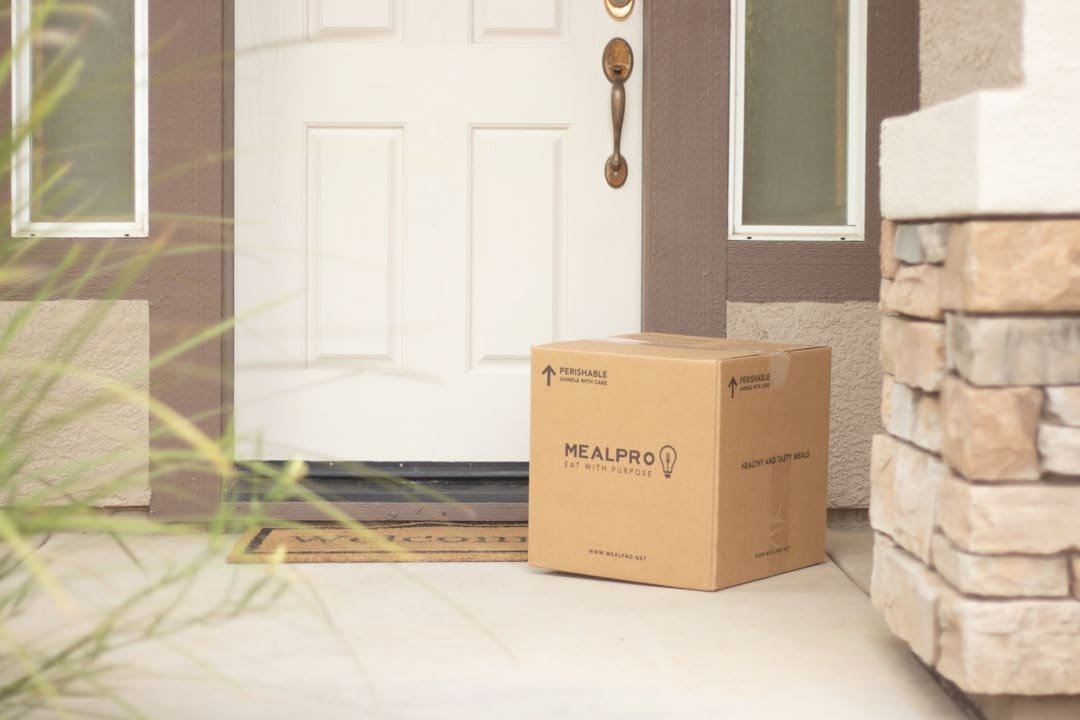
When ordering parts for shipment rather than picking them up in person, ask how breakable components are packaged. Parts that carry seals, gaskets, or glass, such as headlights and taillights, should be boxed carefully to prevent damage in transit.
Ask Questions Before You Buy
A good parts counter should be able to answer questions about warranty length, what voids coverage, and how to file a claim, before you ever make a purchase. If you have questions that aren’t covered in our FAQ page, our team is happy to walk through the details over the phone.

Keep Your Paperwork
Hold on to your receipt and any warranty documentation from the time of purchase. If you ever need to make a claim, having the part’s tag number and purchase date on hand will make the process much faster.

The Federal Trade Commission’s consumer resources also outline general rights and protections to be aware of when purchasing warrantied products.
Have a part in mind? Contact our parts counter and we’ll confirm warranty coverage before you buy.


Leave a Reply