
No heat on a January morning, no defrost when the windshield fogs up, or a fan that only works on one speed setting are all common complaints that trace back to one of two parts: the blower motor or the heater core, sometimes with a few other suspects in between. Here’s how to tell them apart and what to check before buying used.
This guide covers how the cabin heating system actually works, symptoms of each type of failure, and what to inspect carefully before sourcing a used replacement part.
How the Cabin Heating System Works
Warm engine coolant is routed through a small radiator-like unit called the heater core, mounted inside the dashboard. The blower motor, a small electric fan, pushes cabin air across the heater core’s fins, picking up heat before it’s directed through the vents. The same blower motor also pushes air across the evaporator for air conditioning, and across the defrost vents, so a blower motor failure affects heat, AC, and defrost all at once.

Blower Motor Symptoms
- No air movement at all from any vent, regardless of fan speed setting.
- Air only works on the highest speed setting, often pointing to a failed blower motor resistor rather than the motor itself.
- A grinding, rattling, or squealing noise from behind the dashboard when the fan is running.
- Intermittent operation that comes and goes, sometimes resolving temporarily when the dash is tapped or bumped.
Heater Core Symptoms
| Symptom | What It Suggests |
|---|---|
| Air blows but stays cool, even with heat selected | Heater core not receiving hot coolant, or a failed heater control valve |
| Sweet smell inside the cabin | Coolant leaking from the heater core into the cabin airflow |
| Fogging on the inside of the windshield | Coolant vapor from a leaking heater core, distinct from normal humidity fogging |
| Coolant level dropping with no visible external leak | Heater core leaking internally, coolant escaping into the cabin or onto the floor |

Blower Motor Resistor: A Separate, Cheaper Part
Many vehicles use a separate blower motor resistor to control fan speed, and this small component fails far more often than the blower motor itself. If your fan only works on high speed, or works on some speeds but not others, the resistor is usually the more likely and less expensive culprit, worth checking before assuming the entire blower motor needs replacement.
Buying a Used Blower Motor
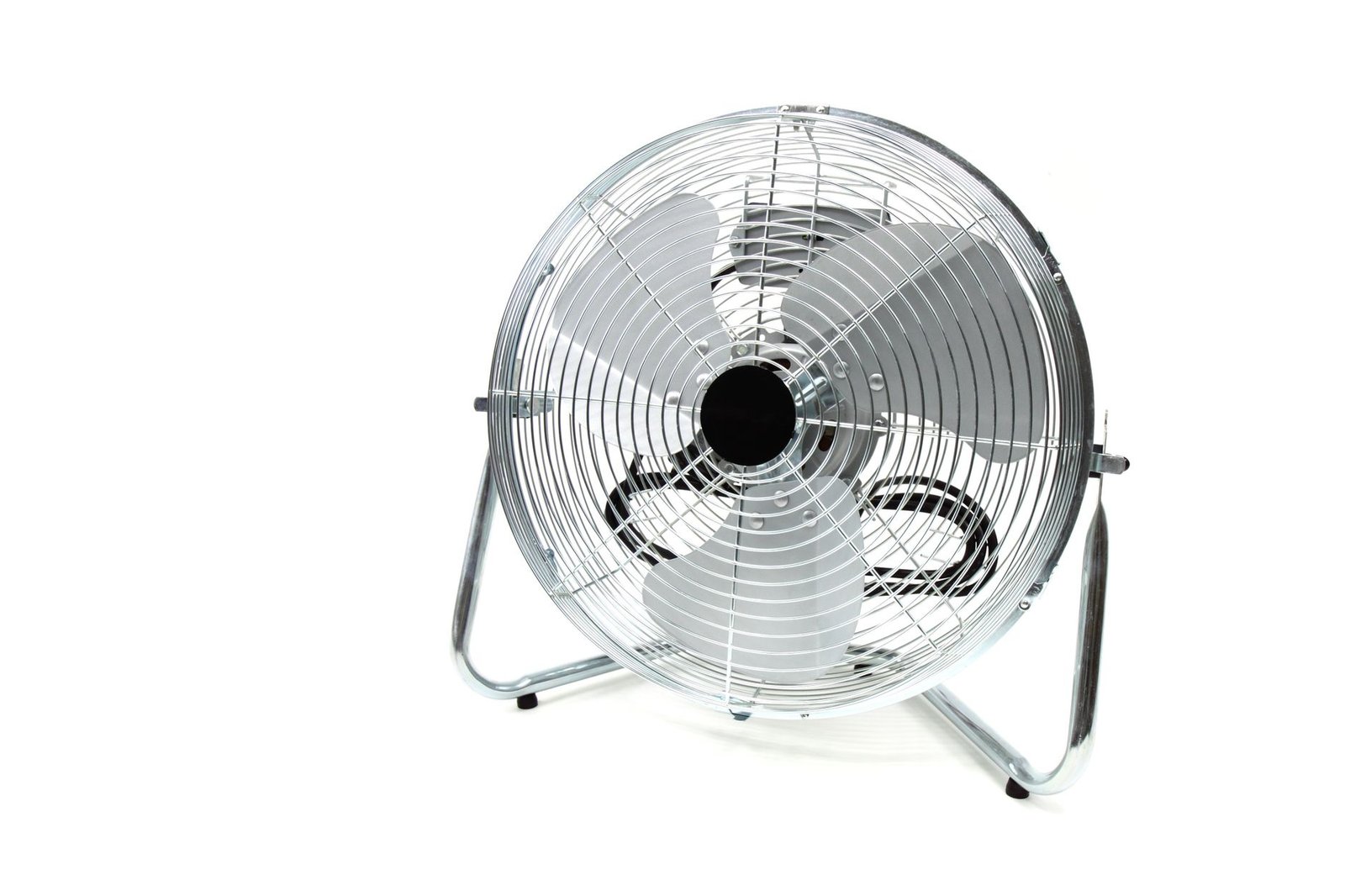
Since a blower motor is a simple electric motor, a used unit is generally a safe bet if it spins smoothly by hand and shows no signs of bearing wear or scorching from an electrical short. Confirm it matches your vehicle’s specific mounting configuration and electrical connector, since these details vary even within the same manufacturer’s model lineup across years.
Heater Cores: Why We Recommend New
Unlike a blower motor, a heater core is a sealed heat exchanger that’s difficult to inspect for internal condition without pressure testing it, and a failing used heater core can leak coolant into your cabin after installation with no easy warning beforehand. Given the labor-intensive nature of heater core replacement on most vehicles, often requiring significant dashboard disassembly, we generally recommend a new heater core rather than a used one, since the cost difference is usually small relative to the labor involved either way.
Diagnosing Before You Buy Anything
Before ordering any part, it’s worth spending a few minutes confirming exactly which component is at fault, since blower motors, resistors, and heater cores are diagnosed differently and mixing them up wastes both time and money. Start with the simplest check: does the fan move air at all, on any speed? If not, suspect the blower motor, its fuse, or its relay. If air moves but only on one speed, suspect the resistor. If air moves at all speeds but never gets warm, suspect the heater core, the coolant level, or a stuck heater control valve.
A multimeter is useful for confirming whether the blower motor is receiving power when commanded, which helps distinguish a genuinely failed motor from a wiring, fuse, or relay issue further upstream in the electrical system. This simple test can save you from replacing a perfectly good blower motor when the actual problem lies elsewhere in the circuit.
Heater Control Valves and Blend Doors
Some vehicles use a heater control valve, an electrically or vacuum-operated valve that regulates coolant flow into the heater core based on the temperature setting you choose. A stuck-closed control valve can mimic heater core symptoms exactly, blowing air but never producing heat, even though the heater core itself is completely fine. Other vehicles instead use a blend door inside the dashboard to mix hot and cold air rather than controlling coolant flow directly, and a failed blend door actuator produces a similar symptom: air that won’t reach the correct temperature regardless of the setting selected.
Distinguishing between a heater core, a control valve, and a blend door actuator usually requires checking whether the heater core’s inlet and outlet hoses are both hot to the touch when heat is selected. If both hoses are hot but cabin air stays cool, the problem is more likely a blend door than the heater core itself.
Where Englewood Used Auto Parts Fits In
We stock used blower motors, tested for smooth operation before they’re cataloged, along with the switches, resistors, and connectors that make up the rest of the HVAC system. Browse our used auto parts inventory or call ahead with your VIN to confirm current availability on any of these components.
Not sure how to confirm your VIN before ordering? Our VIN and vehicle compatibility guide covers exactly what to check, and our radiator buying guide covers the cooling system components that supply hot coolant to your heater core.
Frequently Asked Questions
Why does my fan only work on the highest speed?
This usually points to a failed blower motor resistor rather than the blower motor itself. The resistor is a smaller, less expensive part that’s worth checking first.
What does a sweet smell in the cabin usually mean?
It’s a classic sign of a leaking heater core, allowing coolant vapor into the cabin airflow. This is worth addressing promptly, since coolant fumes aren’t something you want to be breathing regularly.
Is it safe to buy a used blower motor?
Yes, generally. A blower motor is a simple electric motor, and a used unit that spins smoothly with no scorching or bearing roughness is usually a safe, cost-effective choice.
Why do you recommend new heater cores instead of used?
A heater core is a sealed unit that’s hard to inspect for internal condition, and a failing used one can leak coolant into your cabin after installation. Given the labor involved in replacement, the cost savings on a used unit usually aren’t worth the added risk.
Can a bad blower motor affect air conditioning too?
Yes. The same blower motor pushes air across both the heater core and the AC evaporator, so a failed blower motor affects heat, AC, and defrost simultaneously.
Have a question about a specific blower motor or HVAC component for your vehicle, or need help figuring out which part is actually at fault? Contact our parts counter and we’ll help you track it down.

Leave a Reply