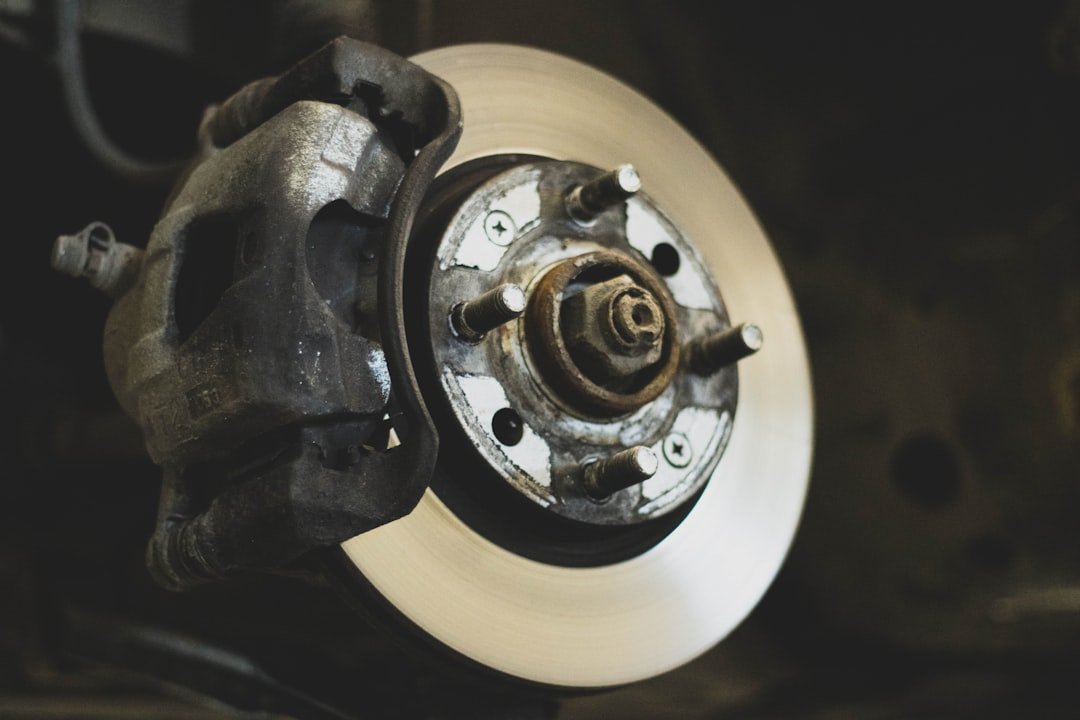
Brakes aren’t a part to cut corners on, but that doesn’t mean every brake component has to be new. Rotors and calipers are often good candidates for used or reconditioned parts, while pads are a wear item that almost always makes sense to replace with new. Knowing the difference matters for both safety and your budget.
This guide covers which brake components are reasonable to buy used, how to inspect them properly, what DOT fluid ratings actually mean, and what a fair price and warranty look like.
None of this is about cutting corners on safety. It’s about knowing where a tested used part is genuinely equivalent to new, and where the cost savings aren’t worth the risk.
Which Brake Parts Make Sense to Buy Used?
| Component | Used OK? | Why |
|---|---|---|
| Rotors | Yes, if inspected | Durable metal component; wear can be measured directly |
| Calipers | Yes, if tested | Mechanical assembly; check for leaks and free movement |
| Brake pads | Not recommended | Wear item with limited remaining life; new is inexpensive |
| Brake lines/hoses | Case by case | Rubber degrades with age regardless of mileage; inspect closely |
| Master cylinder | Yes, if tested | Can be bench-tested for proper pressure before installation |
How to Inspect a Used Rotor
- Check for deep grooves scored into the rotor face, which indicate the rotor was run with worn-out pads.
- Look for a raised lip around the outer edge — this means the rotor is thinner than it should be everywhere else.
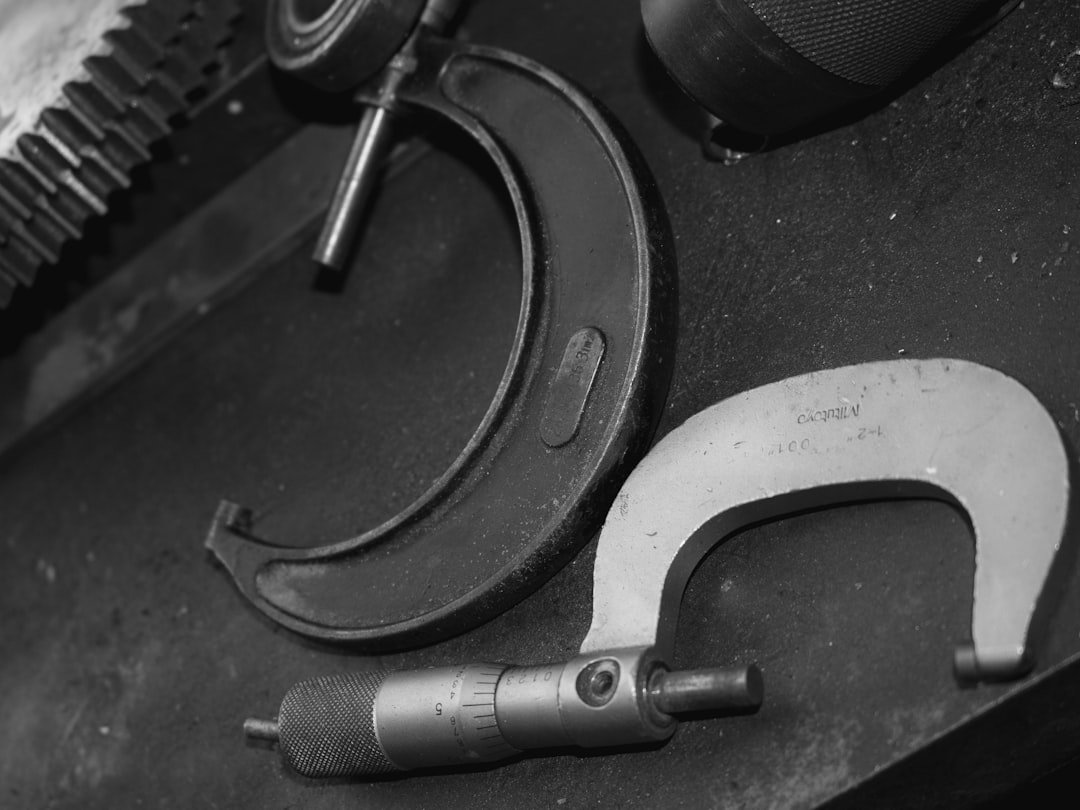
- Measure rotor thickness directly if possible and compare it to your vehicle’s minimum thickness specification, stamped on the rotor hat or listed in your service manual.
- A rotor should be smooth and flat with only a slight surface patina; anything scored, pitted, or warped should be replaced, not reused.
Rotor thickness matters more than most buyers realize. A rotor machined down too many times, or worn thin from age, loses its ability to dissipate heat properly, which can lead to brake fade under hard braking even if the surface looks fine. This is exactly why measuring thickness directly, rather than relying on a visual check alone, is worth the extra few minutes.
How to Inspect a Used Caliper
- Check for brake fluid seeping around the piston seal — a leaking caliper is a brake failure already in progress.
- Verify the caliper slides freely on its mounting hardware without binding or excessive play.
- Inspect the brake line connection threads closely, since aluminum calipers are especially prone to thread damage.
- Confirm all mounting hardware and pins are present and in usable condition, not just the caliper body itself.
If a caliper has any doubt around it — a slow leak, stiff movement, or hardware that looks improvised rather than original — it’s one of the few brake components worth erring toward a fresh or rebuilt unit rather than gambling on a used one, given how directly it affects stopping power on one wheel.
Understanding DOT Brake Fluid Types
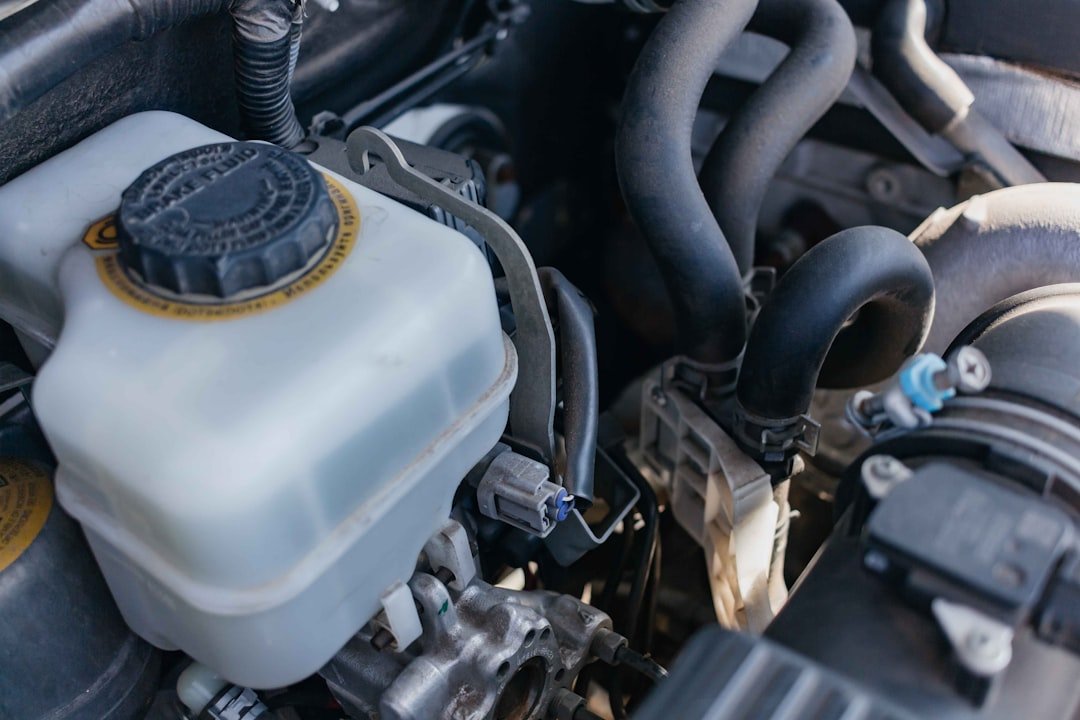
Brake fluid isn’t universal, and using the wrong type can affect brake feel and even damage seals over time. Fluid standards are set by SAE International and referenced in U.S. federal motor vehicle safety standards as DOT 3, DOT 4, and DOT 5.
| Type | Base | Notes |
|---|---|---|
| DOT 3 | Glycol-based | Most common in older and standard vehicles |
| DOT 4 | Glycol-based | Higher boiling point; common in newer and performance vehicles |
| DOT 5 | Silicone-based | Not compatible with DOT 3/4; used in specific applications only |
Check your owner’s manual for the correct type before topping off or bleeding your brake system, and never mix DOT 5 with DOT 3 or 4.
Sourcing Tip: Where Good Used Brake Parts Come From
Brake components from a vehicle that was rear-ended or had front-end collision damage are often untouched and in excellent condition, since the damage typically doesn’t affect the brake system at all. A knowledgeable parts counter can tell you what kind of damage a donor vehicle had, which is a useful question to ask.
This is also why buying from a full-service yard has an advantage over a self-service pull: staff who process the vehicle can flag which components look untouched versus which ones show signs of prior wear, information you simply can’t get by pulling a part yourself off a random lot.
Typical Costs: Used vs. New
| Component | Typical Used Price | Typical New Price |
|---|---|---|
| Rotor (each) | $25–60 | $60–150 |
| Caliper (each) | $40–100 | $100–250 |
| Brake pads (set) | Not recommended used | $30–120 |
| Master cylinder | $50–120 | $150–350 |
Brake Squeal, Grinding, and What Each Noise Means
A high-pitched squeal when braking is often intentional: many pads include a small metal wear indicator designed to make noise once the pad material gets thin, as an early warning before metal touches metal. A grinding or growling sound is a different story, usually meaning the pads are already worn through and the caliper is biting directly into the rotor, which causes rapid rotor damage and should be addressed immediately rather than driven on.
A pulsing sensation in the brake pedal, as opposed to a noise, usually points to a warped rotor rather than a pad issue, and is a good reason to have the rotor thickness and runout checked even if the pads themselves still have life left.
Where Englewood Used Auto Parts Fits In
Every brake component we sell is disassembled, cleaned, and tested before it’s cataloged, and it’s backed by a warranty. Browse our used auto parts inventory or call ahead with your VIN to confirm current availability.
We’ve cataloged brake components by make, model, and year since 1983, so our parts counter can typically confirm fitment and answer condition questions in the same call. Comparing your options? Our junkyard vs. used auto parts store guide explains why a tested, warrantied part is worth it for safety-critical components like brakes. If you’re hearing a hum or growl rather than a squeal or grind, our wheel bearing and hub assembly guide covers that separate diagnosis.
Frequently Asked Questions
Is it safe to buy used brake rotors?
Yes, provided you measure thickness against the manufacturer’s minimum spec and check for scoring, pitting, or a raised lip on the edge. A rotor within spec and free of damage performs the same as new.
Should I buy used brake pads?
Generally no. Pads are a wear item with limited remaining life, and new pads are inexpensive enough that the savings on used ones rarely justify the reduced remaining lifespan.
What is the difference between DOT 3 and DOT 4 brake fluid?
Both are glycol-based, but DOT 4 has a higher boiling point, making it more resistant to brake fade under heavy use. Always use the type specified in your owner’s manual.
How do I know if a used caliper is safe to install?
Check for fluid leaks around the piston seal, confirm it slides freely on its mounting hardware, and inspect the brake line threads for damage. A reputable seller should test calipers before resale.
Do used brake parts come with a warranty?
Reputable sellers typically back rotors, calipers, and other tested components with a 30 to 90 day warranty. Always confirm coverage before you buy, especially for safety-critical parts.
Can brake parts from a collision-damaged vehicle be trusted?
Often, yes. If the collision damage was to the front or rear of the vehicle away from the brake system, the brakes themselves are frequently untouched and in good condition. A reputable seller can tell you the nature of the donor vehicle’s damage.
Not sure how to read your VIN? Our VIN and vehicle compatibility guide covers where to find it and what it tells a parts counter.
Brakes aren’t the only undercar system worth inspecting closely on a used vehicle. Our used suspension parts buying guide covers the symptoms and inspection checklist for struts, shocks, and control arms.
Winter driving puts extra demand on a marginal brake system. Our winter car prep checklist covers the other systems worth checking before cold weather arrives.
What does grinding mean when I brake?
Grinding usually means the pads are worn through and the caliper is contacting the rotor directly, causing rapid rotor damage. This should be addressed immediately rather than driven on.
Not sure which brake parts fit your vehicle? Contact our parts counter with your year, make, and model, and we’ll confirm availability and condition before you buy.
Leave a Reply