Many manufacturers build multiple models on the same underlying platform, sharing engineering, and that means the same part often fits vehicles that look nothing alike on the outside. Knowing which parts interchange can open up a much wider pool of used inventory and often a better price.
This guide covers how interchange actually works, which parts tend to interchange most easily, and how to confirm a part will actually fit before you buy it.
What “Interchange” Actually Means
Interchange refers to a part designed for one vehicle that also fits, without modification, a different make, model, or model year. This happens because manufacturers frequently share platforms, engines, and entire component families across multiple vehicle lines to save on engineering and tooling costs. A part built for one badge on the hood may be functionally identical to a part sold under a completely different badge.

Why Interchange Happens
| Reason | Example |
|---|---|
| Shared platforms | Sister vehicles built on the same chassis often share suspension and steering parts |
| Corporate part-sharing | Automakers under the same parent company frequently share electrical and mechanical components |
| Rebadged vehicles | The same vehicle sold under two brand names with only cosmetic differences |
| Engine family reuse | The same engine block used across a range of models and years with minor tuning differences |
Parts That Interchange Most Often
Some part categories interchange far more readily than others, mostly because they’re less tied to a specific vehicle’s exterior styling or badge-specific electronics.
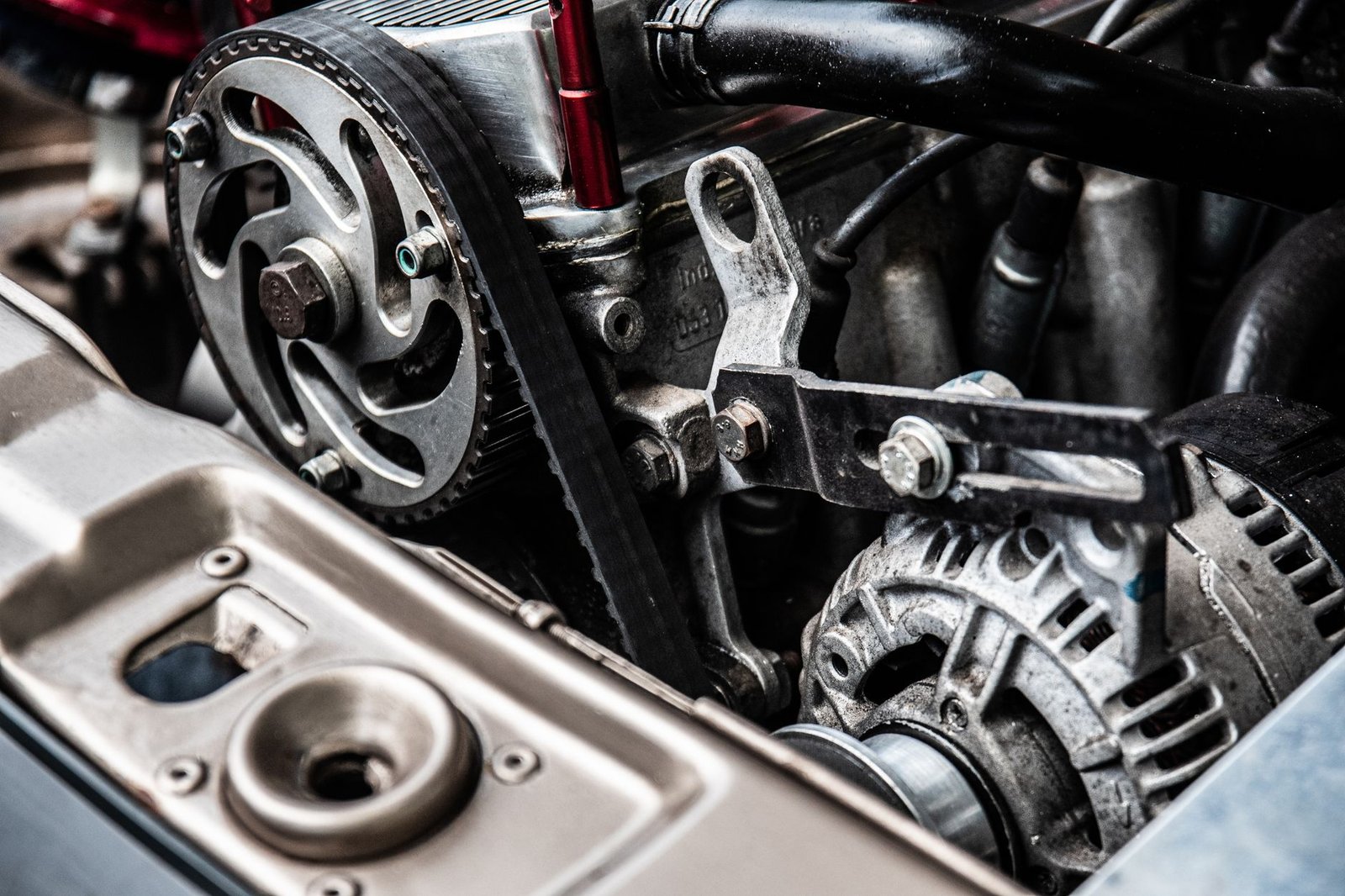
- Alternators and starters, which are often shared across an entire engine family regardless of the vehicle wrapped around it.
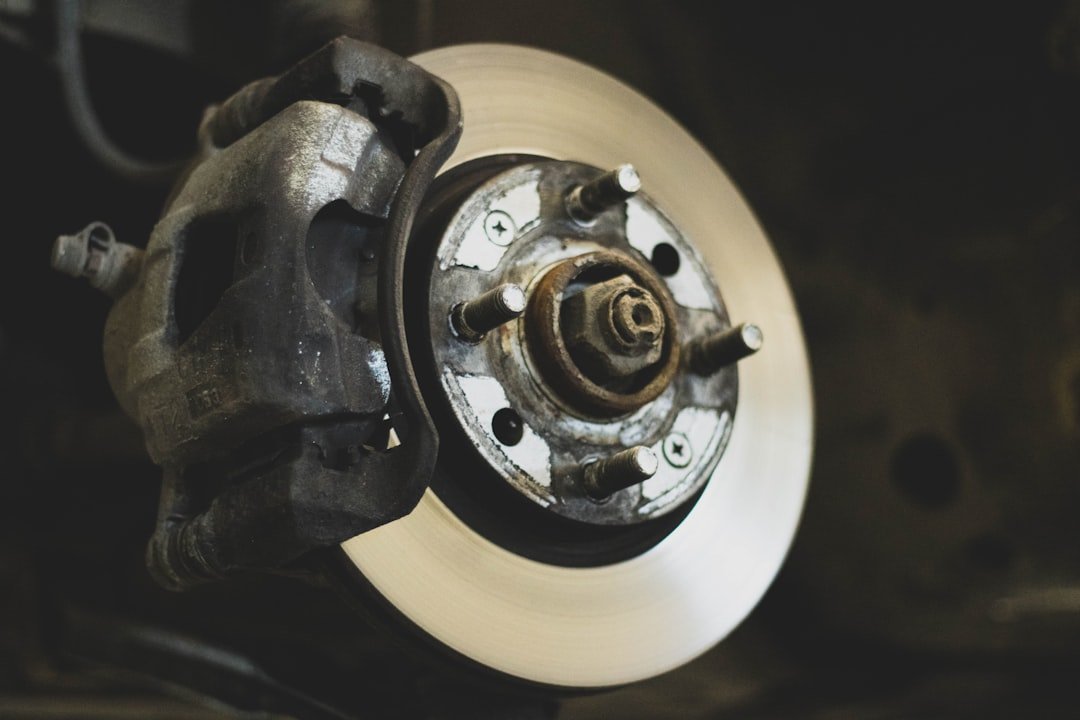
- Brake rotors and calipers, which are frequently identical across multiple trim levels and even multiple model years of the same platform.
- Mirrors and window regulators, especially on shared-platform sibling vehicles from the same manufacturer.
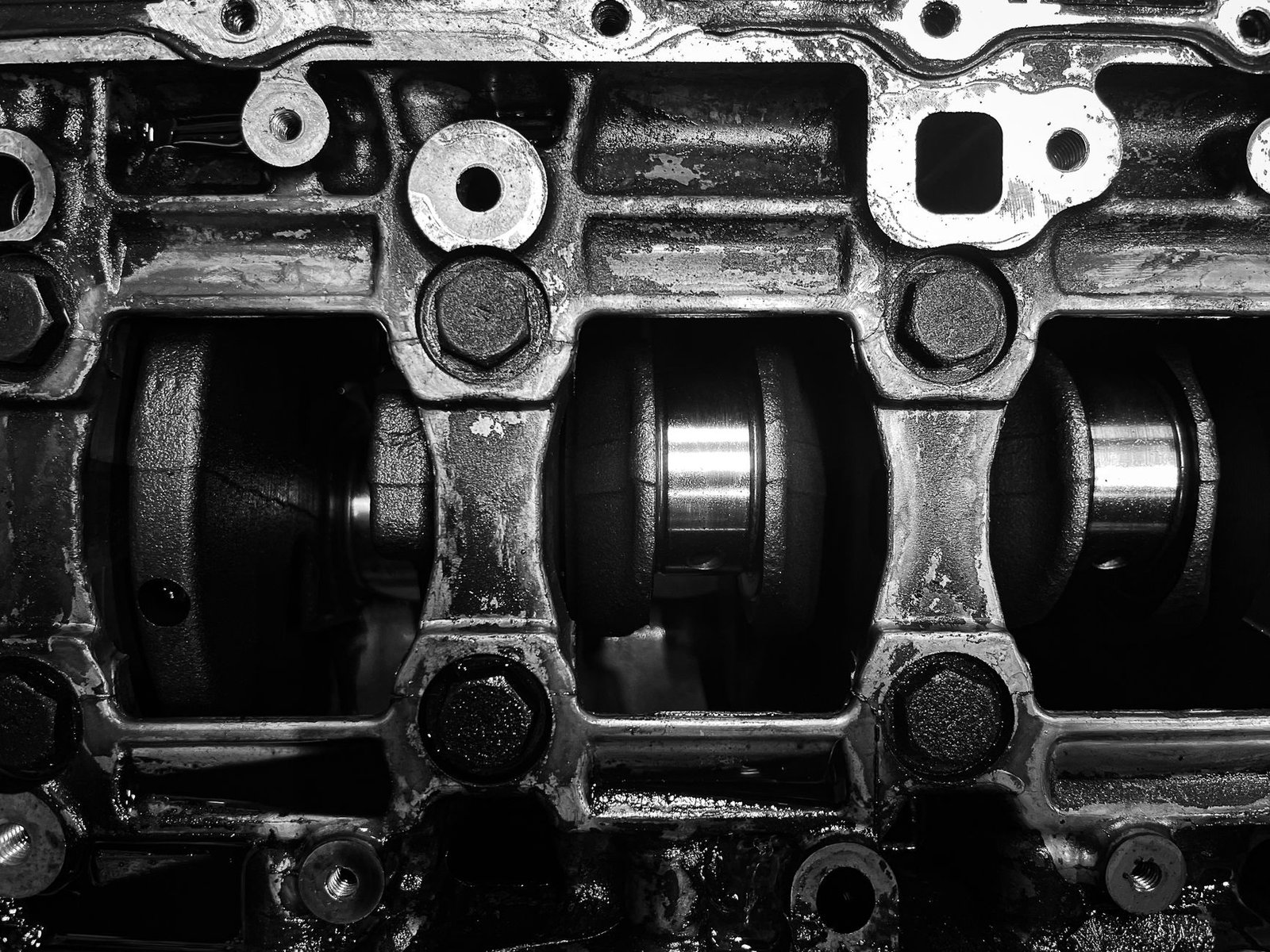
- Engine and transmission internals, since these are usually built around the powertrain rather than the specific model it’s installed in.
Parts That Rarely Interchange
Body panels, headlights, taillights, and anything tied closely to a specific vehicle’s exterior styling almost never interchange, even between closely related sibling models, since styling is usually the one area manufacturers deliberately differentiate. Interior trim pieces and dashboard components are similarly unreliable for interchange, since these are often unique to trim level as well as model.

Electronics tied to a specific vehicle’s computer system, like body control modules or infotainment units, are also unreliable interchange candidates even when the part looks physically identical, since software pairing can prevent a functionally identical part from working correctly.
Model Year Changes Within the Same Generation
Even within a single model generation, manufacturers sometimes make running changes partway through production, updating a part’s design without changing the model year designation on the window sticker. This means two vehicles with the same year, make, and model can occasionally require different parts, and it’s a common source of interchange confusion for buyers relying on year alone rather than checking a part number directly.
How to Confirm a Part Actually Interchanges
- Compare the full part number, not just a partial match, since a single-digit difference can indicate an incompatible revision.
- Check the manufacturer’s fitment guide or interchange database rather than relying on physical appearance alone.
- When possible, compare against your vehicle’s VIN-decoded specifications rather than just the model year, since mid-year running changes are common.
- Ask a parts specialist directly if a listing doesn’t explicitly confirm interchange for your specific vehicle.
Real-World Examples of Interchange
A few well-known examples make the concept concrete. Many General Motors sedans and SUVs built on the same platform share identical brake components, suspension bushings, and electrical switches across what look like completely unrelated models on a dealer lot. Several Japanese manufacturers have historically shared engine families across their sedan and small SUV lineups for a decade or more at a stretch, meaning a used engine pulled from one body style can drop directly into another with no modification.
Corporate partnerships add another layer entirely. When two manufacturers share ownership or a joint venture, it’s common for one company’s compact car to be nearly identical mechanically to the other’s, sold under a different name and with different sheet metal, but built on the same assembly line with the same suppliers.
Why This Matters for Your Wallet
Interchange isn’t just a mechanical curiosity, it directly affects what you pay. A part that only fits one low-volume model has a small pool of donor vehicles feeding the used parts market, which keeps prices higher and availability lower. A part shared across a dozen models over multiple years has a much deeper pool of donor vehicles, which tends to mean more supply, more competition among sellers, and lower prices for a buyer.
This is one reason it’s worth asking a parts specialist about interchange options rather than assuming you need the exact part number stamped on your original component. In many cases, a functionally identical part from a sibling model costs meaningfully less simply because it’s more common in the salvage supply chain.
Interchange and Engine Swaps
Interchange knowledge is especially useful for engine and transmission swaps, where a shared engine family across multiple models opens up a much wider pool of donor vehicles to source from. A popular engine platform used across a decade of production and several different models means significantly more used engines available at significantly more price points than if you were restricted to a single model.
This is also why some vehicles hold their value better in the used parts market than others: a widely shared platform with a large interchange pool tends to have cheaper, more available parts than a low-volume model built on a unique platform of its own.
Where Englewood Used Auto Parts Fits In
Our parts counter tracks interchange across our entire inventory, so if the exact part for your vehicle isn’t in stock, we can often point you to a compatible part from a sibling model. Browse our used auto parts inventory or call ahead with your VIN to confirm current availability and interchange options.
Our VIN and vehicle compatibility guide covers exactly what to check before ordering, and it’s the fastest way for our team to confirm interchange fitment on your specific vehicle. Mazda’s rotary-engined RX-7 and RX-8 are a notable exception to interchange logic, since our Mazda parts guide explains, rotary parts don’t share anything with the rest of the lineup. On the other end of the spectrum, our Buick & Cadillac parts guide covers how much the Cadillac Escalade actually shares with GM’s full-size trucks under the badge.
Frequently Asked Questions
What does “interchange” mean for auto parts?
It refers to a part built for one vehicle that also fits a different make, model, or model year without modification, usually because the vehicles share an underlying platform, engine family, or manufacturer.
Which parts interchange most easily?
Alternators, starters, brake rotors and calipers, mirrors, window regulators, and engine or transmission internals tend to interchange most often, since they’re less tied to a vehicle’s specific exterior styling.
Which parts almost never interchange?
Body panels, headlights, taillights, interior trim, and electronics tied to a vehicle’s computer system rarely interchange reliably, even between closely related sibling models.
How do I confirm a part will actually fit my vehicle?
Compare full part numbers rather than partial matches, check a manufacturer’s interchange database, and confirm against your VIN-decoded specifications rather than model year alone.
Why does interchange matter for engine swaps?
A widely shared engine platform used across multiple models and years opens up a much larger pool of used donor engines, often at better prices than sourcing from a single model alone.
Not sure if a part interchanges with your vehicle? Contact our parts counter with your VIN and we’ll confirm fitment before you buy.

Leave a Reply