
Mazda built a reputation on driver-focused engineering long before “Zoom-Zoom” became a marketing slogan, and that shows up in the parts bin too: tight tolerances, a compact engine lineup, and, in a few notable cases, an engine design unlike anything else on the road. Here’s what to know about the Mazda models we see most and where they tend to need attention.
This guide covers common Mazda models, typical trouble spots, and what’s worth knowing about the rotary engine if you’re dealing with an older RX model.
Common Mazda Models We Stock Parts For
| Model | Notes |
|---|---|
| Mazda3 | High-volume compact car; shares much of its platform and engine family with the CX-30 |
| Mazda6 | Midsize sedan, known for above-average build quality in its segment |
| CX-5 | Compact crossover, currently Mazda’s volume leader in the US |
| MX-5 Miata | Lightweight roadster; simple mechanicals make it a favorite for DIY owners |
Skyactiv Engine and Transmission Technology
Mazda’s Skyactiv engineering push, rolled out starting in the early 2010s, focused on higher compression ratios and reduced internal friction to improve efficiency without turbocharging on most models. These engines are generally considered reliable, though the higher compression design means fuel quality and consistent maintenance matter a bit more than on a low-compression engine of the same size.
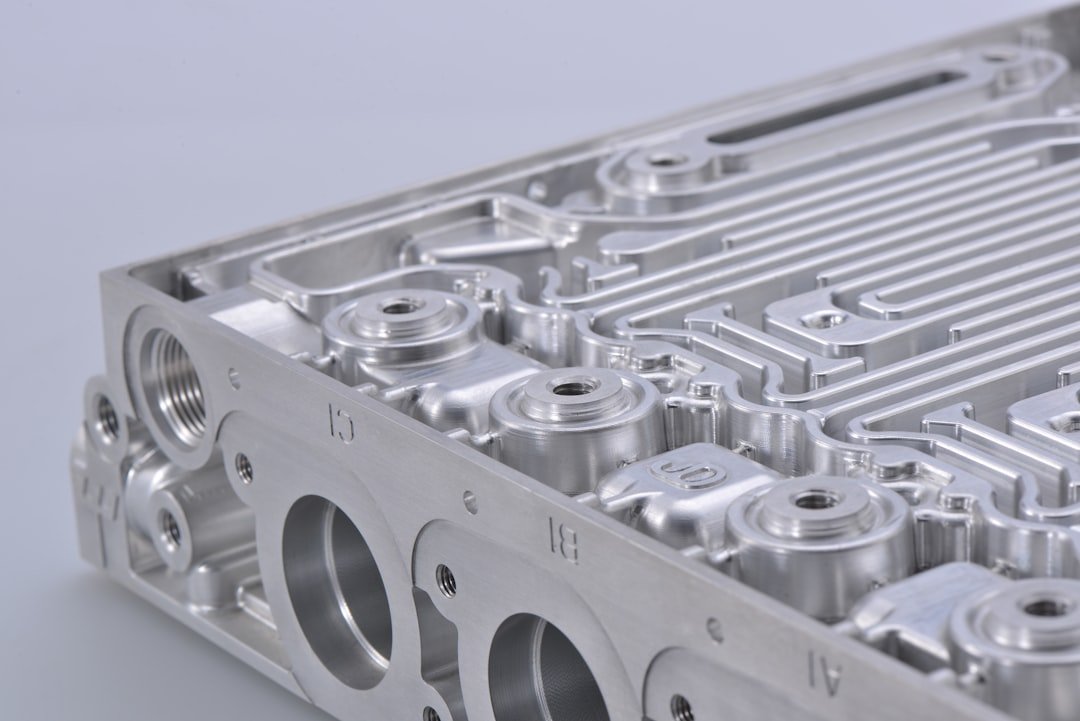
Skyactiv transmissions, whether automatic or manual, are conventional in design rather than a CVT, which tends to make used transmission parts more straightforward to source and diagnose compared to some competitors’ CVT-equipped models.
The Rotary Engine: A Different Animal Entirely
Older Mazda RX-7 and RX-8 models use a Wankel rotary engine, a fundamentally different design from the piston engines in the rest of the lineup. Rotary engines are compact and rev freely, but they’re also known for consuming oil by design (this is normal, not a leak) and for being less tolerant of neglected maintenance than a conventional engine. If you’re sourcing parts for a rotary-engined Mazda, note that these parts do not interchange with any other Mazda model, since the rotary architecture is unique within the brand’s own lineup.
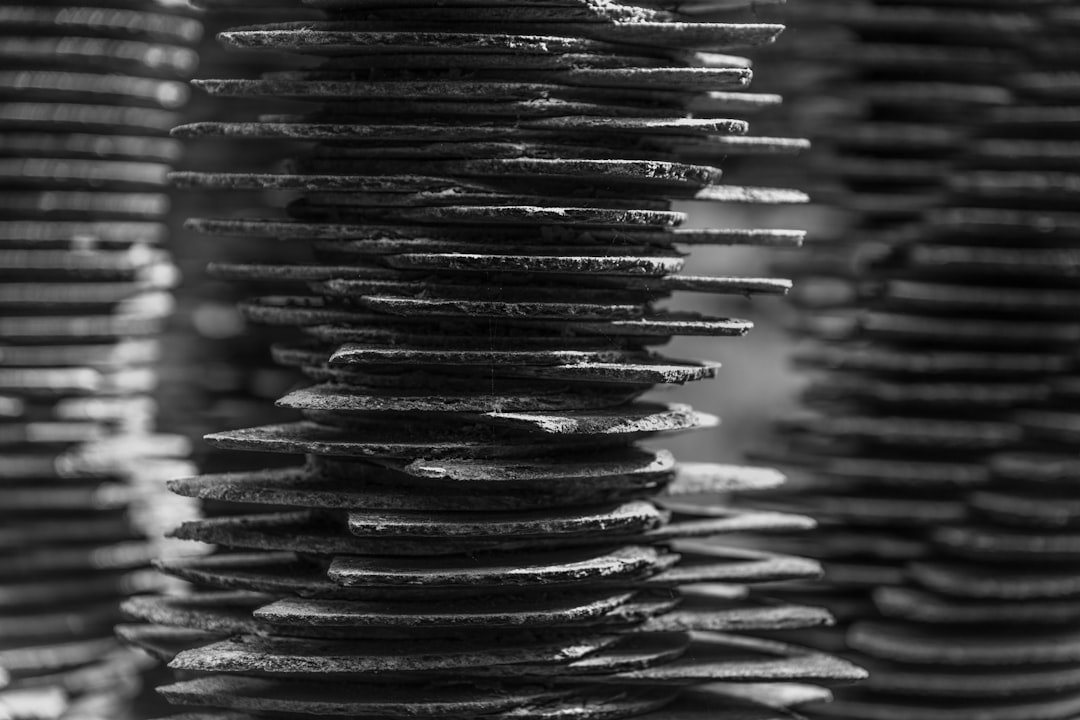
Apex seals, the rotary equivalent of piston rings, are the most common wear item and the reason many rotary engines eventually need a rebuild sooner than a comparable piston engine.
Common Trouble Spots by System
- Clutch wear on manual-equipped models tends to run about average for the segment, though the MX-5’s light clutch feel can mask wear until it’s fairly advanced.
- Infotainment and electrical gremlins are a more common complaint on newer Mazdas than mechanical issues, though these rarely affect drivability.
- Rear subframe corrosion has been noted on some older Mazda3 and Mazda6 models in heavy salt-belt climates, worth a visual check on any higher-mileage example.
- Timing chains (rather than belts) are standard across the current Skyactiv lineup, reducing scheduled maintenance compared to older belt-driven engines.
Suspension: Mazda’s Handling Reputation Has a Cost
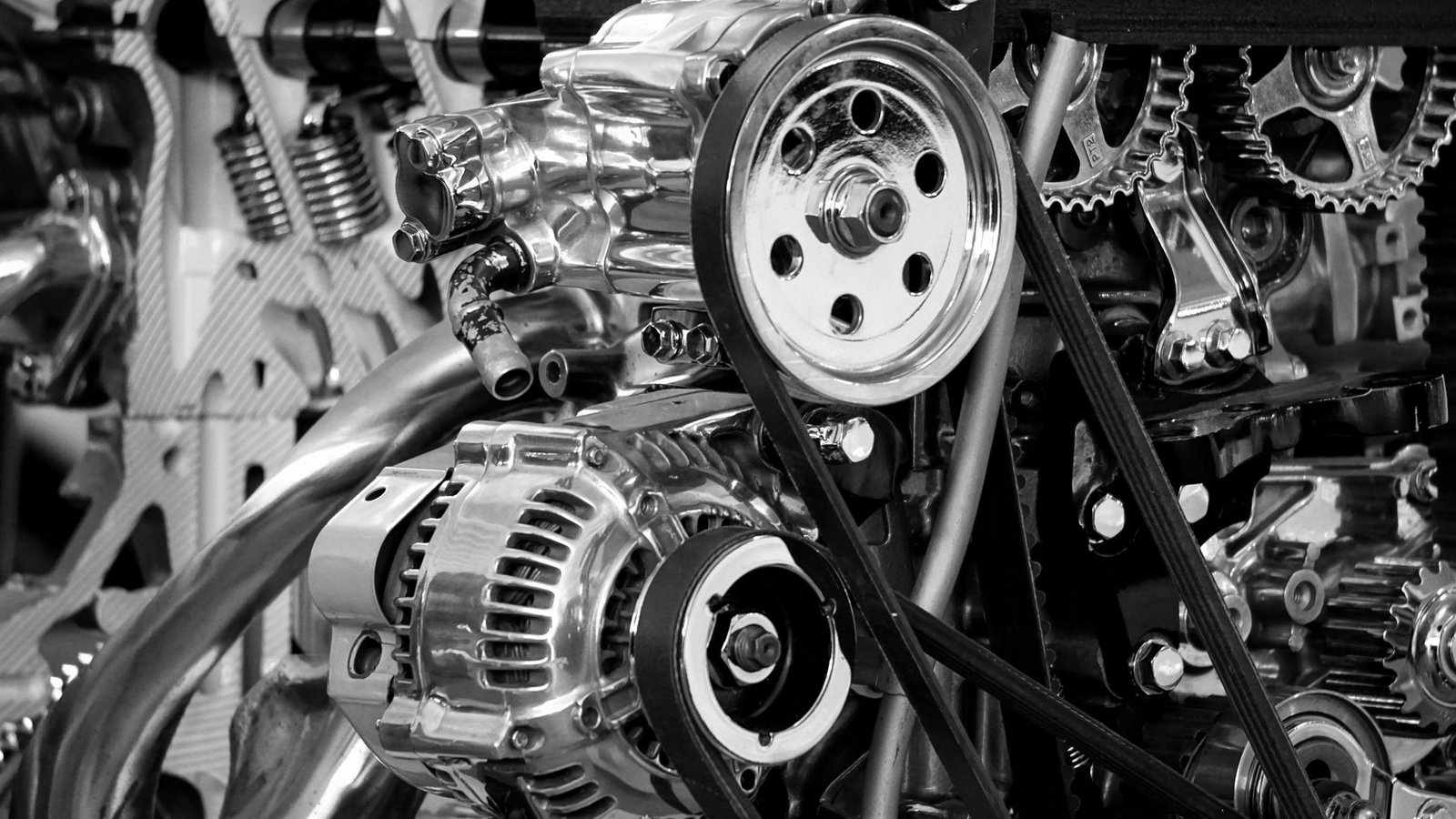
Mazda has built much of its brand identity around handling and driver feedback, which generally means slightly firmer suspension tuning than some competitors in the same class. That firmer tuning can translate to somewhat faster wear on bushings and control arm mounts over time, particularly on models driven regularly on rough city streets and pothole-heavy roads. It’s a reasonable tradeoff for the driving experience most owners are buying a Mazda for in the first place, but it’s worth budgeting for suspension wear items a bit sooner than you might on a softer-riding competitor.
The MX-5 Miata in particular uses a lightweight, relatively simple double-wishbone suspension setup at all four corners on most generations, which makes it one of the easier used-parts platforms to source for and work on, since there’s less complexity and fewer trim-specific variations than on a typical crossover or sedan.
Buying a Used Mazda Transmission
Because Mazda’s manual and automatic transmissions are conventional designs rather than CVTs, used transmission parts tend to be more straightforward to diagnose and source than on brands that lean heavily on CVT technology. A used manual transmission from a Mazda3 or MX-5 is generally a safer bet than a CVT unit from many competitors, since wear patterns are more predictable and there’s a longer track record of these transmissions holding up under normal use.
When shopping for a used Mazda transmission, confirm the exact engine and transmission code combination rather than assuming compatibility based on model year alone, since different trim levels sometimes pair the same engine with different gear ratios or clutch types.
Exhaust and Emissions Components
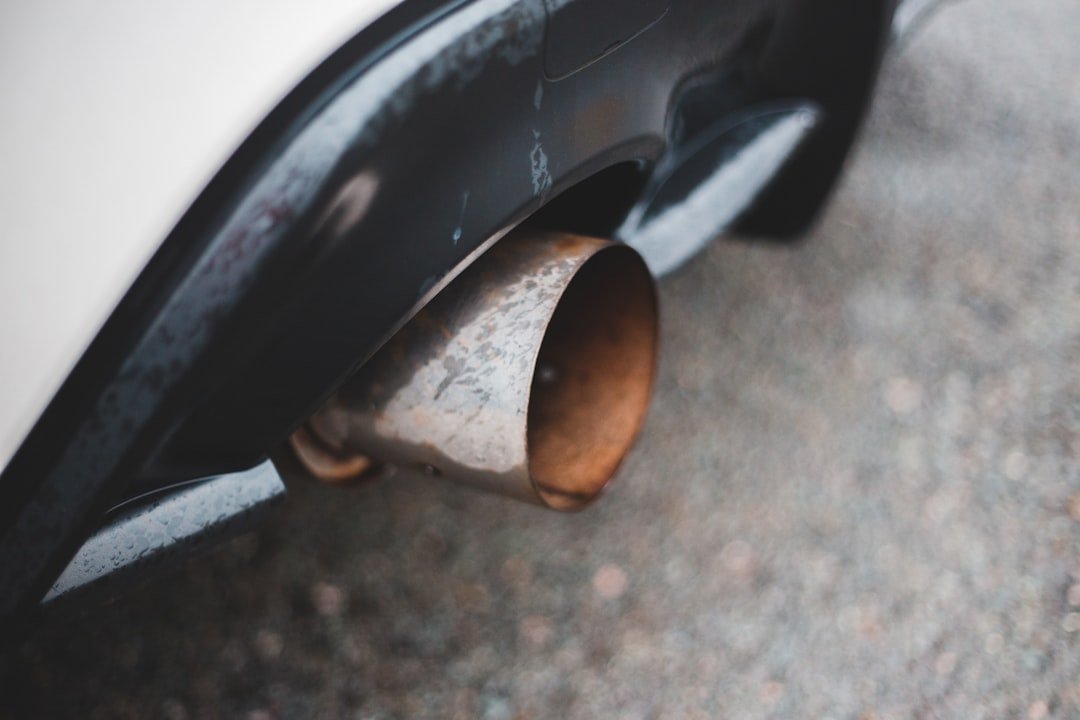
Mazda’s exhaust systems are generally straightforward and interchange well within the same model generation, since there’s less trim-level variation than on some competitors. A used muffler or catalytic converter sourced from the same generation and engine size is usually a safe match, though it’s still worth confirming the exact engine code before ordering.
Buying a Used Rotary Engine: What to Ask
If you’re specifically shopping for a used RX-7 or RX-8 rotary engine, ask about compression testing history and how the vehicle was driven, since rotary engines respond poorly to short trips that never let the engine reach full operating temperature. A rotary that’s mostly done highway driving tends to hold up considerably better than one used primarily for short errands, all else being equal.
Where Englewood Used Auto Parts Fits In
Every Mazda part we sell, from Skyactiv engine components to rotary-specific parts when available, is tested before it’s cataloged. Browse our used auto parts inventory or call ahead with your VIN to confirm current availability. Rotary-specific parts move less often than Skyactiv components, so calling ahead is especially worthwhile if you’re sourcing for an RX-7 or RX-8. Feel free to ask about interchange options across the lineup too.

Not sure how to confirm your VIN before ordering? Our VIN and vehicle compatibility guide covers exactly what to check, and our interchange parts guide explains which parts are likely to fit across different Mazda model years, including which components tend to carry over across a platform generation and which don’t.
Frequently Asked Questions
Is it normal for a Mazda rotary engine to burn oil?
Yes. Rotary engines are designed to burn a small amount of oil as part of normal operation, unlike a piston engine where oil consumption usually signals a leak or worn seals. This is expected behavior, not a defect.
Do rotary engine parts interchange with other Mazda models?
No. The Wankel rotary architecture used in the RX-7 and RX-8 is unique within Mazda’s lineup and does not share parts with Skyactiv or other conventional piston engines.
Are Skyactiv engines reliable?
Generally yes. They’re conventional piston designs with higher compression ratios for efficiency, and they don’t carry the CVT reliability concerns some competing models do.
What is the most common wear item on a rotary engine?
Apex seals, which function similarly to piston rings, are the most common wear item and often the reason a rotary engine needs a rebuild sooner than a comparable piston engine.
Do Mazda3 and Mazda6 parts interchange?
Some do, particularly engine and drivetrain components from the same generation, but always confirm with a full part number rather than assuming based on model name alone.
Have a question about a specific Mazda part, including rotary-specific components, or need help confirming fitment before you order? Contact our parts counter and we’ll help you track it down.

Leave a Reply