
Buick and Cadillac occupy the near-luxury and full-luxury tiers of General Motors’ lineup, which means more standard comfort and convenience features than a comparably priced economy model, but also a few more systems that can develop issues as the vehicle ages. Here’s what we typically see with these models and where the parts differ from GM’s more mainstream offerings.
This guide covers common Buick and Cadillac models, the extra comfort and convenience systems worth knowing about, and where these vehicles share parts with the rest of the GM lineup versus where they truly don’t.
Common Buick and Cadillac Models We Stock Parts For
| Model | Notes |
|---|---|
| Buick Enclave | Midsize crossover; shares its platform with several other GM SUVs |
| Buick LaCrosse | Sedan positioned above mainstream GM sedans, discontinued in recent years |
| Cadillac Escalade | Full-size SUV built on a shared GM truck platform, popular for parts due to that shared architecture |
| Cadillac CTS / CT5 | Cadillac’s sport sedan lineup, with more unique chassis and engine components than the SUVs |
Shared Platforms Within GM
One of the more useful things to know about Buick and Cadillac parts is how much they share with other GM vehicles under the hood, even when the badge and interior trim look completely different. The Cadillac Escalade, for example, shares its basic platform, suspension, and drivetrain architecture with GM’s full-size trucks and SUVs, which means a much deeper used parts pool than the Escalade badge alone might suggest.

Sedans and crossovers tend to share less across brands than the trucks and SUVs do, so it’s worth confirming interchange on a part-by-part basis rather than assuming broadly.
Air Suspension and Ride Control Systems
Higher trim levels on several Buick and Cadillac models offer an available air suspension system in place of conventional steel springs, providing a smoother ride and self-leveling capability. Air suspension components wear differently than conventional springs and shocks, and a failing air spring typically shows up as a sagging corner or a compressor that runs more frequently than normal trying to maintain ride height.
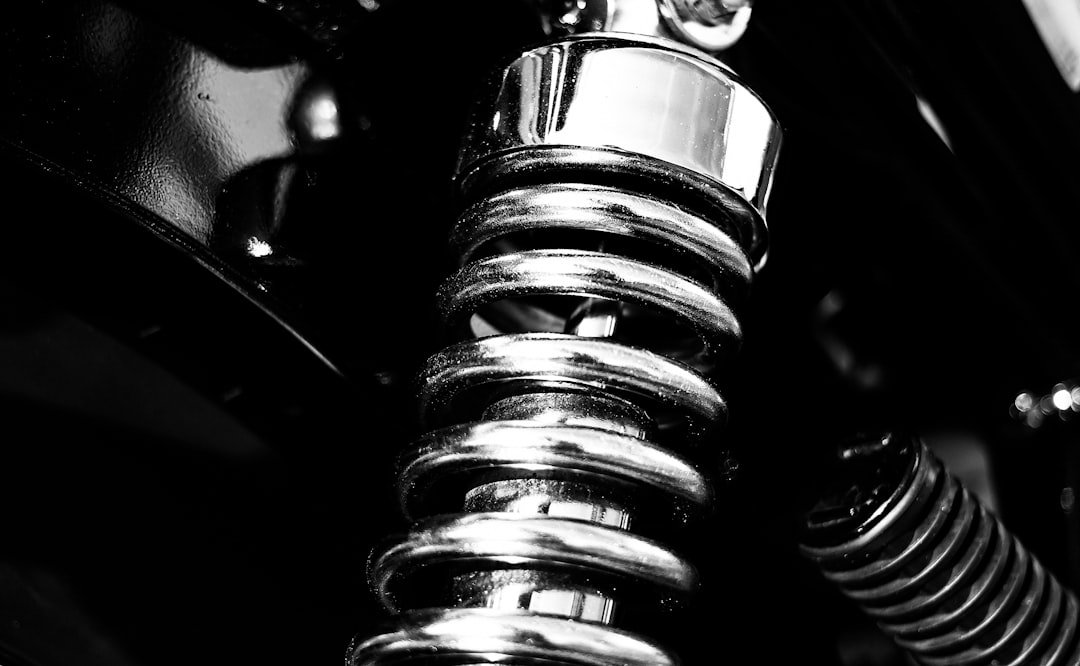
Used air suspension parts are less common in the supply chain than conventional strut and spring parts, simply because fewer vehicles are originally equipped with the option, so it’s worth calling ahead to confirm availability rather than assuming it’s in stock.
Common Trouble Spots by System
- Transmission fluid coolers and lines see slightly more stress on the Escalade and other truck-based models due to their higher curb weight and towing capability.
- Climate control modules on higher trims with dual-zone or tri-zone automatic climate control can develop calibration issues that mimic a mechanical HVAC problem.
- Power seat motors and tracks, standard on most trims, are a common wear item given how much more frequently they’re used compared to a manual seat.
- Infotainment and electrical systems on newer Cadillacs are more complex than on mainstream GM models, which can mean longer diagnostic times when something goes wrong.
Interior Comfort Features Worth Knowing
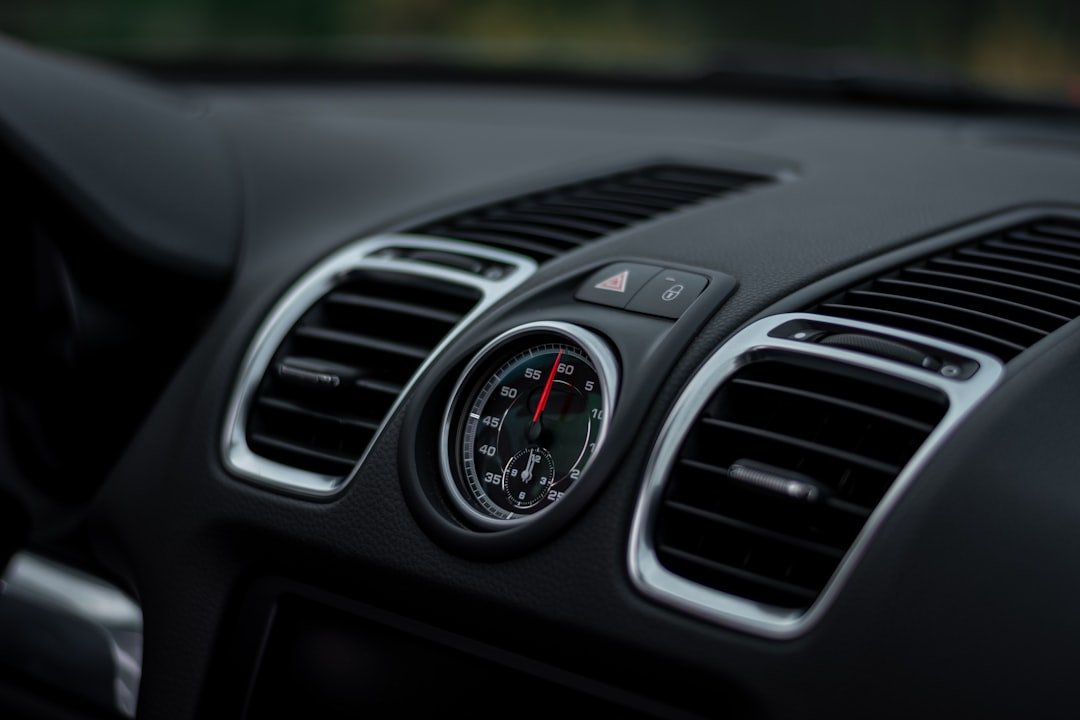
Because these models are positioned above mainstream GM trims, they tend to come standard with features that are optional or unavailable elsewhere: heated and ventilated seats, heated steering wheels, and multi-zone automatic climate control among them. When sourcing a used interior part, confirm the exact feature set on the donor vehicle matches what you need, since a base cloth seat won’t share the same wiring harness as a heated leather seat even in the same body style.
Engine Options Across the Lineup
Buick and Cadillac’s engine lineup has ranged from conventional four-cylinder and V6 options shared with mainstream GM models to Cadillac-specific V8 engines used in performance-oriented trims. The more mainstream engines tend to be easier to source used parts for simply due to higher production volume, while performance-specific V8 variants can take longer to find, particularly for internal components rather than bolt-on accessories.
When shopping for a used engine, confirm the exact engine code rather than assuming compatibility based on the model name alone, since some models offered multiple engine choices across their production run, and a V6 and V8 variant of the same body style will not share major components. A VIN decode is the fastest way to confirm exactly which engine your specific vehicle left the factory with.
Power Seats, Locks, and Convenience Motors
Because these trims come standard with more powered convenience features than mainstream GM models, there are simply more small motors and actuators that can eventually wear out: power seats with memory presets, power-folding mirrors, and power liftgates among them. Most of these failures are isolated to a single motor or actuator rather than indicating a broader electrical problem, and used replacements are generally straightforward to source given the popularity of these trims in the used parts market.
A power seat that moves in some directions but not others usually points to a specific motor within the seat track assembly rather than the entire seat needing replacement, which keeps repair costs more reasonable than the complexity of the feature set might suggest. The same logic applies to power-folding mirrors and liftgates: isolate which specific motion is failing before assuming the whole assembly needs to be replaced.
Where Englewood Used Auto Parts Fits In
Every single Buick and Cadillac part we sell, including higher-trim comfort and convenience components, is tested before it’s cataloged. Browse our used auto parts inventory or call ahead with your VIN to confirm current availability, especially for less common options like air suspension parts or performance-specific V8 engine components.
Not sure how to confirm your VIN before ordering? Our VIN and vehicle compatibility guide covers exactly what to check, and our interchange parts guide explains which parts are likely to carry over from other GM models, particularly for truck-based platforms like the Escalade where shared architecture runs deeper than the badge suggests.
Frequently Asked Questions
Do Cadillac Escalade parts interchange with GM trucks?
Many do, since the Escalade shares its basic platform, suspension, and drivetrain architecture with GM’s full-size trucks and SUVs. This gives the Escalade a deeper used parts pool than the badge alone might suggest.
How do I know if my air suspension is failing?
A sagging corner, an uneven ride height, or a compressor that runs more frequently than normal trying to maintain height are the most common signs. These parts are less common in the used supply chain than conventional springs and struts.
Are Buick and Cadillac interiors harder to source parts for?
Not necessarily harder, but you do need to confirm the exact feature set, since heated, ventilated, or multi-zone climate components have different wiring than base equivalents even within the same body style.
Do Buick and Cadillac sedans share parts with each other?
Less than you might expect. Sedans and crossovers tend to share fewer parts across brands than trucks and SUVs do, so confirm interchange part by part rather than assuming broadly.
Are Cadillac electrical systems harder to diagnose?
They can take longer than mainstream GM models simply due to added complexity in infotainment and multi-zone climate systems, though the underlying diagnostic process is similar.
Have a question about a specific Buick or Cadillac part, or need help confirming what interchanges with your specific trim level? Contact our parts counter and we’ll help you track it down.


Leave a Reply