Author: Auto Parts Expert

  • Used Volkswagen Parts Guide: Common Models and Trouble Spots

    Used Volkswagen Parts Guide: Common Models and Trouble Spots

    Volkswagen has one of the longest continuous production histories of any automaker, and that shows up in the used parts market in an unusual way: some VW parts and platforms have been in production for decades with only incremental changes, while others turn over completely every generation. Knowing which is which matters a lot when you’re sourcing a used part.

    This guide covers common VW models we see, typical trouble spots, and a few notes on the TDI diesel engines that set Volkswagen apart from most competitors in the compact and midsize segments.

    Common Volkswagen Models We Stock Parts For

    ModelNotes
    JettaVW’s best-selling US sedan; shares much of its platform with the Golf
    Golf / GTIHatchback platform, with the GTI trim adding a more performance-oriented engine and suspension tune
    PassatMidsize sedan, larger than the Jetta with different engine options depending on model year
    TiguanCompact crossover, VW’s volume leader in the growing SUV segment

    TDI Diesel Engines: What to Know

    Volkswagen sold diesel-powered TDI engines in the US market for years before regulatory issues led to their discontinuation in most models. If you’re dealing with an older TDI-equipped vehicle, know that diesel engines generally have simpler ignition systems than gasoline engines (no spark plugs or ignition coils in the traditional sense) but rely heavily on the fuel injection system and turbocharger working correctly together.
    A gas station fuel pump nozzle

    Used TDI engines and injection components remain in demand among owners who value the fuel economy and longevity these engines are known for, though sourcing specific injector or pump parts can take longer than for a comparable gasoline engine simply due to lower overall production volume.

    Common Trouble Spots by System

    • Ignition coil packs on gasoline-engine models are a well-known wear item, often causing a rough idle or misfire code well before any other symptoms appear.
    • Window regulators have a reputation for failing more often than average on several VW generations, usually the plastic clips inside the mechanism rather than the motor itself.
    • Water pumps on some four-cylinder engines are driven by the timing belt rather than a separate accessory belt, which means a failed water pump can also mean a belt replacement at the same time.
    • Electrical connector corrosion is a more common complaint on VWs than on some competitors, particularly in salt-belt climates like Chicago.
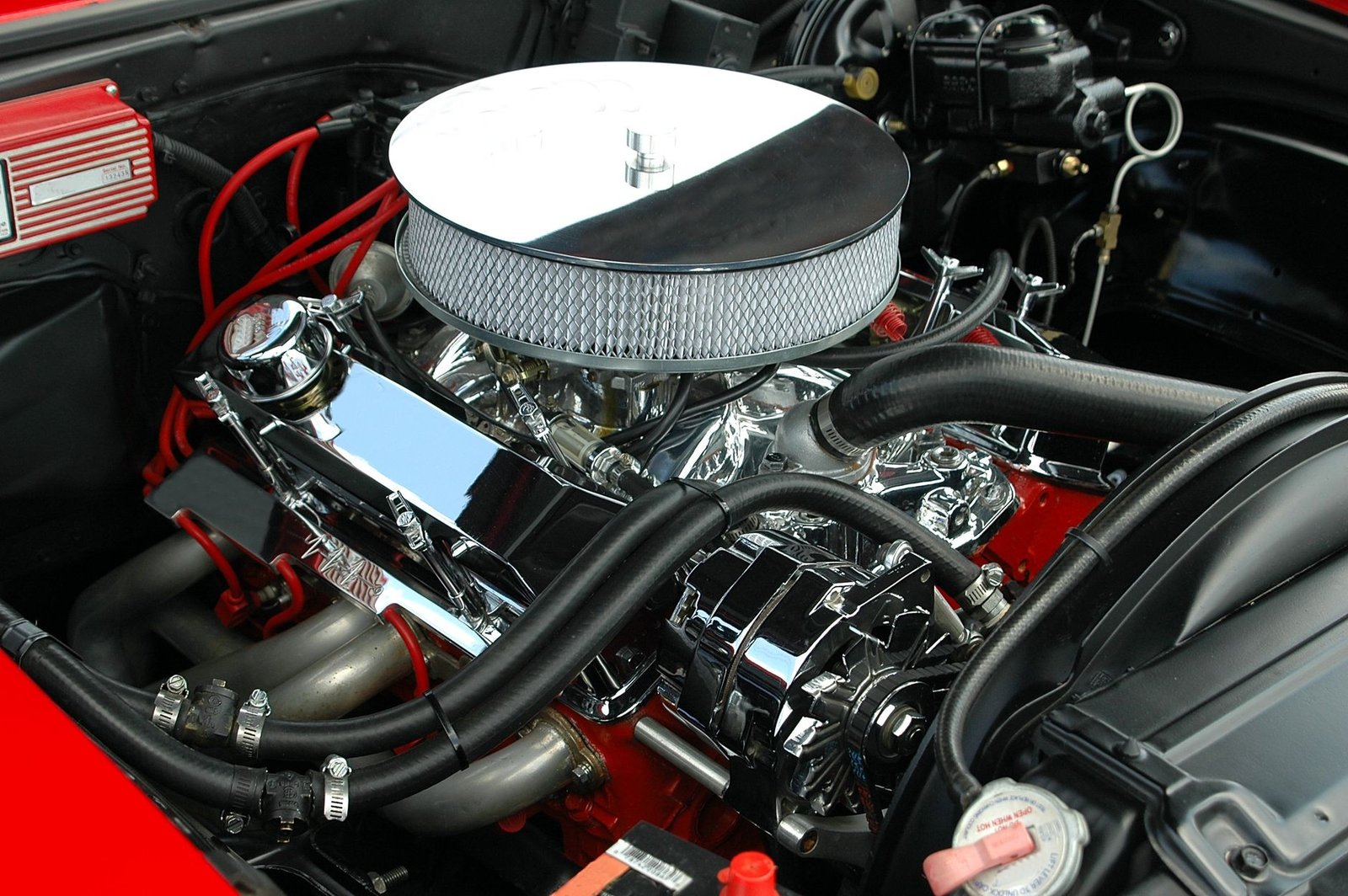
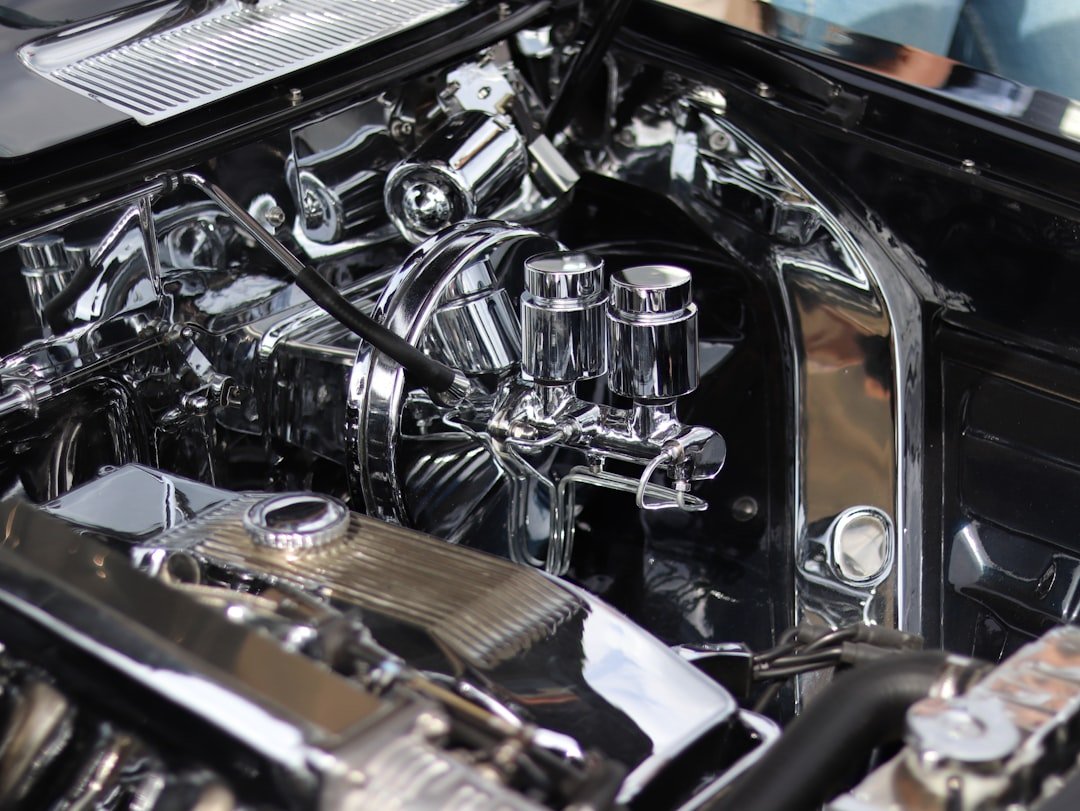
    A chrome show-car engine bay

    DSG and Manual Transmissions

    Volkswagen’s dual-clutch DSG transmission behaves differently from both a conventional automatic and a CVT, using two separate clutch packs to pre-select gears for faster shifts. DSG units require their own specific fluid and maintenance schedule, and a used DSG transmission should come with clear service history whenever possible, since a neglected DSG can develop clutch pack wear that’s expensive to diagnose after the fact.

    Manual transmissions remain available on several VW models, including the GTI, and tend to be simpler and more straightforward to source used parts for compared to the DSG.

    Suspension and Wheels

    VW’s European-influenced suspension tuning tends toward a firmer ride than many American or Japanese competitors in the same class, which some owners specifically seek out for handling reasons. That firmer tuning can mean slightly faster wear on control arm bushings and sway bar links, particularly on rougher city streets.
    A plain car wheel rim

    Wheel bearing wear also tends to show up a bit earlier on VW models compared to some competitors, often as a low-frequency hum that changes pitch with vehicle speed. Since this same symptom can sometimes point to a tire issue instead, it’s worth ruling out uneven tire wear before assuming the wheel bearing itself needs replacement.

    Electrical System Quirks Worth Knowing

    Volkswagens have a reputation, deserved or not, for more electrical gremlins than some competitors, particularly around connector corrosion in salt-belt climates and occasional module communication faults that can be tricky to pin down without a proper diagnostic scan tool. A used electrical component, whether it’s a window switch, a body control module, or a sensor, is worth testing on the bench before installation whenever possible, since a corroded connector on the original part can sometimes be the actual root cause rather than the component itself.

    This is also why it’s worth having a full diagnostic scan done before assuming a specific part needs replacing, since VW’s onboard diagnostics tend to throw fairly specific codes that can point toward a wiring or connector issue rather than the part the code initially seems to implicate.

    Timing Belt vs. Timing Chain by Engine

    Volkswagen has used both timing belts and timing chains across different engines and model years, sometimes even within the same engine family across a production run. A timing belt requires periodic replacement on a mileage or time-based interval, while a timing chain is generally designed to last the life of the engine under normal conditions. Because water pumps on some four-cylinder engines are driven by the timing belt itself, a timing belt service on these engines often includes a water pump replacement as a preventive measure, since access to one means access to the other.

    Confirming which setup your specific engine code uses, rather than assuming based on model year, is worth doing before budgeting for maintenance or sourcing used parts for either system.

    Where Englewood Used Auto Parts Fits In

    Every Volkswagen part we sell, from TDI-specific components to DSG transmission parts, is tested before it’s cataloged. Browse our used auto parts inventory or call ahead with your VIN to confirm current availability, particularly for lower-volume parts like TDI injection components where inventory can shift quickly.
    A car hazard light switch closeup

    Not sure how to confirm your VIN before ordering? Our VIN and vehicle compatibility guide covers exactly what to check, since VW engine and transmission codes vary meaningfully even within the same model year and can be easy to mix up without checking the actual build sheet.
    A circle of wrenches on a dark background

    Frequently Asked Questions

    Are TDI diesel engines still worth buying used?

    Yes, though sourcing specific injector or pump components can take longer than for a comparable gasoline engine due to lower overall production volume. The engines themselves are generally known for longevity when properly maintained.

    What is a DSG transmission and how is it different?

    A dual-clutch transmission using two separate clutch packs to pre-select gears for faster shifts than a conventional automatic. It requires its own specific fluid and maintenance schedule, distinct from both a traditional automatic and a CVT.

    Why do VW window regulators fail so often?

    Usually it’s the plastic clips inside the regulator mechanism breaking down over time, rather than the window motor itself failing. This is a well-documented wear pattern across several VW generations.

    Do Jetta and Golf parts interchange?

    Many do, particularly engine, transmission, and suspension components, since the two models share much of the same platform. Always confirm with a full part number rather than assuming based on model name alone.

    Is a rough idle always an ignition coil problem on a VW?

    Not always, but ignition coil packs are a well-documented and common cause of rough idle and misfire codes on VW gasoline engines, making them one of the first things worth checking.

    Have a question about a specific Volkswagen part, including TDI or DSG components, or need help confirming which engine or transmission code your vehicle actually has? Contact our parts counter and we’ll help you track it down.
  • Used Mazda Parts Guide: Common Models and Trouble Spots

    Used Mazda Parts Guide: Common Models and Trouble Spots

    Mazda built a reputation on driver-focused engineering long before “Zoom-Zoom” became a marketing slogan, and that shows up in the parts bin too: tight tolerances, a compact engine lineup, and, in a few notable cases, an engine design unlike anything else on the road. Here’s what to know about the Mazda models we see most and where they tend to need attention.

    This guide covers common Mazda models, typical trouble spots, and what’s worth knowing about the rotary engine if you’re dealing with an older RX model.

    Common Mazda Models We Stock Parts For

    ModelNotes
    Mazda3High-volume compact car; shares much of its platform and engine family with the CX-30
    Mazda6Midsize sedan, known for above-average build quality in its segment
    CX-5Compact crossover, currently Mazda’s volume leader in the US
    MX-5 MiataLightweight roadster; simple mechanicals make it a favorite for DIY owners

    Skyactiv Engine and Transmission Technology

    Mazda’s Skyactiv engineering push, rolled out starting in the early 2010s, focused on higher compression ratios and reduced internal friction to improve efficiency without turbocharging on most models. These engines are generally considered reliable, though the higher compression design means fuel quality and consistent maintenance matter a bit more than on a low-compression engine of the same size.

    An engine cylinder head

    Skyactiv transmissions, whether automatic or manual, are conventional in design rather than a CVT, which tends to make used transmission parts more straightforward to source and diagnose compared to some competitors’ CVT-equipped models.

    The Rotary Engine: A Different Animal Entirely

    Older Mazda RX-7 and RX-8 models use a Wankel rotary engine, a fundamentally different design from the piston engines in the rest of the lineup. Rotary engines are compact and rev freely, but they’re also known for consuming oil by design (this is normal, not a leak) and for being less tolerant of neglected maintenance than a conventional engine. If you’re sourcing parts for a rotary-engined Mazda, note that these parts do not interchange with any other Mazda model, since the rotary architecture is unique within the brand’s own lineup.

    A stack of clutch discs

    Apex seals, the rotary equivalent of piston rings, are the most common wear item and the reason many rotary engines eventually need a rebuild sooner than a comparable piston engine.

    Common Trouble Spots by System

    • Clutch wear on manual-equipped models tends to run about average for the segment, though the MX-5’s light clutch feel can mask wear until it’s fairly advanced.
    • Infotainment and electrical gremlins are a more common complaint on newer Mazdas than mechanical issues, though these rarely affect drivability.
    • Rear subframe corrosion has been noted on some older Mazda3 and Mazda6 models in heavy salt-belt climates, worth a visual check on any higher-mileage example.
    • Timing chains (rather than belts) are standard across the current Skyactiv lineup, reducing scheduled maintenance compared to older belt-driven engines.
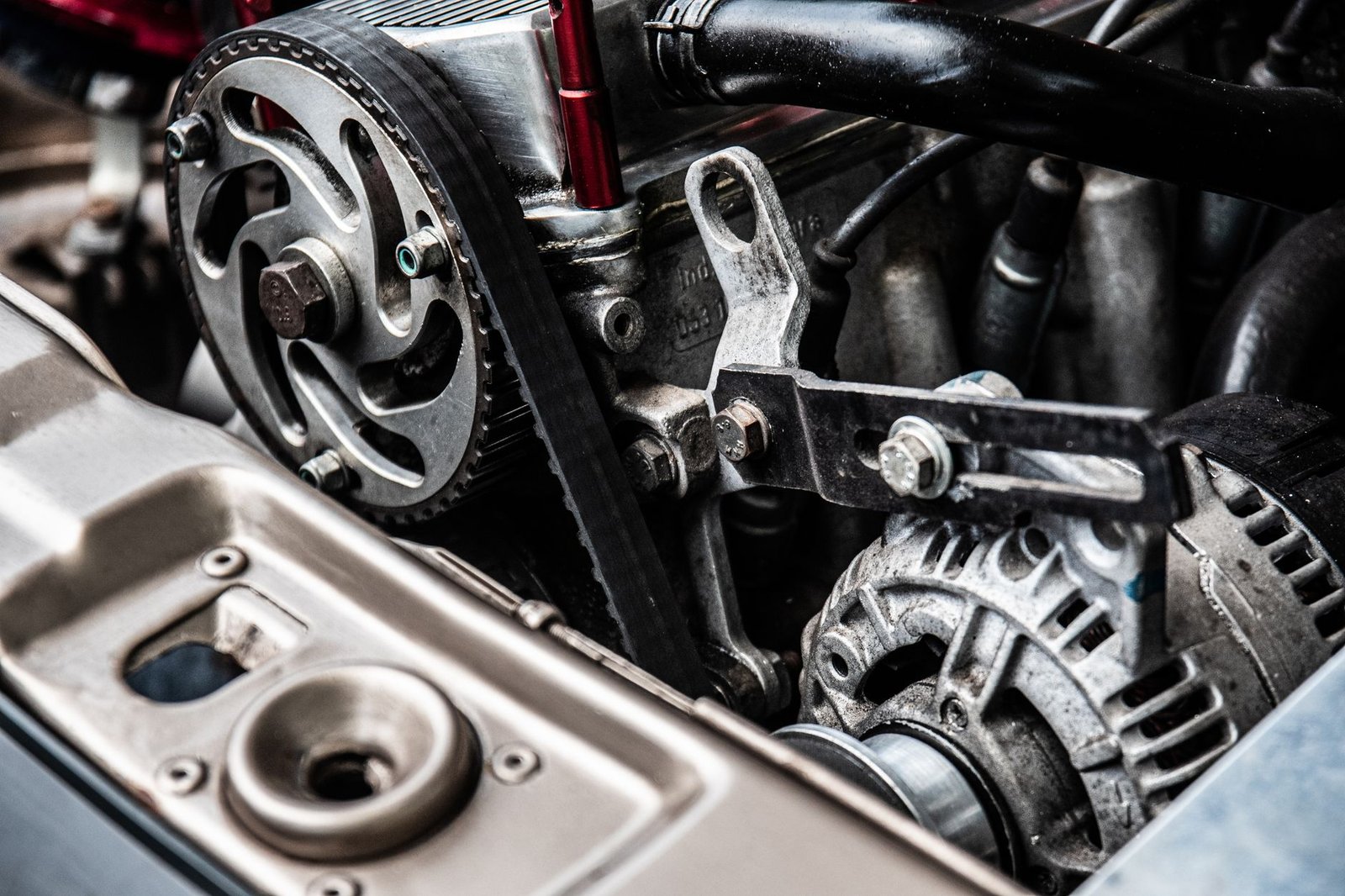
    A chrome engine bay with alternator and pulleys

    Suspension: Mazda’s Handling Reputation Has a Cost

    Mazda has built much of its brand identity around handling and driver feedback, which generally means slightly firmer suspension tuning than some competitors in the same class. That firmer tuning can translate to somewhat faster wear on bushings and control arm mounts over time, particularly on models driven regularly on rough city streets and pothole-heavy roads. It’s a reasonable tradeoff for the driving experience most owners are buying a Mazda for in the first place, but it’s worth budgeting for suspension wear items a bit sooner than you might on a softer-riding competitor.

    The MX-5 Miata in particular uses a lightweight, relatively simple double-wishbone suspension setup at all four corners on most generations, which makes it one of the easier used-parts platforms to source for and work on, since there’s less complexity and fewer trim-specific variations than on a typical crossover or sedan.

    Buying a Used Mazda Transmission

    Because Mazda’s manual and automatic transmissions are conventional designs rather than CVTs, used transmission parts tend to be more straightforward to diagnose and source than on brands that lean heavily on CVT technology. A used manual transmission from a Mazda3 or MX-5 is generally a safer bet than a CVT unit from many competitors, since wear patterns are more predictable and there’s a longer track record of these transmissions holding up under normal use.

    When shopping for a used Mazda transmission, confirm the exact engine and transmission code combination rather than assuming compatibility based on model year alone, since different trim levels sometimes pair the same engine with different gear ratios or clutch types.

    Exhaust and Emissions Components

    Mazda’s exhaust systems are generally straightforward and interchange well within the same model generation, since there’s less trim-level variation than on some competitors. A used muffler or catalytic converter sourced from the same generation and engine size is usually a safe match, though it’s still worth confirming the exact engine code before ordering.

    A rusted muffler tailpipe

    Buying a Used Rotary Engine: What to Ask

    If you’re specifically shopping for a used RX-7 or RX-8 rotary engine, ask about compression testing history and how the vehicle was driven, since rotary engines respond poorly to short trips that never let the engine reach full operating temperature. A rotary that’s mostly done highway driving tends to hold up considerably better than one used primarily for short errands, all else being equal.

    Where Englewood Used Auto Parts Fits In

    Every Mazda part we sell, from Skyactiv engine components to rotary-specific parts when available, is tested before it’s cataloged. Browse our used auto parts inventory or call ahead with your VIN to confirm current availability. Rotary-specific parts move less often than Skyactiv components, so calling ahead is especially worthwhile if you’re sourcing for an RX-7 or RX-8. Feel free to ask about interchange options across the lineup too.

    Cars driving on a highway

    Not sure how to confirm your VIN before ordering? Our VIN and vehicle compatibility guide covers exactly what to check, and our interchange parts guide explains which parts are likely to fit across different Mazda model years, including which components tend to carry over across a platform generation and which don’t.

    Frequently Asked Questions

    Is it normal for a Mazda rotary engine to burn oil?

    Yes. Rotary engines are designed to burn a small amount of oil as part of normal operation, unlike a piston engine where oil consumption usually signals a leak or worn seals. This is expected behavior, not a defect.

    Do rotary engine parts interchange with other Mazda models?

    No. The Wankel rotary architecture used in the RX-7 and RX-8 is unique within Mazda’s lineup and does not share parts with Skyactiv or other conventional piston engines.

    Are Skyactiv engines reliable?

    Generally yes. They’re conventional piston designs with higher compression ratios for efficiency, and they don’t carry the CVT reliability concerns some competing models do.

    What is the most common wear item on a rotary engine?

    Apex seals, which function similarly to piston rings, are the most common wear item and often the reason a rotary engine needs a rebuild sooner than a comparable piston engine.

    Do Mazda3 and Mazda6 parts interchange?

    Some do, particularly engine and drivetrain components from the same generation, but always confirm with a full part number rather than assuming based on model name alone.

    Have a question about a specific Mazda part, including rotary-specific components, or need help confirming fitment before you order? Contact our parts counter and we’ll help you track it down.
  • Used Subaru Parts Guide: Common Models and Trouble Spots

    Used Subaru Parts Guide: Common Models and Trouble Spots

    Subaru’s lineup is built around two things that set it apart from most of the competition: standard all-wheel drive and a horizontally opposed “boxer” engine layout. Both are excellent reasons Subarus hold up well in Chicago winters, and both come with a few well-known trouble spots worth knowing before you buy used parts.

    This guide covers the most common Subaru models we see, the issues to watch for, and what tends to hold up versus what tends to need attention as these vehicles age.

    Common Subaru Models We Stock Parts For

    ModelNotes
    OutbackThe volume leader; shares most driveline and engine parts with the Legacy
    ForesterCompact SUV body with the same AWD system and boxer engine family as the Outback
    Impreza / CrosstrekSmaller platform, still standard AWD, popular for parts due to high production volume
    LegacySedan counterpart to the Outback, shares nearly all mechanical parts

    The Boxer Engine: What to Know

    Subaru’s horizontally opposed engine layout sits lower in the engine bay than a traditional inline or V-configuration engine, which helps handling but also means the head gaskets sit in a slightly different position and take on different stresses. Older Subaru engines, particularly from the 2000s, had a well-documented reputation for head gasket failures. Newer engines improved significantly, but it’s still worth asking about head gasket history on any used engine or checking for coolant loss and white exhaust smoke before buying.

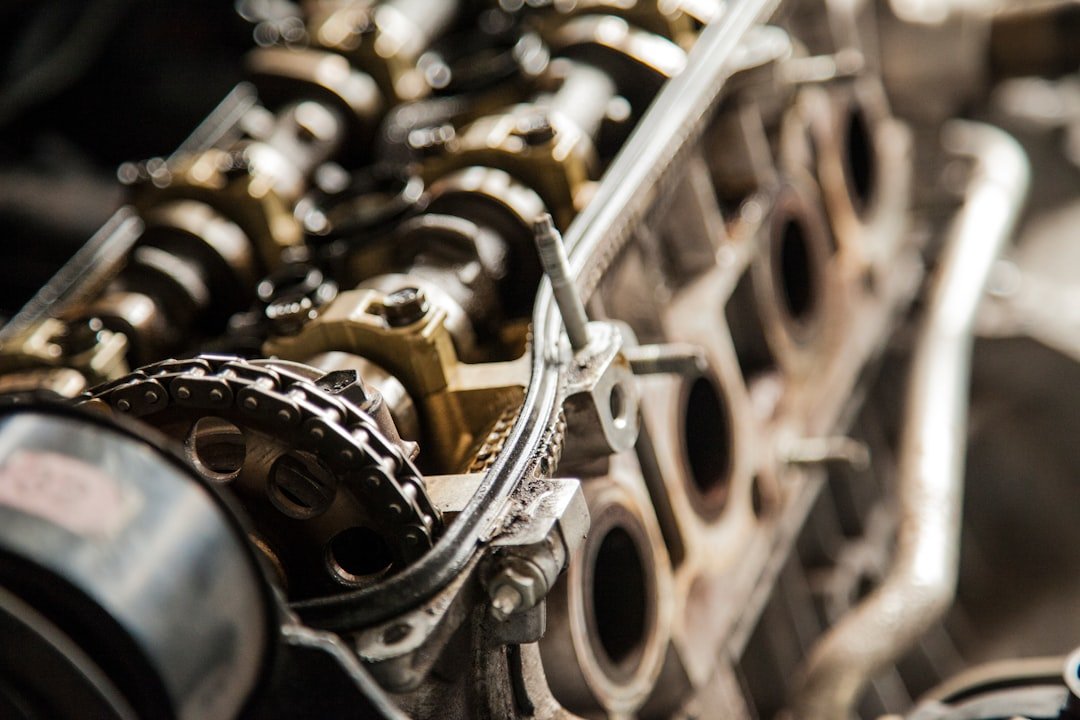
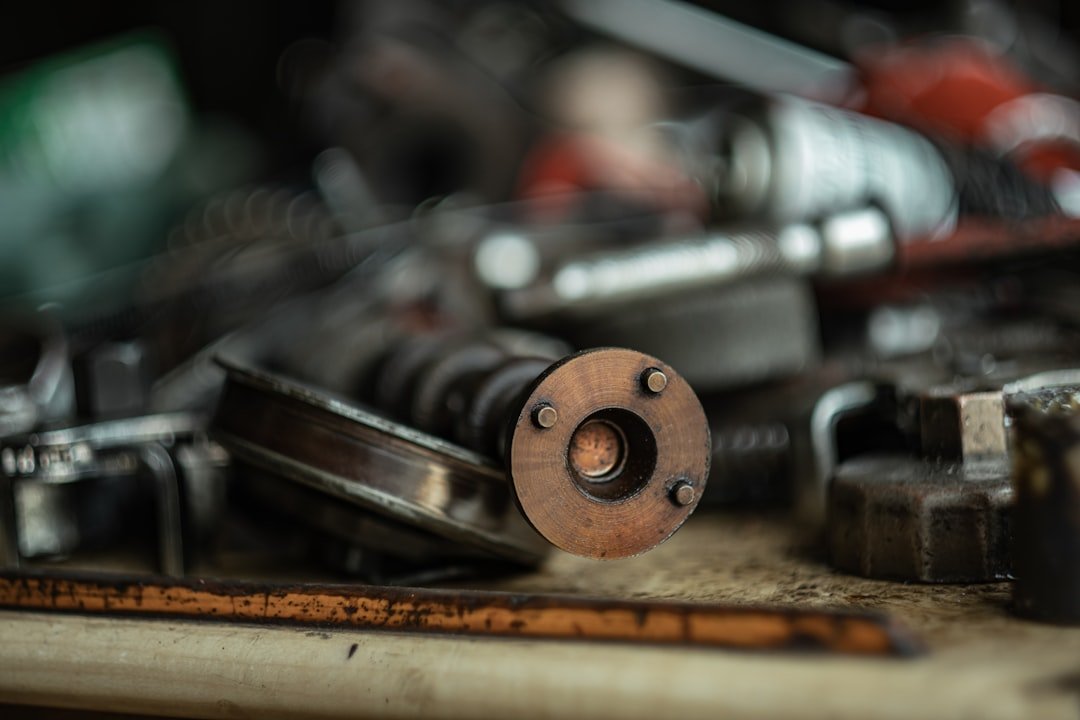
    A camshaft and valve assembly closeup

    A used Subaru engine that’s had the head gaskets replaced with an updated gasket design is generally considered a safer buy than one on its original factory gaskets, especially on higher-mileage examples.

    AWD System: A Major Selling Point, and a Maintenance Item

    Subaru’s symmetrical all-wheel drive system is one of the most consistently praised AWD setups in the industry, but it’s still a mechanical system with wear items: the center differential, viscous coupling, and CV axles all see more constant load than a comparable front-wheel-drive-only vehicle. Regular fluid changes matter more on an AWD Subaru than they might on a two-wheel-drive car, since the transfer case and differential fluids break down under the added stress of full-time power delivery to all four wheels.

    An empty snowy forest road

    Common Trouble Spots by System

    • Head gaskets on older boxer engines, especially 2.5-liter four-cylinders from the 2000s.
    • CVT transmissions on models equipped with them can be sensitive to fluid change intervals; skipped services shorten CVT life noticeably.
    • Wheel bearings tend to wear a bit faster than average, partly due to the added rotational load from full-time AWD.
    • Front strut mounts are a common noise complaint on higher-mileage examples, usually a clunk over bumps rather than a safety issue.
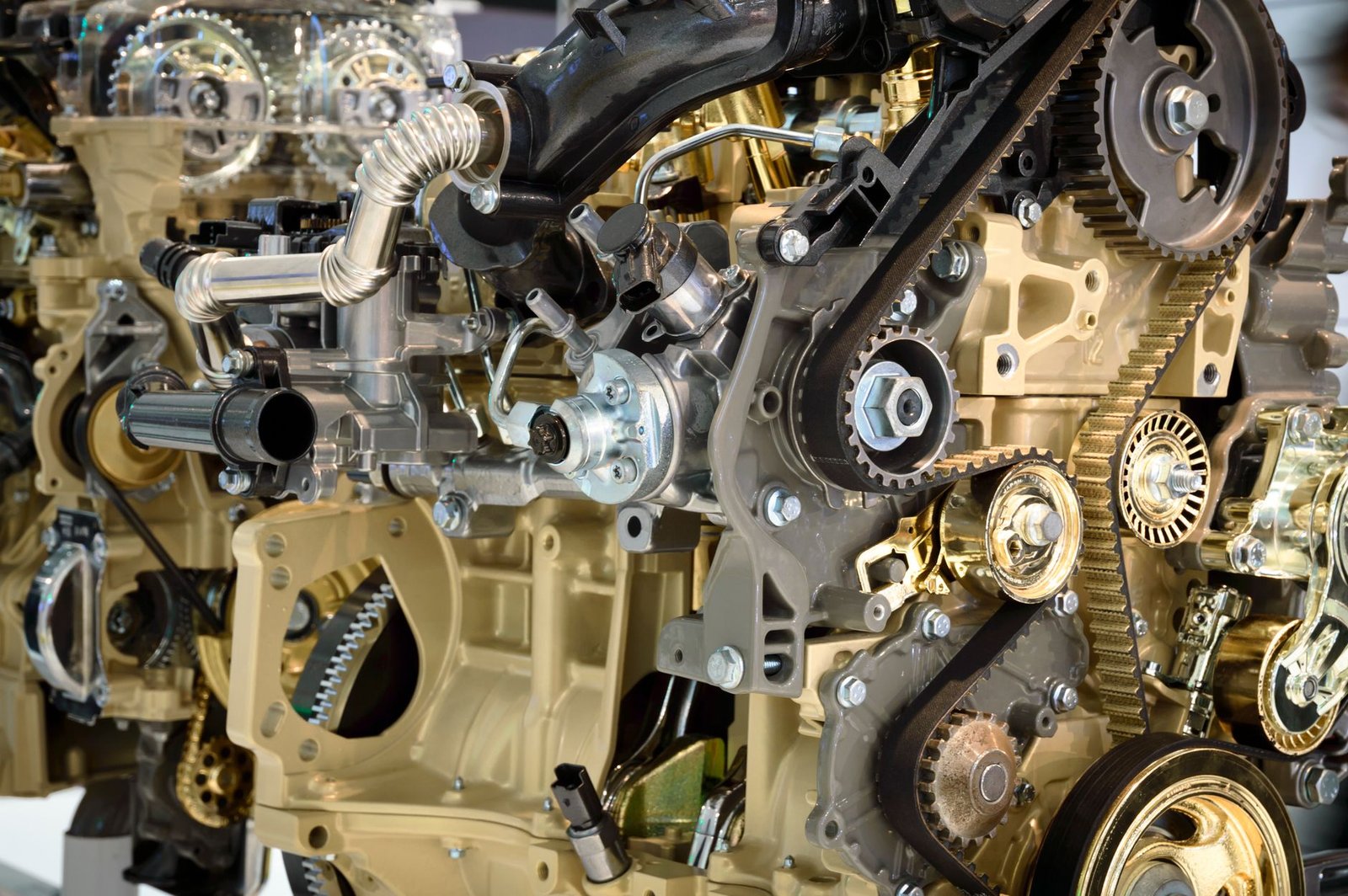
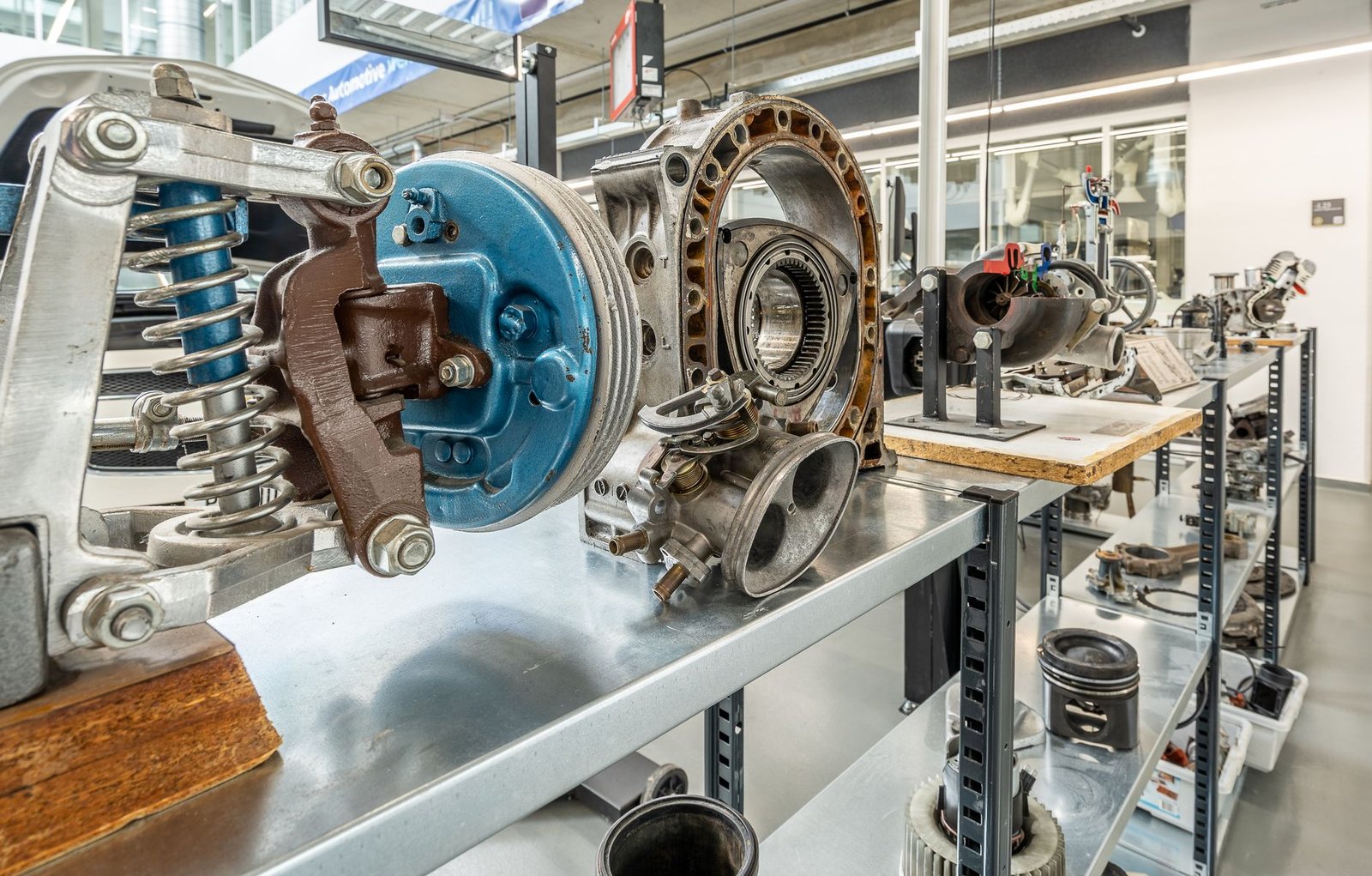
    An engine cutaway display

    Timing Chains vs. Timing Belts

    Subaru’s more recent boxer engines use a timing chain rather than a timing belt, which generally means less scheduled maintenance since chains are designed to last the life of the engine rather than needing periodic replacement. Older boxer engines that used a timing belt still require replacement on a mileage-based interval, so it’s worth confirming which setup your specific engine code uses rather than assuming based on model year alone, since Subaru transitioned at different points across different engine families.

    CVT vs. Manual Transmission Considerations

    Many modern Subarus come equipped with a continuously variable transmission rather than a traditional automatic, and CVTs have a reputation, fair or not, for being less forgiving of neglected fluid changes than a conventional automatic. If you’re buying a used CVT unit or a vehicle with one, ask about fluid change history specifically, since a CVT that’s had regular fluid services tends to hold up considerably better than one that hasn’t.

    Manual transmissions remain available on some trims and tend to be simpler and cheaper to source used parts for, since there’s less electronic complexity involved in the unit itself.

    Suspension and Ride Quality Notes

    Subaru’s raised ride height on models like the Outback and Forester, combined with the added weight of the AWD hardware, puts somewhat more stress on front strut mounts and control arm bushings than a comparable front-wheel-drive-only vehicle. A clunking noise over speed bumps or rough pavement is one of the more common complaints on higher-mileage examples, and it’s usually a worn strut mount rather than anything more serious. It’s a straightforward fix with used parts, since strut assemblies interchange readily across most of the lineup.

    Control arm bushings can also soften over time, especially in a climate like Chicago’s where road salt accelerates corrosion on the mounting hardware. A visual inspection for cracked rubber or excessive play is worth doing on any used Subaru before buying, regardless of mileage.

    Buying a Used Subaru Engine or Transmission

    Because the boxer engine layout is unique to Subaru among mainstream manufacturers, engines don’t interchange with other brands the way some inline-four engines do. This actually works in a buyer’s favor in one sense: the used Subaru engine market is deep, since the same basic boxer architecture has been used across the Outback, Legacy, Forester, and Impreza for decades, meaning a wide pool of donor vehicles feeds the supply of used engines regardless of which specific model you drive.

    When shopping for a used Subaru transmission, confirm whether your vehicle uses a CVT or a conventional automatic, since these are not interchangeable with each other even within the same model year. The vehicle’s build sheet or a VIN decode will confirm which transmission type you actually have.

    Where Englewood Used Auto Parts Fits In

    Every Subaru engine and transmission we sell is tested before it’s cataloged, including a check for head gasket history where applicable. Browse our used auto parts inventory or call ahead with your VIN to confirm current availability.

    A chrome engine bay closeup

    Not sure how to confirm your VIN before ordering? Our VIN and vehicle compatibility guide covers exactly what to check. And since many Subaru parts interchange across the Outback, Legacy, and Forester lineup, our interchange parts guide explains how that works in more detail.

    Vehicles parked at a forest trailhead

    Frequently Asked Questions

    Do all Subarus have head gasket problems?

    No. The issue was most common on 2.5-liter boxer engines from the 2000s. Newer Subaru engines improved the gasket design significantly, though it’s still worth asking about history on any used engine, regardless of age.

    Is a Subaru CVT reliable?

    It can be, provided fluid changes were kept up. A CVT that’s been neglected on fluid service tends to fail earlier than one maintained on schedule, more so than with a conventional automatic transmission.

    Why do Subaru wheel bearings wear faster than average?

    Full-time all-wheel drive puts more constant rotational load on the wheel bearings compared to a front-wheel-drive-only vehicle, which can shorten their service life somewhat.

    Do parts interchange between Outback, Legacy, and Forester?

    Many engine, transmission, and driveline parts do interchange across these models since they share the same basic platform and boxer engine family, though always confirm with a full part number rather than assuming by model name alone.

    What should I check before buying a used Subaru engine?

    Ask about head gasket history, check for coolant loss or white exhaust smoke, and confirm the exact engine code matches your vehicle rather than relying on model year alone.

    Have a question about a specific Subaru part or model? Contact our parts counter and we’ll help you track down what you need.

  • Interchange Parts: Which Vehicles Share the Same Components

    Interchange Parts: Which Vehicles Share the Same Components

    Many manufacturers build multiple models on the same underlying platform, sharing engineering, and that means the same part often fits vehicles that look nothing alike on the outside. Knowing which parts interchange can open up a much wider pool of used inventory and often a better price.

    This guide covers how interchange actually works, which parts tend to interchange most easily, and how to confirm a part will actually fit before you buy it.

    What “Interchange” Actually Means

    Interchange refers to a part designed for one vehicle that also fits, without modification, a different make, model, or model year. This happens because manufacturers frequently share platforms, engines, and entire component families across multiple vehicle lines to save on engineering and tooling costs. A part built for one badge on the hood may be functionally identical to a part sold under a completely different badge.

    Rows of similar sedans in a parking lot

    Why Interchange Happens

    ReasonExample
    Shared platformsSister vehicles built on the same chassis often share suspension and steering parts
    Corporate part-sharingAutomakers under the same parent company frequently share electrical and mechanical components
    Rebadged vehiclesThe same vehicle sold under two brand names with only cosmetic differences
    Engine family reuseThe same engine block used across a range of models and years with minor tuning differences

    Parts That Interchange Most Often

    Some part categories interchange far more readily than others, mostly because they’re less tied to a specific vehicle’s exterior styling or badge-specific electronics.

    • Alternators and starters, which are often shared across an entire engine family regardless of the vehicle wrapped around it.
    • Brake rotors and calipers, which are frequently identical across multiple trim levels and even multiple model years of the same platform.
    • Mirrors and window regulators, especially on shared-platform sibling vehicles from the same manufacturer.
    • Engine and transmission internals, since these are usually built around the powertrain rather than the specific model it’s installed in.
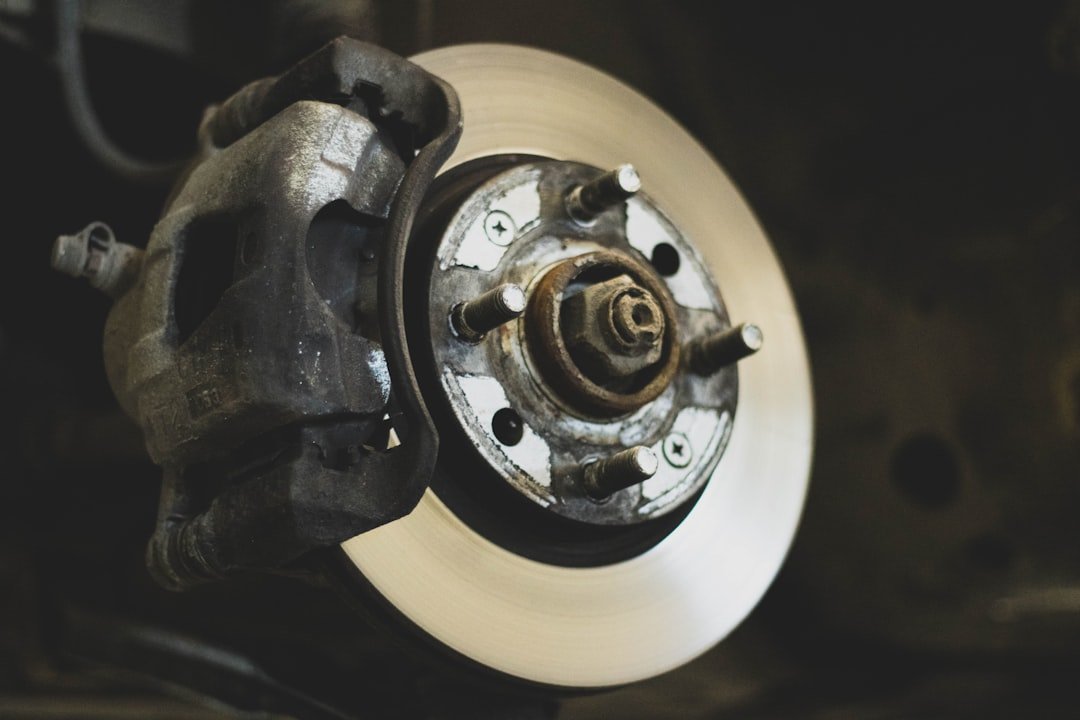
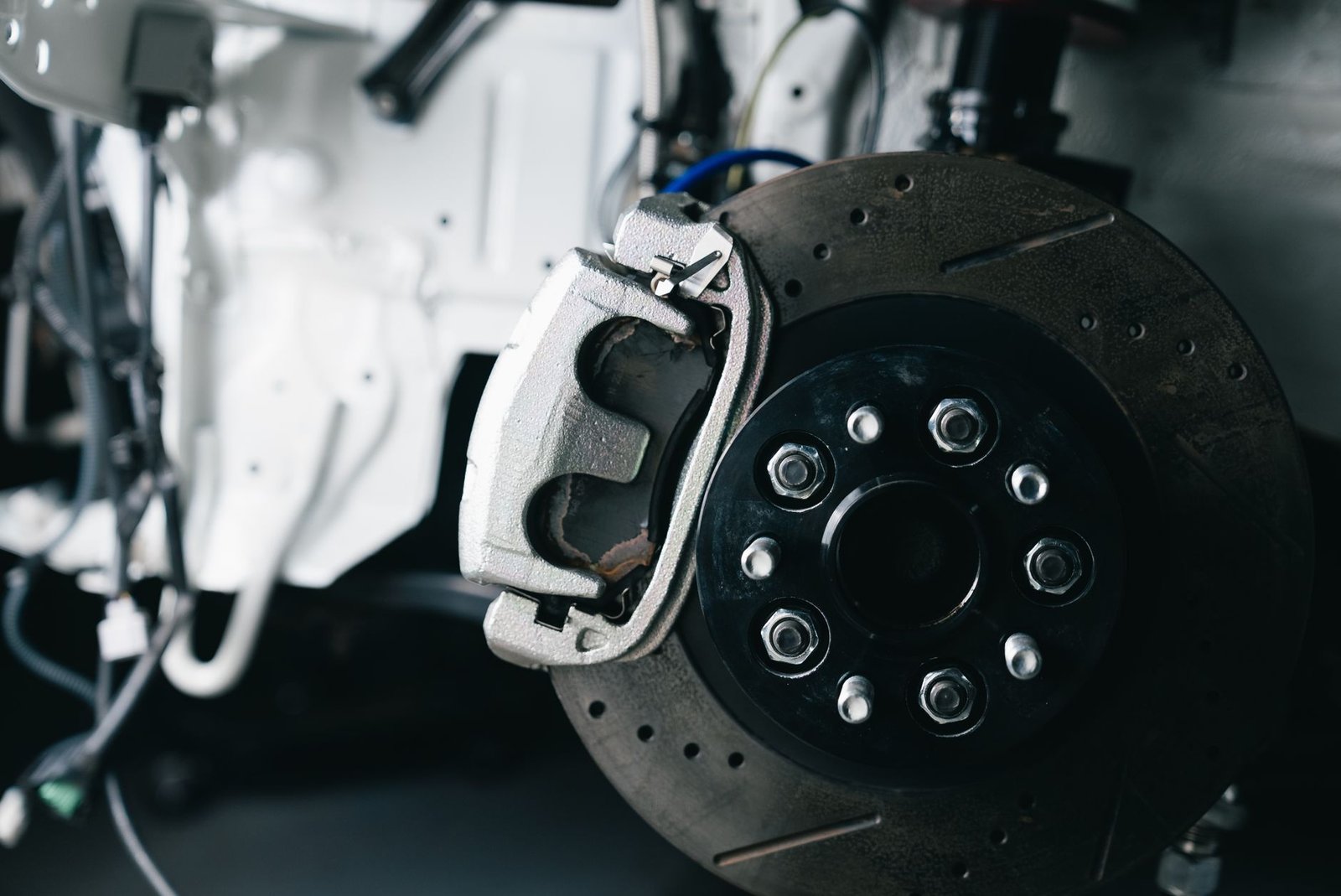
    A brake rotor and caliper assembly

    Parts That Rarely Interchange

    Body panels, headlights, taillights, and anything tied closely to a specific vehicle’s exterior styling almost never interchange, even between closely related sibling models, since styling is usually the one area manufacturers deliberately differentiate. Interior trim pieces and dashboard components are similarly unreliable for interchange, since these are often unique to trim level as well as model.

    A car side mirror reflecting a road at dusk

    Electronics tied to a specific vehicle’s computer system, like body control modules or infotainment units, are also unreliable interchange candidates even when the part looks physically identical, since software pairing can prevent a functionally identical part from working correctly.

    Model Year Changes Within the Same Generation

    Even within a single model generation, manufacturers sometimes make running changes partway through production, updating a part’s design without changing the model year designation on the window sticker. This means two vehicles with the same year, make, and model can occasionally require different parts, and it’s a common source of interchange confusion for buyers relying on year alone rather than checking a part number directly.

    How to Confirm a Part Actually Interchanges

    • Compare the full part number, not just a partial match, since a single-digit difference can indicate an incompatible revision.
    • Check the manufacturer’s fitment guide or interchange database rather than relying on physical appearance alone.
    • When possible, compare against your vehicle’s VIN-decoded specifications rather than just the model year, since mid-year running changes are common.
    • Ask a parts specialist directly if a listing doesn’t explicitly confirm interchange for your specific vehicle.
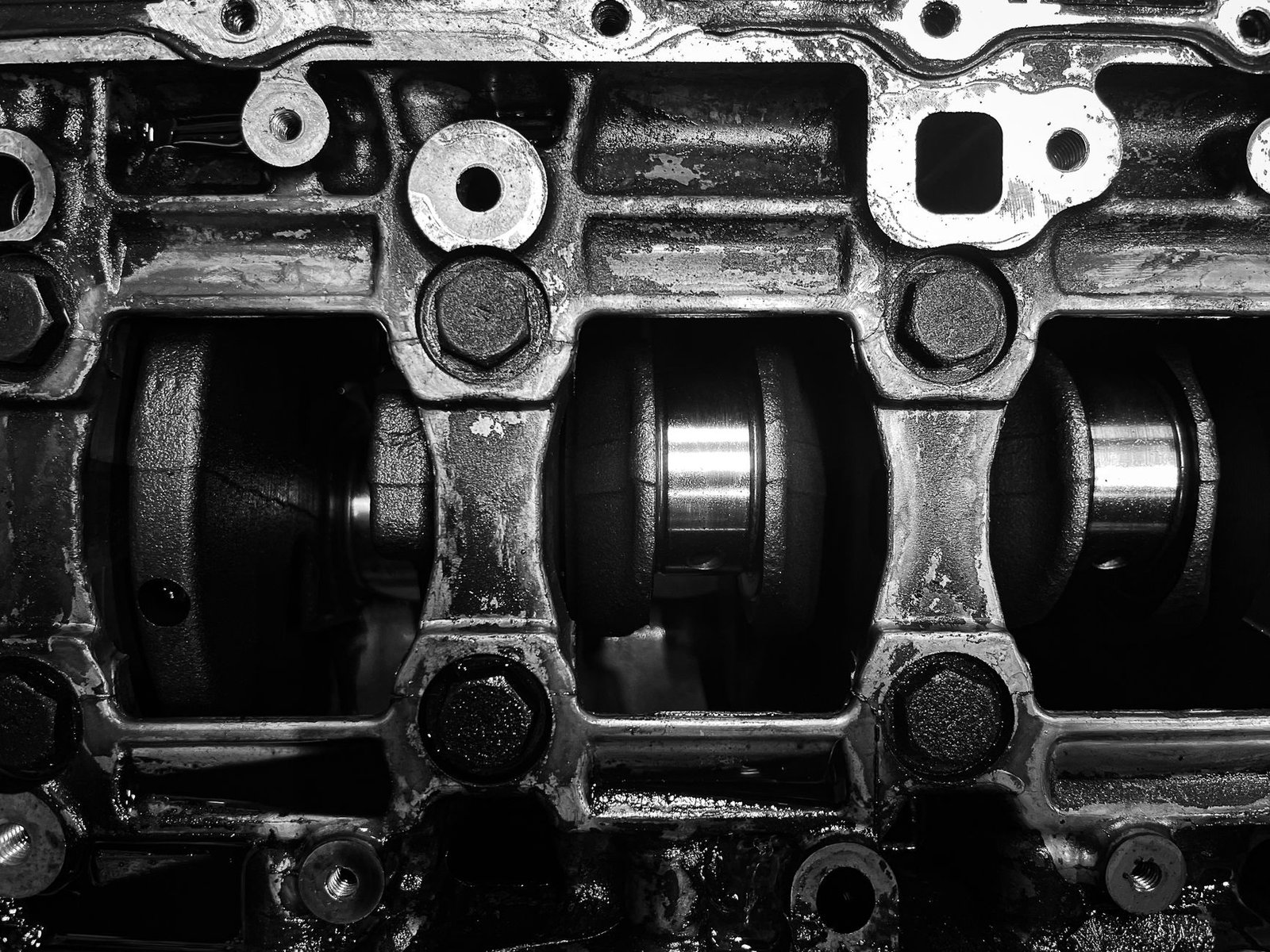
    An engine block interior showing bearing journals

    Real-World Examples of Interchange

    A few well-known examples make the concept concrete. Many General Motors sedans and SUVs built on the same platform share identical brake components, suspension bushings, and electrical switches across what look like completely unrelated models on a dealer lot. Several Japanese manufacturers have historically shared engine families across their sedan and small SUV lineups for a decade or more at a stretch, meaning a used engine pulled from one body style can drop directly into another with no modification.

    Corporate partnerships add another layer entirely. When two manufacturers share ownership or a joint venture, it’s common for one company’s compact car to be nearly identical mechanically to the other’s, sold under a different name and with different sheet metal, but built on the same assembly line with the same suppliers.

    Why This Matters for Your Wallet

    Interchange isn’t just a mechanical curiosity, it directly affects what you pay. A part that only fits one low-volume model has a small pool of donor vehicles feeding the used parts market, which keeps prices higher and availability lower. A part shared across a dozen models over multiple years has a much deeper pool of donor vehicles, which tends to mean more supply, more competition among sellers, and lower prices for a buyer.

    This is one reason it’s worth asking a parts specialist about interchange options rather than assuming you need the exact part number stamped on your original component. In many cases, a functionally identical part from a sibling model costs meaningfully less simply because it’s more common in the salvage supply chain.

    Interchange and Engine Swaps

    Interchange knowledge is especially useful for engine and transmission swaps, where a shared engine family across multiple models opens up a much wider pool of donor vehicles to source from. A popular engine platform used across a decade of production and several different models means significantly more used engines available at significantly more price points than if you were restricted to a single model.

    This is also why some vehicles hold their value better in the used parts market than others: a widely shared platform with a large interchange pool tends to have cheaper, more available parts than a low-volume model built on a unique platform of its own.

    Where Englewood Used Auto Parts Fits In

    Our parts counter tracks interchange across our entire inventory, so if the exact part for your vehicle isn’t in stock, we can often point you to a compatible part from a sibling model. Browse our used auto parts inventory or call ahead with your VIN to confirm current availability and interchange options.

    An open car trunk compartment

    Our VIN and vehicle compatibility guide covers exactly what to check before ordering, and it’s the fastest way for our team to confirm interchange fitment on your specific vehicle. Mazda’s rotary-engined RX-7 and RX-8 are a notable exception to interchange logic, since our Mazda parts guide explains, rotary parts don’t share anything with the rest of the lineup. On the other end of the spectrum, our Buick & Cadillac parts guide covers how much the Cadillac Escalade actually shares with GM’s full-size trucks under the badge.

    Frequently Asked Questions

    What does “interchange” mean for auto parts?

    It refers to a part built for one vehicle that also fits a different make, model, or model year without modification, usually because the vehicles share an underlying platform, engine family, or manufacturer.

    Which parts interchange most easily?

    Alternators, starters, brake rotors and calipers, mirrors, window regulators, and engine or transmission internals tend to interchange most often, since they’re less tied to a vehicle’s specific exterior styling.

    Which parts almost never interchange?

    Body panels, headlights, taillights, interior trim, and electronics tied to a vehicle’s computer system rarely interchange reliably, even between closely related sibling models.

    How do I confirm a part will actually fit my vehicle?

    Compare full part numbers rather than partial matches, check a manufacturer’s interchange database, and confirm against your VIN-decoded specifications rather than model year alone.

    Why does interchange matter for engine swaps?

    A widely shared engine platform used across multiple models and years opens up a much larger pool of used donor engines, often at better prices than sourcing from a single model alone.

    Not sure if a part interchanges with your vehicle? Contact our parts counter with your VIN and we’ll confirm fitment before you buy.

  • Rust and Used Parts: What to Check Before You Buy

    Rust and Used Parts: What to Check Before You Buy

    Chicago winters mean road salt, and road salt means rust. Whether you’re buying a used part or evaluating a used car, corrosion is one of the biggest factors separating a good deal from an expensive mistake, and it’s not always obvious from a quick glance.

    This guide covers where rust actually starts, how to tell surface rust from structural rust, and what to check before buying any used part or vehicle in a salt-belt region like ours.

    Surface Rust vs. Structural Rust

    Not all rust is equal, and knowing the difference matters more than knowing rust exists at all. Surface rust sits on top of the paint or bare metal and hasn’t eaten through the material yet; it’s cosmetic, and in many cases it can be treated, primed, and painted over without any loss of strength. Structural rust has actually eaten through metal thickness, weakening the part or panel and, in the worst cases, creating actual holes.

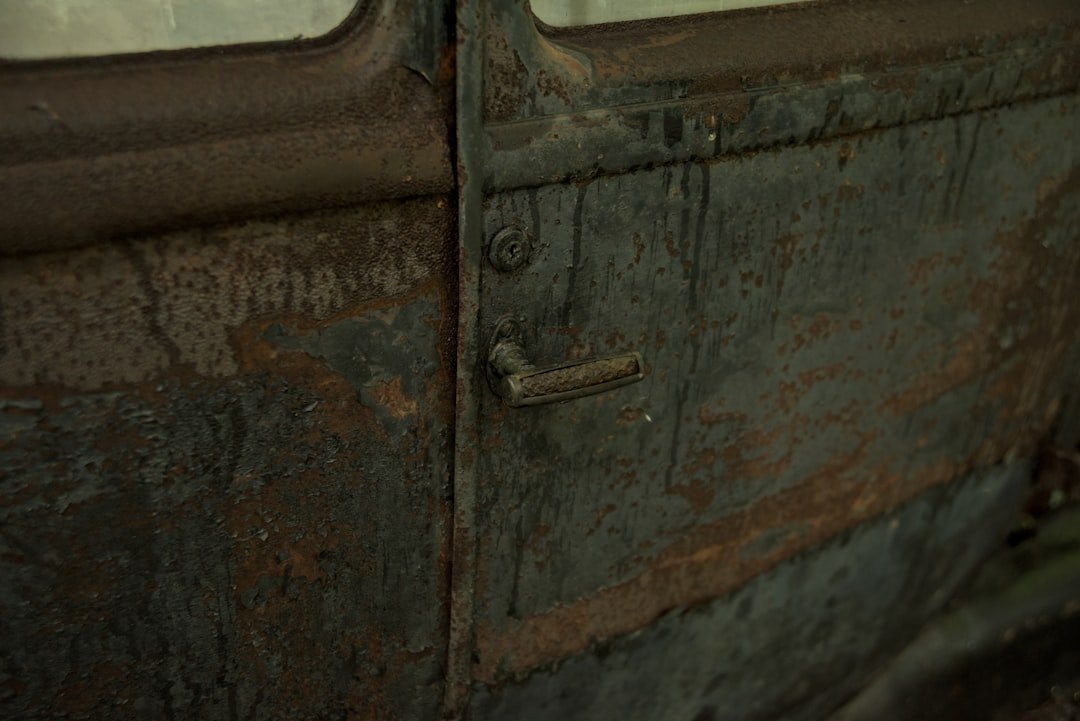
    Rust and peeling paint on a vintage car door
    TypeAppearanceConcern Level
    Surface rustOrange discoloration, flaking paint, no holesLow; cosmetic issue, treatable
    Scale rustRough, pitted surface, paint fully goneModerate; monitor and treat before it progresses
    Perforation rustVisible holes, crumbling edgesHigh; structural integrity is compromised

    Where Rust Starts on a Vehicle

    Rust doesn’t spread evenly. It concentrates in specific spots where moisture, salt, and road debris collect and stay wet longest: wheel wells, rocker panels, the underside of doors, frame rails, and the floor pan beneath the carpet. These are the areas worth checking first on any used vehicle, since they’re also the areas manufacturers are most likely to have under-protected from the factory.

    A rusted fender on a vintage car

    Wheel wells take the worst of it, since they’re constantly sprayed with salt water and road grime kicked up by the tires, and that spray settles into every seam and crevice.

    Checking a Used Vehicle for Rust

    • Look inside all four wheel wells, not just what’s visible from the side, since rust often starts on the inner liner before it’s visible on the outer fender.
    • Check rocker panels by pressing firmly along the bottom edge below the doors; soft or spongy spots indicate rust has eaten through from the inside.
    • Lift the floor mats and carpet edges to check the floor pan, especially near the door sills where water tends to pool.
    • Get the vehicle on a lift if at all possible and inspect the frame rails and subframe directly, since this is where structural rust does the most damage and is hardest to see from ground level.
    A rust hole in a car wheel well

    Rust on Used Parts: What to Check Before You Buy

    When you’re buying a used part rather than a whole vehicle, the same principles apply but the inspection is more focused. Surface rust on a bracket or a suspension arm is usually fine; the part still does its job. But rust on load-bearing areas, mounting points, or threaded holes is a different story, since corrosion there can mean a bolt won’t torque properly or a mount will fail under stress.

    For body panels specifically, run your hand along the inside surface, not just the outside. Rust often starts on the back side of a panel, where it’s protected from view but still exposed to trapped moisture.

    Why Salvage Yard Parts Vary So Much in Condition

    Not every vehicle that ends up at a salvage yard got there because of rust, and not every salvage yard part has corrosion damage. A car totaled in a collision, sold after a lease, or retired for an unrelated mechanical issue can have parts in excellent condition regardless of the vehicle’s age. This is exactly why physical inspection matters more than assuming anything based on a vehicle’s year or mileage alone.

    Stacked wrecked cars at a junkyard

    A reputable yard inspects parts before cataloging them and won’t sell something with structural rust in a load-bearing area without disclosing it, but it’s still worth asking directly and looking the part over yourself before you commit.

    How Age and Mileage Relate to Rust Risk

    Rust risk correlates more closely with how many winters a vehicle has spent in a salt-belt climate than with its mileage or even its age in an absolute sense. A ten-year-old car that spent its whole life garaged in a mild climate can have less corrosion than a five-year-old car that’s seen five hard Chicago winters of daily salt exposure. When buying, it’s worth asking where a vehicle spent most of its life, not just how old the title says it is.

    This is also why two seemingly identical vehicles from the same model year can have wildly different rust conditions once you actually look underneath. A carfax report tells you about accidents and ownership history, but it won’t tell you whether the previous owner washed the undercarriage every spring or never touched it.

    Rust Prevention: What Actually Helps

    If you’re trying to slow rust on a vehicle you already own, a few habits make a real difference. Washing the undercarriage regularly during winter months, especially after a snowstorm when salt trucks have been out, removes accumulated salt before it has time to sit and work its way into seams. Waxing painted surfaces twice a year protects the clear coat that’s your first line of defense. And parking in a garage, even an unheated one, cuts down significantly on the freeze-thaw cycling that accelerates corrosion in cracks and seams.

    A pile of rusty scrapped car parts

    Rust inhibitor sprays applied to the undercarriage and frame rails in the fall, before winter salt season begins, are inexpensive compared to the repair costs of ignoring the problem for several seasons.

    Where Englewood Used Auto Parts Fits In

    Every part we sell is inspected before it’s cataloged, and that inspection includes a look at corrosion, not just mechanical function. Browse our used auto parts inventory or call ahead with your VIN to confirm current availability and condition.

    Our grading and warranty guide explains how we assess condition across the board, and our salvage title guide covers what a salvage title actually means if you’re considering a vehicle with one. Spring is a natural time to check for a winter’s worth of new corrosion; our spring car care checklist covers the undercarriage wash and inspection worth doing once the salt season ends. Corrosion in unusual, normally-protected spots can also be a sign of flood damage rather than road salt; our flood-damaged vehicles guide covers how to tell the difference.

    Frequently Asked Questions

    Is surface rust on a used part something to worry about?

    Generally not. Surface rust is cosmetic and can usually be treated, primed, and painted without affecting the part’s function. Rust that has eaten through metal into holes or weakened mounting points is a different concern.

    Where does rust usually start on a car?

    Wheel wells, rocker panels, floor pans, and frame rails, since these areas collect and hold moisture and road salt longest. Inner wheel well liners often show rust before it’s visible from the outside.

    Can I still buy a car with some rust?

    Yes, as long as it’s surface-level and not structural. Press on rocker panels and floor pans to check for soft or spongy spots, and get the vehicle on a lift to check the frame directly if possible.

    Does every salvage yard car have rust damage?

    No. Vehicles end up at salvage yards for collisions, lease returns, and unrelated mechanical failures, not just rust. Parts should still be inspected individually regardless of the vehicle’s history.

    What’s the best way to slow rust on a car I already own?

    Wash the undercarriage regularly during winter to remove salt buildup, wax painted surfaces twice a year, and park in a garage when possible to reduce freeze-thaw cycling in cracks and seams.

    Have a question about rust on a specific part or vehicle? Contact our parts counter and we’ll help you figure out what’s worth buying.

  • Fall Car Care Checklist: Getting Ready for Winter

    Fall Car Care Checklist: Getting Ready for Winter

    Chicago goes from warm afternoons to frost on the windshield in a matter of weeks, and your car feels every bit of that transition. A few checks in October save a lot of headaches in January, when a small problem you could have caught in the driveway turns into a tow truck call on the Kennedy.

    This checklist covers the parts most likely to fail as temperatures drop, what to inspect yourself, and when it’s worth having a shop take a closer look before the first hard freeze.

    Tires: Check Tread and Pressure

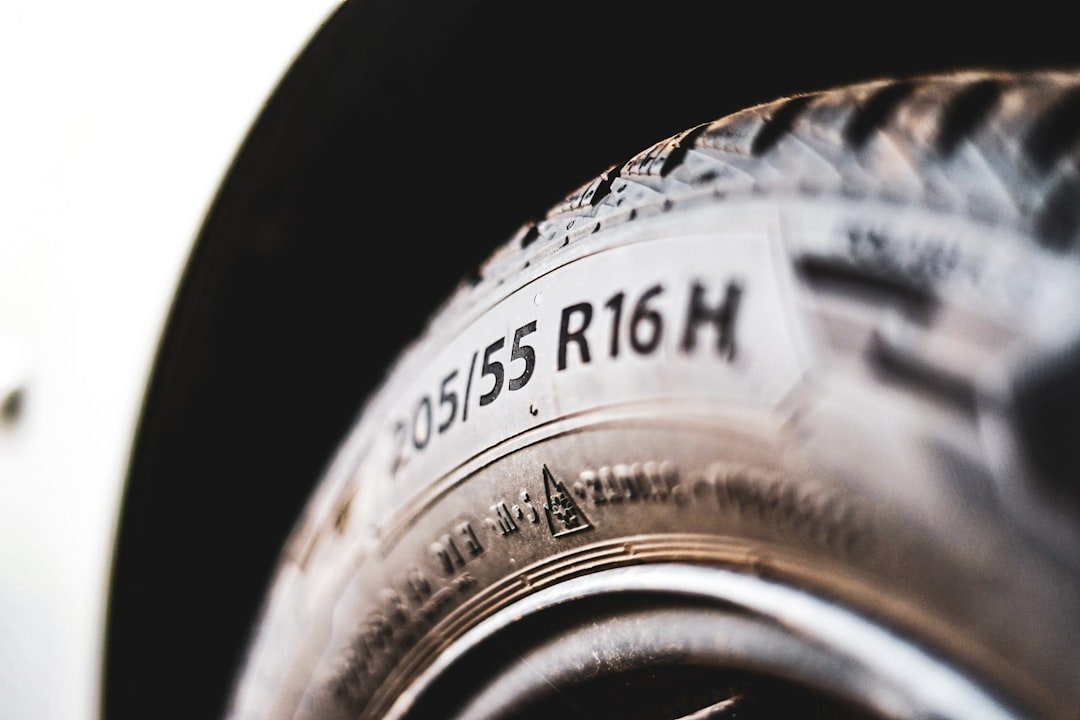
    Cold air is denser than warm air, which means tire pressure drops as the temperature does, roughly 1 PSI for every 10-degree drop. A tire that was properly inflated in September can be noticeably underinflated by November without a single leak. Check all four tires, plus the spare, and top off to the pressure listed on the driver’s door jamb sticker, not the number printed on the tire’s sidewall.

    While you’re at it, check tread depth. The quarter test works well: insert a quarter upside down into the tread groove, and if you can see all of Washington’s head, it’s time to start shopping for replacements before wet autumn leaves and early ice make thin tread a real safety issue.

    Checking tire tread depth with a coin

    Wiper Blades: Replace Before the Rain Gets Serious

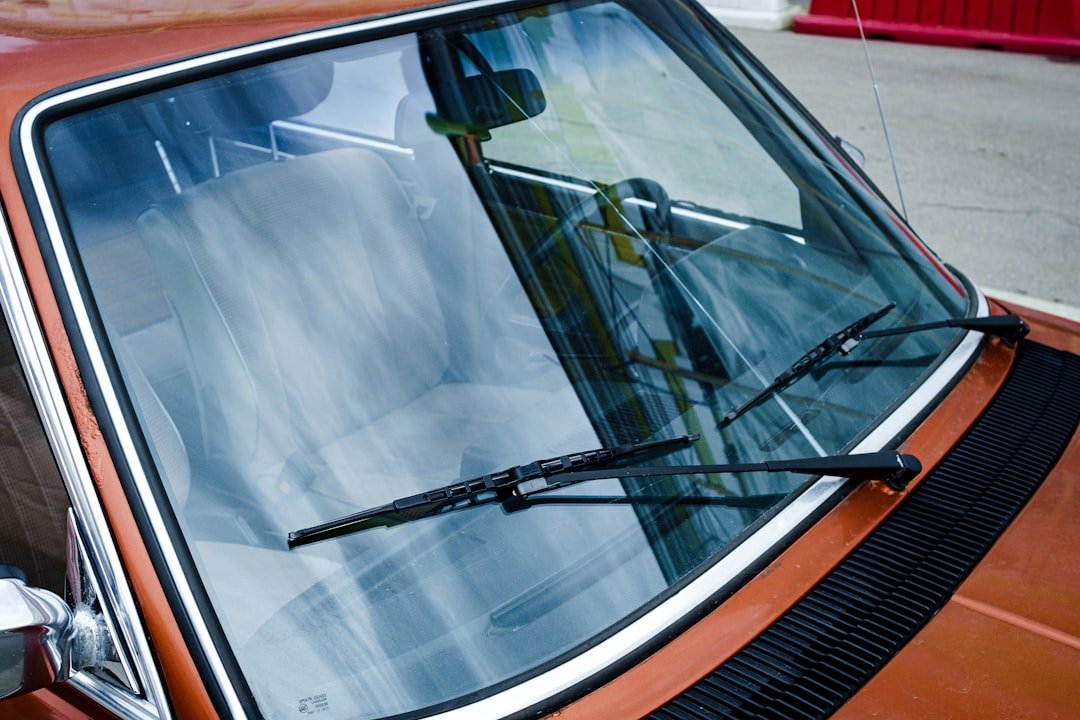
    Summer sun dries out and cracks rubber wiper blades faster than most drivers realize, and fall’s mix of rain, road spray, and early frost is exactly when you need them working perfectly. If your wipers streak, skip, or chatter across the glass, replace them now rather than waiting for the first sleet storm to remind you.

    A close-up of a windshield wiper blade

    Blades typically last six months to a year depending on exposure, and they’re one of the cheapest, easiest DIY replacements on the entire car, no tools required on most vehicles.

    Battery: Cold Is What Kills It

    SymptomWhat It Suggests
    Slow crank in the morningBattery is weakening and struggling in cooler temps
    Dashboard lights dim when startingBattery or connections may not be delivering full current
    Battery is 3+ years oldApproaching typical end-of-life; test proactively before it fails
    Corrosion visible on terminalsPoor connection can mimic a dying battery even if the battery itself is fine

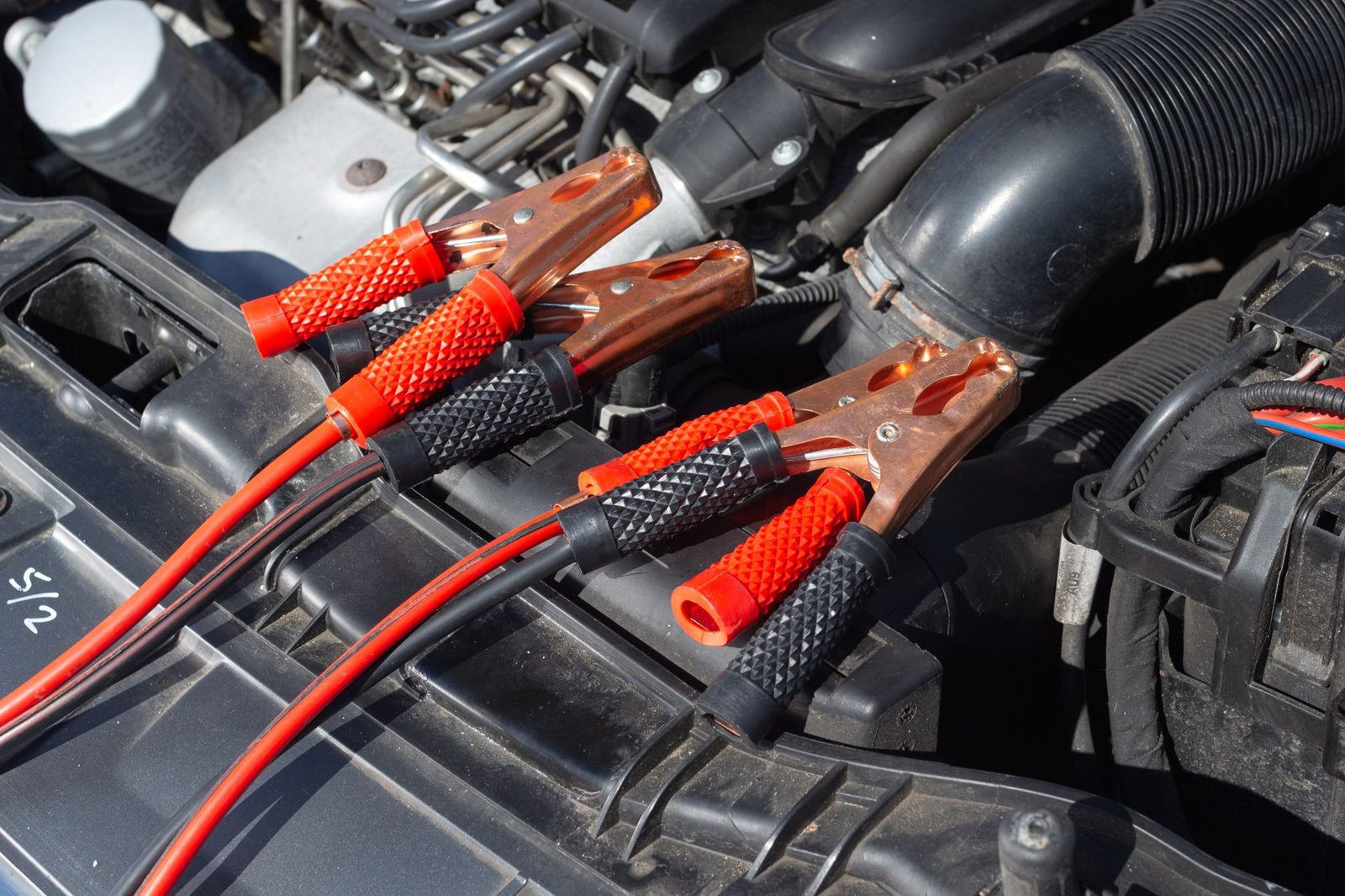
    A battery that’s been quietly weakening all summer often doesn’t show it until the first genuinely cold morning asks it to work harder to turn the engine over. Most auto parts stores will test a battery for free, and it’s worth doing before the temperature drops rather than after you’re already stranded.

    Jumper cable clamps in an engine bay

    Headlights and Bulbs: Days Get Shorter Fast

    Fall brings earlier sunsets, and that means more of your daily drive happens in low light or full dark. Check that both headlights, both taillights, and your brake lights are working, and look at the headlight lenses themselves. Cloudy, yellowed plastic lenses can cut your effective light output significantly even with good bulbs behind them.

    A car with headlights on during an autumn evening drive

    If a lens is badly oxidized, a used headlight assembly is often more cost-effective than a full lens restoration kit, especially if the assembly’s mounting tabs or wiring have also degraded with age.

    Coolant and Heater: Test Before You Need It

    You won’t notice a weak heater core or low coolant level until the first cold morning when you actually need heat and defrost working together to see clearly. Check coolant level in the reservoir when the engine is cold, and if it’s been more than two years since a flush, fall is a reasonable time to have it done, since a failing heater core or thermostat is far more annoying to diagnose once it’s actually freezing outside.

    Clear Leaves From the Cowl and Drains

    Wet leaves collect at the base of the windshield, in the cowl area under the wiper blades, and this spot is easy to forget about entirely. A clogged cowl blocks the drain channels that route rainwater away from the cabin, and over a wet fall, that trapped water can back up into the HVAC system or even leak into the interior.

    Fallen leaves collected at the base of a windshield

    Clearing it out takes a couple of minutes with the hood open and no tools at all, and it’s worth doing every few weeks once the leaves start coming down in earnest.

    Brakes: Wet Roads Expose Weak Pads

    Fall rain makes stopping distances longer even with good brakes, and pads that were borderline all summer become a real problem once wet leaves and rain are added to the mix. Listen for squealing or grinding, and if you feel any pulsing through the pedal when braking, have the brakes inspected before the weather gets worse rather than after.

    Wet leaves on the road surface behave a lot like ice in terms of reduced traction, especially on shaded streets where they never fully dry out. Combined with shorter days and more driving in low light, fall is a season where marginal brakes tend to get exposed rather quietly, right up until the moment they don’t stop the car in time.

    Exhaust and Undercarriage: Listen for Changes

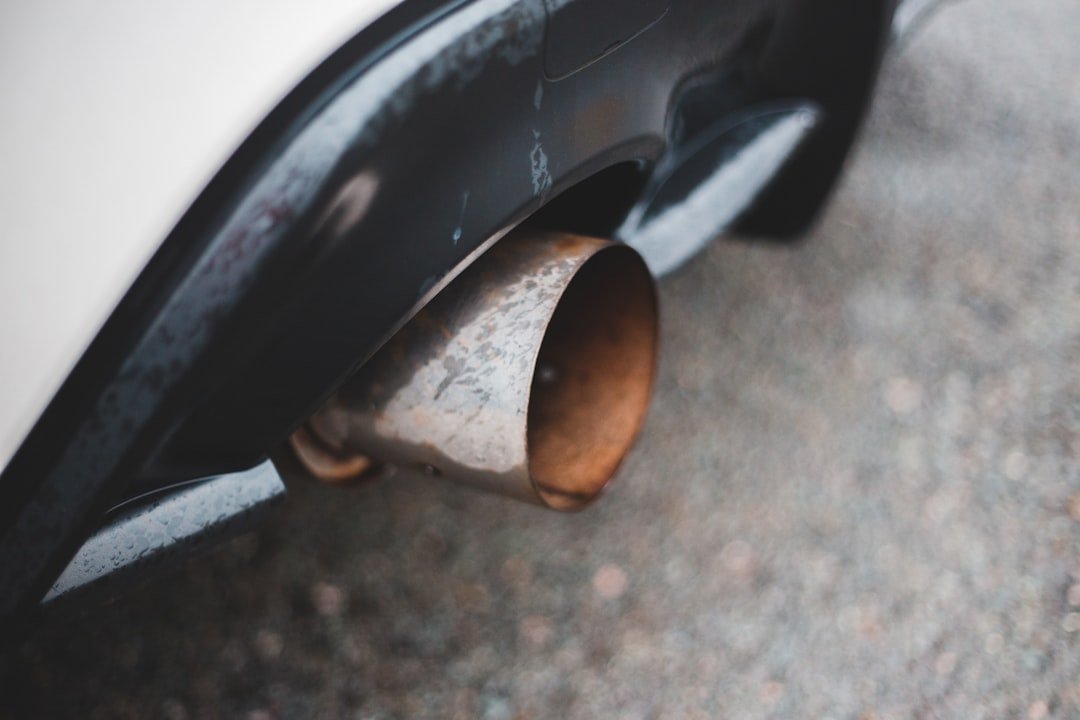
    Colder mornings make a failing exhaust component more noticeable, since a louder-than-usual engine note tends to stand out more against a quiet, cold start than it does in the middle of a warm summer afternoon. If you notice a new rattle, a hiss, or a change in engine sound after the car has been sitting overnight, it’s worth having the exhaust system and its mounting hardware checked before winter road salt starts accelerating any existing corrosion.

    This is also a reasonable time to glance underneath the car for anything hanging loose, since a summer of potholes and gravel roads can work bolts and clips loose well before you’d notice a functional problem.

    Where Englewood Used Auto Parts Fits In

    If any of these checks turn up a part that needs replacing, whether it’s a headlight assembly, a battery, or something further down the list, we stock tested used parts for a wide range of makes and models. Browse our used auto parts inventory or call ahead with your VIN to confirm current availability.

    Our winter car prep checklist picks up where this one leaves off, covering what to check once the temperature drops from cool to genuinely cold. And if you’re not sure how to confirm a part fits your vehicle, our VIN and vehicle compatibility guide walks through exactly what to check.

    Frequently Asked Questions

    How much does tire pressure really drop in the fall?

    Roughly 1 PSI for every 10-degree drop in outside temperature. A 30-degree swing from a warm September afternoon to a cool October morning can leave tires 3 PSI or more below where they started.

    How do I know if my car battery is dying?

    A slow crank when starting, dimming dashboard lights, or a battery that’s over three years old are all signs worth acting on. Most auto parts stores will test a battery for free.

    When should I replace my wiper blades?

    Every six months to a year is typical, sooner if you notice streaking, skipping, or chattering across the glass. Fall’s mix of rain and early frost makes worn blades especially noticeable.

    Why does the cowl area under my windshield matter?

    It houses the drain channels that route rainwater away from the cabin. When it’s clogged with wet leaves, water can back up into the HVAC system or leak into the interior.

    Is it worth flushing coolant every fall?

    Not necessarily every year, but if it’s been more than two years since your last flush, fall is a good time to do it before you’re relying on the heater and defrost together in genuinely cold weather.

    Have a fall car care question, or need a part before the weather turns? Contact our parts counter and we’ll help you track it down.
  • Core Charges Explained: What They Are and How to Get Refunded

    Core Charges Explained: What They Are and How to Get Refunded

    If you’ve ever bought a battery, alternator, or starter and noticed an extra charge on the receipt labeled “core charge,” you’re not being upsold; it’s a refundable deposit built into how the rebuilt parts industry works. Understanding it can save you real money on your next purchase.

    This guide covers what a core charge actually is, how to get it refunded, why the system exists in the first place, and how it differs from the warranty on the part you’re actually buying.

    What a Core Charge Actually Is

    A core charge is a refundable deposit added to the price of certain rebuilt or remanufactured parts, most commonly batteries, alternators, starters, brake calipers, and some engine or transmission components. The “core” refers to your old part: when you buy a rebuilt replacement, the seller expects you to return your worn-out original in exchange for getting the deposit back. If you don’t return a core, you simply keep paying the deposit, which is baked into the total price.

    Hands counting cash

    Why the System Exists

    ReasonExplanation
    Remanufacturing depends on coresRebuilders need a steady supply of old units to disassemble, clean, and rebuild into “new” remanufactured parts
    Encourages proper recyclingWithout a deposit, many old parts would end up in landfills instead of being rebuilt or scrapped for metal
    Keeps remanufactured parts affordableA steady core supply keeps rebuilding costs down, which keeps remanufactured part prices competitive with new
    An old worn brake caliper part

    This is also why core charges tend to be higher on parts that are harder to source in good rebuildable condition, and lower on parts that turn over quickly at auto parts stores. A rebuilder that can’t get enough cores of a given part eventually has to raise prices on the remanufactured version across the board, so the deposit system is really just a way of keeping that supply chain funded by the people actually buying the parts.

    How to Get Your Core Charge Refunded

    • Keep your original receipt, since most sellers require it to process a core refund.
    • Return the old part in roughly the same condition it was in when removed, not further disassembled or missing pieces.
    • Ask about the return window; most sellers give you 30 to 90 days, but it varies.
    • If you didn’t keep your old part because it was scrapped or discarded before you knew about the charge, ask whether the seller has any alternative, some will accept an equivalent core from another source.
    A row of batteries

    Core Charge vs. Warranty: Two Separate Things

    It’s easy to confuse a core charge with a warranty deposit, but they’re entirely different concepts. A core charge is refunded when you return your old part, regardless of whether the new part works correctly. A warranty, on the other hand, covers you if the replacement part itself fails within a specified period, and has nothing to do with what you do with your old part. You can get your core charge back and still have warranty coverage on the new part; the two aren’t related to each other, and losing one doesn’t affect the other.

    This distinction matters when you’re comparing prices between sellers, since a lower advertised price that doesn’t mention a core charge can actually be more expensive once the deposit is added at checkout. Always ask whether the price you’re quoted includes a core charge before comparing it to another seller’s price.

    How Core Charges Are Calculated

    There’s no universal formula for how much a core charge costs, but sellers generally price it based on the part’s rebuild value, how in-demand that particular core is for remanufacturing, and how expensive the raw materials inside it are. A starter with a common electric motor design that’s easy to rebuild might carry a smaller core charge than an alternator with a less common internal regulator design that’s harder to source used.

    Because of this variability, it’s worth asking upfront exactly what the core charge is on any given part, rather than assuming it will match what you paid on a similar part in the past, even from the same seller.

    What Happens If You Don’t Return the Core

    If you don’t return your old part, you simply forfeit the deposit, and the seller keeps it as part of the sale price. This isn’t a penalty; it’s the cost of the seller sourcing a replacement core from elsewhere, since your old part was the one they were counting on to rebuild into the next unit. There’s no separate fee beyond the deposit itself, and no further consequence.

    Some shops will let you bring in a different old core of the same part type, even from a different vehicle, to satisfy the return requirement if you no longer have your original. This isn’t guaranteed across every seller, but it’s worth asking about if you’re in that situation, since it can still get you the refund even without your exact original part.

    A plain cardboard box for returning a part

    Typical Core Charge Amounts

    Exact amounts vary by brand, part condition, and seller, but the table below gives a rough sense of what to expect on some of the most common core-charged parts. Treat these as ballpark figures rather than quotes; always confirm the exact deposit at checkout before you buy.

    Part TypeTypical Core Charge
    Car battery$10–25
    Alternator$20–50
    Starter$15–40
    Brake caliper (each)$15–35

    Where Englewood Used Auto Parts Fits In

    Since we sell inspected, tested used parts directly rather than remanufactured units, most of what we sell doesn’t carry a core charge the way a rebuilt part from a chain auto parts store would. If you do have an old core sitting around, we’re often happy to take it off your hands as scrap, so it doesn’t just sit in your garage. Browse our used auto parts inventory or call ahead with your VIN to confirm current availability.

    If you’re weighing a rebuilt part with a core charge against a used part sourced directly from a donor vehicle, it’s worth comparing the total out-the-door cost of each, including the deposit, rather than just the sticker price. In many cases, a tested used part ends up being both simpler and more affordable once the core charge math is factored in.
    Our grading and warranty guide covers the difference between a used part and a remanufactured one, if you’re weighing your options.
    Scrapped auto parts baled at a metal recycler

    Frequently Asked Questions

    What is a core charge?

    It’s a refundable deposit added to the price of certain rebuilt or remanufactured parts, expecting you to return your old part in exchange for the deposit back once you’ve installed the replacement.

    How do I get my core charge back?

    Return your old part, along with your original receipt, within the seller’s return window, typically 30 to 90 days. The part should be in roughly the same condition it was in when removed.

    What if I already threw away my old part?

    Ask the seller if they have any alternative, some will accept an equivalent core from another source, though this isn’t guaranteed and varies by seller.

    Is there a penalty for not returning a core?

    No, you simply forfeit the refundable deposit. There’s no additional fee beyond losing that deposit.

    Do used parts from a salvage yard have core charges?

    Typically not, since core charges apply to remanufactured parts specifically. Used parts sold directly, like most of what we carry, generally don’t involve this system.

    Have questions about a core charge on a recent purchase, or want to know if a part you’re buying carries one? Contact our parts counter and we’ll walk you through it.

  • How to Remove a Used Part Yourself: A Beginner’s Guide

    How to Remove a Used Part Yourself: A Beginner’s Guide

    Buying a tested, warrantied part from a counter is the easiest path to a repair, but some drivers prefer to pull a part themselves, whether to save money, learn the process, or because they already have the donor vehicle on hand. If that’s you, this guide covers the basics: the tools you’ll need, safety steps that aren’t optional, and a general process that applies to most bolt-on parts.

    This isn’t a replacement for a repair manual specific to your vehicle, but it will help you understand what you’re getting into before you start, and where the line is between a reasonable weekend project and a job better left to a shop or a tested replacement part.

    Tools You’ll Actually Need

    Most bolt-on part removal (mirrors, headlights, alternators, starters, and similar components) can be done with a basic set of hand tools. You don’t need a professional-grade toolbox to get started, but a few specific items make the job meaningfully easier and safer.

    • A socket set with both metric and standard sizes, since you won’t always know which your vehicle uses until you’re under the hood.
    • A set of combination wrenches for bolts in tight spaces where a socket won’t fit.
    • Jack stands, not just a jack, if you need to get underneath the vehicle. A jack alone is not a safe way to support a vehicle while you’re working under it.
    • Penetrating oil for bolts that haven’t been touched in years, which is extremely common on a used or donor vehicle.
    • Gloves and safety glasses, since automotive fluids and sharp edges are a normal part of this work.
    Hand tools organized in a toolbox

    Safety Steps That Aren’t Optional

    1. Work on level ground and use wheel chocks if the vehicle isn’t already secured.
    2. If you need to go underneath the vehicle, always use jack stands rated for the vehicle’s weight, never rely on a jack alone.
    3. Disconnect the negative battery terminal before working on any electrical component, to avoid a short circuit or accidental airbag deployment.
    4. Let the engine cool completely before working near the cooling system, exhaust, or anything close to the engine block.

    A General Process for Bolt-On Parts

    While every part and vehicle is different, most bolt-on component removals follow a similar general sequence: disconnect the battery if the part has any electrical connection, remove any covers or trim panels blocking access, disconnect electrical connectors and fluid lines if applicable, remove the mounting bolts, and carefully work the part free. Take a photo before you disconnect anything, since it’s much easier to remember how something went together when you have a reference.

    Reassembly generally follows the same sequence in reverse, but it’s worth double-checking torque specifications for any bolts that hold a part in a load-bearing or safety-critical position, rather than just tightening everything as much as feels right. Over-tightening a bolt into aluminum or plastic housing is a surprisingly common way to turn a simple repair into an expensive one.

    A car headlight assembly closeup

    When to Call It and Buy the Part Tested Instead

    Some jobs are more involved than they look from the outside. Anything involving the fuel system, airbags, refrigerant lines, or components that require special tools to avoid damage (many timing components fall into this category) are worth thinking twice about if you’re not already comfortable with the process. There’s also a practical cost-benefit question: if a part takes you three hours to remove correctly and you’re not confident in its condition once you’ve pulled it, a tested and warrantied replacement may end up being the better value even at a higher upfront price.

    A person working underneath a vehicle with a wrench and work light

    Common Beginner Mistakes to Avoid

    A few mistakes come up again and again with first-time DIY part removal, and knowing them ahead of time can save you real frustration. Forcing a stuck bolt without penetrating oil is one of the most common: it’s tempting to just apply more force, but a rounded-off bolt head or a snapped fastener turns a simple job into a much harder one. Similarly, working without disconnecting the battery on anything electrical risks a short circuit that can damage the part you’re trying to remove, or the vehicle’s wiring harness.

    Another common mistake is not keeping track of hardware. Small clips, bolts, and connectors are easy to lose track of, and buying replacements for missing fasteners can end up costing more than any money saved by doing the job yourself. A simple parts tray or a labeled set of containers for each stage of disassembly solves this cheaply.

    What to Check Before You Start

    • Confirm you actually have the right part identified for your vehicle before you start disassembly, using your VIN if you’re unsure.
    • Check whether the part you’re removing has any special torque specifications or one-time-use fasteners that shouldn’t be reused.
    • Have a container ready for any fluid that might drain when you disconnect a line or fitting.
    • Take photos as you go, especially of wiring connector orientations and any bracket positions.
    An engine bay bracket and bolt closeup

    Where Englewood Used Auto Parts Fits In

    Whether you’re pulling a part yourself or would rather skip straight to a tested, warrantied replacement, we’re here for both. Browse our used auto parts inventory or call ahead with your VIN to confirm current availability. Many customers find that once they’ve priced out the tools, the time, and the risk of a mistake, a tested part from our counter ends up being the more practical choice, especially for a one-time repair rather than an ongoing hobby.

    Our grading and warranty guide covers what “tested” actually means for the parts we sell, if you’d rather not take on the removal process yourself. Shocks and struts are one of the more common DIY jobs; our shocks and struts guide covers what to check before pulling or buying one used. Either way, the goal is the same: a part that works reliably once it’s back on your vehicle, whether you pulled it yourself or had our team do the testing for you.

    An open car hood in a desert setting

    Frequently Asked Questions

    What tools do I need to remove a basic bolt-on part?

    A socket set with both metric and standard sizes, combination wrenches, jack stands if you’re working underneath the vehicle, penetrating oil, gloves, and safety glasses cover most basic jobs.

    Do I need to disconnect the battery before removing a part?

    Yes, for any part with an electrical connection, disconnect the negative battery terminal first to avoid a short circuit or accidental activation of safety systems.

    Is it safe to work under a car supported only by a jack?

    No. Always use jack stands rated for your vehicle’s weight if you need to be underneath it. A jack alone is not a safe way to support a vehicle during work.

    When should I skip DIY removal and just buy a tested part?

    Jobs involving the fuel system, airbags, refrigerant lines, or components requiring special tools are worth reconsidering if you’re not already experienced. A tested, warrantied part can also be the better value if you’re not confident in the condition of a part you’d pull yourself.

    What should I do before I start disassembling anything?

    Confirm you have the right part identified for your vehicle, check for any special fasteners or torque specs, and take photos as you go so you can reference how everything went back together.

    Not sure if a part is a straightforward DIY job or better left to a tested replacement? Contact our parts counter with your year, make, and model, and we’ll help you figure out the best path.

  • Timing Belt vs. Timing Chain: What Used Buyers Should Know

    Timing Belt vs. Timing Chain: What Used Buyers Should Know

    One of the most important things to know about your engine has nothing to do with horsepower or fuel economy: it’s whether your engine uses a timing belt or a timing chain, and if it’s a belt, when it’s due for replacement. Getting this wrong, or simply not knowing the answer, is one of the more expensive mistakes a used car buyer can make.

    This guide covers the difference between timing belts and timing chains, why the distinction matters so much, and what to check whether you’re buying a used part or a used vehicle.

    What the Timing Belt or Chain Actually Does

    Both a timing belt and a timing chain do the same job: they synchronize the rotation of the crankshaft and camshaft(s), ensuring the engine’s valves open and close at exactly the right moment relative to the pistons. If this timing is off, even slightly, the engine won’t run correctly, and in many engine designs, a belt or chain that skips or breaks can cause the pistons to collide with open valves, resulting in serious internal damage.

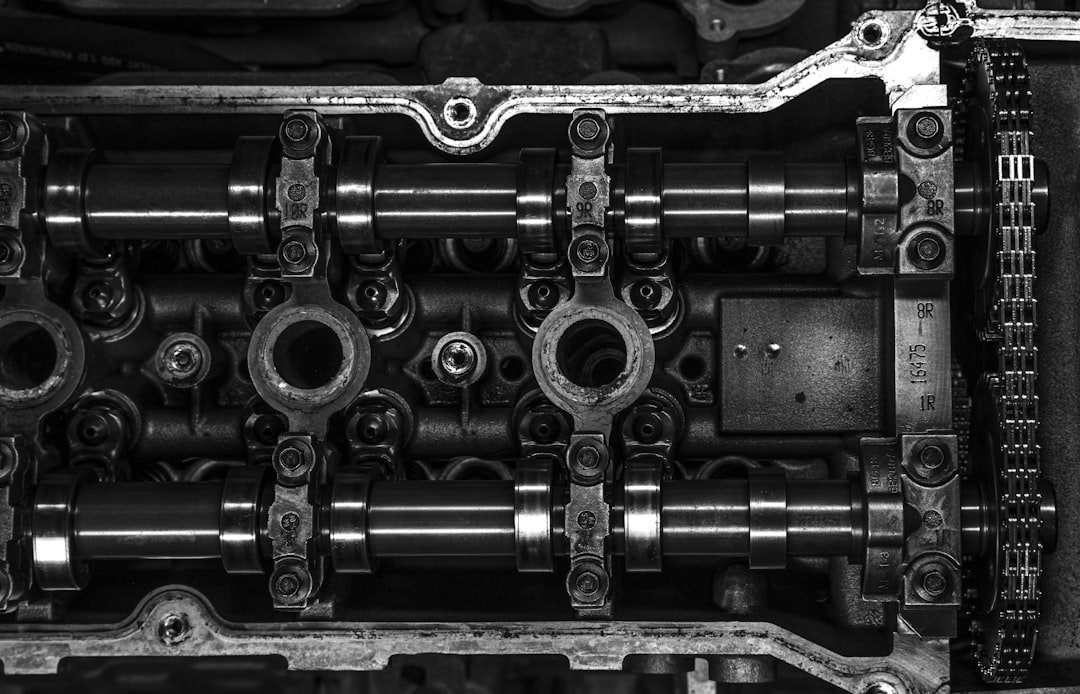
    An engine camshaft with valve springs visible

    Timing Belt vs. Timing Chain: Key Differences

    FactorTiming BeltTiming Chain
    MaterialReinforced rubber with internal cordsMetal links, similar to a bicycle chain
    Typical service life60,000–100,000 miles (check your manual)Often lasts the life of the engine, though not always
    Requires scheduled replacement?Yes, at a manufacturer-specified intervalNot on a fixed schedule, but can wear and stretch over time
    Failure modeWears gradually, then can snap without much warningStretches and can rattle before eventually skipping or breaking
    A timing belt part closeup

    Interference vs. Non-Interference Engines: Why It Matters So Much

    The single most important thing to know if your engine uses a timing belt is whether it’s an “interference” or “non-interference” design. In an interference engine, the pistons and valves occupy the same physical space at different points in the rotation, meaning a belt failure allows the piston to strike an open valve, bending it and often damaging the piston and cylinder head in the process. In a non-interference engine, there’s enough clearance that a belt failure simply causes the engine to stop running, without further internal damage.

    Most modern engines are interference designs, which is exactly why timing belt replacement intervals matter so much. If you don’t know whether your engine is an interference design, it’s worth finding out, since it directly affects how much risk you’re taking by delaying a timing belt service.

    A sedan parked outdoors

    Symptoms of a Timing Chain Problem

    Unlike a timing belt, a timing chain doesn’t fail on a predictable schedule, but it can still wear out, especially if oil changes were neglected. A rattling or ticking noise on startup that fades as the engine warms up is one of the more common early signs of chain stretch or a worn tensioner. Left unaddressed, a stretched chain can eventually skip a tooth on the sprocket, throwing off valve timing in a way that can trigger a check engine light or, in severe cases, cause the same kind of internal damage a broken timing belt would.

    A crankshaft pulley closeup

    Why Some Automakers Switched Back to Chains

    For a stretch of years, many manufacturers moved toward timing belts because they run quieter and cost less to manufacture than a chain-and-tensioner assembly. More recently, a number of automakers have shifted back toward timing chains on newer engine designs, partly to avoid the scheduled maintenance cost of belt replacement and partly because modern chain materials and tensioner designs have closed much of the historical durability gap. This is why you can’t assume anything about belt versus chain based on a vehicle’s age alone; two engines from the same manufacturer built only a few years apart can use completely different timing systems.

    What to Check Before Buying a Used Timing Component

    • Confirm whether your specific engine uses a timing belt or chain, and if it’s a belt, whether it’s an interference or non-interference design.
    • If buying a used timing belt kit, check the manufacture date on the belt itself, since rubber degrades with age even if the belt was never installed.
    • For a used timing chain or tensioner, ask whether it was pulled from a low-mileage donor engine, since chain stretch is directly related to wear over time.
    • Always replace the water pump at the same time as a timing belt if your engine’s water pump is driven by that belt, since the labor overlap makes it cost-effective to do both together.
    A mechanic working on an engine's cooling system cap

    Typical Costs: Used vs. New

    PartTypical Used PriceTypical New/Dealer Price
    Timing chain and gear set$40–100$150–350
    Timing chain tensioner$25–60$80–180
    Timing belt kit with tensioner (new, since used belts aren’t recommended)Not recommended used$150–400 installed

    Unlike most parts in this series, we generally don’t recommend a used timing belt itself, since rubber degrades with age and use in ways that aren’t always visible. Used timing chains, sprockets, and tensioners, which are metal components, are a more reasonable used purchase.

    Warranty Coverage

    Reputable sellers typically offer 30 to 90 days on used timing chain components. For any timing-related part, ask whether it was tested or inspected for stretch and wear, not just visually inspected, since these are safety-relevant components tied directly to engine timing.

    Where Englewood Used Auto Parts Fits In

    We stock used timing chains, sprockets, and tensioners inspected for wear before they’re cataloged by make, model, and engine, and backed by a warranty. Browse our used auto parts inventory or call ahead with your VIN to confirm current availability.

    Not sure how to confirm your VIN before ordering? Our VIN and vehicle compatibility guide covers exactly what to check, and our water pump buying guide covers what to know if your water pump is driven by the timing belt.

    Frequently Asked Questions

    How do I know if my engine has a timing belt or a timing chain?

    Check your owner’s manual or a repair reference for your specific engine, since it varies by manufacturer and even by engine option within the same model. This is worth knowing before you buy a used vehicle, not after.

    What happens if a timing belt breaks while driving?

    On an interference engine, the pistons can strike open valves, causing serious internal damage. On a non-interference engine, the engine simply stops running without further damage. Most modern engines are interference designs.

    Can I buy a used timing belt?

    It’s generally not recommended, since rubber degrades with age and use in ways that aren’t always visible from the outside. Used timing chains and sprockets, being metal, are a more reasonable used purchase.

    Why does my engine rattle on startup?

    A rattling or ticking noise that fades as the engine warms up is a common early sign of timing chain stretch or a worn tensioner. It’s worth having inspected before it progresses to skipping a tooth.

    Should I replace the water pump with my timing belt?

    If your water pump is driven by the timing belt, yes, most manufacturers recommend replacing both at the same time since the labor to access them is largely shared.

    Not sure whether your engine uses a belt or chain, or which timing components fit your vehicle? Contact our parts counter with your year, make, model, and engine code, and we’ll confirm availability and condition before you buy.

  • Used Turbocharger Buying Guide: Diagnosis and Cost

    Used Turbocharger Buying Guide: Diagnosis and Cost

    Turbochargers used to be a performance-oriented option limited to a handful of sports cars and diesel trucks. Today, they’re standard equipment on a huge share of new vehicles, used by manufacturers to get more power out of smaller, more fuel-efficient engines. That also means turbo failures have become a much more common reason drivers end up shopping for a used replacement.

    This guide covers how a turbocharger works, common failure symptoms, the different turbo configurations manufacturers use, what to check before buying a used one, and what fair pricing looks like.

    How a Turbocharger Works

    A turbocharger uses exhaust gas to spin a turbine wheel, which is connected by a shaft to a compressor wheel on the intake side. As the turbine spins, the compressor forces more air into the engine than it could draw in on its own, allowing more fuel to be burned and more power produced from the same displacement. The shaft between the two wheels spins at extremely high speeds and relies on a constant supply of clean engine oil for lubrication and cooling.

    A turbocharger with integrated exhaust manifold

    Common Symptoms of a Failing Turbocharger

    SymptomLikely CauseUrgency
    Whining or whistling noise under accelerationWorn bearings or a developing shaft seal leakModerate — address before it worsens
    Blue-gray exhaust smokeOil leaking past worn seals into the intake or exhaust sideHigh — indicates internal wear already in progress
    Noticeable loss of power or slow boost buildupWorn turbine or compressor wheel, or a boost leak elsewhere in the systemModerate to high depending on severity
    Excessive oil consumption with no visible external leakOil being drawn into the engine through worn turbo sealsHigh — can lead to fouled spark plugs or catalytic converter damage
    A turbocharger oil line connection in an engine bay

    Why Oil Maintenance Matters More With a Turbo

    Because the turbo’s shaft bearings spin at such high speed and rely entirely on oil for lubrication, oil quality and change intervals matter more on a turbocharged engine than a naturally aspirated one. Running low-quality oil, extending oil change intervals too long, or shutting off a hot turbo immediately after hard driving (rather than letting it idle down) are all common ways owners inadvertently shorten a turbo’s lifespan. If you’re buying a used turbocharger, ask about the donor vehicle’s oil change history if it’s available, since a well-maintained donor engine is a meaningfully better sign than mileage alone.

    A wastegate actuator part

    Single vs. Twin-Scroll vs. Twin-Turbo Setups

    Not all turbo setups are built the same way. A basic single-turbo design uses one turbine and one compressor wheel, and is the simplest and most common configuration on passenger vehicles. A twin-scroll turbo uses a single turbocharger but splits the exhaust housing into two separate channels to reduce exhaust pulse interference between cylinders, improving response at lower RPM. True twin-turbo setups use two complete, separate turbochargers, often one smaller unit for quick low-RPM response and one larger unit for high-RPM power, or two identical units splitting the workload on a V-configuration engine.

    This distinction matters directly for used parts shopping: a twin-turbo vehicle typically needs its turbos replaced or matched as a pair even if only one has failed, since a mismatched pair can create uneven boost delivery between cylinder banks. Always confirm which configuration your vehicle uses before assuming a single used unit will solve your problem.

    A socket wrench set closeup

    Aftermarket Upgrades and What They Mean for a Used Turbo

    Because turbochargers are popular upgrade targets for performance enthusiasts, it’s not unusual to find used units that have been swapped for a larger aftermarket turbo, or modified from factory specifications entirely. A larger turbo can support more airflow and power, but it typically comes with a wider fitment and calibration mismatch with your vehicle’s stock computer tuning, intercooler, and fuel system.

    If you’re buying a used turbo and it’s not immediately clear whether it’s a factory-spec replacement or an aftermarket unit, ask directly. Installing a mismatched aftermarket turbo without also addressing the supporting systems, tuning, fueling, and intercooling, can lead to poor drivability at best and engine damage at worst.

    What to Check Before Buying a Used Turbocharger

    • Confirm the exact engine code, not just the model year, since some engines used multiple turbo configurations or twin-turbo setups across trims.
    • Check for shaft play by gently trying to move the turbine and compressor wheels, since play indicates worn bearings.
    • Ask whether the unit was tested for boost leaks and shaft seal integrity, not just visually inspected.
    • Inspect the turbine and compressor wheel blades for chips, cracks, or rubbing marks against the housing, which indicate prior damage.
    Automotive parts including a turbocharger on a workbench display

    Typical Costs: Used vs. New

    PartTypical Used PriceTypical New/Dealer Price
    Turbocharger (passenger car)$150–400$600–1,500
    Turbocharger (diesel truck)$300–700$1,200–2,500
    Wastegate actuator$40–100$150–300

    Warranty Coverage

    Given how much stress a turbocharger’s internal components see, warranty coverage matters more here than on many other parts. Reputable sellers typically offer 30 to 90 days on used turbochargers, and you should ask specifically whether the unit was tested for shaft play and boost leaks before it was cataloged, not just visually inspected. A seller unwilling to answer these questions directly is worth treating with some skepticism, regardless of how good the price looks.

    Where Englewood Used Auto Parts Fits In

    We stock used turbochargers inspected for shaft play and seal condition before they’re cataloged by make, model, and engine, and backed by a warranty. Because turbo failures often relate to broader engine wear, we can also help you weigh whether a standalone turbo replacement makes sense or whether a used engine assembly might be the more cost-effective path depending on your vehicle’s overall condition. Browse our used auto parts inventory or call ahead with your VIN to confirm current availability.

    Not sure how to confirm your VIN before ordering? Our VIN and vehicle compatibility guide covers exactly what to check, including confirming the exact engine and turbo configuration for your vehicle, since a single engine family can span several turbo sizes and boost targets across different trims and model years.

    Frequently Asked Questions

    What does it mean if my turbo is whining?

    A whining or whistling noise under acceleration often indicates worn bearings or a developing shaft seal leak. It’s worth having it inspected before the wear progresses further.

    Why is blue-gray exhaust smoke a bad sign?

    It usually means oil is leaking past worn turbo seals into the intake or exhaust side, which indicates internal wear is already in progress and should be addressed soon.

    How do I know if a used turbocharger will fit my vehicle?

    Confirm the exact engine code, not just the model year, since some engines used multiple turbo configurations across different trims. Cross-reference your VIN against the seller’s inventory.

    Do used turbochargers come with a warranty?

    Reputable sellers typically offer 30 to 90 days. Ask whether the unit was tested for shaft play and boost leaks, not just visually inspected.

    Does turbo maintenance differ from a regular engine?

    Yes. Turbo bearings rely entirely on oil for lubrication and cooling, so oil quality and change intervals matter more, and letting a hot turbo idle down before shutdown helps extend its lifespan.

    Not sure which turbocharger fits your vehicle? Contact our parts counter with your year, make, model, and engine code, and we’ll confirm availability and condition before you buy.