
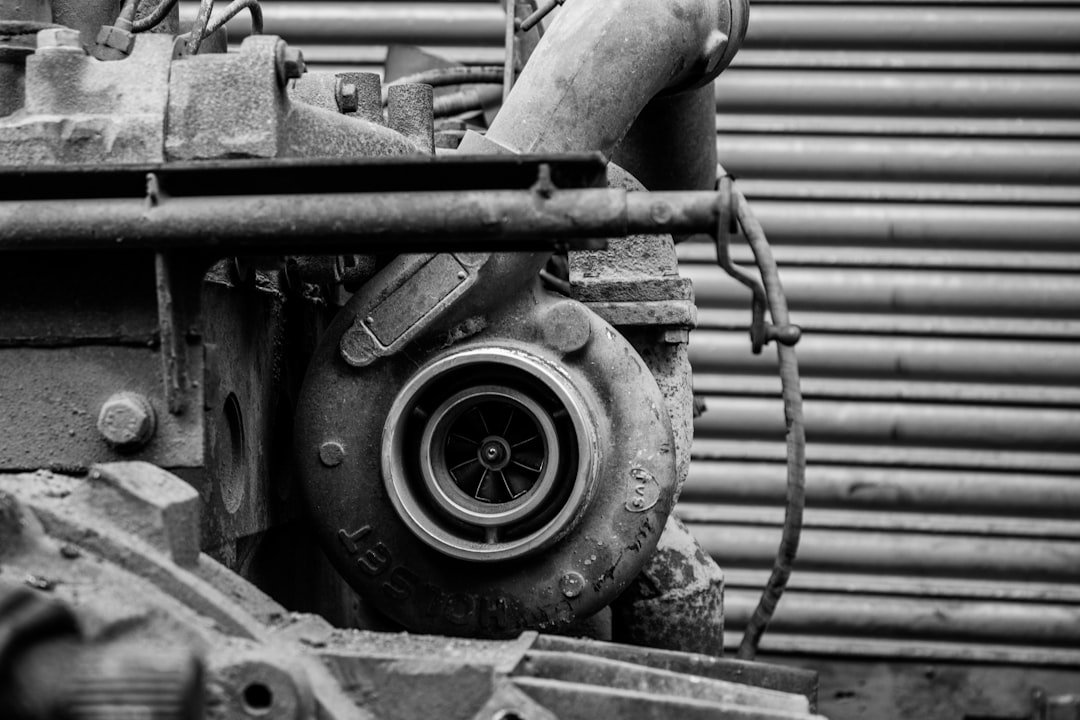
Turbochargers used to be a performance-oriented option limited to a handful of sports cars and diesel trucks. Today, they’re standard equipment on a huge share of new vehicles, used by manufacturers to get more power out of smaller, more fuel-efficient engines. That also means turbo failures have become a much more common reason drivers end up shopping for a used replacement.
This guide covers how a turbocharger works, common failure symptoms, the different turbo configurations manufacturers use, what to check before buying a used one, and what fair pricing looks like.
How a Turbocharger Works
A turbocharger uses exhaust gas to spin a turbine wheel, which is connected by a shaft to a compressor wheel on the intake side. As the turbine spins, the compressor forces more air into the engine than it could draw in on its own, allowing more fuel to be burned and more power produced from the same displacement. The shaft between the two wheels spins at extremely high speeds and relies on a constant supply of clean engine oil for lubrication and cooling.
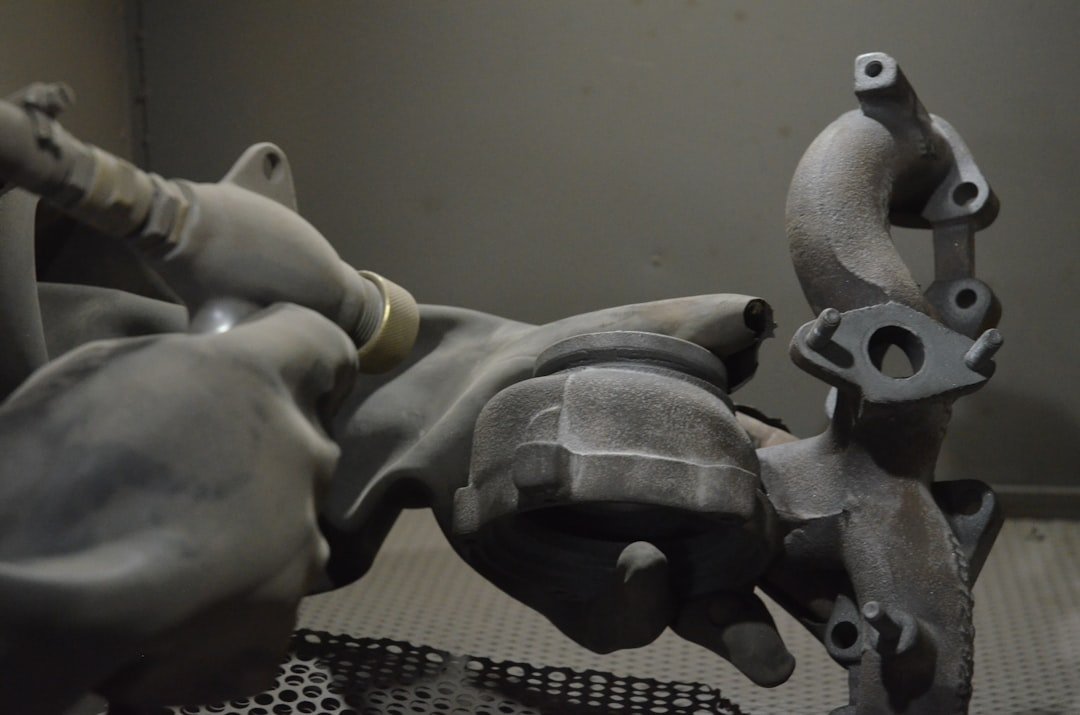
Common Symptoms of a Failing Turbocharger
| Symptom | Likely Cause | Urgency |
|---|---|---|
| Whining or whistling noise under acceleration | Worn bearings or a developing shaft seal leak | Moderate — address before it worsens |
| Blue-gray exhaust smoke | Oil leaking past worn seals into the intake or exhaust side | High — indicates internal wear already in progress |
| Noticeable loss of power or slow boost buildup | Worn turbine or compressor wheel, or a boost leak elsewhere in the system | Moderate to high depending on severity |
| Excessive oil consumption with no visible external leak | Oil being drawn into the engine through worn turbo seals | High — can lead to fouled spark plugs or catalytic converter damage |
Why Oil Maintenance Matters More With a Turbo
Because the turbo’s shaft bearings spin at such high speed and rely entirely on oil for lubrication, oil quality and change intervals matter more on a turbocharged engine than a naturally aspirated one. Running low-quality oil, extending oil change intervals too long, or shutting off a hot turbo immediately after hard driving (rather than letting it idle down) are all common ways owners inadvertently shorten a turbo’s lifespan. If you’re buying a used turbocharger, ask about the donor vehicle’s oil change history if it’s available, since a well-maintained donor engine is a meaningfully better sign than mileage alone.
Single vs. Twin-Scroll vs. Twin-Turbo Setups
Not all turbo setups are built the same way. A basic single-turbo design uses one turbine and one compressor wheel, and is the simplest and most common configuration on passenger vehicles. A twin-scroll turbo uses a single turbocharger but splits the exhaust housing into two separate channels to reduce exhaust pulse interference between cylinders, improving response at lower RPM. True twin-turbo setups use two complete, separate turbochargers, often one smaller unit for quick low-RPM response and one larger unit for high-RPM power, or two identical units splitting the workload on a V-configuration engine.
This distinction matters directly for used parts shopping: a twin-turbo vehicle typically needs its turbos replaced or matched as a pair even if only one has failed, since a mismatched pair can create uneven boost delivery between cylinder banks. Always confirm which configuration your vehicle uses before assuming a single used unit will solve your problem.
Aftermarket Upgrades and What They Mean for a Used Turbo
Because turbochargers are popular upgrade targets for performance enthusiasts, it’s not unusual to find used units that have been swapped for a larger aftermarket turbo, or modified from factory specifications entirely. A larger turbo can support more airflow and power, but it typically comes with a wider fitment and calibration mismatch with your vehicle’s stock computer tuning, intercooler, and fuel system.
If you’re buying a used turbo and it’s not immediately clear whether it’s a factory-spec replacement or an aftermarket unit, ask directly. Installing a mismatched aftermarket turbo without also addressing the supporting systems, tuning, fueling, and intercooling, can lead to poor drivability at best and engine damage at worst.
What to Check Before Buying a Used Turbocharger
- Confirm the exact engine code, not just the model year, since some engines used multiple turbo configurations or twin-turbo setups across trims.
- Check for shaft play by gently trying to move the turbine and compressor wheels, since play indicates worn bearings.
- Ask whether the unit was tested for boost leaks and shaft seal integrity, not just visually inspected.
- Inspect the turbine and compressor wheel blades for chips, cracks, or rubbing marks against the housing, which indicate prior damage.
Typical Costs: Used vs. New
| Part | Typical Used Price | Typical New/Dealer Price |
|---|---|---|
| Turbocharger (passenger car) | $150–400 | $600–1,500 |
| Turbocharger (diesel truck) | $300–700 | $1,200–2,500 |
| Wastegate actuator | $40–100 | $150–300 |
Warranty Coverage
Given how much stress a turbocharger’s internal components see, warranty coverage matters more here than on many other parts. Reputable sellers typically offer 30 to 90 days on used turbochargers, and you should ask specifically whether the unit was tested for shaft play and boost leaks before it was cataloged, not just visually inspected. A seller unwilling to answer these questions directly is worth treating with some skepticism, regardless of how good the price looks.
Where Englewood Used Auto Parts Fits In
We stock used turbochargers inspected for shaft play and seal condition before they’re cataloged by make, model, and engine, and backed by a warranty. Because turbo failures often relate to broader engine wear, we can also help you weigh whether a standalone turbo replacement makes sense or whether a used engine assembly might be the more cost-effective path depending on your vehicle’s overall condition. Browse our used auto parts inventory or call ahead with your VIN to confirm current availability.
Not sure how to confirm your VIN before ordering? Our VIN and vehicle compatibility guide covers exactly what to check, including confirming the exact engine and turbo configuration for your vehicle, since a single engine family can span several turbo sizes and boost targets across different trims and model years.
Frequently Asked Questions
What does it mean if my turbo is whining?
A whining or whistling noise under acceleration often indicates worn bearings or a developing shaft seal leak. It’s worth having it inspected before the wear progresses further.
Why is blue-gray exhaust smoke a bad sign?
It usually means oil is leaking past worn turbo seals into the intake or exhaust side, which indicates internal wear is already in progress and should be addressed soon.
How do I know if a used turbocharger will fit my vehicle?
Confirm the exact engine code, not just the model year, since some engines used multiple turbo configurations across different trims. Cross-reference your VIN against the seller’s inventory.
Do used turbochargers come with a warranty?
Reputable sellers typically offer 30 to 90 days. Ask whether the unit was tested for shaft play and boost leaks, not just visually inspected.
Does turbo maintenance differ from a regular engine?
Yes. Turbo bearings rely entirely on oil for lubrication and cooling, so oil quality and change intervals matter more, and letting a hot turbo idle down before shutdown helps extend its lifespan.
Not sure which turbocharger fits your vehicle? Contact our parts counter with your year, make, model, and engine code, and we’ll confirm availability and condition before you buy.


Leave a Reply