Author: Auto Parts Expert

  • Junkyard vs. Used Auto Parts Store: What’s the Difference?

    Junkyard vs. Used Auto Parts Store: What’s the Difference?

    “Junkyard” gets used as a catch-all term, but it actually covers two very different buying experiences. One hands you a wrench and a fee to pull the part yourself. The other hands you a tested, warrantied part someone else already removed. Knowing which one you’re walking into changes how much you’ll actually spend, and how much risk you’re taking on.

    This guide breaks down the real differences between a self-service junkyard and a full-service used auto parts store, so you know exactly what you’re paying for before you show up.

    What Is a Self-Service Junkyard (Pick-and-Pull)?

    A self-service junkyard, often called a pick-and-pull or u-pull-it yard, charges a small admission fee and lets you walk the lot to find your own part. You bring your own tools, remove the part yourself, and pay a counter price based on the part type — not its specific condition.

    Parts are typically sold as-is, with little to no warranty. If the part turns out to be the wrong one, cracked, or already worn out, that’s usually a loss you absorb yourself.

    You’ll also need to bring your own tools, a way to carry the part, and time — pulling an alternator or a door panel can take anywhere from twenty minutes to a couple of hours depending on your experience and the vehicle. Yards vary on whether they provide jacks or lifts, so it’s worth calling ahead if you’re pulling something heavy.
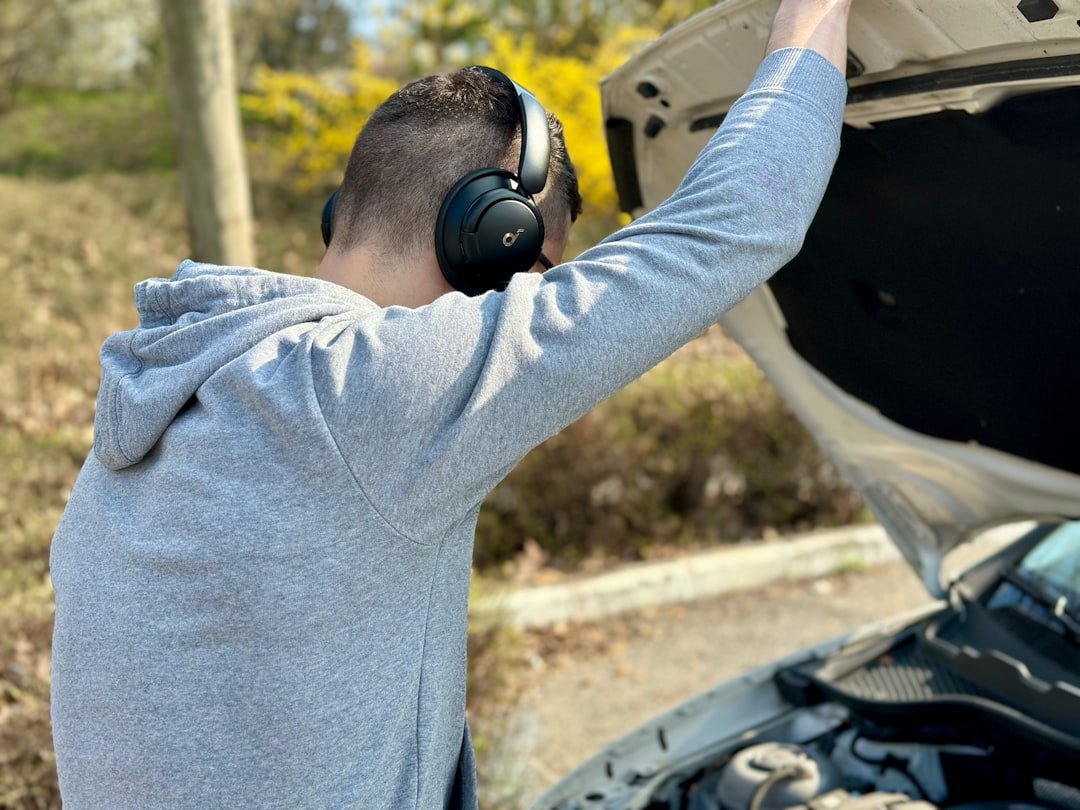
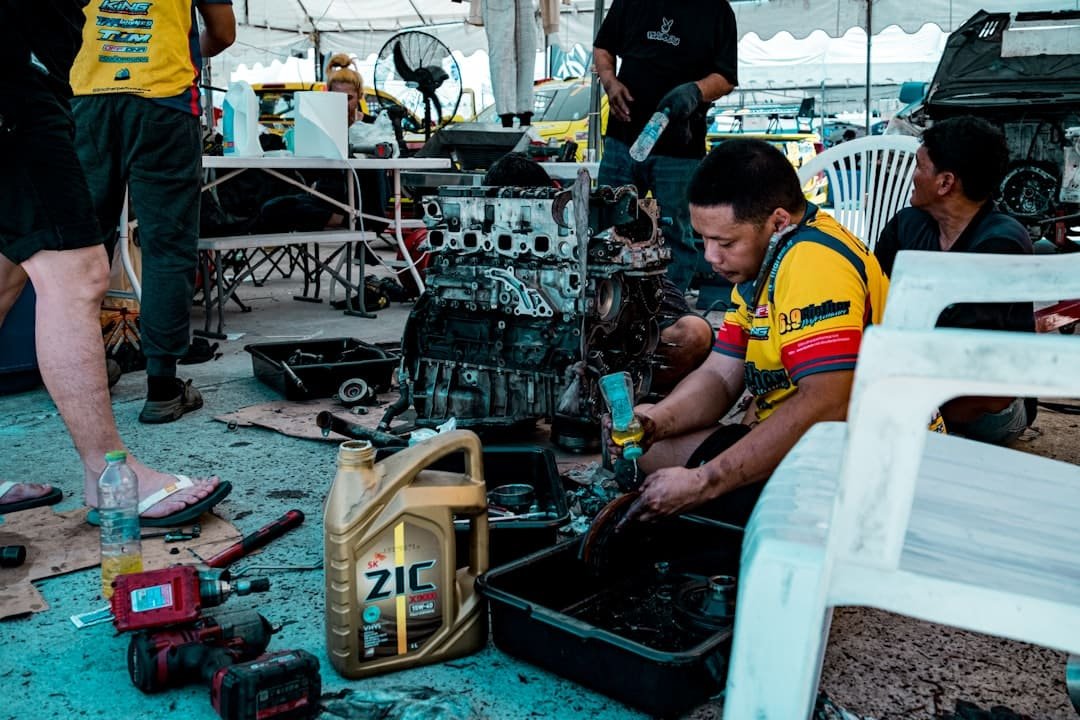
    A DIY approach to sourcing a part yourself, the self-service model some junkyards use

    What Is a Full-Service Used Auto Parts Store?

    A full-service used auto parts store, sometimes still called a salvage yard, removes the part for you before you ever see it. Inventory is disassembled, cleaned, and tested by staff, then cataloged by make, model, and year so it can be cross-referenced against your vehicle’s VIN.

    Because the labor is already done and the part has been verified, you’re paying a bit more than pick-and-pull pricing — but you’re buying certainty instead of a gamble.

    Most full-service yards can also tell you over the phone whether a part is in stock before you drive over, since inventory is logged by make, model, and year rather than left to whatever’s currently sitting on the lot.
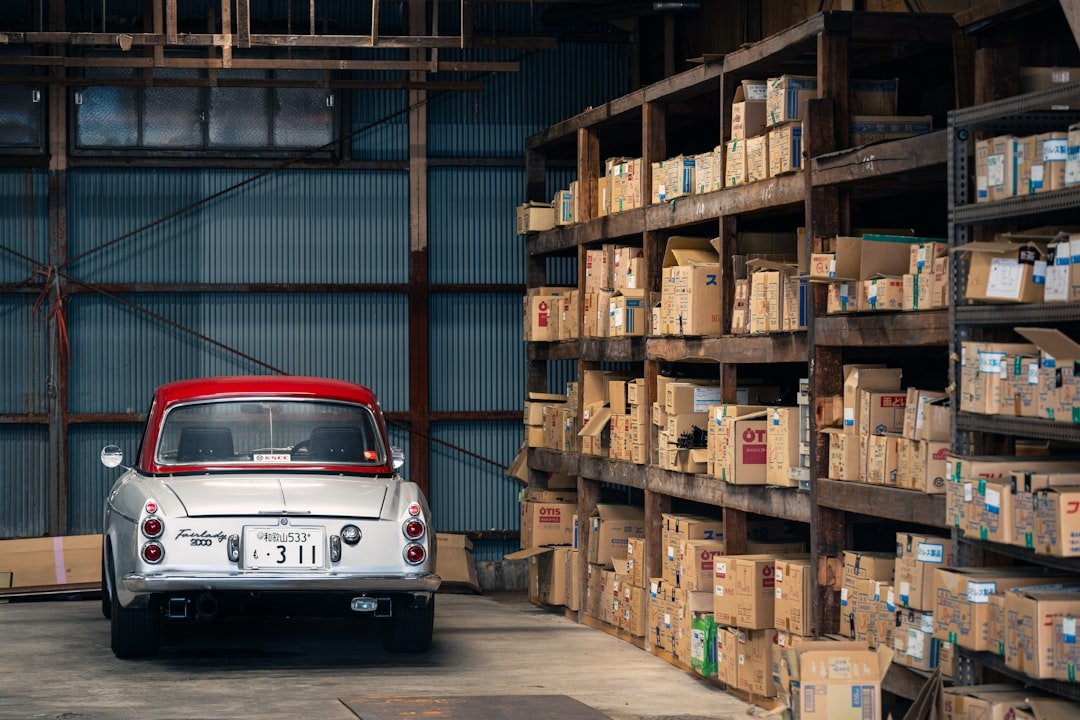
    A vehicle in a parts warehouse with organized shelving of catalogued components

    What About Online Marketplaces?

    A third option has become common: buying a used part from an individual seller on eBay, Facebook Marketplace, or a similar site. Pricing can be competitive, but there’s no way to inspect the part in person before it ships, and return policies vary wildly by seller.

    A private online listing also can’t verify fitment the way a parts counter with your VIN can. It’s a reasonable option for common, low-risk parts, but it carries more of the same uncertainty as a self-service yard — without the option to inspect the part with your own hands first.

    Junkyard vs. Used Auto Parts Store: Side-by-Side

    FactorSelf-Service JunkyardFull-Service Parts Store
    Who removes the partYou do, with your own toolsStaff, before it’s cataloged
    Condition when purchasedAs-is, untestedCleaned and tested
    WarrantyRare or noneTypically 30 days to 1 year+
    PriceLowest, flat fee per part typeModerate, reflects labor and testing
    Time investmentHigh — you locate and pull itLow — call ahead or walk in
    Best forBudget projects, spare parts, hobbyistsA part you need to work the first time
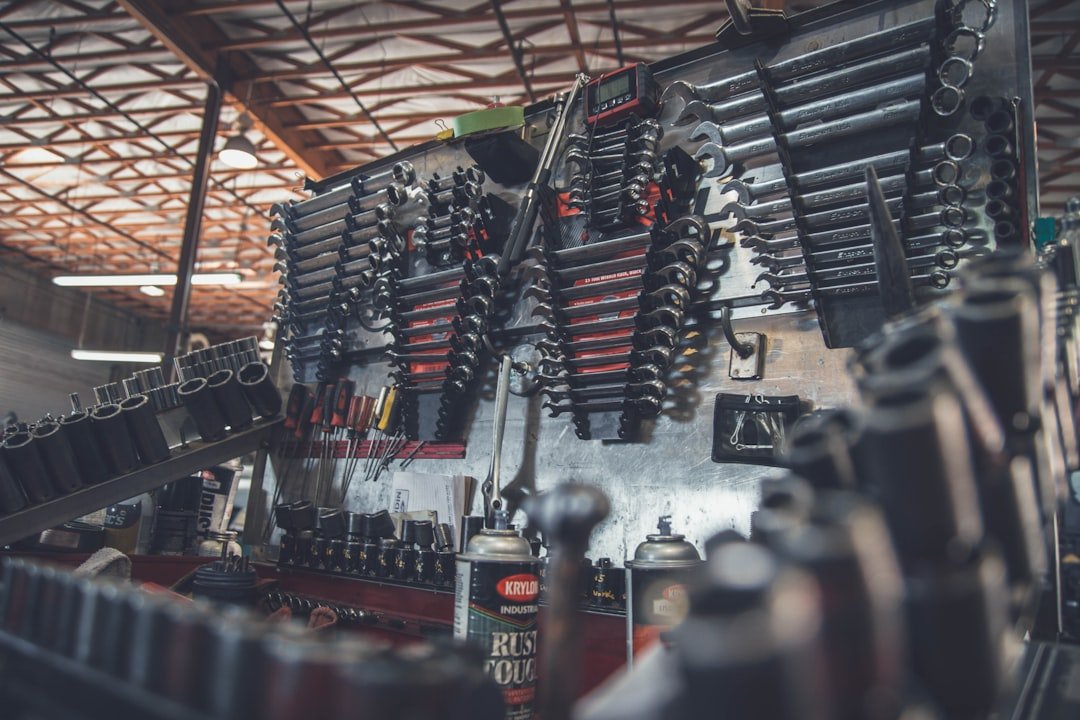
    Organized tool wall in a professional auto shop

    Pros and Cons of Each Option

    ProsCons
    Self-service junkyardLowest possible price; hands-on control over selectionNo warranty in most cases; requires your own tools and time; condition is a gamble
    Full-service parts storeTested before sale; warranty included; staff can confirm fitment by VINCosts more than pure pick-and-pull; inventory depends on what’s been processed

    How Much Do You Actually Save?

    According to the Automotive Recyclers Association, recycled OEM parts routinely save vehicle owners 20–80% compared to new, depending on the part and how it was sourced. Self-service pricing sits at the low end of that range; full-service, tested parts sit closer to the middle — still a significant discount off new, with far less risk than an as-is part.

    Sourcing MethodTypical Savings vs. NewCondition Risk
    Self-service junkyard60–80% off newHighest — untested, as-is
    Full-service used parts store40–70% off newLow — tested before sale
    New OEMFull priceNone
    Calculating cost savings on a desk with charts and a calculator

    Which One Should You Choose?

    If you’re comfortable pulling your own part, have the right tools, and can accept the risk of a bad fit, a self-service yard can save you the most money on a low-stakes repair.

    If the part is going into a vehicle you rely on daily, or you don’t have the time or tools to gamble on an untested component, a full-service store is worth the difference in price. The warranty alone often covers the gap if anything goes wrong.

    A useful rule of thumb: the more critical the part is to safe operation — brakes, steering, an engine or transmission — the more a tested, warrantied source is worth paying for. For cosmetic or low-stakes parts, a self-service yard is often the better value.

    A receipt printed at a point-of-sale terminal, similar to documentation provided with a warrantied part

    Where Englewood Used Auto Parts Fits In

    Englewood Used Auto Parts operates as a full-service yard: every part is disassembled, cleaned, and tested before it’s cataloged, and it’s backed by a warranty when you buy it. Browse our used auto parts inventory or call ahead with your year, make, and model to check what’s currently in stock. If you’re weighing whether to pull a part yourself at a self-service yard, our DIY part removal guide covers the tools, safety steps, and when it makes more sense to buy tested instead. And if you’re wondering whether a used part will actually hold up, our used parts lifespan guide covers what really determines remaining service life.

    Shopping for something specific? Our used Nissan parts buying guide and used car battery buying guide cover what to check for those components, and our OEM versus aftermarket auto parts guide is worth a read if you’re weighing a used part against a new one, and our used transmission buying guide covers what to check for one of the biggest-ticket parts we sell, and our used Toyota parts buying guide breaks things down by model, and our used radiator buying guide covers one of the most commonly replaced cooling system parts, and our used brake parts buying guide covers which safety-critical components are reasonable to buy used.

    Boxed and packaged parts ready for pickup or shipping

    Frequently Asked Questions

    Is a junkyard the same as a salvage yard?

    Not always. “Salvage yard” can refer to either a self-service (pick-and-pull) operation or a full-service yard that removes and tests parts for you. The terms overlap in everyday use, so it’s worth asking directly how a specific yard operates before you visit.

    Do used auto parts stores offer warranties?

    Full-service stores typically do, often 30 days to a year depending on the part. Self-service, pick-and-pull yards usually sell as-is with no warranty, since you’re removing the part yourself.

    Which option is cheaper?

    Self-service junkyards are usually cheaper upfront since you’re doing the labor. Full-service stores cost a bit more but include testing and a warranty, which can offset the price difference if the part would have otherwise failed.

    How do I know if a part will fit my vehicle?

    A full-service parts counter can cross-reference your VIN against their inventory before you buy. At a self-service yard, you’re responsible for confirming fitment yourself, usually with a compatibility chart or your own research.

    Are junkyard parts good quality?

    Quality varies more at self-service yards since parts aren’t tested before sale. Parts from a full-service, tested inventory are generally more reliable because a technician has already confirmed they work.

    Is buying from an online marketplace safer than a junkyard?

    Not necessarily. An online seller can’t be inspected the way a physical yard can, and return policies vary by platform and seller. It works reasonably well for low-risk parts, but carries similar uncertainty to a self-service yard without the ability to inspect the part first.

    Undercar components like suspension parts are a good example of where a tested, warrantied part matters most. Our used suspension parts buying guide covers what to check on struts, control arms, and ball joints before you buy.

    Dealing with collision damage specifically? Our bumper and body parts buying guide covers paint matching and OEM vs. aftermarket fitment.

    Wondering how a salvage title affects the parts we sell? Our salvage title explained guide covers what it means and why it doesn’t affect individual part quality.

    Curious how “tested and warrantied” is actually determined? Our parts grading guide covers the industry-standard A/B/C system and what real testing looks like.

    Have a vehicle you’re ready to part with instead? Our guide to selling a junk car for cash covers what determines its value and Illinois title requirements.

    Not sure which route makes sense for your repair? Contact our parts counter and we’ll help you figure out whether a tested, warrantied part is worth the difference for your situation.
  • Used Car Battery Buying Guide: Date Codes, CCA, and What to Check

    Used Car Battery Buying Guide: Date Codes, CCA, and What to Check

    A dead battery is one of the most common reasons a car won’t start — and one of the cheapest problems to fix, if you shop smart. A used or refurbished battery can cost a fraction of a new one, but batteries are also one of the few used parts where condition changes fast, so the questions you ask before buying matter more than usual.

    This guide covers how to read a battery’s age, what Cold Cranking Amps actually means for Chicago winters, what a fair price looks like, and how warranty coverage works if a used battery doesn’t hold up.

    Is a Used Car Battery Worth It?

    Car batteries typically last three to five years regardless of who made them. That means a used battery isn’t automatically a bad buy — it just means the remaining lifespan is the entire question, and you can’t answer it just by looking at the case.

    A refurbished battery sits in between: a used core that’s been tested, recharged, and often had a cell replaced, then resold with a shorter warranty than new but a lower price than buying new outright.

    FactorUsed BatteryRefurbished BatteryNew Battery
    Typical cost$30–60$50–90$100–220
    Remaining lifespanUnknown without testingPartially restored, testedFull 3–5 year lifespan
    WarrantyVaries, ask before buyingUsually 90 days–1 year1–3 years typical
    Best forBudget stopgap, older vehiclesBalance of cost and reliabilityDaily drivers, newer vehicles

    A used battery makes the most sense for an older vehicle you don’t plan to keep for years, or as a stopgap while you save for a new one. If you’re driving a newer daily driver you intend to keep long-term, the smaller upfront savings usually aren’t worth the uncertainty over remaining lifespan.

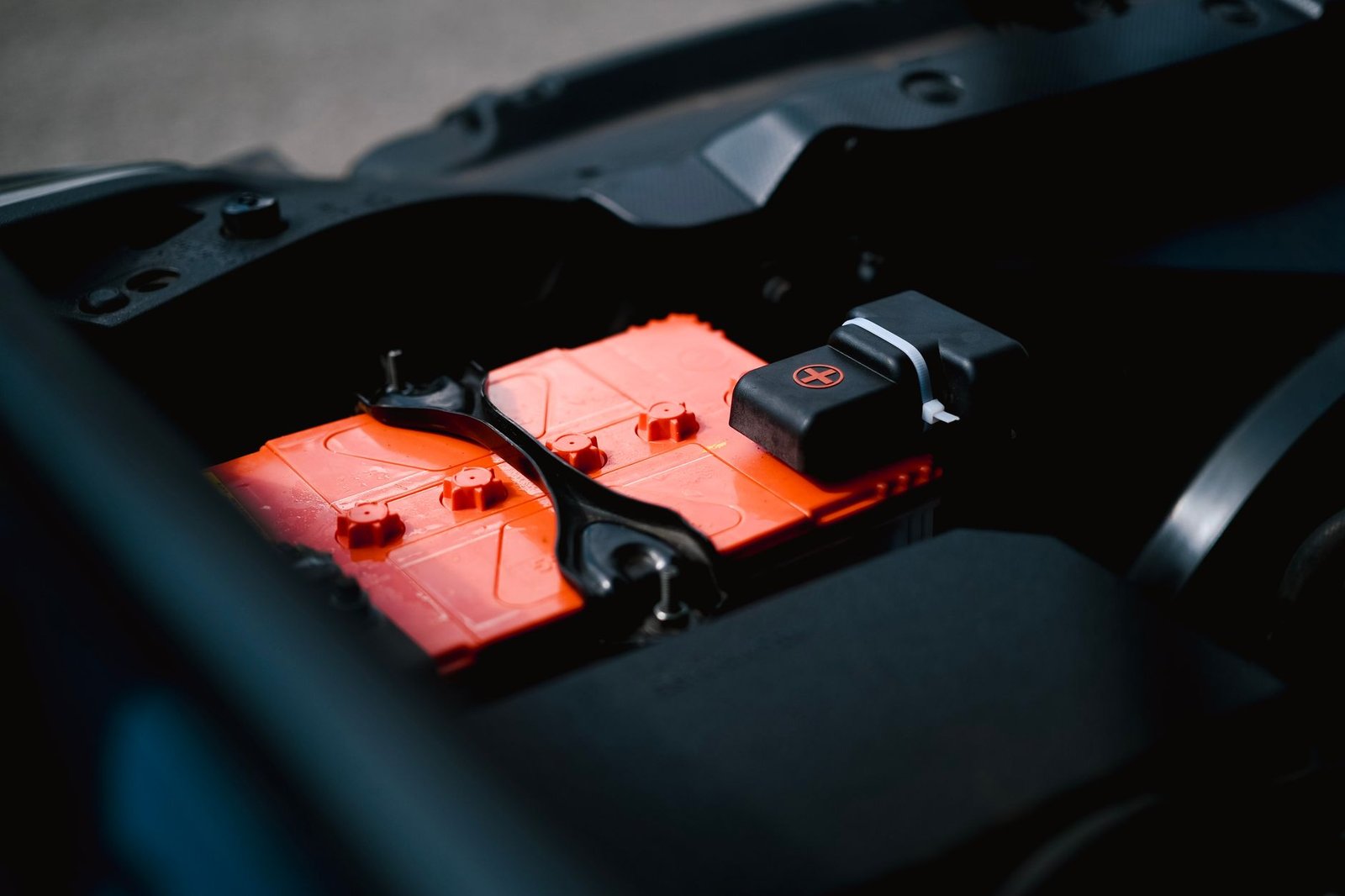
    A car battery mounted in the engine bay

    How to Read a Battery’s Date Code

    Every battery has a manufacture date stamped or printed on the case, usually near the terminals, and it’s the fastest way to estimate remaining life before you buy.

    Most codes use a letter for the month and a digit for the year — A through L for January through December (skipping “I” to avoid confusion with the number 1), followed by a single digit for the year. A code reading “C4” means the battery was made in March of a year ending in 4. Anything more than two years old deserves a closer look before you buy.

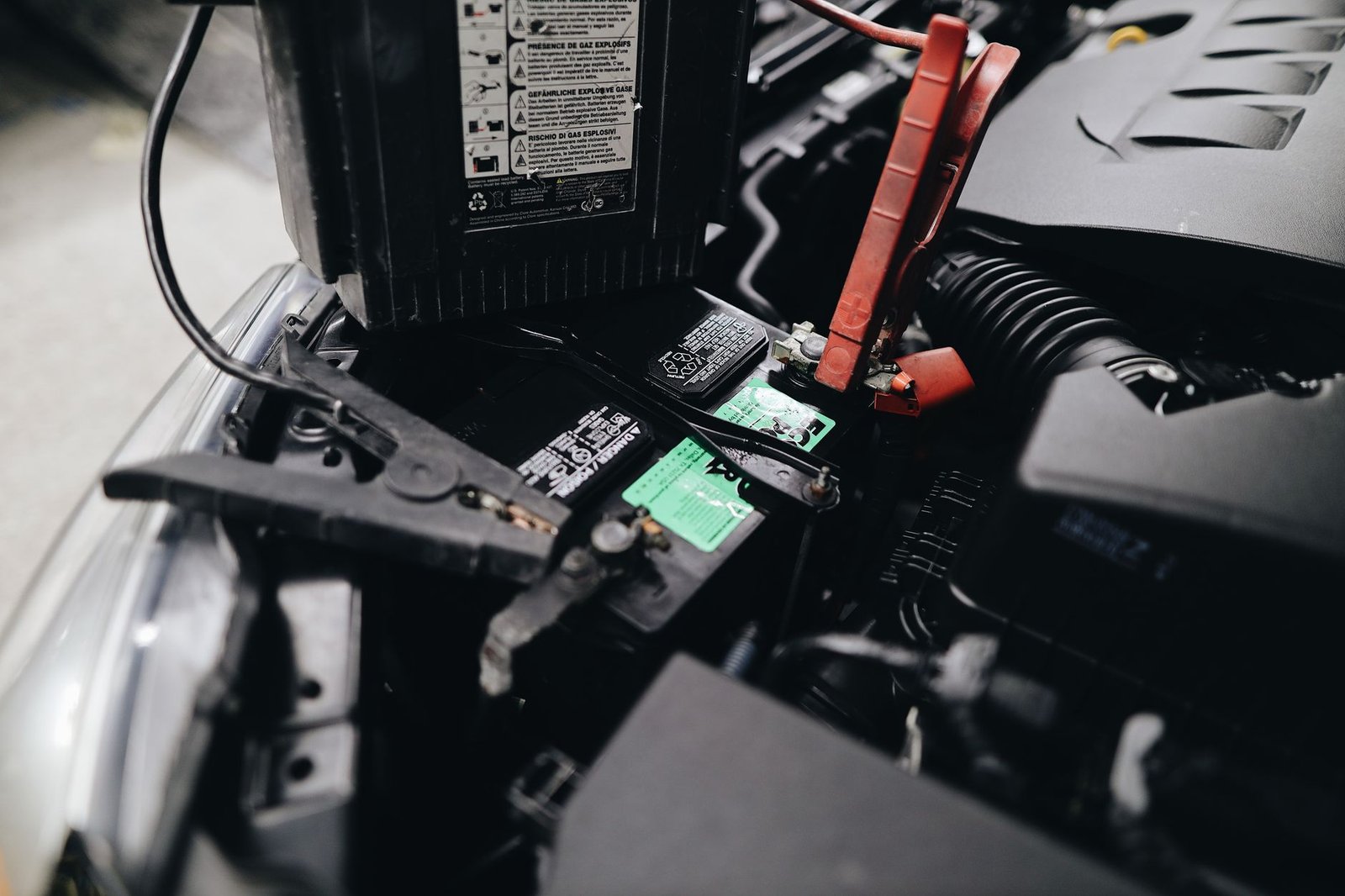
    Close-up view of a car battery and terminal connections

    Understanding Cold Cranking Amps (CCA) — and Why It Matters More in Chicago

    Cold Cranking Amps measure how much power a battery can deliver for 30 seconds at 0°F before voltage drops too low to start the engine. It’s the single most important spec to match when replacing a battery, and it’s the one competitors’ buying guides skip most often.

    A used or refurbished battery loses CCA capacity over time even if it still holds a charge, which is exactly why cold weather exposes a weak battery that seemed fine all summer. Chicago winters regularly test batteries that were already marginal, so buying a used battery with a CCA rating at or above your vehicle’s manufacturer spec — not just “close enough” — is worth the extra question at the counter.

    Frost crystals on a cold winter morning, the kind of cold that puts extra strain on a car battery

    What to Inspect Before You Buy a Used Battery

    • Check the date code first — anything under 2 years old is a reasonable candidate; anything over 4 years old rarely is.
    • Look for swelling, cracking, or a bulging case, which usually means the battery was overcharged or exposed to extreme heat.
    • Check terminals for heavy corrosion (a light dusting is normal; thick blue-green buildup is not).
    • Ask to see the battery load-tested, not just charge-tested — a battery can hold a surface charge and still fail under starting load.
    • Confirm the CCA rating matches or exceeds what your vehicle’s manufacturer specifies.
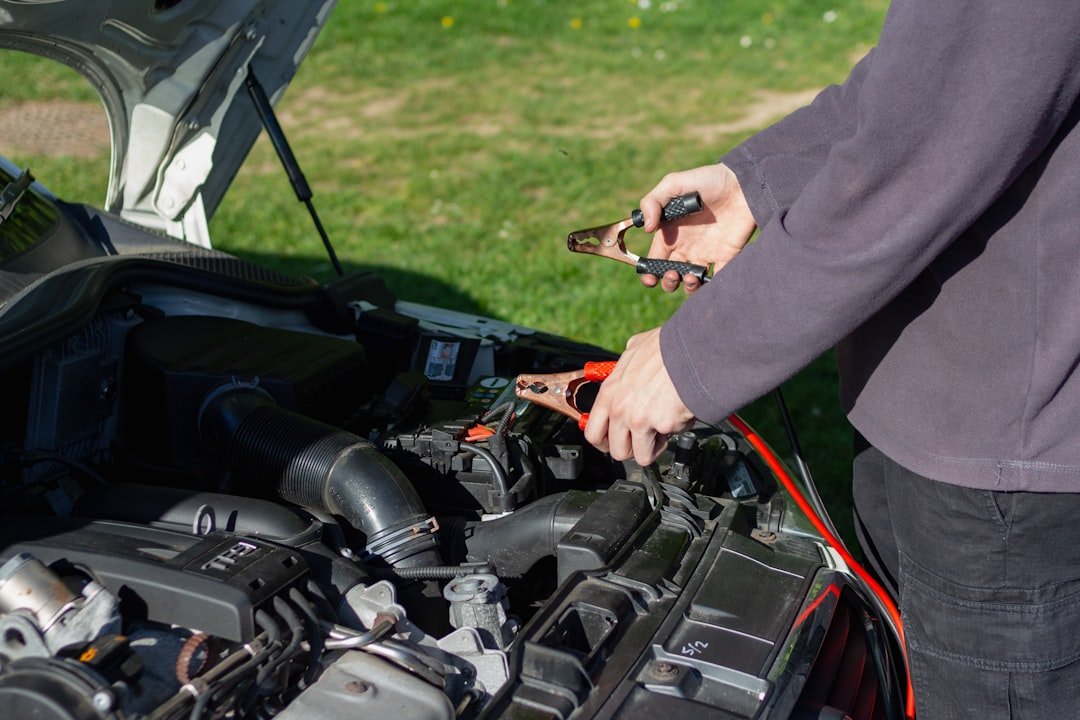
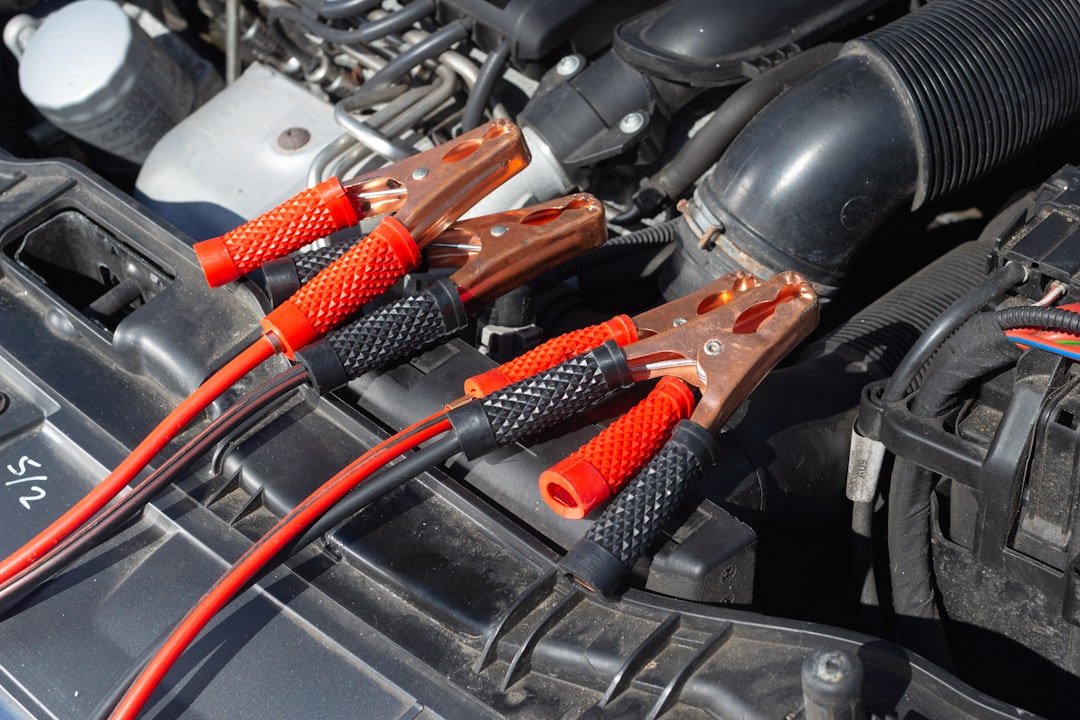
    Attaching jumper cable clamps to a car battery terminal

    Typical Battery Prices: New vs. Used vs. Refurbished

    Pricing depends on battery group size and CCA rating, but these ranges hold for most standard passenger vehicles. Contact our parts counter for a quote on your specific make and model.

    Battery TypeTypical PriceTypical Warranty
    Used (tested)$30–6030–90 days
    Refurbished$50–9090 days–1 year
    New, standard$100–1601–2 years
    New, AGM/premium$160–2202–3 years
    A battery charger connected to a vehicle battery

    Warranty Coverage and Battery Recycling

    A used or refurbished battery is only a good deal if someone stands behind it. Ask specifically what the warranty covers — a full replacement or a prorated credit — and how long it lasts before you buy. Our guide to salvage yard warranties covers what’s typically included in more detail, and our full warranty and shipping policy has the specifics for parts purchased here.

    Old batteries should never go in the trash. According to the Battery Council International, lead-acid batteries have a 99% recycling rate — the highest of any consumer product in the U.S. Most parts counters, including ours, accept old batteries for core exchange or recycling when you buy a replacement.

    A recycling bin representing battery core-exchange and recycling programs

    Where to Buy a Used Car Battery in Chicago

    Englewood Used Auto Parts tests batteries before they’re cataloged, so you’re not guessing at condition. Check our current parts inventory or call ahead with your vehicle’s year, make, and model to confirm what’s in stock.

    We’ve cataloged used parts by make, model, and year since 1983, which means our parts counter can usually tell you a battery’s CCA rating and date code over the phone before you drive in.

    Buying a remanufactured battery elsewhere and noticed a deposit added to the price? Our core charges guide explains what that fee covers and how to get it refunded.

    Curious how a full-service parts store compares to a self-service junkyard? Read our junkyard vs. used auto parts store breakdown for the warranty and cost differences. And if you’re checking your battery as part of a broader seasonal once-over, our fall car care checklist covers what else to inspect before the weather turns.

    Shopping for a specific make? See our used Nissan parts buying guide for model-specific pricing and compatibility tips, or read OEM versus aftermarket auto parts if you’re weighing options on a different component entirely.

    Frequently Asked Questions

    Is it safe to buy a used car battery?

    Yes, as long as you check the date code, inspect for damage, and confirm it’s been load-tested rather than just charge-tested. Buying from a seller who offers even a short warranty adds meaningful protection.

    How do I know how old a used battery is?

    Look for the manufacture date code stamped near the terminals — a letter for the month and a digit for the year. Batteries older than four years are rarely worth buying, even at a low price.

    What CCA rating do I need?

    Check your owner’s manual or the sticker on your original battery for the manufacturer’s minimum CCA rating, then buy a replacement that meets or exceeds it — especially if you’re shopping in a cold climate like Chicago.

    Do used car batteries come with a warranty?

    Reputable sellers typically offer a short warranty, often 30 to 90 days, covering a full replacement if the battery fails. Always confirm coverage before you buy.

    What is the difference between a used and a refurbished battery?

    A used battery is sold as-is after testing, with no repair work done. A refurbished battery has typically been recharged, load-tested, and sometimes had a weak cell serviced, which is why it usually costs more than a plain used battery but comes with a longer warranty.

    Can I recycle my old battery when I buy a replacement?

    Yes. Most auto parts sellers, including ours, accept old batteries for core exchange or recycling. Lead-acid batteries have an industry recycling rate of 99%, so almost nothing goes to waste.

    Not sure how to read your VIN? Our VIN and vehicle compatibility guide covers where to find it and what it tells a parts counter.

    Cold weather is the single biggest factor in battery failure. Our winter car prep checklist covers what else is worth checking before temperatures drop.

    If your battery keeps dying even after replacement, the real issue might be the alternator. Our alternator and starter buying guide covers how to tell the difference.

    Not sure which battery fits your vehicle? Contact our parts counter with your year, make, and model, and we’ll confirm CCA rating and availability before you buy.

  • Used Nissan Parts Buying Guide: What to Check Before You Buy

    Used Nissan Parts Buying Guide: What to Check Before You Buy

    Nissan is one of the most common vehicles on Chicago roads, which means a used Nissan part is often easier to find — and far cheaper to buy — than most drivers expect. Whether you’re replacing an alternator on an Altima or sourcing a used engine for a Rogue, buying used can save real money without sacrificing reliability, as long as you know what to check first.

    This guide walks through exactly that: how to confirm a used part will actually fit your Nissan, what the most commonly replaced parts typically cost, what to inspect before you hand over payment, and how warranty coverage works when you buy used instead of new.

    None of this requires special expertise. It just means asking the right questions before you buy, not after the part is already installed.

    Why Buy Used Nissan Parts Instead of New?

    The main reason drivers choose used Nissan parts is straightforward: cost. Used parts typically run 30–70% less than new OEM equivalents, and that gap only grows for expensive components like engines, transmissions, and body panels.

    Used parts also tend to be more readily available for older Nissan models that dealerships have stopped stocking new. A salvage yard that disassembles, cleans, and tests parts before resale gives you a middle option: OEM-quality components at a fraction of dealer pricing.

    There’s also a practical reliability angle. Certain Nissan model years carry well-documented CVT transmission concerns, which is one reason many owners specifically search for a used or remanufactured transmission rather than paying dealer prices for a new unit.

    Buying used also keeps a functioning part out of the scrap stream. Every engine, transmission, or panel that gets reused is one less part that needs to be manufactured from raw materials, which is a meaningful side benefit even if cost is the main reason you’re shopping used.

    FactorUsed OEMNew OEMAftermarket
    Typical cost30–70% below newFull retail10–40% below new OEM
    Fit & compatibilityExact factory fitExact factory fitVaries by manufacturer
    Availability (older models)Often the best optionFrequently discontinuedWidely available
    Best forBudget repairs, older vehiclesWarranty-sensitive, newer vehiclesCosmetic, non-critical parts
    Aerial view of rows of vehicles at a dealership lot

    How to Check VIN Compatibility Before You Buy

    Nissan reuses many parts across model years and trims, so two parts that look identical on the shelf don’t always fit the same car. Differences in engine size, wiring harnesses, and sensor placement can turn an easy swap into a frustrating return if you skip this step.

    The safest way to avoid a mismatch is to confirm compatibility by VIN before you buy, not after the part arrives.

    1. Locate your Nissan’s VIN — it’s on the dashboard at the base of the windshield (driver’s side) and on the driver’s door jamb sticker.
    2. Note your exact trim, engine size, and model year, since Nissan often runs more than one engine option within the same model.
    3. Share the VIN with the parts specialist so they can cross-reference it against the donor vehicle the part came from.
    4. For extra peace of mind, run the VIN through the National Insurance Crime Bureau’s free VINCheck tool to review title and salvage history.
    5. Ask whether the part was pulled from a vehicle with a matching engine and trim, not just the same model name.
    Interior dashboard view of a vehicle, near where the VIN plate is commonly located

    Most Commonly Replaced Used Nissan Parts (and What They Typically Cost)

    These are the components Nissan owners replace most often, along with typical price ranges. Exact pricing depends on the part’s condition, mileage, and your specific model — contact our parts counter for a live quote on your vehicle.

    PartTypical Used PriceTypical New OEM PriceCommonly Needed On
    Alternator$60–150$250–450Altima, Sentra, Maxima
    Used engine (complete)$800–2,200$4,000–7,000+Altima, Rogue, Pathfinder
    Transmission$600–1,500$3,000–5,500Altima, Murano, Frontier
    Radiator$50–120$200–400Sentra, Rogue, Altima
    Headlight assembly$40–100$150–350Altima, Maxima, Rogue
    Door or body panel$75–200$300–700All models

    Alternators and headlight assemblies tend to fail from ordinary wear and vibration over time, while engines and transmissions are more often replaced after a major mechanical failure than routine wear. If your battery is due for replacement at the same time, our used car battery buying guide covers CCA ratings and what to check first.

    Close-up of a car alternator and belt system in an engine bay

    What to Inspect Before You Buy a Used Nissan Part

    A reputable seller will let you inspect a part, or at least answer detailed questions about its condition, before you commit to buying. Use this checklist as a starting point.

    • Ask for the donor vehicle’s mileage, especially for engines and transmissions — lower mileage generally means less wear.
    • Check for fluid leaks, cracks, or corrosion on any part you can physically inspect.
    • Request to see the part running or bench-tested if it’s electrical, such as an alternator, starter, or sensor.
    • Bring a trusted mechanic along for high-value purchases like engines or transmissions.
    • Confirm the part was cleaned and tested before being tagged for resale, rather than pulled and sold as-is.
    Mechanic using a wrench to inspect a used engine part for wear

    Understanding Your Warranty Coverage

    A used part is only a good deal if it’s backed by a real warranty. Reputable salvage yards test parts before resale and stand behind them for a defined period, which protects you if something fails after installation.

    See our full warranty and shipping policy for details on coverage length, what’s included, and how to file a claim if you ever need one.

    Technician working at a bench in a professional auto repair workshop

    Where to Buy Used Nissan Parts in Chicago

    Englewood Used Auto Parts has cataloged used engines, transmissions, and other components by make, model, and year since 1983, which makes cross-referencing a Nissan part by VIN straightforward. Browse our used auto parts inventory to see current categories, or call ahead with your VIN and we’ll check availability.

    Every part we sell is disassembled, cleaned, and tested before it’s cataloged, and we ship nationwide for customers outside the Chicago area. If you’re local, our parts counter can usually tell you within a few minutes whether a specific Nissan part is currently in stock.

    Wondering how this compares to a self-service junkyard? Our guide to junkyard vs. used auto parts store breaks down the tradeoffs in warranty, cost, and condition. If you drive a different make, our used Toyota parts buying guide covers similar ground model by model.

    Deciding between a used, new, or aftermarket part? Our guide to OEM versus aftermarket auto parts breaks down the tradeoffs in more detail. And if you’re replacing a full engine rather than a single component, how to choose the right used engine covers the additional questions worth asking before you buy.

    A well-equipped auto garage workspace with tools and parts storage

    Frequently Asked Questions

    Are used Nissan parts reliable?

    Yes, provided they come from a reputable salvage yard that tests parts before resale. A part pulled from a low-mileage donor vehicle and backed by a warranty is a reliable, lower-cost alternative to buying new.

    How do I know if a used Nissan part will fit my car?

    Cross-reference your vehicle’s VIN against the donor vehicle’s VIN. Nissan shares parts across trims and model years, but engine size and production date can affect fitment, so always confirm before buying.

    Do used Nissan parts come with a warranty?

    Reputable sellers back their used parts with a warranty covering defects for a set period after purchase. Always ask about warranty length and what it covers before you buy.

    What’s the difference between OEM and aftermarket Nissan parts?

    Used OEM parts were made by or for Nissan and offer an exact factory fit. Aftermarket parts are produced by third-party manufacturers and can vary in fit and material quality between brands.

    Can I get used Nissan parts shipped nationwide?

    Many salvage yards, including ours, ship parts nationwide with careful packaging for fragile components. Contact the parts counter to confirm shipping costs and timing for your specific part.

    What if a used Nissan part doesn’t fit once it arrives?

    This is exactly why VIN verification before purchase matters so much. If a part still doesn’t fit after compatibility was confirmed, our warranty and shipping policy outlines the return process — keep the original packaging until you’ve test-fitted the part.

    Not sure how to read your VIN? Our VIN and vehicle compatibility guide walks through exactly what to check.

    Have a Nissan part in mind? Contact our parts counter with your VIN, and we’ll confirm availability and pricing before you buy.

  • Understanding Auto Salvage Yard Warranties

    Understanding Auto Salvage Yard Warranties

    One of the biggest advantages of buying from an established salvage yard instead of an unverified private seller is the warranty that comes with the part. Here’s what a typical used auto parts warranty covers, and the questions worth asking before you buy.

    What a Parts Warranty Typically Covers

    Most salvage yard warranties cover defects in the part itself for a set period after purchase. If you choose a rebuilt part, the warranty usually applies to both the original components that were reused and the components that were replaced during the rebuild.

    Warranty length can also vary by part type — batteries, for example, are one of the few components where condition changes quickly, which is why our used car battery buying guide walks through what a fair warranty looks like.

    How Parts Are Tested Before Sale

    Reputable yards disassemble, clean, and test recycled vehicle engines and other components before cataloging them for sale. Each part is tagged with the vehicle it came from, which makes it easier to confirm compatibility and trace a part back if a warranty claim comes up.

    Wide view of rows of vehicles at an auto salvage yard

    Why Cataloging and Tagging Matters

    A well-organized inventory system means every part can be cross-referenced by make, model, and year. That level of tracking is also what makes it possible to honor a warranty claim quickly, since the part’s history is already on file.

    Inventory tag label attached to a cataloged auto part

    Shipping and Delivery

    When ordering parts for shipment rather than picking them up in person, ask how breakable components are packaged. Parts that carry seals, gaskets, or glass, such as headlights and taillights, should be boxed carefully to prevent damage in transit.

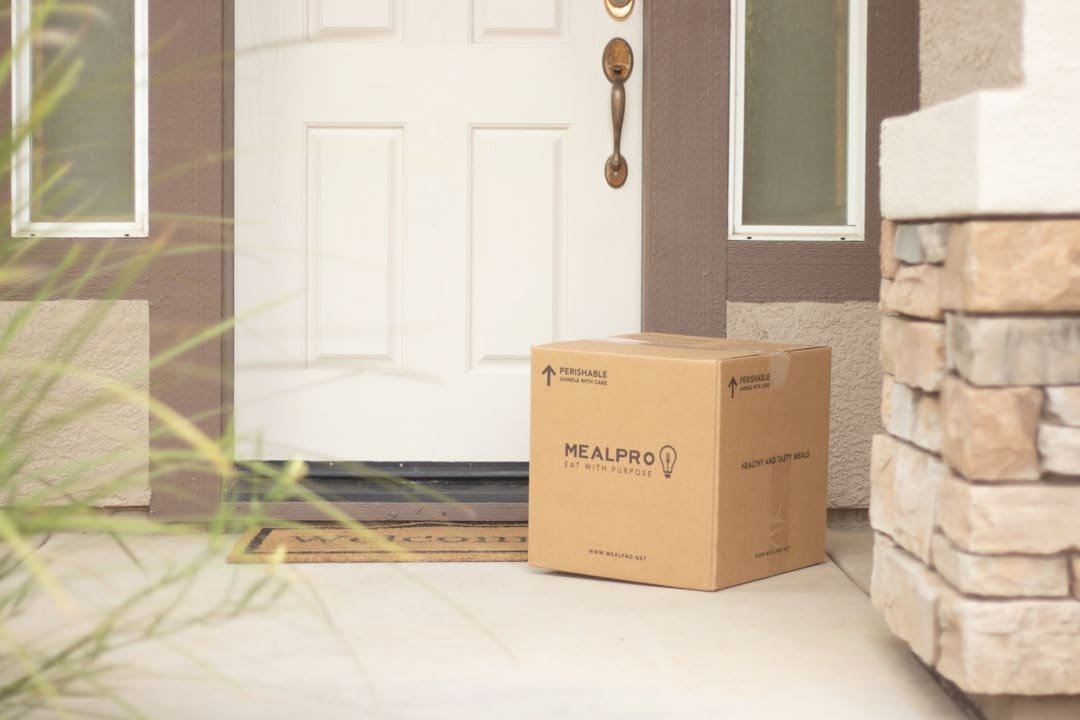
    Auto parts delivery box left at a doorstep

    Ask Questions Before You Buy

    A good parts counter should be able to answer questions about warranty length, what voids coverage, and how to file a claim, before you ever make a purchase. If you have questions that aren’t covered in our FAQ page, our team is happy to walk through the details over the phone.

    Customer service representative on a phone call in an office

    Keep Your Paperwork

    Hold on to your receipt and any warranty documentation from the time of purchase. If you ever need to make a claim, having the part’s tag number and purchase date on hand will make the process much faster.

    Customer signing a parts warranty document

    The Federal Trade Commission’s consumer resources also outline general rights and protections to be aware of when purchasing warrantied products.

    Have a part in mind? Contact our parts counter and we’ll confirm warranty coverage before you buy.

  • OEM vs. Aftermarket Auto Parts: What’s the Difference?

    OEM vs. Aftermarket Auto Parts: What’s the Difference?

    When it’s time to repair or replace a part on your vehicle, you’ll usually have two options: OEM (Original Equipment Manufacturer) or aftermarket. Both can be excellent choices depending on your budget, the part in question, and how you use your vehicle.

    What Are OEM Parts?

    OEM parts are made by, or for, the original manufacturer of your vehicle, using the same specifications as the part that came installed from the factory. A used OEM auto part pulled from a salvage vehicle gives you factory-original fit and finish at a lower cost than buying new.

    What Are Aftermarket Parts?

    Aftermarket parts are produced by third-party manufacturers and are designed to fit and function like the original. Quality varies widely between aftermarket brands, so it helps to buy from a supplier who stands behind what they sell.

    Aftermarket auto parts stored on a warehouse shelf

    When OEM Makes the Most Sense

    OEM is generally the safer choice for structural body panels, safety-related components like airbags and seatbelt hardware, and anything tied closely to your vehicle’s electronic systems, such as sensors and control modules. These are areas where an exact match to factory specifications matters most, since a slight fitment or calibration difference can affect how the part performs, how well it integrates with other systems, or how the vehicle behaves in a future collision. A used OEM part, pulled from a donor vehicle and properly tested, gives you that factory-exact match at meaningfully less than the cost of new.

    When Aftermarket Makes the Most Sense

    Aftermarket parts tend to make the most sense for cosmetic trim, lighting, and other components where an exact factory match matters less and a wider range of price points is available. A quality aftermarket mirror, grille, or trim piece can perform identically to OEM at a lower price, provided you’re buying from a manufacturer with a track record for consistent fitment. The tradeoff is that quality varies more across aftermarket brands than it does across OEM sources, so a bit more research before buying pays off.

    A Common Misconception: “Aftermarket” Doesn’t Mean “Low Quality”

    It’s a common assumption that aftermarket automatically means inferior, but that’s not accurate. Many aftermarket manufacturers produce parts to the same or tighter tolerances than OEM, and some OEM manufacturers even source certain components from the same third-party suppliers who sell under aftermarket brands. The real variable isn’t OEM versus aftermarket as categories, it’s the specific manufacturer’s quality control and reputation. This is exactly why buying from a seller who stands behind what they sell, regardless of which category a part falls into, matters more than the label alone.

    Comparing Fit, Quality, and Cost

    OEM parts generally offer the most predictable fit since they match the original specification exactly. Aftermarket parts can offer more variety and lower prices, but fitment and material quality can vary between manufacturers. A rebuilt automotive part from your own vehicle’s original components often splits the difference: original fit, at a reduced cost.

    Technician comparing two auto parts for fitment

    How to Decide Which Option Is Right for a Specific Repair

    Rather than picking OEM or aftermarket as a blanket policy, it helps to ask a few questions about the specific part in front of you. Is it structural or purely cosmetic? Does it need to communicate with your vehicle’s electronics, or does it operate independently? Is a slight variation in fit or finish something you’d even notice, or does it need to match exactly for the part to function correctly? Answering these for each individual repair, rather than defaulting to one category across the board, tends to produce better outcomes than a fixed rule ever could.

    Budget matters too, of course, but it’s worth weighing against the true cost of a repeat repair. A cheaper part that doesn’t hold up as long, or that creates a fitment issue requiring extra labor to correct, can end up costing more than the higher-quality option would have in the first place. This is especially true for labor-intensive repairs, where the part price is often a smaller share of the total bill than the hours spent installing it.

    Ask About Testing, Not Just the Label

    Whether you land on OEM or aftermarket, the single question that matters most is whether the specific part was actually tested before it was offered for sale. A used OEM part that was pulled from a salvage vehicle and never checked for function is a bigger gamble than a well-reviewed aftermarket part from a manufacturer with a track record. Ask directly what testing was performed, not just whether the part is OEM or aftermarket, and treat a vague answer as a signal to look elsewhere.

    Why Quality Inspection Matters

    Whichever option you choose, a part that has been disassembled, cleaned, and tested before resale reduces the risk of installing something that fails prematurely. That’s the same process we use to catalog every part in our inventory.

    Technician performing a quality inspection on an auto part

    There’s no single right answer that applies to every vehicle or every repair. The goal isn’t to pick a side between OEM and aftermarket permanently, but to make that call thoughtfully each time, based on the part, the vehicle, and what’s actually been tested.

    Browse Before You Decide

    Our parts database lets you search by make, model, and year to compare what’s available, and every listing notes whether a part is OEM or aftermarket so you can decide with the full picture in front of you. Every part we sell is backed by our warranty, regardless of whether it started life as an OEM or aftermarket component.

    Quality inspection stamp being applied to a checked part

    For consumer guidance on parts quality and repair standards, the Auto Care Association publishes educational resources for vehicle owners.

    Shopping for a specific make? Our used Nissan parts buying guide covers model-specific pricing and what to check before you buy.

    A parts warehouse with organized inventory

    Frequently Asked Questions

    Is OEM always better than aftermarket?

    Not always. OEM offers the most predictable fit and is generally the safer choice for structural, safety-related, or electronically integrated components. For cosmetic or trim parts, a quality aftermarket option can perform identically at a lower cost.

    Does aftermarket mean lower quality?

    Not necessarily. Quality varies more by manufacturer than by category, and some aftermarket brands meet or exceed OEM tolerances. The manufacturer’s reputation matters more than whether a part is labeled OEM or aftermarket.

    Is a used OEM part better than a new aftermarket part?

    It depends on the component. For anything tied to structural integrity or vehicle electronics, a tested used OEM part is often the better choice, since it guarantees the exact factory fitment and specification your vehicle was built with.

    Will my insurance cover OEM parts after an accident?

    Many insurers default to aftermarket parts in repair estimates to control costs, but you generally have the right to request OEM parts and pay any price difference yourself. Check your specific policy for details.

    How do I know if an aftermarket part is good quality?

    Buy from a manufacturer or seller with a track record for consistent fitment, and ask specifically whether the part has been tested rather than just visually inspected. A seller who stands behind their parts with a real warranty is a good sign regardless of category.

    Not sure which option fits your budget and vehicle? Reach out to our team and we’ll walk you through what’s available.

  • How to Choose the Right Used Engine for Your Vehicle

    How to Choose the Right Used Engine for Your Vehicle

    A used engine can get your vehicle back on the road for a fraction of the cost of a new one, but only if you know what to check before you buy. Whether you’re replacing a worn-out engine or upgrading after a breakdown, these are the questions worth asking at any auto parts inventory counter.

    Check Mileage and Maintenance History

    Mileage alone doesn’t tell the whole story. An engine with 90,000 miles that was regularly serviced can outlast one with 60,000 miles and a spotty maintenance record. Ask the seller for any available service history, and look for signs of routine oil changes, such as clean internal components during a visual inspection.

    Close-up of a car odometer showing vehicle mileage

    Confirm Engine Compatibility by VIN

    Engines are often shared across multiple model years and trims, but small variations in wiring harnesses, sensors, or mounting points can cause a mismatch. Providing your vehicle’s VIN lets a parts specialist cross-reference the exact engine compatibility for your make, model, and year before you commit to a purchase.

    Mechanic checking a vehicle engine bay for parts compatibility

    Inspect for Wear Before You Buy

    A reputable seller should allow a visual inspection or provide clear photos of the engine before removal. Look for oil residue around gaskets, corrosion on the block, and any signs of overheating such as warped components. If you’re unsure what to look for, bring along a trusted mechanic or ask the seller directly.

    Technician repairing a used engine block surrounded by tools

    Ask About Warranty Coverage

    A used engine backed by a parts warranty gives you a safety net if something goes wrong after installation. Always confirm what the warranty covers, how long it lasts, and what documentation you’ll need if you ever have to make a claim.

    Work With a Trusted Salvage Yard

    Buying from an established auto salvage yard means the engine has typically already been pulled, cleaned, and tested before it reaches the shelf. That process, combined with a knowledgeable parts counter, makes it much easier to find recycled vehicle engines that match your exact needs.

    Engine hoist lift used to remove a used engine in a garage

    For general guidance on vehicle maintenance and finding qualified repair professionals, the National Institute for Automotive Service Excellence (ASE) maintains a directory of certified technicians.

    Shopping for a specific make? See our used Nissan parts buying guide for model-specific pricing, VIN compatibility tips, and what to check before you buy.

    Replacing a transmission alongside your engine? Our used transmission buying guide covers fluid checks, pricing, and warranty coverage for that swap. If overheating led to the failure, our used radiator buying guide covers what to check on the cooling system side.

    Ready to start your search? Contact our parts counter with your vehicle’s year, make, and model, and we’ll help you find a used engine that fits.