
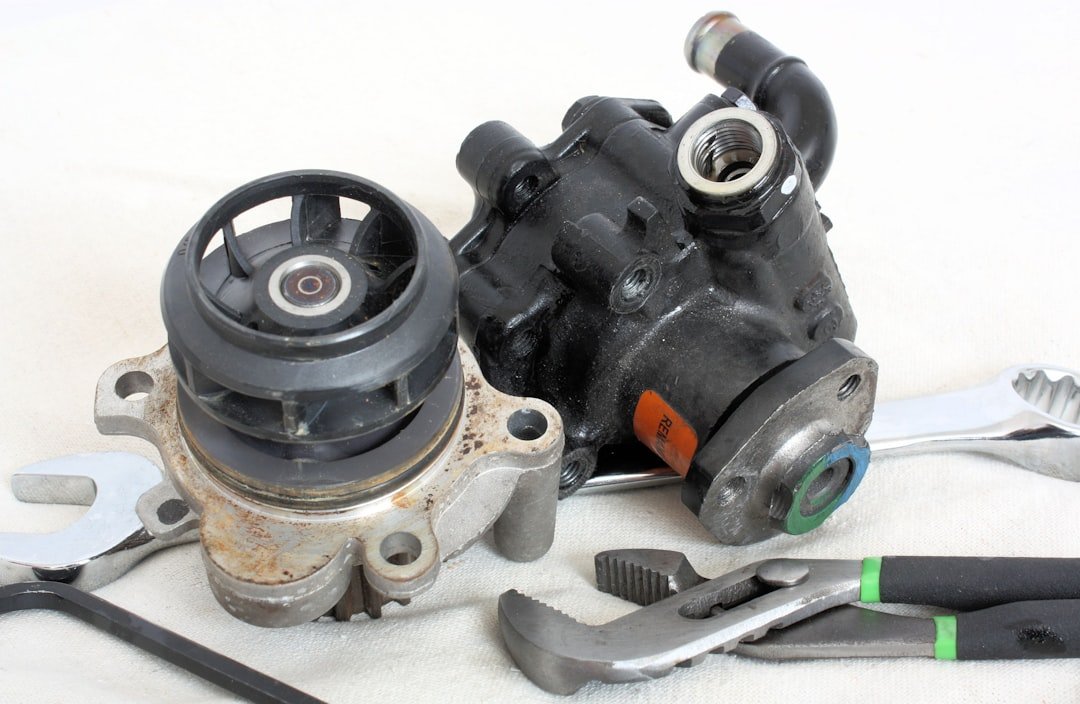
A failed water pump is one of the more urgent repairs you can face, since it directly controls how coolant circulates through the engine. Catch it early and it’s a straightforward, affordable fix. Ignore the warning signs and you’re looking at a much more expensive overheating repair, potentially including a warped cylinder head or a blown head gasket if the engine runs hot for long enough.
This guide covers what a water pump does, the symptoms of a failing one, what to check before buying a used pump, and what fair pricing looks like.
What a Water Pump Does
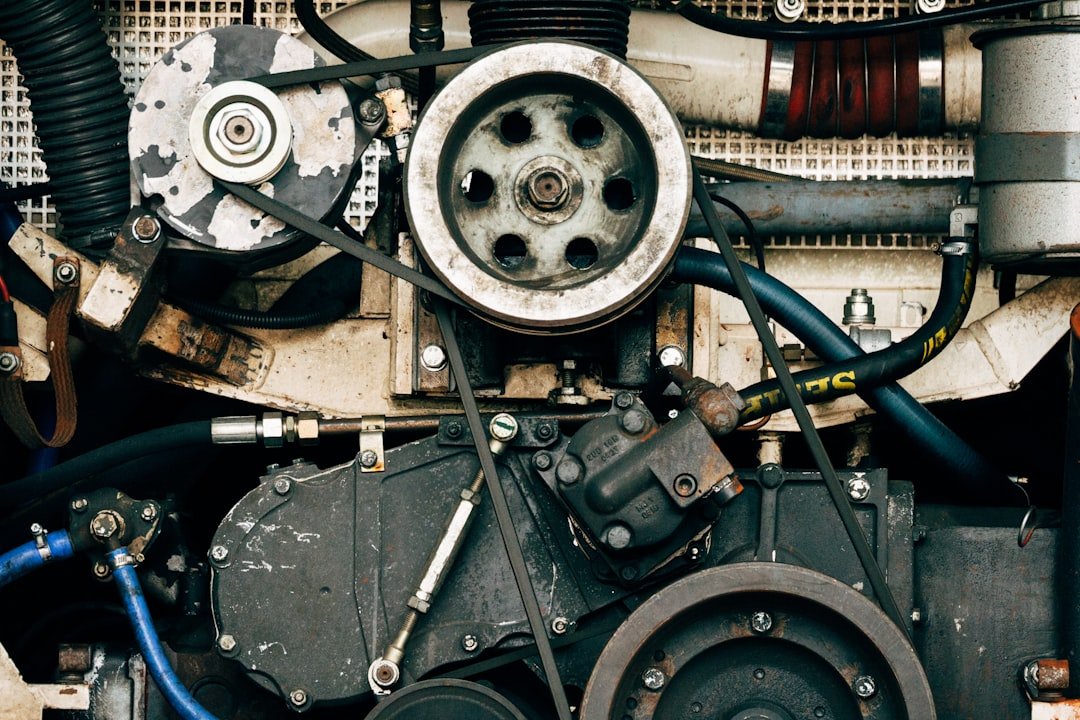
The water pump circulates coolant between the engine block and the radiator, keeping combustion heat from building up to damaging levels. Most water pumps are driven by the serpentine belt, timing belt, or timing chain, depending on the vehicle, and use an internal impeller, a small fan-like wheel, to push coolant through the system.
Common Symptoms of a Failing Water Pump
| Symptom | Likely Cause | Urgency |
|---|---|---|
| Coolant leak from the front-center of the engine | Worn shaft seal allowing coolant to escape | High — address before it leads to overheating |
| Whining or grinding noise from the front of the engine | Worn or failing bearing inside the pump | High — bearing failure can lead to complete pump failure |
| Engine overheating with no other obvious cause | Impeller has corroded or come loose, reducing coolant flow | High — can cause serious engine damage if ignored |
| Steam or a sweet smell from under the hood | Coolant leaking onto hot engine components | High — stop driving and have it inspected |
Timing Belt-Driven Water Pumps: A Special Consideration
On many vehicles, the water pump is driven by the timing belt rather than the serpentine belt, and on some of these, the water pump is located inside the timing belt cover itself. If your vehicle falls into this category, it’s common practice, and often recommended by the manufacturer, to replace the water pump at the same time as the timing belt, since the labor to access both components is largely the same. Ask your seller whether your vehicle uses this configuration, since it changes the cost-benefit calculation on when to replace the pump.
Mechanical vs. Electric Water Pumps
Most vehicles use a mechanical water pump driven directly by a belt or chain off the engine, meaning it always spins at a speed proportional to engine RPM. A growing number of newer vehicles, including many hybrids and some turbocharged gas engines, use an electric water pump instead, controlled independently by the engine computer. Electric pumps allow coolant to keep circulating even when the engine itself isn’t running, which matters for hybrids that shut the engine off at stoplights, and for turbocharged engines that benefit from continued cooling after a hard drive even once parked.
If you’re shopping for a used water pump on a newer or hybrid vehicle, confirm whether you need a mechanical or electric pump before you buy, since the two are not interchangeable and electric units typically cost more due to their integrated electronics.
How Long Should a Water Pump Last?
Most water pumps are designed to last somewhere between 60,000 and 100,000 miles, though this varies significantly by vehicle and driving conditions. Pumps driven by a timing belt often get replaced proactively as part of a timing belt service regardless of their actual condition, simply because the labor overlap makes it cost-effective to do both at once. Pumps driven by a serpentine belt, on the other hand, are usually left in place until they show actual symptoms, since they’re easier to access independently.
Frequent short trips, stop-and-go city driving, and towing all place more thermal stress on the cooling system and can shorten a water pump’s service life compared to steady highway driving. If your vehicle has a documented history of any of these driving patterns, it’s worth factoring that into how much life you expect from a used pump.
What to Check Before Buying a Used Water Pump
- Confirm the exact engine and drive configuration (serpentine belt, timing belt, or timing chain driven), since water pumps are not interchangeable across different setups.
- Inspect the impeller for corrosion, pitting, or looseness on its shaft, since a worn impeller won’t circulate coolant properly even if the pump doesn’t leak.
- Check the weep hole (a small drain hole near the shaft seal) for any sign of past leaking or corrosion.
- Ask whether the pump was tested for bearing play and shaft seal integrity, not just visually inspected.
Typical Costs: Used vs. New
| Part | Typical Used Price | Typical New/Dealer Price |
|---|---|---|
| Water pump (serpentine-driven) | $25–60 | $80–180 |
| Water pump (timing belt-driven) | $40–90 | $120–250 |
| Water pump (electric, some hybrids/EVs) | $80–180 | $250–500 |
Warranty Coverage
Reputable sellers typically offer 30 to 90 days on used water pumps. Given how central this part is to preventing engine damage, ask specifically whether the pump was tested for bearing play and shaft seal condition, not just visually inspected before it was cataloged.
Where Englewood Used Auto Parts Fits In
We stock used water pumps inspected for impeller condition and bearing play before they’re cataloged by make, model, and engine, and backed by a warranty. Since pumps come off donor vehicles with a wide range of mileage and history, we can often help you weigh a lower-mileage option against a lower price depending on how long you need the part to last. Browse our used auto parts inventory or call ahead with your VIN to confirm current availability.
If your car is already showing signs of overheating, our used radiator buying guide covers the rest of the cooling system, and our VIN and vehicle compatibility guide covers how to confirm the exact water pump configuration for your vehicle before you order. If your water pump happens to be timing belt-driven, our timing belt vs. timing chain guide covers what that means for replacement timing.
Frequently Asked Questions
What are the signs of a failing water pump?
A coolant leak from the front-center of the engine, a whining or grinding noise from the front of the engine, or unexplained overheating are the most common signs. Any of these should be addressed before they lead to more serious engine damage.
Should I replace the water pump when I replace the timing belt?
On vehicles where the water pump is driven by the timing belt, many manufacturers recommend replacing both at the same time, since the labor to access them is largely shared. Ask your seller whether your vehicle uses this configuration.
How do I know if a used water pump will fit my vehicle?
Confirm the exact engine and drive configuration, since water pumps differ by whether they’re driven by a serpentine belt, timing belt, or timing chain. Cross-reference your VIN against the seller’s inventory.
Do used water pumps come with a warranty?
Reputable sellers typically offer 30 to 90 days. Ask whether the pump was tested for bearing play and shaft seal condition, not just visually inspected.
Can a bad water pump cause overheating even without a visible leak?
Yes. A corroded or loose impeller can reduce coolant circulation without necessarily leaking, which is why unexplained overheating is worth investigating even if you don’t see coolant on the ground.
Not sure which water pump fits your vehicle? Contact our parts counter with your year, make, model, and engine, and we’ll confirm availability and condition before you buy.

Leave a Reply