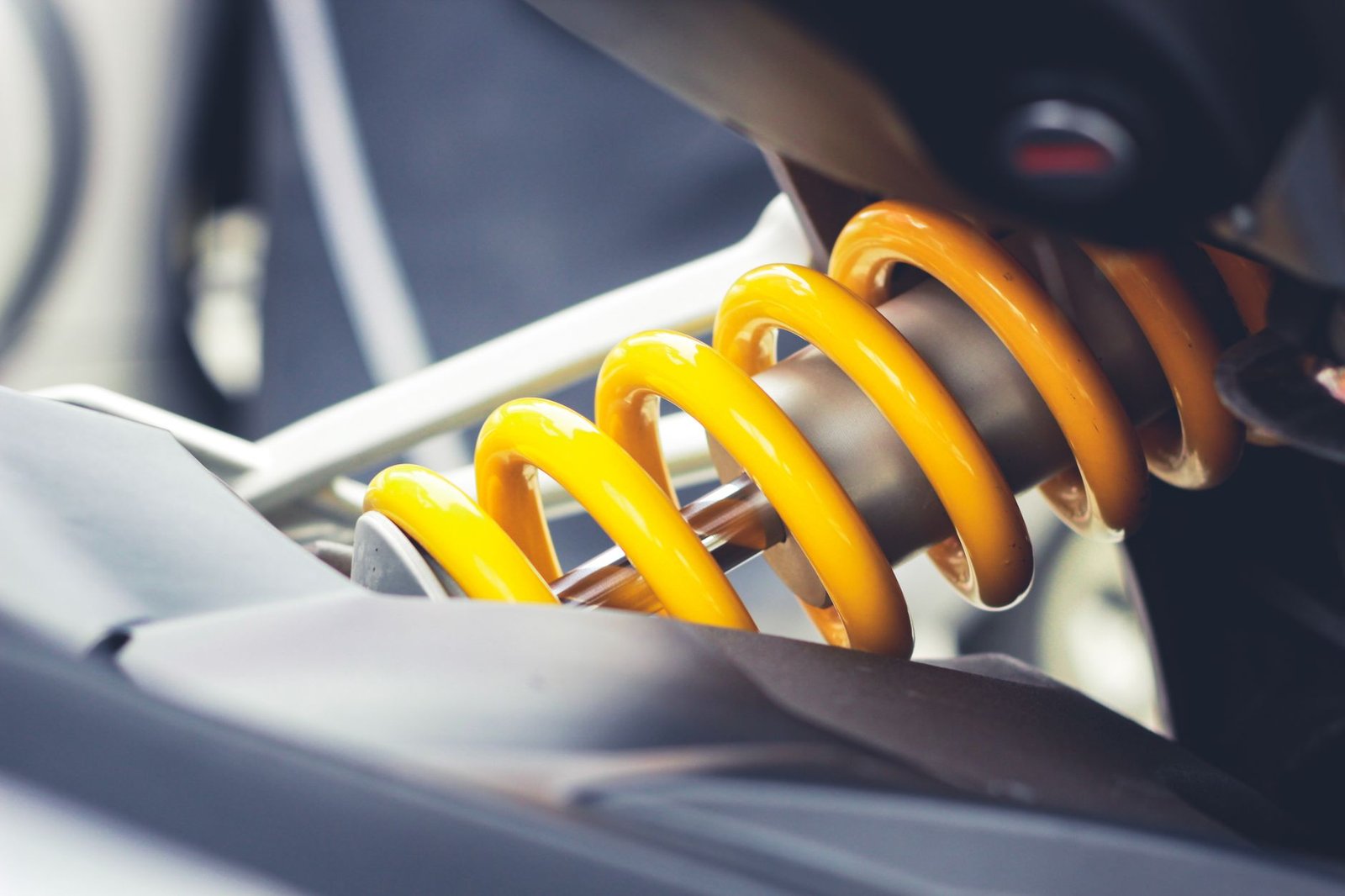
Shocks and struts don’t fail suddenly the way a belt or hose might; they wear down gradually, which means a lot of drivers get used to a bouncier, less controlled ride without ever realizing their suspension has quietly degraded. Here’s how to tell when it’s actually time to replace them, and what’s worth knowing before buying used.
This guide covers the difference between a shock and a strut, the symptoms of failure, how to test them yourself, and what to expect from a used replacement.
Shock vs. Strut: What’s the Difference?
| Component | What It Does | Structural Role |
|---|---|---|
| Shock absorber | Dampens spring oscillation, controls ride motion | Not load-bearing; works alongside a separate spring |
| Strut | Combines a shock absorber with a structural spring mount | Load-bearing; part of the suspension’s structure |
Struts are more common on the front suspension of modern front-wheel-drive vehicles, while shocks paired with separate springs are more common on rear suspensions and older or truck-based platforms. Which one your vehicle has affects both replacement cost and complexity, since a strut replacement often requires resetting the spring’s compression, while a shock swap is usually a simpler bolt-in job.
Signs Your Shocks or Struts Are Worn
- Excessive bouncing after hitting a bump, taking more than one or two oscillations to settle.
- Nose diving forward under braking, or squatting backward under acceleration, more than feels normal.
- Uneven or cupped tire wear, since worn dampers let the tire bounce against the road rather than staying planted.
- Visible fluid leaking down the shock or strut body, a clear sign the internal seal has failed.
- A generally looser, less controlled feeling through corners, sometimes described as the car feeling like it’s “floating.”

The Bounce Test
A simple, no-tools way to get a rough read on shock condition: push down firmly on each corner of the car and release. A healthy shock will let the car settle back to its resting height within one bounce, maybe one and a half. If the corner continues bouncing two or three times before settling, that shock or strut has lost most of its damping ability and is a strong candidate for replacement.

This test isn’t a substitute for a proper inspection, but it’s a fast way to flag a corner that deserves closer attention.
Strut Mounts and Bearings: An Often-Overlooked Part
The strut mount, where the top of the strut assembly attaches to the vehicle’s body, contains a bearing that allows the strut to rotate slightly as the wheel turns. A worn strut mount bearing typically shows up as a clunking or creaking noise specifically when turning the steering wheel, distinct from the general bounce-related symptoms of a worn shock or strut itself.
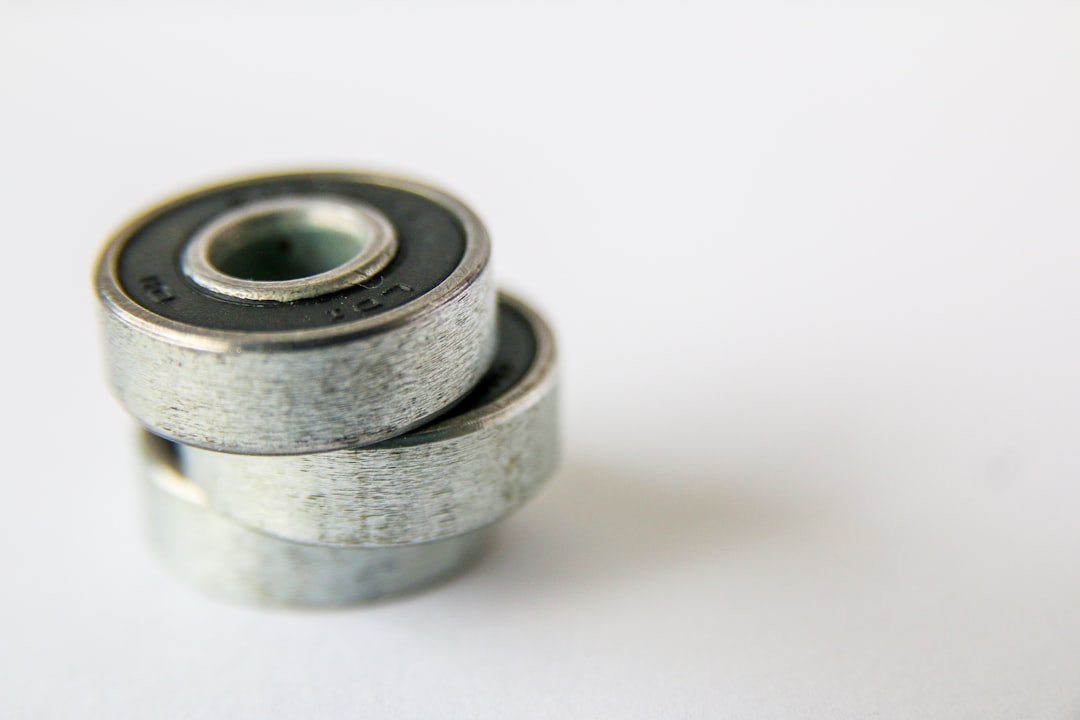
It’s worth replacing the strut mount at the same time as the strut itself in most cases, since labor to access the area is largely the same either way, and a worn mount will undermine even a brand-new strut’s performance.
Buying Used Shocks and Struts
Because shocks and struts are wear items rather than parts that typically fail catastrophically, a used unit’s remaining service life depends heavily on how many miles it had before removal and how it was stored afterward. Visually inspect for fluid leaks, dented or bent housings, and check that the piston rod extends and compresses smoothly without binding or excessive play.
Gas-charged shocks and struts, which use pressurized nitrogen to reduce foaming and improve response, are generally preferred over older oil-only designs when available, and most modern replacement units use this design regardless of whether the original equipment did.
How Driving Habits Affect Shock and Strut Life
Where and how a vehicle is driven has a bigger impact on shock and strut lifespan than most owners realize. Frequent driving on rough or poorly maintained roads, heavy braking habits, and carrying consistently heavy loads all accelerate wear on the damping components well beyond what mileage alone would predict. Two vehicles with identical mileage can have very different shock and strut condition depending entirely on how they were driven.
This is worth keeping in mind when evaluating a used vehicle or a used shock and strut set: mileage is a starting point for the conversation, not the whole answer. A test drive on rough pavement, paying attention to how the car settles after bumps, tells you more than the odometer reading alone.
Replacing Shocks and Struts in Pairs
It’s generally recommended to replace shocks and struts in pairs, left and right on the same axle, even if only one side shows obvious symptoms. Because damping components wear gradually, the “good” side is usually not far behind the failing one, and replacing only one side can create a handling imbalance between the two sides of the vehicle, since one corner will respond differently to bumps and cornering forces than the other.
This doesn’t mean all four corners need to be replaced simultaneously; front and rear axles can be handled separately if only one end of the vehicle shows wear, but each axle should be treated as a matched pair.
Cost Considerations: New vs. Used
New shocks and struts vary widely in price depending on vehicle make and model, with performance or air-suspension-equipped vehicles costing meaningfully more than a standard economy sedan. Used shocks and struts, when properly inspected for leaks and smooth piston travel, offer significant savings while still providing most of the remaining service life of the original part, particularly on higher-end vehicles where new replacement parts carry a steep price premium.
Where Englewood Used Auto Parts Fits In
Every shock and strut we sell is inspected for leaks, housing damage, and smooth piston travel before it’s cataloged. Browse our used auto parts inventory or call ahead with your VIN to confirm current availability.

Our suspension parts guide covers the broader suspension system, including control arms and bushings, if you’re inspecting more than just shocks and struts.
Frequently Asked Questions
How do I know if I need shocks or struts specifically?
Check your vehicle’s suspension design. Front-wheel-drive vehicles typically use struts up front, while shocks paired with separate springs are more common on rear suspensions and truck-based platforms. Your owner’s manual or a parts lookup by VIN will confirm which your vehicle uses.
How long do shocks and struts typically last?
Most manufacturers estimate 50,000 to 100,000 miles depending on driving conditions and road quality, though gradual wear means many drivers don’t notice the decline until it’s fairly advanced.
What does the bounce test tell me?
Pushing down firmly on a corner and releasing it should result in the car settling within one or one and a half bounces. More than that suggests the shock or strut has lost significant damping ability.
Should I replace the strut mount when replacing the strut?
In most cases yes, since labor to access the area is largely the same either way, and a worn mount will undermine the performance of even a brand-new strut.
Is it safe to buy used shocks and struts?
Yes, provided you check for fluid leaks, dented housings, and smooth piston travel without binding. A used unit free of these issues performs comparably to new for a fraction of the cost.
Have a question about a specific shock or strut for your vehicle? Contact our parts counter and we’ll help you track it down.


Leave a Reply