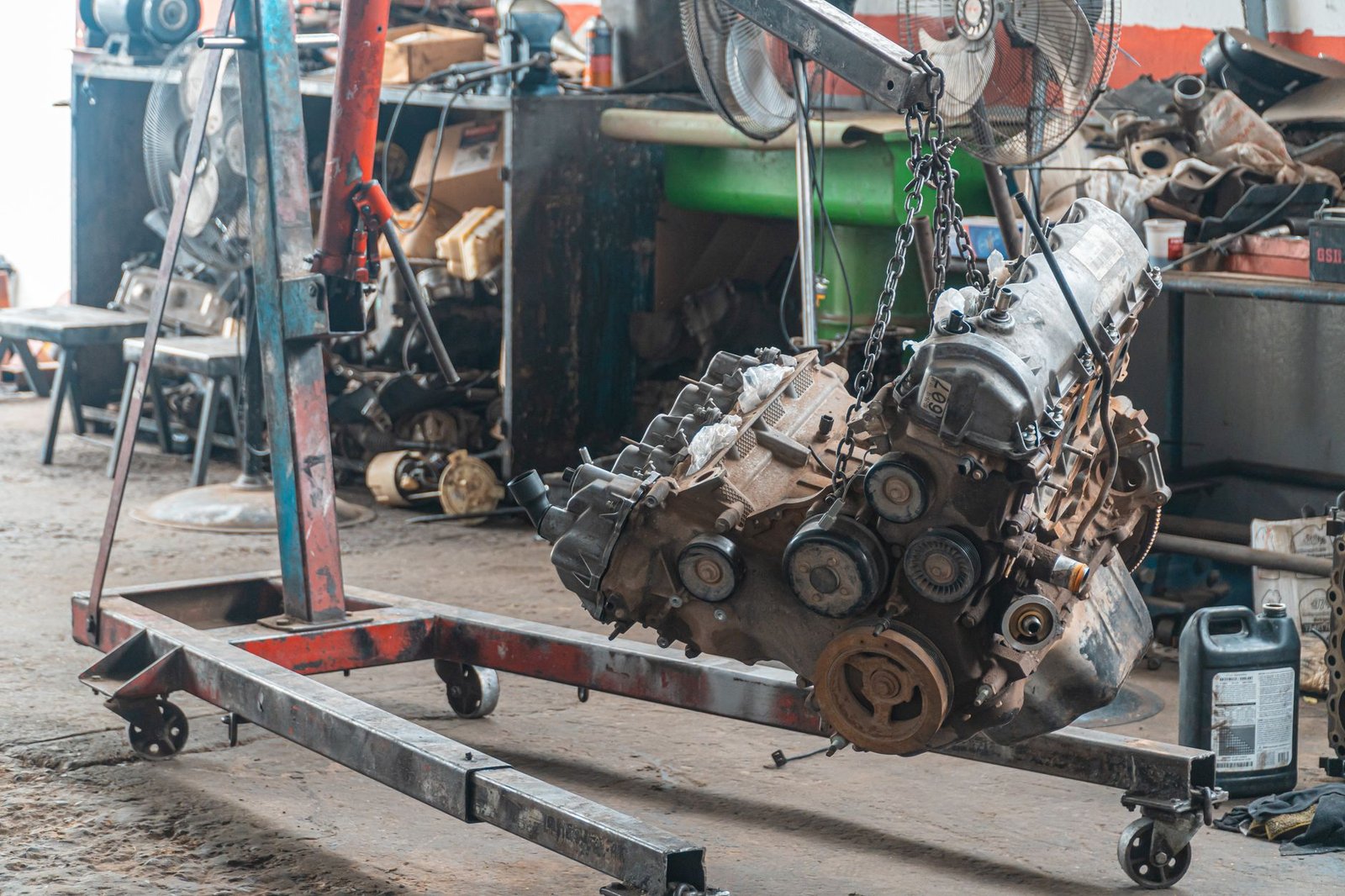
A used engine is the single biggest purchase most people make at a salvage yard, and it’s also the one where a mistake is hardest to walk back. Unlike a headlight or a control arm, you can’t always tell whether an engine is sound just by looking at it — you need to know what to check, what the answers actually mean, and what a fair price looks like once you’ve confirmed the engine is good.
This guide covers mileage expectations, the physical inspection points that matter most, what a compression test can and can’t tell you, and how to confirm fitment before you buy.
Mileage: What Counts as Low, Moderate, and High
| Mileage Range | What to Expect | What to Ask |
|---|---|---|
| Under 60,000 miles | Considered low mileage for a used engine; minimal wear expected | Ask for the donor vehicle’s service history if available |
| 60,000–100,000 miles | Moderate wear; still a solid buy if inspection and testing check out | Confirm compression test results before buying |
| 100,000+ miles | Usable, but expect more wear on rings, valves, and seals | Ask about oil consumption and any known issues from the donor vehicle |
Physical Inspection: What to Look For
- Check the engine block and oil pan for cracks, leaks, or repair welds — any of these can point to a more serious underlying issue.
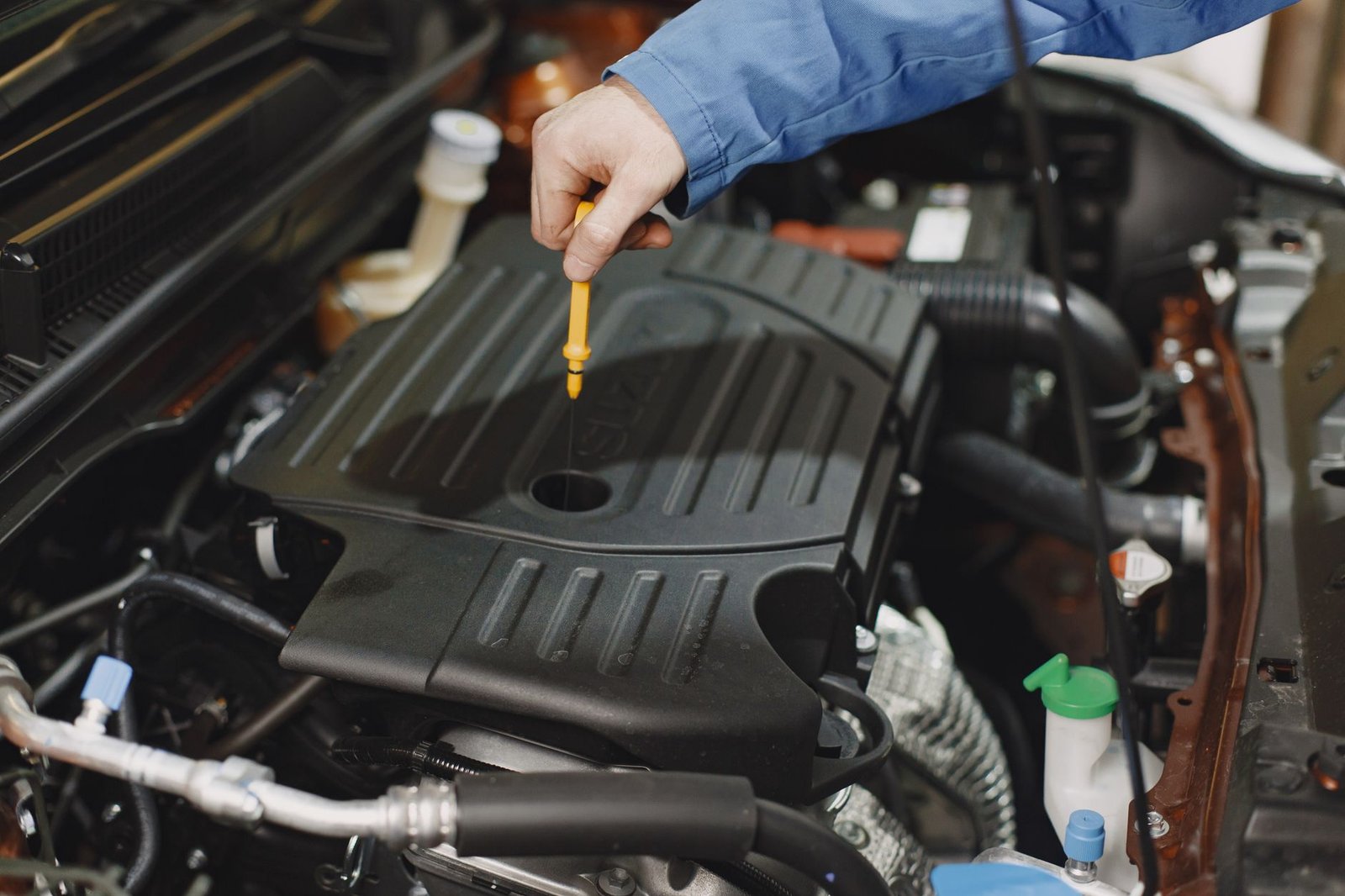
- Pull the oil dipstick or dip a rag in the oil fill: white or cream-colored streaks in the oil usually mean coolant is getting into the engine, a sign of a failed head gasket.
- Look at the spark plugs if they’re accessible — heavy carbon buildup, oil fouling, or a plug that’s missing entirely is worth asking about.
- Check for a rebuilt or remanufactured tag, and ask what specifically was done if the engine has one.
- Confirm the engine code stamped on the block matches what the seller listed, rather than relying on a verbal description of what “should” fit.
What a Compression Test Tells You (and What It Doesn’t)
A compression test measures how well each cylinder seals during the compression stroke, which reflects the condition of the piston rings, valves, and head gasket. A healthy engine typically shows consistent readings across all cylinders, generally within about 10–15% of each other. A cylinder reading significantly lower than the rest usually points to worn rings, a valve problem, or a head gasket issue.
What a compression test won’t tell you is the condition of the camshaft, bearings, or timing components, so it’s one data point rather than a complete health check. A seller willing to provide compression numbers, or let you run the test yourself before purchase, is a good sign of confidence in what they’re selling.
ASE (the National Institute for Automotive Service Excellence) certifies technicians specifically in engine repair, and its A1 Engine Repair test covers exactly these areas — the block, cylinder head, valve train, and cooling and lubrication systems. It’s a useful reference point for what a truly thorough engine inspection should cover, beyond just a quick visual check.
Confirming Fitment: Engine Codes Matter More Than Model Year
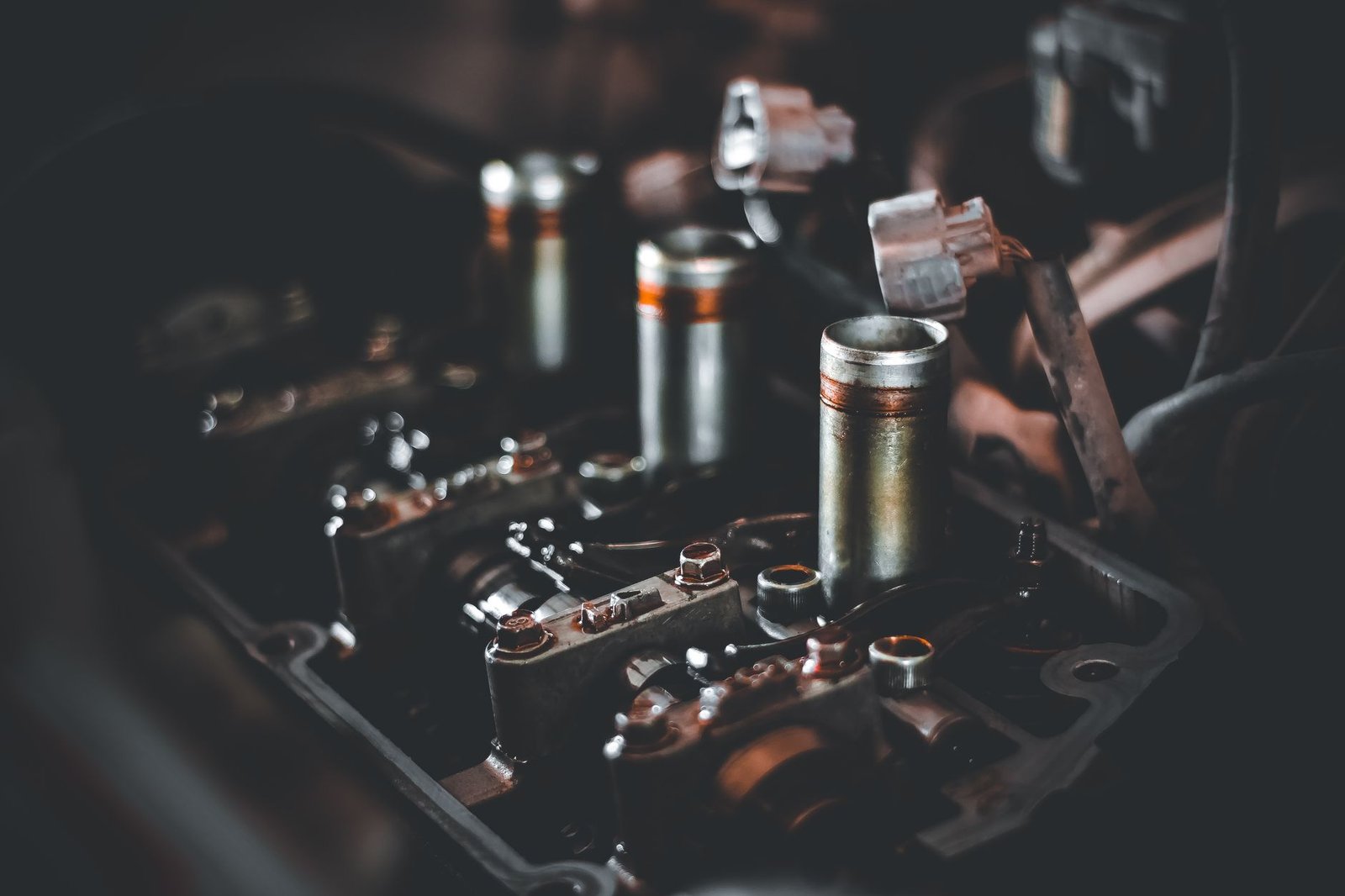
Two engines from the same model year and even the same trim level can differ in ways that matter for fitment, particularly around emissions equipment, engine management, and mounting. The engine code, usually stamped on the block itself, is the reliable way to confirm a match — not the model year alone. Cross-reference your VIN against the seller’s inventory rather than assuming compatibility from a general description.
It’s also worth asking whether the wiring harness and engine computer (ECU) are included or need to be sourced separately. Some swaps are a straightforward bolt-in with the original harness and computer; others require significant work to get a used engine’s electronics talking to the rest of the vehicle. Getting a clear answer on this upfront avoids a surprise labor bill after the engine is already installed.
Engine Swaps: Same Engine Family vs. Exact Match
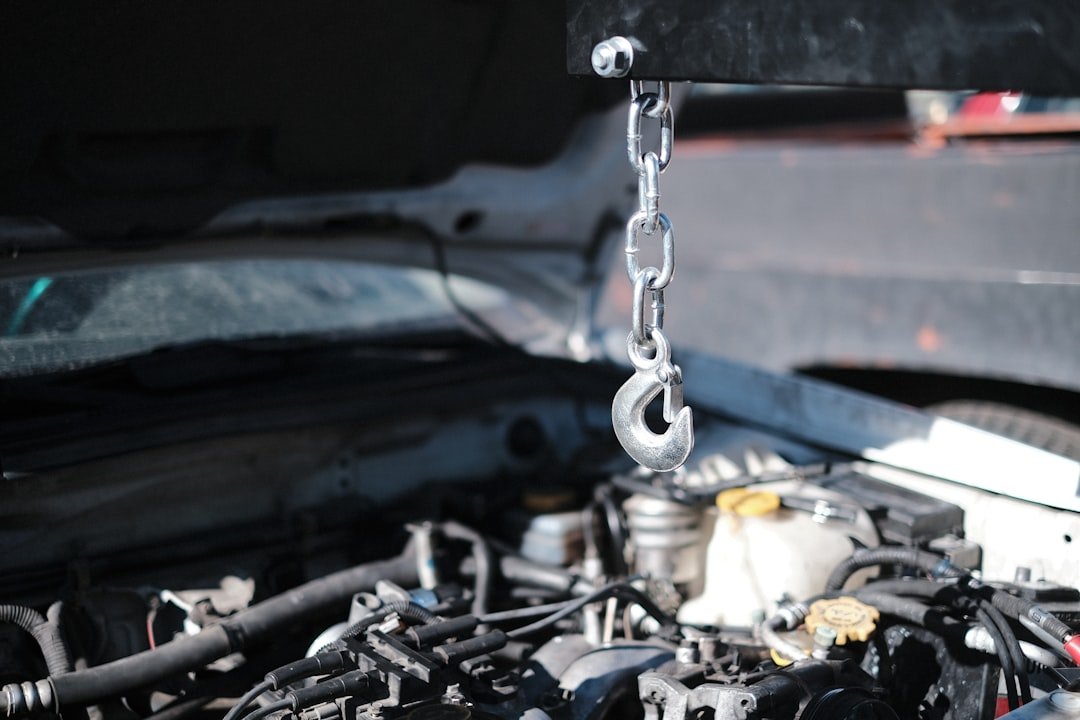
Buyers sometimes ask about swapping in an engine from a related but not identical model — for example, a version of the same engine family used across several vehicles from the same manufacturer. This can work, but it often requires adapting mounts, wiring, or the exhaust, and isn’t something to assume will bolt in without research specific to that swap. For a straightforward replacement with the least risk, matching the exact engine code from a compatible year range of your own model is almost always the simpler and more reliable path.
Typical Costs: Used vs. New or Remanufactured
| Option | Typical Price Range | Notes |
|---|---|---|
| Used engine (tested, low-moderate mileage) | $800–2,500 | Price varies widely by engine size and vehicle demand |
| Remanufactured engine | $2,500–5,000+ | Rebuilt to factory specs with new wear components |
| New engine (from dealer) | $4,000–10,000+ | Rarely cost-effective compared to used or remanufactured for an older vehicle |
Warranty Coverage
Given the cost involved, warranty coverage matters more on an engine than almost any other used part. Look for at least a 30 to 90 day warranty covering major internal failure, and ask specifically what’s covered — some sellers cover the short block but not accessories like the water pump or alternator if they fail separately.

Where Englewood Used Auto Parts Fits In
Every engine we sell is inspected and tested before it’s cataloged by make, model, and engine code, and backed by a warranty. Browse our used auto parts inventory or call ahead with your VIN to confirm current availability.
Not sure how to confirm your VIN before ordering? Our VIN and vehicle compatibility guide covers exactly what to check. And if you’re also weighing the radiator or transmission on a used vehicle, our radiator guide and transmission guide cover those systems in depth. If you’re shopping for a Hemi engine specifically, our Dodge & RAM parts guide covers the lifter and MDS issues worth checking for, and our Hyundai & Kia parts guide covers the Theta II engine recall. And if the engine in question is turbocharged, our turbocharger buying guide covers the symptoms and testing worth checking before you assume the whole engine needs replacing. Since many engine families are shared across several models, our interchange parts guide covers how to confirm a used engine from a different model will actually fit. If you’re shopping for a Subaru specifically, our Subaru parts guide covers the boxer engine’s head gasket history and what to check before buying. If you’re chasing a rough idle or misfire rather than a broader engine concern, our ignition coils and spark plugs guide covers that separate diagnosis.
Frequently Asked Questions
How many miles is too many for a used engine?
There’s no hard cutoff. An engine with 100,000+ miles can still be a good buy if it passes a compression test and shows no signs of leaks, coolant contamination, or major wear. Mileage is one data point, not the whole picture.
What does white or milky oil mean?
It usually means coolant is leaking into the engine oil, most often from a failed head gasket. This is a serious issue and generally means the engine should be avoided or specifically disclosed and priced accordingly.
Is a compression test enough to confirm an engine is good?
It’s one of the most useful single tests, but it doesn’t check camshaft condition, bearings, or timing components. A consistent compression test plus a clean visual inspection together give a reasonably confident picture.
How do I know if a used engine will fit my vehicle?
Match the engine code stamped on the block, not just the model year, and cross-reference your VIN against the seller’s inventory before buying.
Do used engines come with a warranty?
Reputable sellers typically offer 30 to 90 days on major internal failure. Ask specifically what’s covered, since some warranties exclude accessories like the alternator or water pump.
Does a used engine come with the wiring harness and computer?
It varies by seller. Ask specifically, since some used engines are sold as a complete package with the harness and ECU while others are just the long block. Getting a clear answer upfront avoids surprise costs during installation.
Shopping for a Honda engine specifically? Our used Honda parts guide covers known issues like the 1.5L turbo oil dilution problem and ignition coil failures.
Dealing with an exhaust or emissions issue instead? Our catalytic converter replacement guide covers theft prevention, legal replacement options, and what fair pricing looks like.
Shopping for a Ford engine specifically? Our used Ford parts guide covers known issues like fuel delivery problems on direct-injection engines.
Shopping for a Chevy or GM engine specifically? Our used Chevrolet & GM parts guide covers known issues like 5.3L Vortec oil consumption.
Not sure which engine fits your vehicle? Contact our parts counter with your year, make, model, and engine code, and we’ll confirm availability and condition before you buy.

Leave a Reply