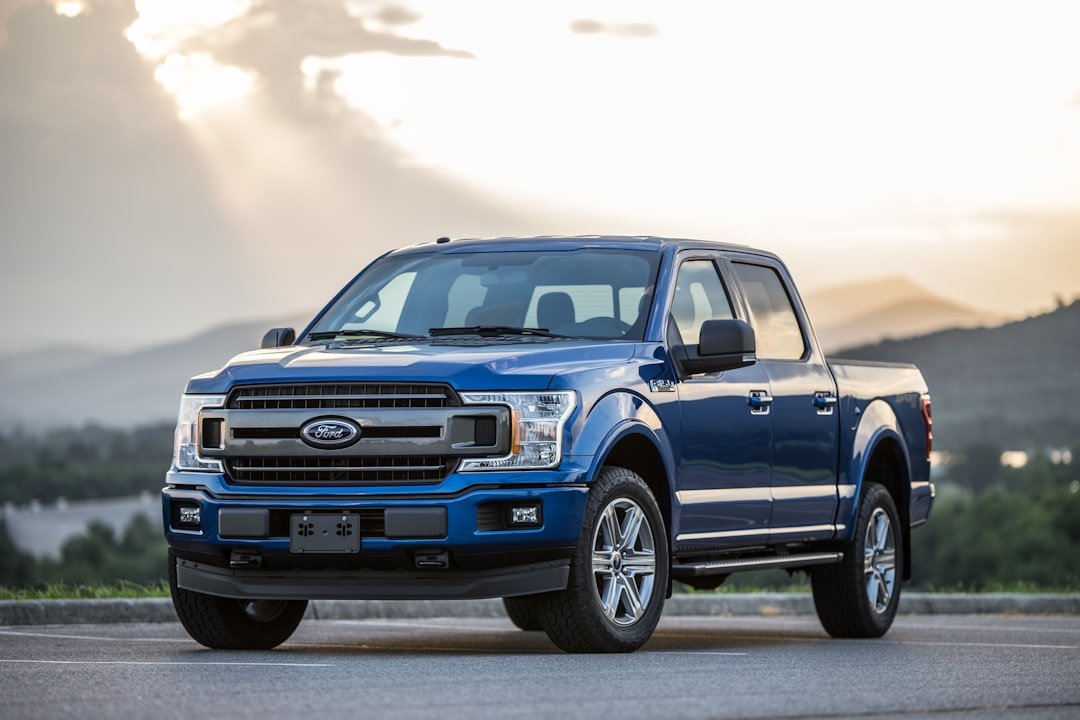
The Ford F-150 has been the best-selling vehicle in America for decades, and Ford’s broader lineup, from the Focus and Fiesta to the Escape and Explorer, makes up a huge share of what’s on the road. That popularity means used Ford parts are consistently in demand, and it also means there’s real, documented data on which components tend to fail and when.
This guide covers the Ford models we see most often, the parts and systems with known issues, and what to check before you buy a used part for one.
Common Ford Models We Stock Parts For
| Model | Type | Notes |
|---|---|---|
| F-150 | Full-size pickup | Best-selling vehicle in the U.S.; parts availability is excellent |
| Focus / Fiesta | Compact car | 2011–2016 models have documented PowerShift transmission issues |
| Escape | Compact SUV | One of the most common crossover SUVs on the road |
| Explorer | Midsize SUV | Long production history across several generations |
| Fusion | Midsize sedan | Broad part availability given high production volume |
| Edge | Midsize crossover | Growing used parts demand as more reach the used market |
Known Trouble Spots by System
| System | What to Watch For | Affected Models |
|---|---|---|
| PowerShift automatic transmission | Rough shifting, delayed acceleration, jerking | Focus and Fiesta, 2011–2016 |
| Ignition coils | Misfires, rough idle, reduced fuel economy, check engine light | Various 4-cylinder and V6 engines |
| Fuel pump / fuel delivery | Hard starting, hesitation, stalling, sudden power loss | Common across direct-injection engines |
| Suspension and brakes | Accelerated wear, especially on trucks and vans in fleet or heavy-duty use | F-150, Transit, and other work-duty models |
The PowerShift Transmission: What Buyers Should Know
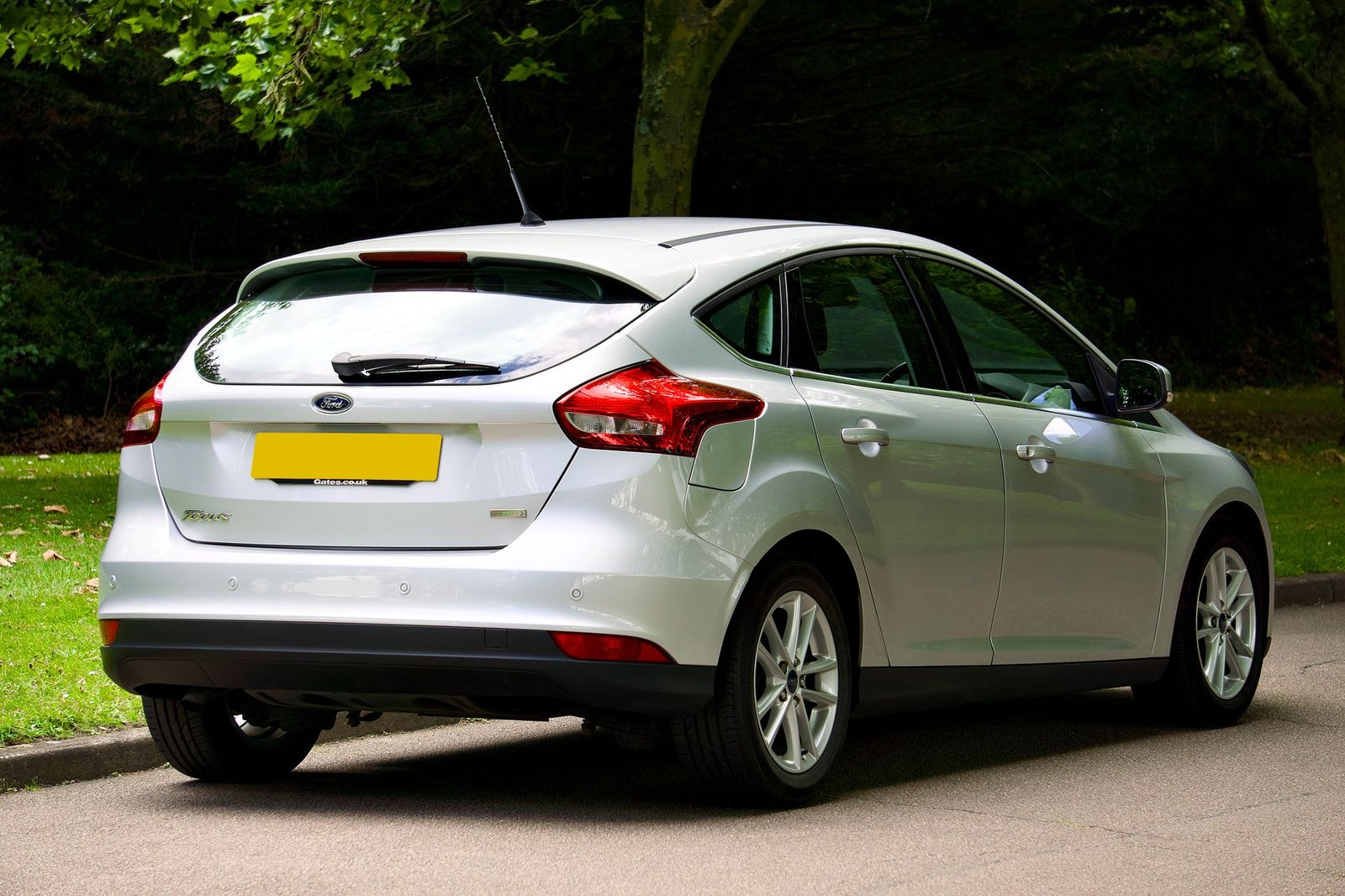
The dual-clutch PowerShift automatic used in the 2011–2016 Focus and Fiesta is one of the more widely documented issues in recent Ford history, generating enough owner complaints that it became the subject of significant scrutiny and even legal action. Symptoms include rough or delayed shifting, shuddering at low speeds, and premature clutch wear. You can search owner complaints for a specific model year directly through NHTSA’s complaint and recall database before buying a transmission part for one of these model years, and ask the seller specifically whether the donor vehicle showed any of these symptoms before the part was pulled.
Fuel Delivery Issues on Direct-Injection Engines
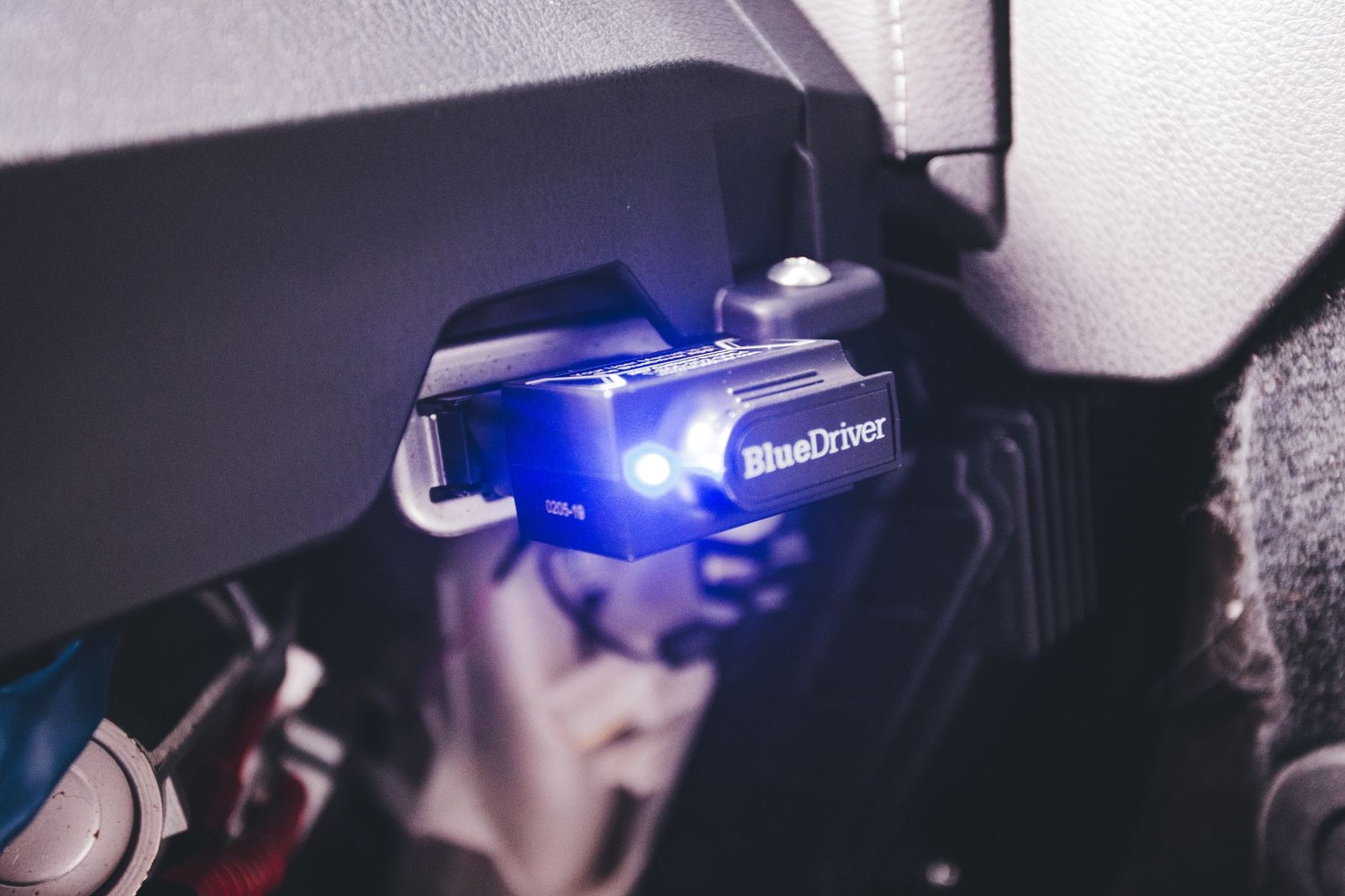
Several of Ford’s direct-injection engines have a documented pattern of fuel delivery complaints, most often tied to a failing in-tank fuel pump module or a high-pressure pump. Symptoms include hard starting, hesitation under load, stalling at idle, and sudden loss of power while driving. These symptoms can also point to a clogged fuel filter or a failing fuel pressure sensor, so a proper diagnosis matters before assuming the pump itself is the culprit and paying to replace it.
Fleet and Work-Duty Wear on Trucks and Vans
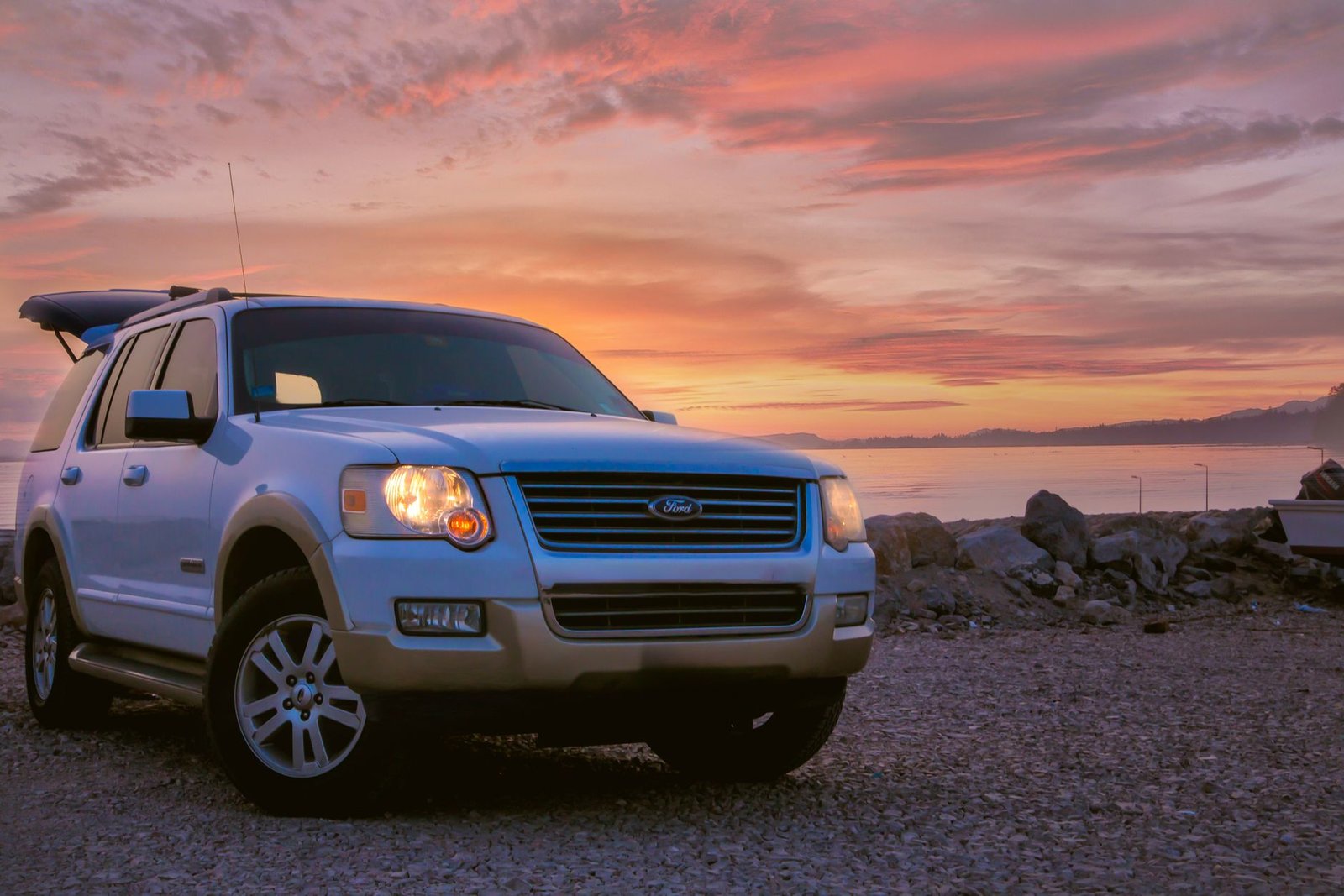
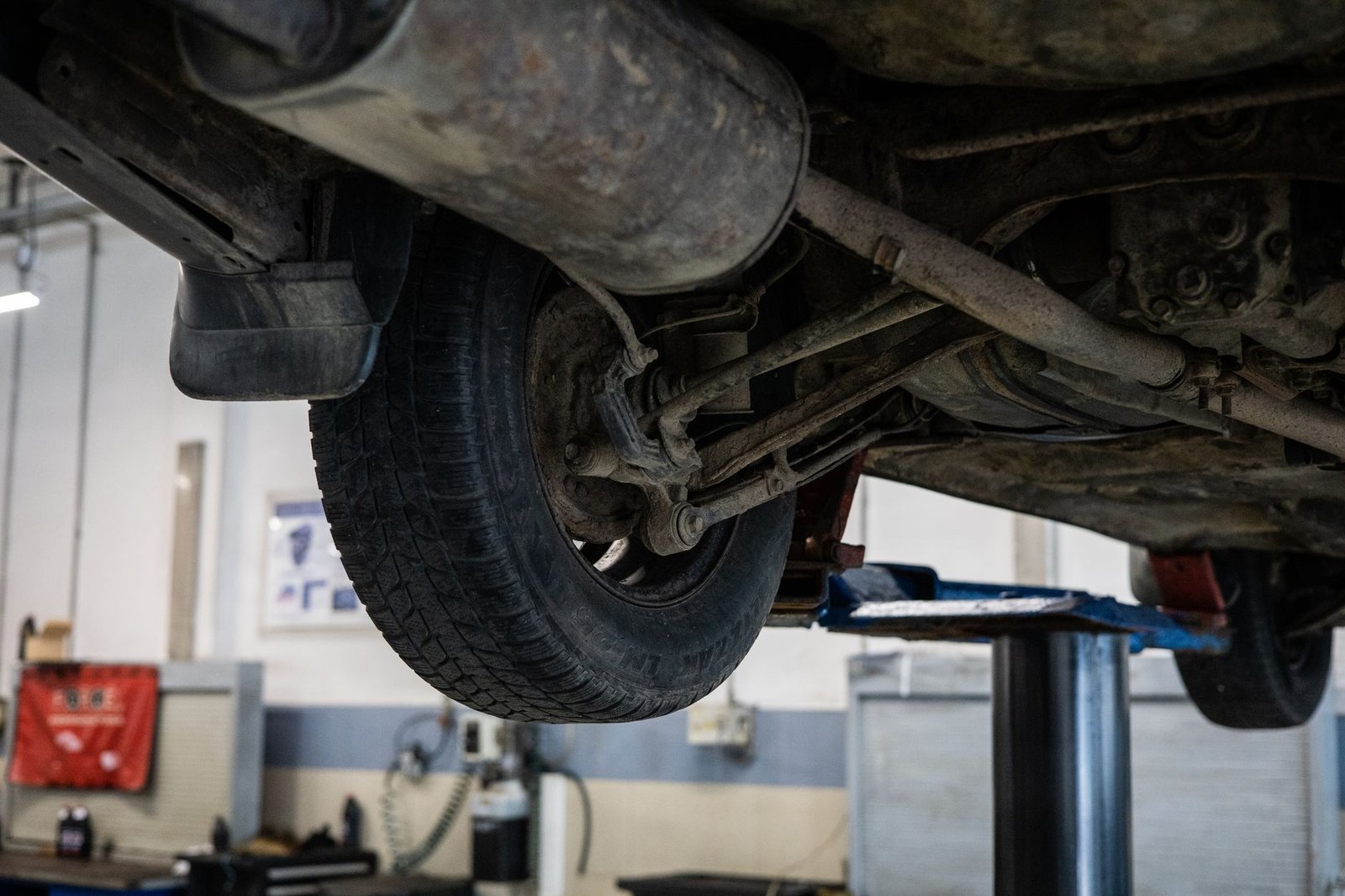
F-150s and Transit vans that spent their life in fleet or commercial use often show more wear on suspension, brakes, and drivetrain components than their mileage alone would suggest, since these vehicles are frequently loaded heavier and driven harder than a typical personal vehicle. This isn’t necessarily a reason to avoid a part from this kind of donor vehicle, but it’s worth asking about the vehicle’s history and having the specific part tested rather than assuming good condition based on mileage.
What to Ask Before Buying a Used Ford Part
- Confirm the exact trim, engine, and transmission code, since Ford used multiple powertrain combinations within the same model and year.
- For a Focus or Fiesta transmission part, ask about shifting behavior in the donor vehicle specifically, given how common PowerShift issues are.
- For fuel system components, ask whether the donor vehicle had any hard-starting or stalling complaints.
- Ask whether the part was tested, not just pulled and cataloged based on mileage alone.
- For work trucks and vans, ask about the donor vehicle’s use case — a former fleet vehicle may have significantly more wear on suspension and brake components than mileage alone would suggest.
Typical Costs: Used vs. New
| Part | Typical Used Price | Typical New/Dealer Price |
|---|---|---|
| Ignition coil | $15–35 | $40–90 |
| Automatic transmission | $600–1,500 | $3,000–5,500 |
| Fuel pump assembly | $60–150 | $200–450 |
| Alternator | $40–100 | $150–350 |
Warranty Coverage
Given how documented some Ford-specific issues are, warranty coverage matters even more here than usual. Look for at least a 30 to 90 day warranty, longer for higher-cost components like a transmission, and ask what specifically triggers coverage versus what’s excluded.
OEM vs. Aftermarket for Ford-Specific Systems
For body panels, trim, and lighting, a quality aftermarket part is often a reasonable choice on a Ford. For anything tied to the transmission control module, fuel delivery system, or engine management, a genuine used OEM part is the safer route, since it’s guaranteed to match exactly what the vehicle’s computer expects. This matters especially for the PowerShift transmission, where control module calibration is closely tied to a specific vehicle’s build, and for fuel system sensors, where a mismatched aftermarket part can trigger the same driveability symptoms as an actual failure.
Where Englewood Used Auto Parts Fits In
We stock a wide range of used Ford parts, inspected and tested before they’re cataloged by model, year, and trim, and backed by a warranty. Browse our used auto parts inventory or call ahead with your VIN to confirm current availability.
Not sure how to confirm your VIN before ordering? Our VIN and vehicle compatibility guide covers exactly what to check. If you’re dealing with a transmission or engine issue specifically, our transmission guide and engine guide cover those in more depth.
Frequently Asked Questions
Is the Ford PowerShift transmission still a problem on used Focus and Fiesta models?
It’s specific to 2011–2016 models with the dual-clutch PowerShift automatic. Not every vehicle from these years develops issues, but it’s common enough that it’s worth asking the seller directly about the donor vehicle’s shifting behavior before buying a transmission part.
Are Ford F-150s generally reliable?
Yes, the F-150’s popularity and long production history mean parts are widely available and well understood. Fleet and heavy-duty use can accelerate wear on suspension and brake components, so it’s worth asking about the donor vehicle’s use case.
What causes ignition coil failure on Ford engines?
Heat cycling and age are the most common factors, leading to misfires, rough idle, and reduced fuel economy. It’s a relatively inexpensive part to replace and a common failure point across several Ford engine families.
How do I know if a used Ford part will fit my vehicle?
Match the specific engine and transmission code, not just the model year, since Ford often used multiple powertrain combinations within the same generation. Cross-reference your VIN against the seller’s inventory.
Do used Ford parts come with a warranty?
Reputable sellers typically offer 30 to 90 days, with longer coverage sometimes available for higher-cost components like transmissions. Always confirm what’s covered before you buy.
Why does my Ford stall or hesitate under load?
This is often tied to a failing fuel pump module or a clogged fuel filter on direct-injection engines. It can also be caused by a failing fuel pressure sensor, so a proper diagnosis is worth doing before replacing the pump itself.
Not sure which part fits your Ford? Contact our parts counter with your year, make, model, and trim, and we’ll confirm availability and condition before you buy.

Leave a Reply