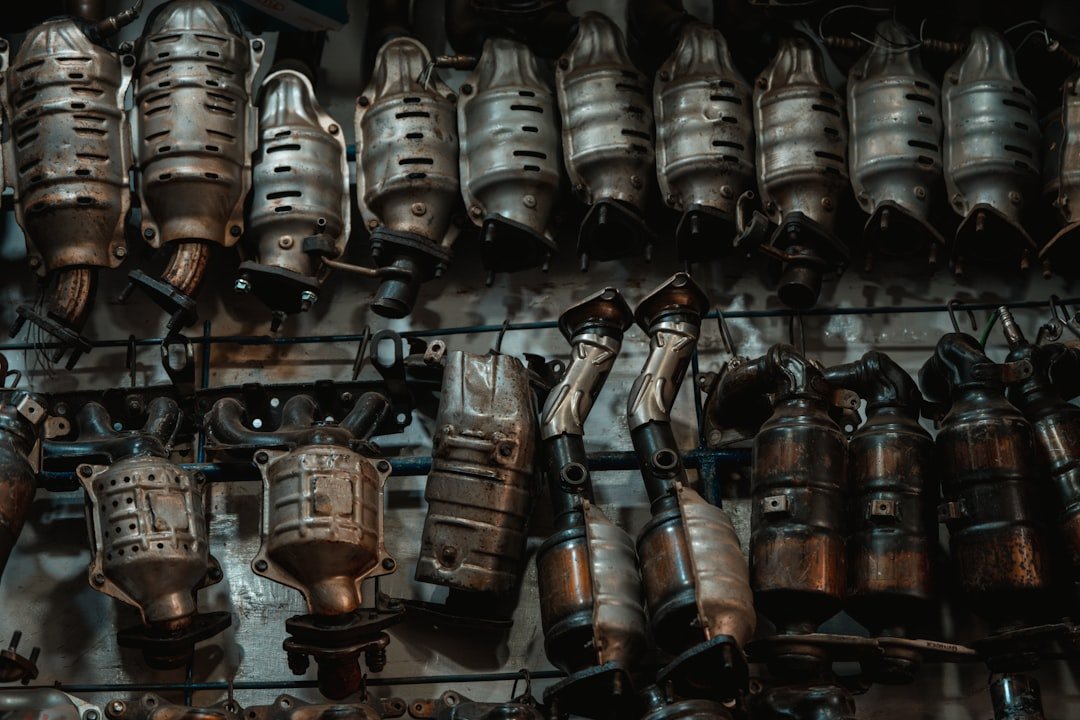
Catalytic converters have become one of the most targeted parts on a vehicle, precisely because they contain small amounts of platinum, palladium, and rhodium — precious metals valuable enough that theft has surged over the past several years. If you’re dealing with a stolen converter, shopping for a replacement, or just trying to protect your vehicle, it helps to understand what makes this part valuable, what your legal replacement options actually are, and how to avoid becoming a target in the first place.
Why Catalytic Converters Are a Theft Target
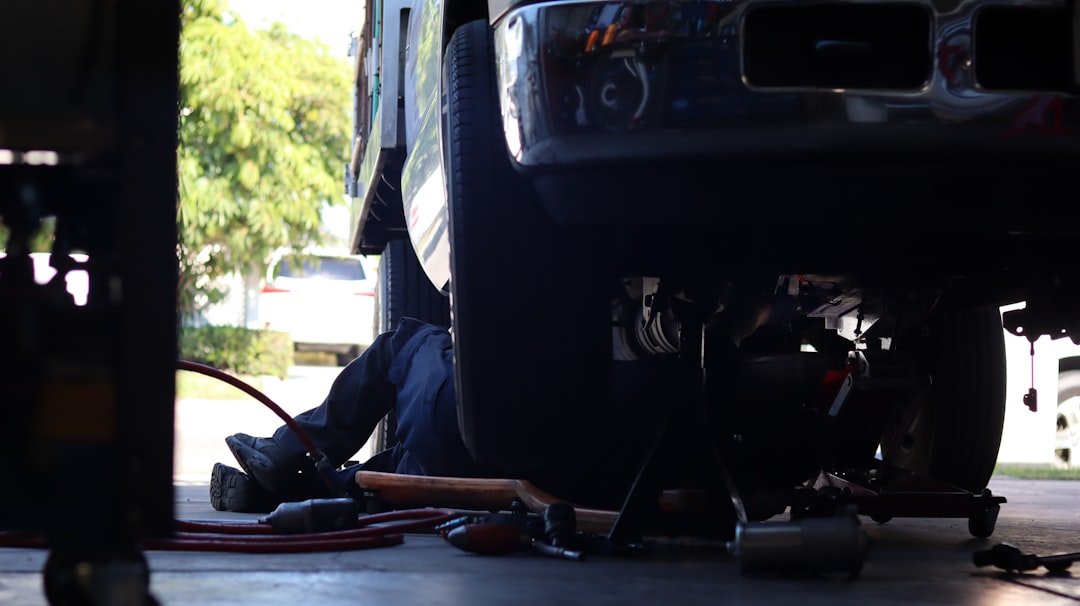
The precious metals inside a catalytic converter give it real scrap value, generally in the $50 to $250 range through legitimate recyclers, though certain hybrid vehicles’ converters can be worth considerably more due to higher metal content. That value, combined with how quickly an experienced thief can remove one from underneath a vehicle, is why theft has become common enough that many insurers now specifically ask about it.
Vehicles Commonly Targeted
| Vehicle Type | Why It’s Targeted | Notes |
|---|---|---|
| Trucks and SUVs | High ground clearance makes the converter easy to access quickly | Common target due to speed of removal |
| Hybrid vehicles | Converters contain a higher concentration of precious metals | Can carry significantly higher scrap value |
| Older vehicles | Often have a single, easily accessed converter and less anti-theft hardware | Less deterrence than newer factory-protected models |
Protecting Your Vehicle from Theft
- Park in a garage when possible, or in a well-lit area close to your home or a building entrance if a garage isn’t available.
- Install an aftermarket anti-theft shield or cage over the converter, a relatively inexpensive deterrent that adds significant time and difficulty to a theft attempt.
- Have your VIN or a unique identifier etched onto the converter itself, which makes a stolen unit harder to sell to a legitimate recycler and easier for police to trace back to your vehicle if recovered.
- Consider a vehicle alarm calibrated to detect the vibration of a saw or wrench working on the undercarriage.
- If you own a vehicle with a known higher theft rate for its converter, ask your insurer whether comprehensive coverage already includes this, and consider it a priority if you’re shopping for new coverage.
None of these measures make a vehicle theft-proof, but each one adds time and difficulty for someone attempting a quick removal, and a thief working underneath a car is generally looking to minimize the time spent exposed. A visible anti-theft shield alone is often enough to send someone looking for an easier target elsewhere.
Signs Your Catalytic Converter Needs Attention
| Symptom | Likely Cause | Notes |
|---|---|---|
| Loud, hollow exhaust note out of nowhere | Converter removed (theft) or internal failure | If sudden, check underneath for a missing section immediately |
| Check engine light with a P0420 or P0430 code | Converter efficiency below threshold | Confirm with a code reader before assuming the converter itself is at fault |
| Reduced power or poor fuel economy | Clogged or failing converter restricting exhaust flow | Can also indicate other issues; a proper diagnosis is worth the cost |
| Rattling noise from underneath | Broken internal honeycomb substrate | Usually means replacement rather than repair |
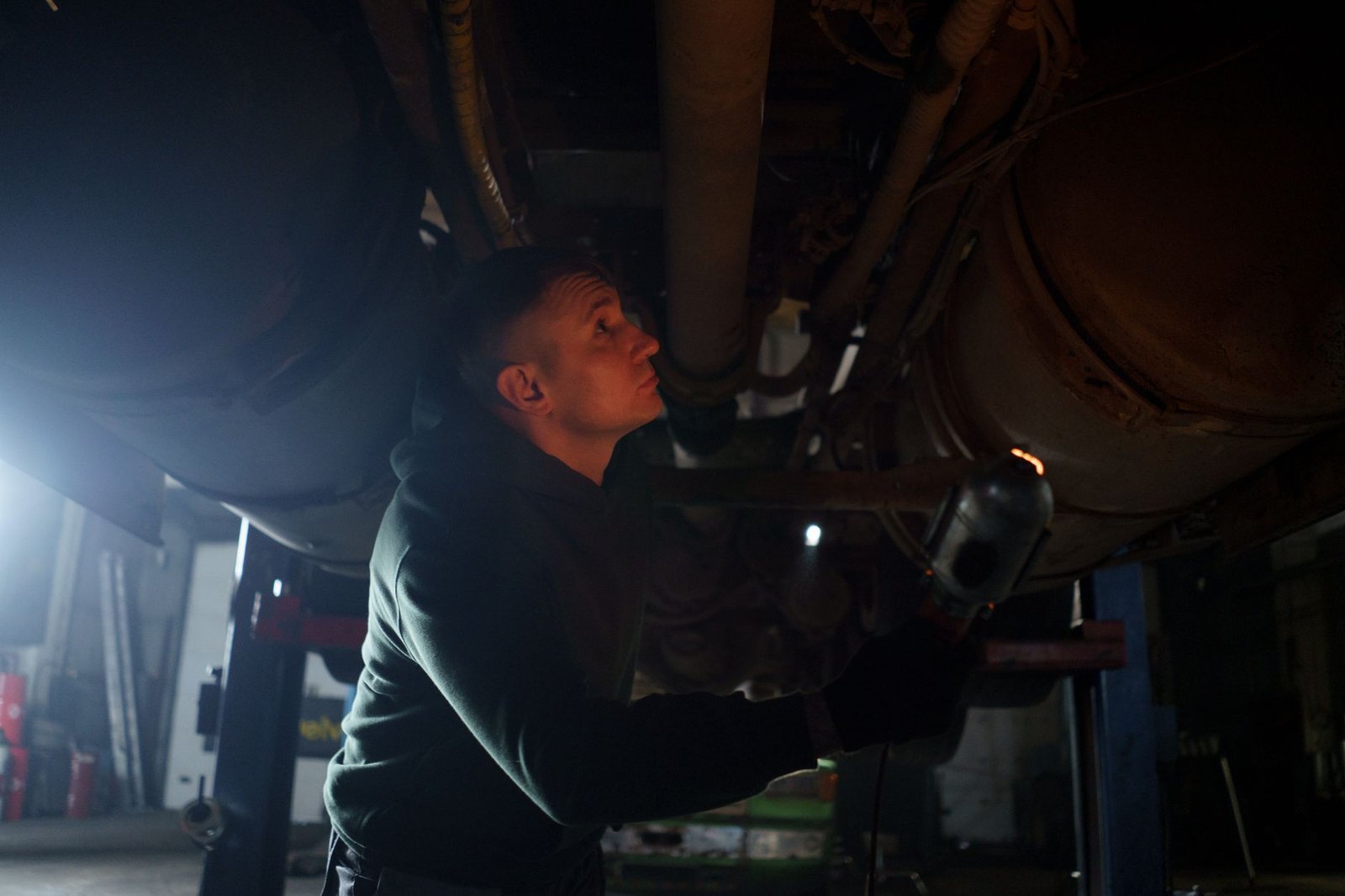
A P0420 or similar code doesn’t always mean the converter itself has failed — a failing oxygen sensor or an exhaust leak upstream can trigger the same code. It’s worth having a shop confirm the actual cause before paying for a converter replacement that may not be needed.
What’s Legal When It Comes to Replacement
Federal rules under the Clean Air Act (40 CFR Part 85, Subpart V) govern the resale of catalytic converters, and they matter more here than for almost any other part on a vehicle. A used, genuine OEM converter pulled from a legitimately retired vehicle can generally be resold, but installers and sellers are required to ensure it meets original emissions performance, and some states layer on additional requirements beyond the federal baseline. You can review the federal framework directly at EPA.gov.
This is exactly why documentation matters so much with this specific part. A reputable seller can tell you which vehicle a used converter came from, confirm it wasn’t reported stolen, and provide the same VIN-matched, tested-part paperwork they’d provide for any other component. If a seller can’t or won’t answer basic questions about where a converter came from, that’s a reason to walk away, not just a technicality.
Replacement Options Compared
| Option | Typical Cost | Notes |
|---|---|---|
| New OEM converter | $1,200–2,500+ | Guaranteed to meet factory emissions specs; highest cost |
| EPA-compliant aftermarket | $200–600 | Must carry the correct EPA exemption for your vehicle and state |
| Used OEM (documented, tested) | $150–500 | Lower cost, but only from a seller who can verify sourcing and testing |
If Your Converter Was Stolen
File a police report before doing anything else, since many insurers require one to process a comprehensive claim, and it also creates a record that helps if the part is ever recovered. Comprehensive auto insurance typically covers catalytic converter theft, though you’ll usually still owe your deductible. Get a shop estimate promptly, since driving with the converter removed is both loud and can trigger a check engine light or emissions test failure.
Where Englewood Used Auto Parts Fits In
Every part we sell, including exhaust and emissions components, is documented back to the vehicle it came from and tested before it’s cataloged. Browse our used auto parts inventory or call ahead with your VIN to confirm current availability.
Not sure how to confirm your VIN before ordering? Our VIN and vehicle compatibility guide covers exactly what to check. And if you’re inspecting other systems on a used vehicle, our engine guide and radiator guide cover what else is worth a close look. For mufflers, pipes, and the rest of the exhaust system, our exhaust and muffler parts guide covers fitment and what’s legal to change. A prolonged misfire is one of the more common causes of catalytic converter damage; our ignition coils and spark plugs guide covers how to catch that before it spreads. A loose or worn gas cap can trigger a similar check engine light through the EVAP system; our fuel tank and fuel system guide covers that simpler possibility first.
Frequently Asked Questions
Why are catalytic converters stolen so often?
They contain platinum, palladium, and rhodium, precious metals valuable enough to give a removed converter real scrap value, and they can often be removed from underneath a vehicle in just a few minutes.
Is it legal to buy a used catalytic converter?
Yes, but only when it’s a genuine OEM unit from a legitimately retired vehicle, properly documented, and sold by someone who can verify where it came from. Federal Clean Air Act rules and state-level requirements both apply.
Does insurance cover catalytic converter theft?
Comprehensive auto insurance typically covers it, though you’ll usually still owe your deductible. A police report is generally required to file a claim.
How can I protect my car from catalytic converter theft?
Park in a garage or well-lit area when possible, install an aftermarket anti-theft shield, have your VIN etched onto the converter, and consider a vibration-sensitive alarm.
Are hybrid vehicles more likely to be targeted?
Yes. Hybrid vehicle converters often contain a higher concentration of precious metals, which can make them a more attractive target despite similar removal difficulty.
What does a P0420 code mean?
It indicates the catalytic converter’s efficiency has dropped below the threshold the vehicle’s computer expects. It doesn’t always mean the converter has failed outright — a failing oxygen sensor or an exhaust leak can trigger the same code, so a proper diagnosis is worth doing before replacing the part.
Have questions about a documented, legally sourced replacement part? Contact our parts counter with your year, make, and model, and we’ll confirm availability and condition before you buy.
Leave a Reply