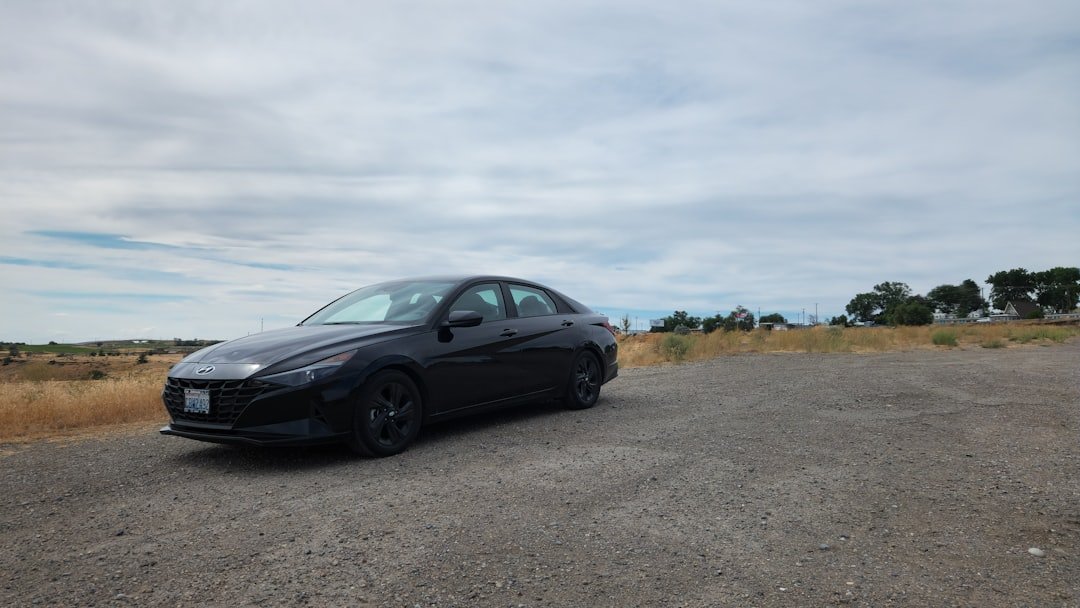
Hyundai and Kia are corporate siblings under Hyundai Motor Group, and a lot of their vehicles share engines, transmissions, and other major components. That overlap is good news for parts availability, but it also means the two brands share some of the same well-documented issues.
Both brands have grown significantly in the U.S. market over the past decade, and that growth shows in our inventory: we see a steady stream of Elantra, Sonata, Tucson, Optima, Forte, and Sportage parts come through, along with the larger Santa Fe and Sorento SUVs. Because so many components are shared across the lineup, a part pulled from one model can sometimes fit a sibling model from the other brand, which is worth asking about if the exact part you need is out of stock.
This guide covers the Hyundai and Kia models we see most often at our counter, the systems with known issues, and what to check before you buy a used part for one.
Common Hyundai & Kia Models We Stock Parts For
| Model | Type | Notes |
|---|---|---|
| Elantra / Forte | Compact sedan | High-volume models with strong parts availability across generations |
| Sonata / Optima | Midsize sedan | Shares platform and engine options between the two brands |
| Tucson / Sportage | Compact SUV | Some generations share the Theta II engine family with documented issues |
| Santa Fe / Sorento | Midsize SUV | Available with three-row seating on some trims; broad drivetrain overlap between brands |
Known Trouble Spots by System
| System | What to Watch For | Affected Models |
|---|---|---|
| Theta II engine | Knocking noise, stalling, or excessive oil consumption tied to a manufacturing debris issue in some engines | Sonata, Optima, Tucson, Sportage, and other models with this engine family from roughly 2011–2019 |
| Anti-theft software vulnerability | A well-documented ignition and immobilizer weakness on non-push-button-start models that led to a wave of thefts | Many Hyundai and Kia models built without engine immobilizers, especially 2011–2022 |
| Dual-clutch transmission shudder | Hesitation, jerking, or shudder at low speeds, especially from a stop | Certain Elantra, Forte, and Veloster models with dual-clutch transmissions |
The Theta II Engine: What Buyers Should Know
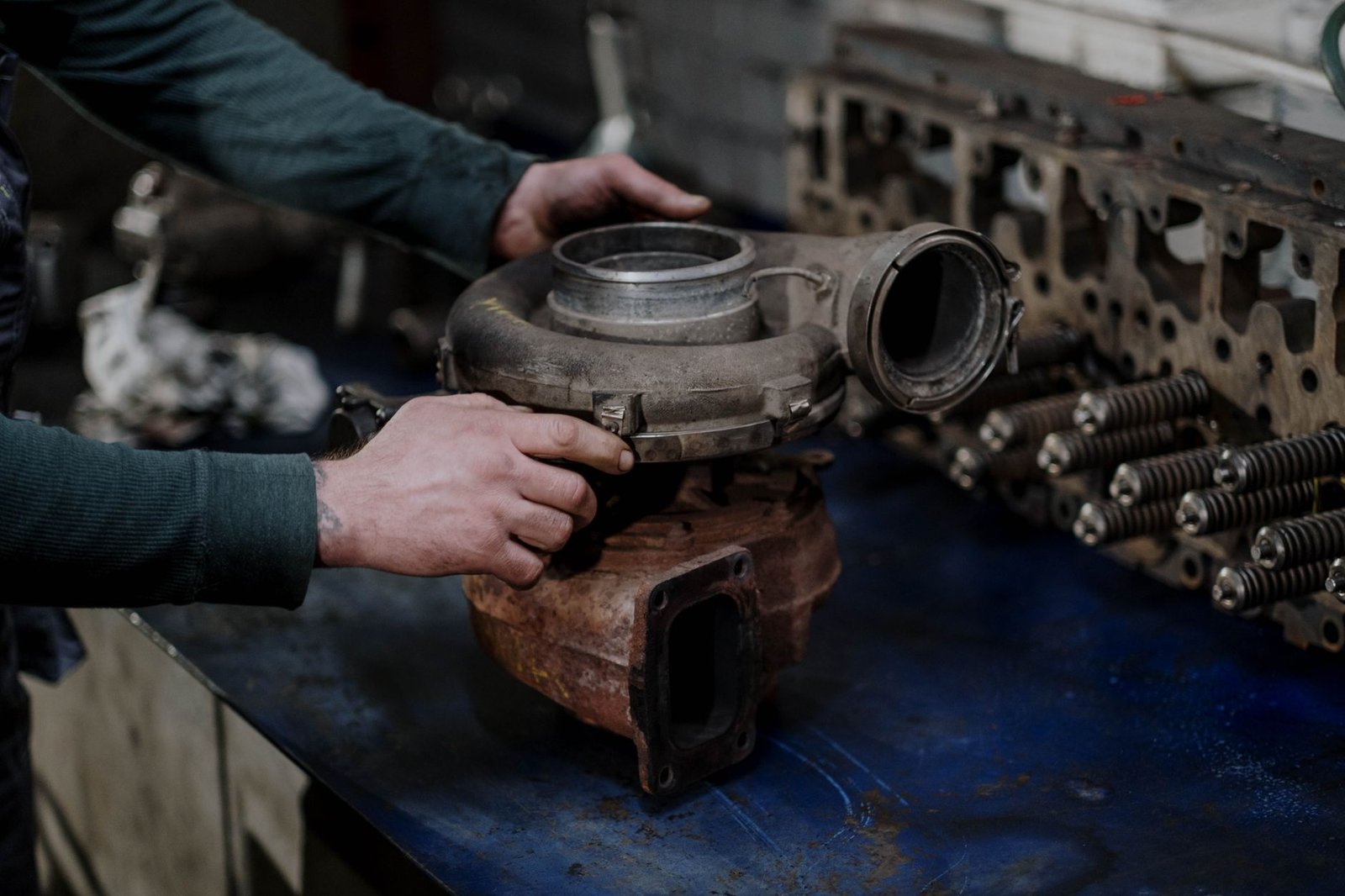
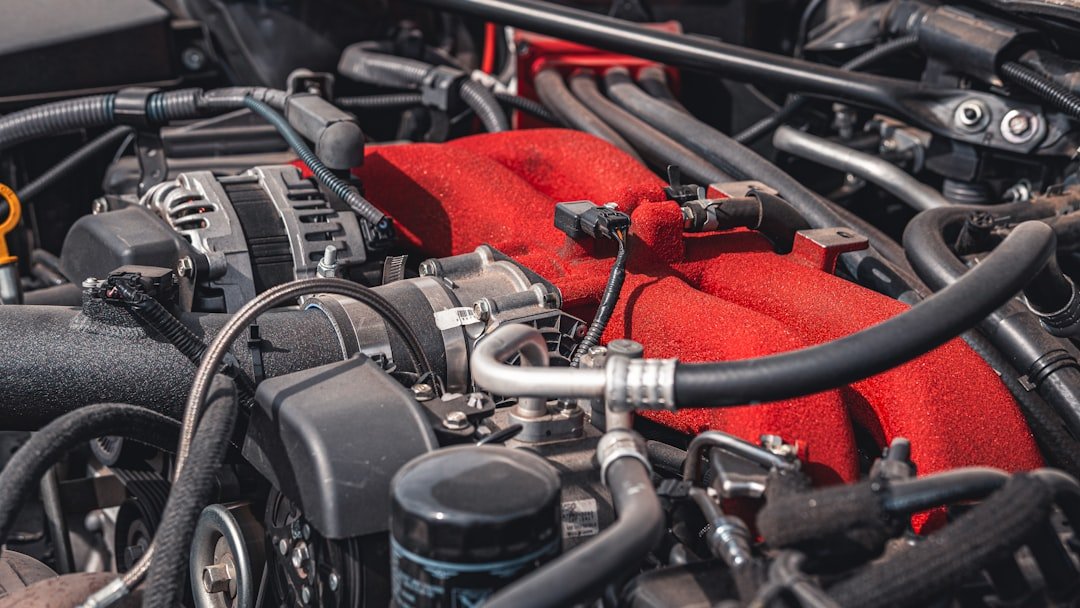
The Theta II engine family has been the subject of multiple recalls tied to manufacturing debris that can restrict oil flow to the connecting rod bearings, leading to premature wear, knocking noises, and in some cases engine failure. Hyundai and Kia extended warranty coverage on affected engines and issued a software update (the Knock Sensor Detection System) to warn drivers of developing bearing damage before a full failure occurs.
If you’re buying a used Theta II engine or related components like connecting rods and bearings, ask specifically whether the donor vehicle had any recall work performed and whether the engine showed any knocking or oil consumption before it was pulled. You can check open recalls for a specific vehicle using its VIN through NHTSA’s recall lookup tool.
The Anti-Theft Software Issue and What It Means for Used Parts
A well-publicized vulnerability in the ignition and immobilizer systems on many non-push-button-start Hyundai and Kia models made them unusually easy to steal, leading to a spike in thefts starting around 2022. Automakers responded with a free software update at dealerships to add engine immobilizer functionality that wasn’t originally standard on these trims.
For used parts buyers, this mostly matters for ignition cylinders, steering column components, and body control modules pulled from affected models. If you’re sourcing these specific parts, it’s worth asking whether the donor vehicle had the anti-theft software update applied, since that can affect how the part behaves if installed in another vehicle.
Dual-Clutch Transmission Shudder
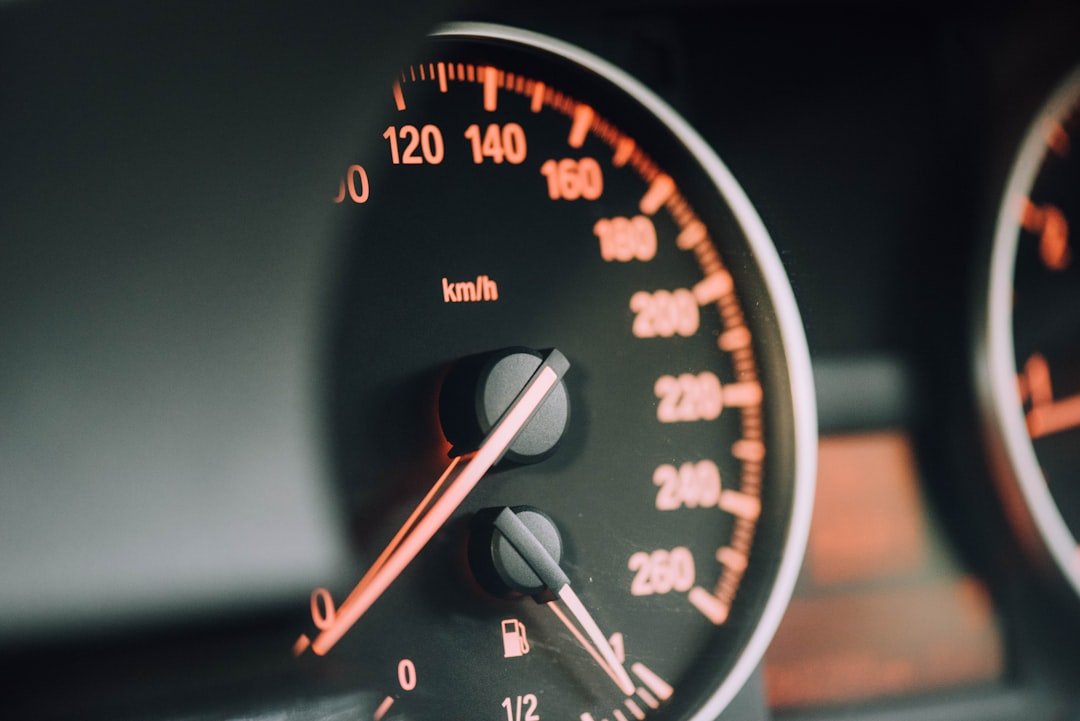
Some Elantra, Forte, and Veloster models use a dual-clutch transmission (marketed as DCT or EcoShift depending on the model) instead of a traditional automatic. These transmissions can develop a shudder, hesitation, or jerking sensation at low speeds, especially when accelerating gently from a stop. In many cases this is caused by clutch actuator or software calibration issues rather than outright mechanical failure, and a software update alone can resolve some cases.
If you’re buying a used dual-clutch transmission or related components, ask whether the donor vehicle had any documented shudder complaints and whether a software update had already been applied. A transmission pulled from a vehicle with unresolved shudder symptoms may carry the same issue into its next application.
What to Check Before Buying a Used Hyundai or Kia Part
- Confirm the exact engine code, not just the model year, since Hyundai and Kia used multiple engine families across the same generation.
- For Theta II engine parts, ask whether the donor vehicle had recall work performed and whether it showed knocking or oil consumption.
- For dual-clutch transmission parts, ask about shudder or hesitation symptoms in the donor vehicle.
- Ask whether the part was tested, not just pulled and cataloged based on mileage alone.
Typical Costs: Used vs. New
| Part | Typical Used Price | Typical New/Dealer Price |
|---|---|---|
| Engine assembly (Theta II) | $700–1,400 | $3,500–5,500 |
| Ignition cylinder | $30–70 | $120–250 |
| Dual-clutch transmission | $900–1,800 | $3,000–5,000 |
| Body control module | $60–150 | $250–500 |
Warranty Coverage
Reputable sellers typically offer 30 to 90 days on used Hyundai and Kia parts. For Theta II engine components specifically, ask whether the part was tested for knocking noise or bearing wear, not just visually inspected before it was cataloged.

Where Englewood Used Auto Parts Fits In
We stock a wide range of used Hyundai and Kia parts, inspected and tested before they’re cataloged by model, year, and engine, and backed by a warranty. Browse our used auto parts inventory or call ahead with your VIN to confirm current availability.
Not sure how to confirm your VIN before ordering? Our VIN and vehicle compatibility guide covers exactly what to check. If you’re chasing an engine noise specifically, our used engine buying guide and transmission guide cover inspection and testing in more depth.
Frequently Asked Questions
What is the Theta II engine recall about?
Manufacturing debris in some engines can restrict oil flow to the connecting rod bearings, leading to knocking noises, oil consumption, or engine failure. Hyundai and Kia issued recalls, extended warranties, and a knock sensor software update for affected vehicles.
Are Hyundai and Kia vehicles easier to steal?
Many non-push-button-start models built without engine immobilizers had a well-documented ignition vulnerability that led to a spike in thefts starting around 2022. A free dealership software update addresses this on affected vehicles.
How do I know if a used Hyundai or Kia part will fit my vehicle?
Match the exact engine code and trim, not just the model year, since Hyundai and Kia used multiple engine families across the same generation. Cross-reference your VIN against the seller’s inventory.
Do used Hyundai and Kia parts come with a warranty?
Reputable sellers typically offer 30 to 90 days. For Theta II engine components, confirm the part was tested for knocking noise, not just visually inspected.
Do Hyundai and Kia share parts with each other?
Many models share engines, transmissions, and other major components since both brands are under Hyundai Motor Group, but always confirm interchangeability against your specific VIN rather than assuming based on brand alone.
Not sure which part fits your Hyundai or Kia? Contact our parts counter with your year, make, model, and engine code, and we’ll confirm availability and condition before you buy.

Leave a Reply