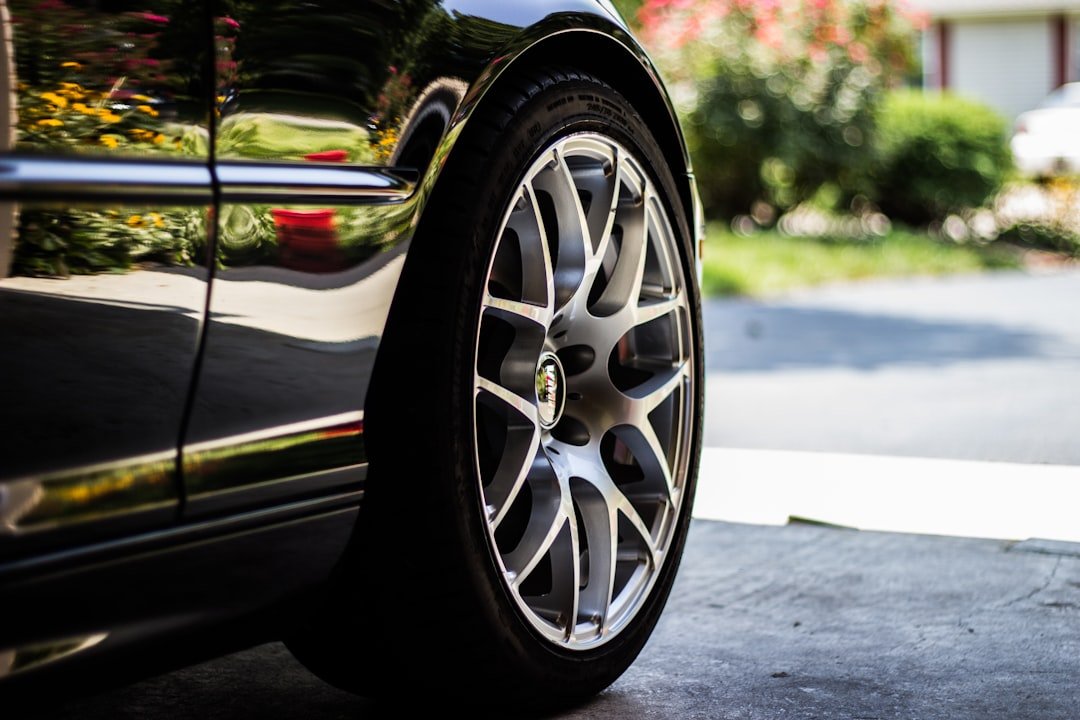
A used wheel is one of the easiest parts to judge with your own eyes, but it’s also one where a hidden problem can genuinely put you at risk on the road. Unlike most parts on this site, a cracked or badly bent wheel isn’t just a performance issue — it’s a structural one, which makes inspection worth taking seriously rather than treating as a formality.
This guide covers how to check a used wheel for damage, what bolt pattern and offset actually mean for fitment, and what fair pricing looks like.
What to Check Before Buying a Used Wheel
- Look closely at the inner barrel of the wheel (not just the visible outer face) for hairline cracks, which are easy to miss but compromise structural integrity.
- Check lug holes for elongation or wear, a sign of improper tightening over the wheel’s life.
- Inspect for bends by rolling the wheel a few feet on a flat surface and watching for wobble, or better, have a shop spin it on a balancer.
- Look for weld repairs, which some sellers use to patch a crack rather than disclosing it — a legitimate seller should be upfront about any repair history.
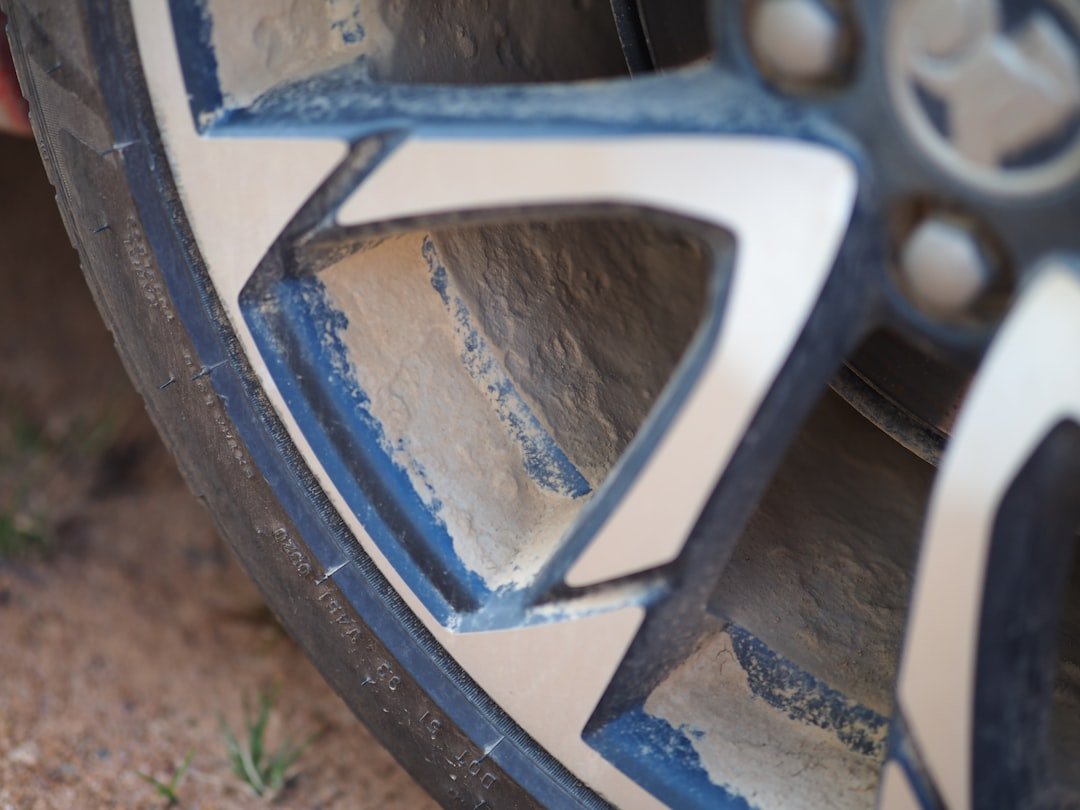
- Check for corrosion or pitting around the mounting surface, which can prevent the wheel from seating properly against the hub.
Bolt Pattern, Offset, and Center Bore: Why All Three Matter
| Spec | What It Means | Why It Matters |
|---|---|---|
| Bolt pattern | Number of lug holes and the diameter of the circle they form (e.g., 5×114.3mm) | A wheel with the wrong pattern simply won’t mount to your hub |
| Offset | Distance from the wheel’s mounting surface to its centerline | Wrong offset can cause rubbing, uneven tire wear, or accelerated suspension wear |
| Center bore | The diameter of the center hole that centers the wheel on the hub | A bore that’s too large can cause vibration even with correct bolt pattern and offset |
All three have to match, or be within an acceptable range, for a used wheel to be a safe and correct fit — matching bolt pattern alone isn’t enough. A wheel with the wrong offset can look like it fits, then cause rubbing against the suspension or fender, or put excess stress on wheel bearings over time.
How Shops Test for Cracks and Bends
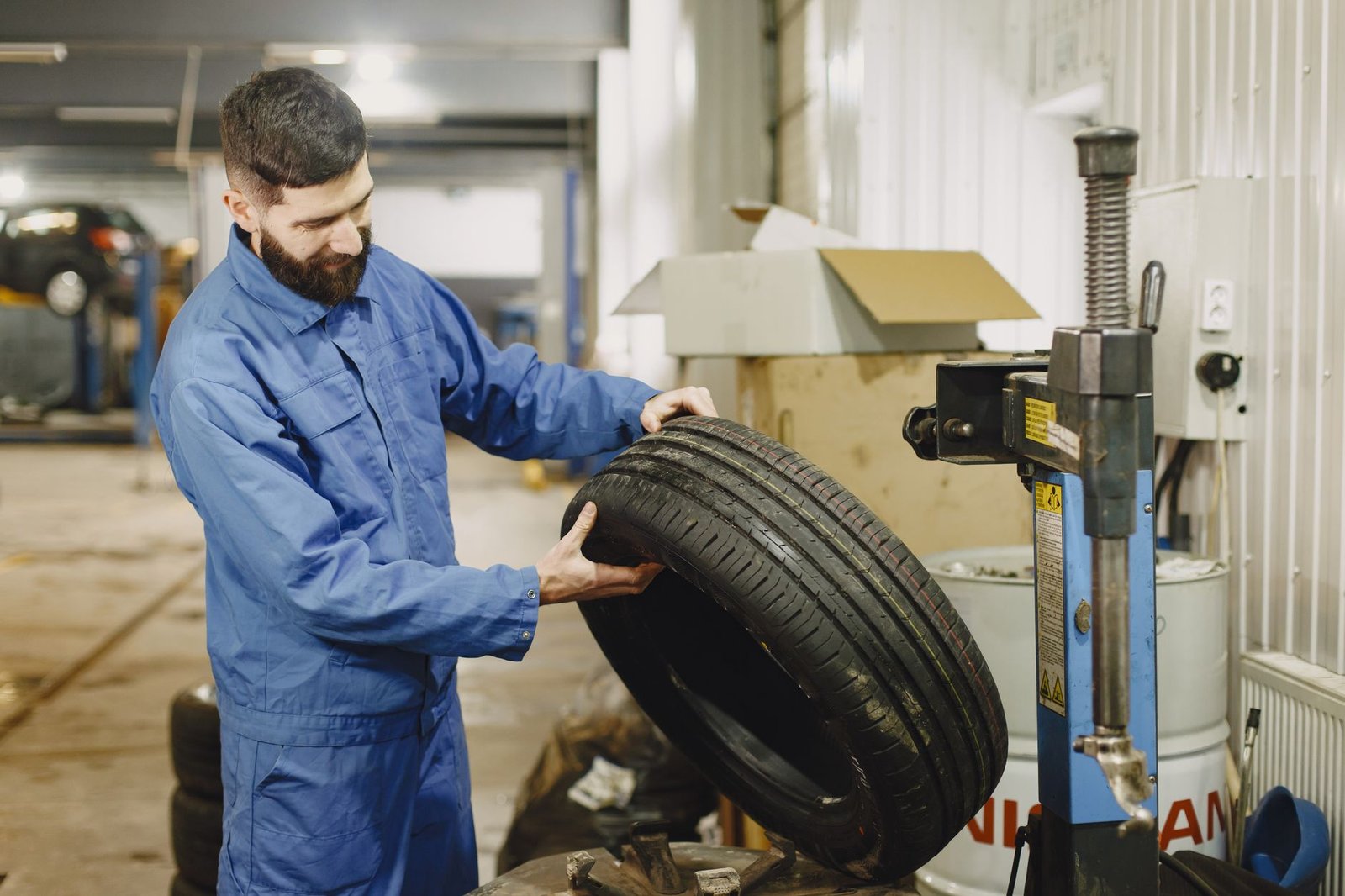
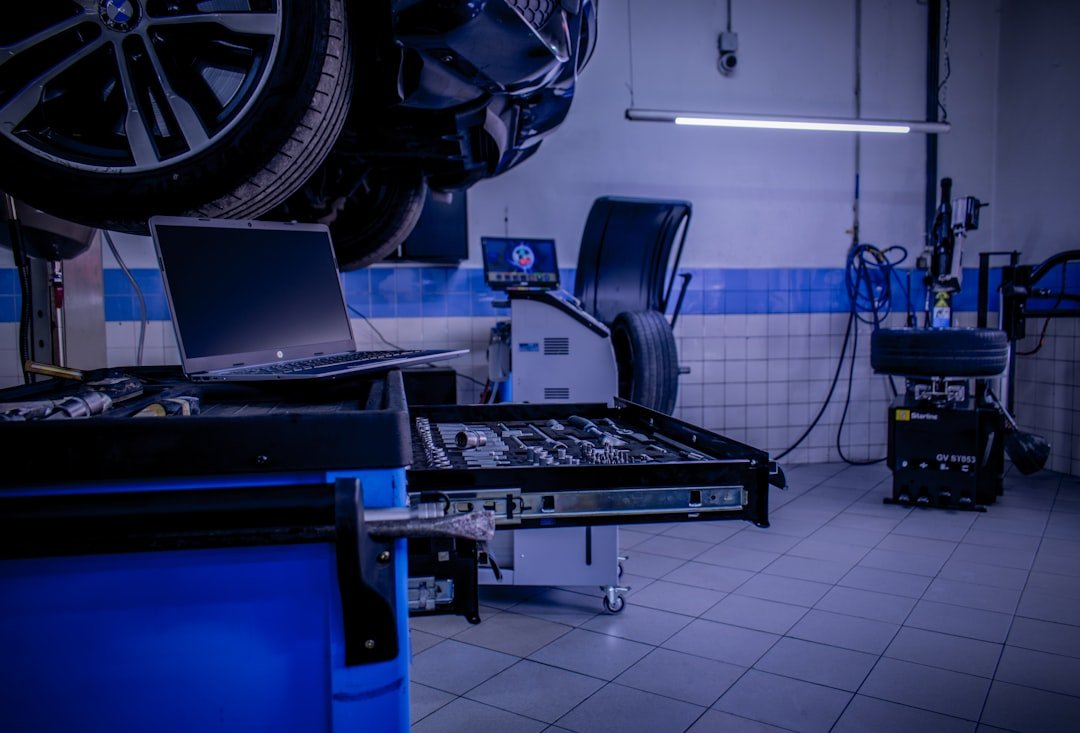
Beyond a visual check, a tire shop can submerge a mounted wheel and tire in a water tank and look for bubbles originating from the wheel’s inner barrel specifically (not the tire), which indicates a crack. For bends, spinning the wheel on a balancing machine reveals wobble that isn’t always obvious by eye. The Tire Industry Association, which sets training standards for tire and wheel service technicians, recommends this kind of professional verification specifically because internal wheel damage often isn’t visible from the outside. If you’re buying a used wheel and have any doubt after a visual inspection, it’s worth the modest cost of having a shop verify it before you mount tires and drive on it.
Wheel Size and Speedometer Accuracy
Changing to a different wheel and tire size than your vehicle originally came with can throw off speedometer and odometer accuracy, since both are calibrated around the original tire’s rolling diameter. A slightly larger overall diameter makes your actual speed higher than what the speedometer displays, and a smaller diameter has the opposite effect. This is a secondary consideration compared to structural safety, but it’s worth knowing if you’re buying used wheels in a different size than stock, since it can also affect ABS and traction control system calibration on some vehicles.
Lug Nuts and Hardware
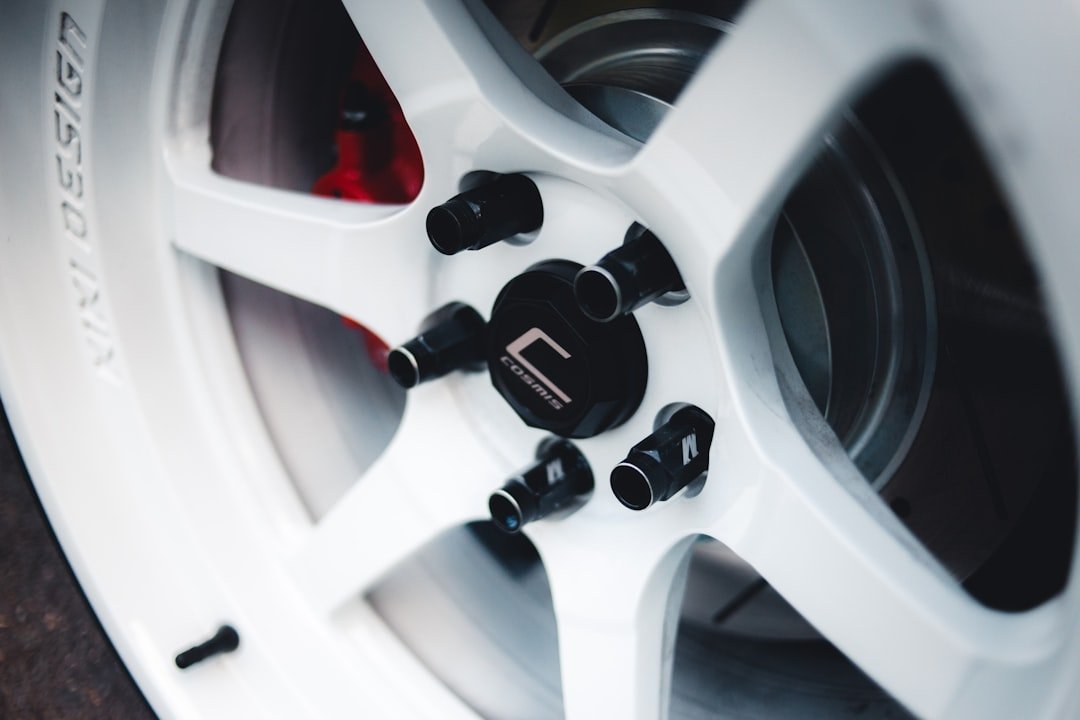
Lug nuts and bolts should match your vehicle’s specific thread pattern and seat type (conical, ball, or flat, depending on the vehicle), and using the wrong type can prevent the wheel from seating and torquing correctly even if the wheel itself is a perfect fit. If you’re buying used wheels without the original hardware, factor in new, correctly-matched lug nuts as part of the purchase.
Typical Costs: Used vs. New
| Option | Typical Price (Each) | Notes |
|---|---|---|
| Used OEM wheel | $50–150 | Price varies significantly by size, finish, and demand |
| New OEM wheel | $200–600+ | Higher for larger sizes and specialty finishes |
| Aftermarket wheel (new) | $100–300 | Confirm load rating matches or exceeds OEM spec |
Warranty Coverage
Given the safety implications, ask specifically whether a used wheel was crack-checked, not just visually inspected, and look for at least a 30 to 90 day warranty covering defects found after installation.
Steel Wheels vs. Alloy Wheels
Most factory wheels are either stamped steel or a cast aluminum alloy, and the two behave differently when it comes to used-wheel shopping. Steel wheels are heavier but more forgiving of curb impacts and generally bend rather than crack, which makes a bend from a pothole easier to spot visually. Alloy wheels are lighter and better for handling and fuel economy, but they’re more prone to cracking rather than bending under the same impact, which is exactly why the inner-barrel crack check matters more for alloys. If you’re replacing a single damaged wheel and the rest of your set is alloy, matching material as well as size and finish keeps handling and appearance consistent.
Where Englewood Used Auto Parts Fits In
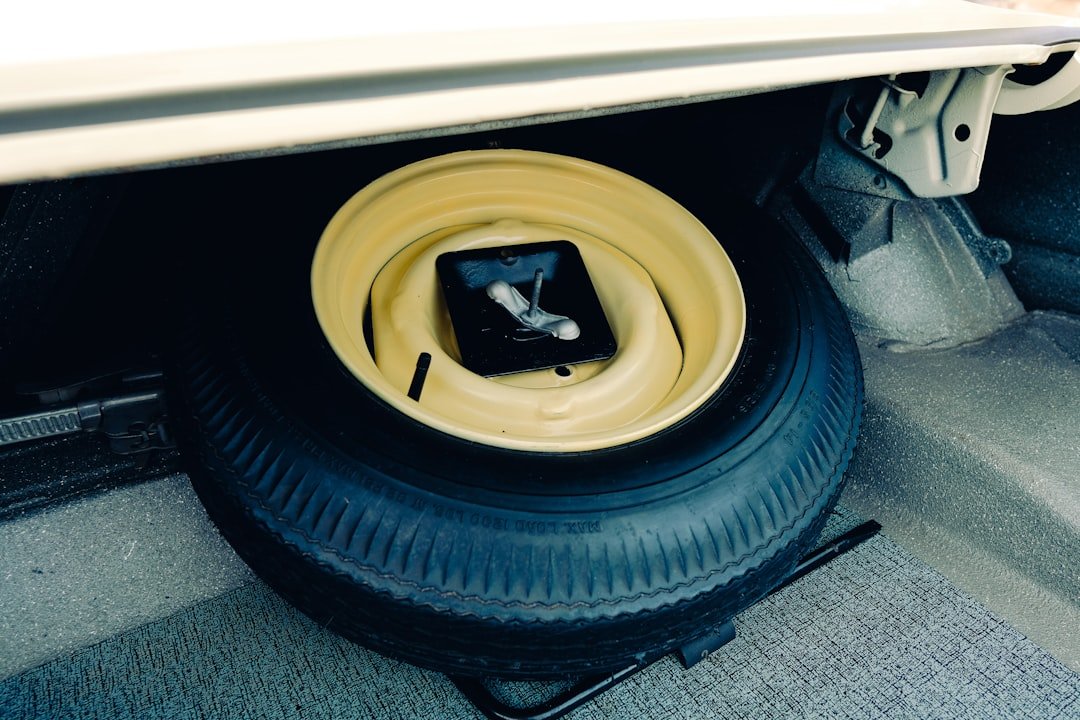
Every wheel we sell is inspected for cracks, bends, and hardware condition before it’s cataloged by size, bolt pattern, and offset, and backed by a warranty. Browse our used auto parts inventory or call ahead with your VIN to confirm current availability.
Not sure how to confirm your VIN before ordering? Our VIN and vehicle compatibility guide covers exactly what to check. If you’re also inspecting the suspension on a used vehicle, our suspension parts guide covers what else is worth a look.
Frequently Asked Questions
How can I tell if a wheel is cracked?
Look closely at the inner barrel, not just the visible outer face, for hairline cracks. A tire shop can also perform a water submersion test, checking for bubbles originating from the wheel itself rather than the tire.
What happens if I use the wrong wheel offset?
Wrong offset can cause the tire to rub against the fender or suspension components, accelerate wear on wheel bearings, and affect handling, even if the bolt pattern matches correctly.
Can a bent wheel be repaired?
Minor bends can sometimes be straightened by a wheel repair specialist, but cracks generally cannot be safely repaired and the wheel should be replaced.
Do I need new lug nuts with a used wheel?
If the original hardware isn’t included, yes. Lug nuts need to match your vehicle’s specific thread pattern and seat type to torque and seat correctly.
Do used wheels come with a warranty?
Reputable sellers typically offer 30 to 90 days. Ask specifically whether the wheel was crack-checked, not just visually inspected, before you buy.
Will a different wheel size affect my speedometer?
Yes, if the overall tire diameter changes from stock. A larger diameter makes your actual speed higher than what’s displayed, and a smaller diameter has the opposite effect. It can also affect ABS calibration on some vehicles.
Not sure which wheel fits your vehicle? Contact our parts counter with your year, make, and model, and we’ll confirm bolt pattern, offset, and availability before you buy.


Leave a Reply