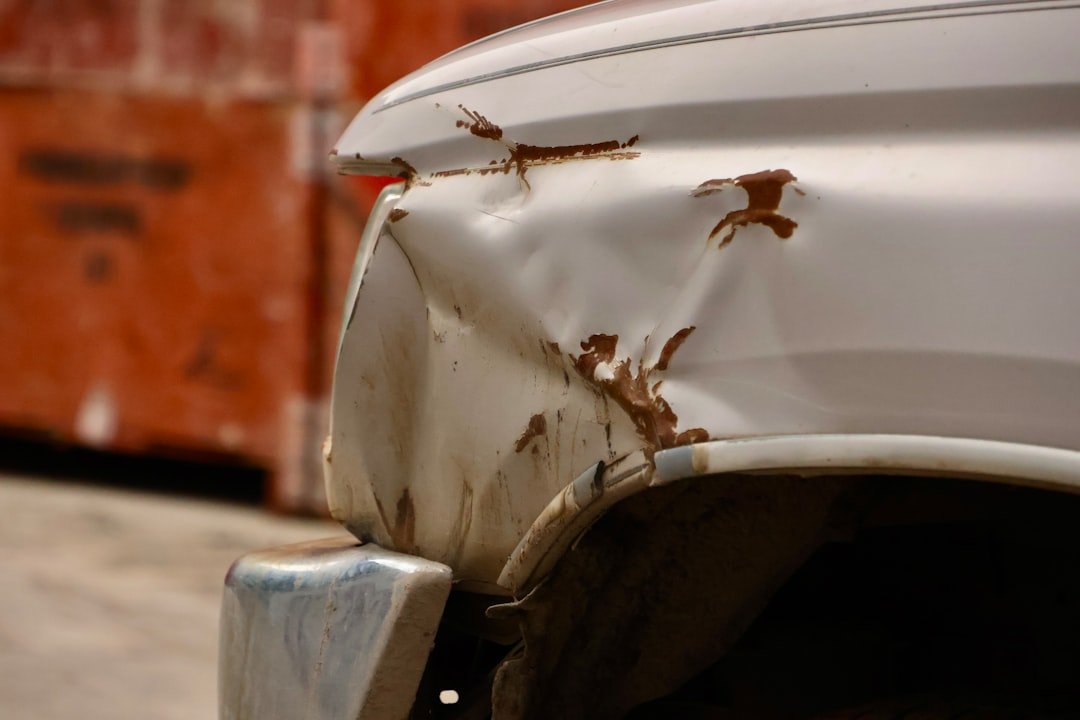
A cracked bumper cover or dented fender is one of the most common reasons people end up shopping for used auto parts, and it’s also one of the categories where “will it actually match” is the first question on everyone’s mind. Body parts are forgiving in some ways — there’s no engine code or refrigerant type to worry about — but paint matching and fitment precision matter more here than almost anywhere else.
This guide covers how to find your paint code, what to expect from OEM vs. aftermarket body parts, and what fair pricing looks like.
Finding Your Paint Code
Your vehicle’s paint code is usually located on a sticker in the driver’s side door jamb, sometimes labeled “EXT PNT” or “BODY COLOR CODE,” and is typically a short alphanumeric code like “8X8” rather than a descriptive color name like “Deep Blue Metallic.” This code, not the color name, is what a body shop or paint supplier needs to mix a matching color, since color names can vary or be discontinued while the underlying code stays consistent with the manufacturer’s records.
Used vs. Pre-Painted vs. Unpainted
| Option | What It Means | Notes |
|---|---|---|
| Used OEM (already painted) | A genuine factory part from a donor vehicle, in its existing color | Only a fitment option if the donor vehicle was the same color as yours |
| Unpainted OEM or aftermarket | A new or used part with no paint, ready for color matching | Requires a paint job, but works with any target color |
| Pre-painted aftermarket | A new part painted to your paint code before shipping | Convenient, but plastic and metal can take paint slightly differently, causing subtle variation |
OEM vs. Aftermarket: What Actually Differs
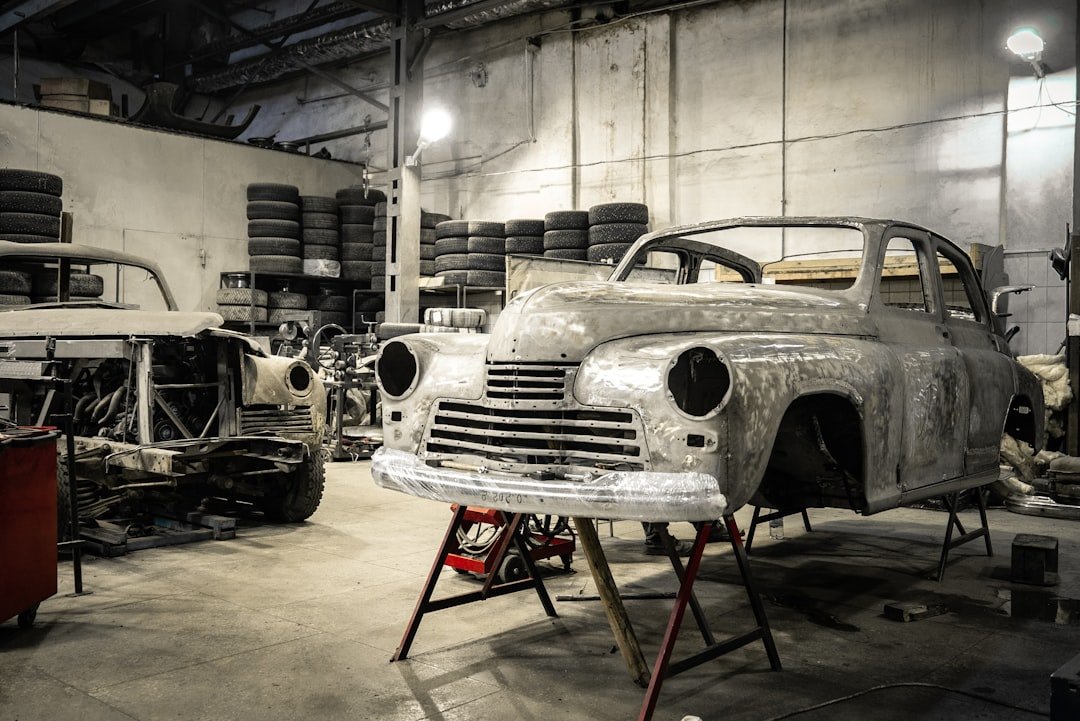
OEM body parts are made to the same specifications as what came on the vehicle originally, which generally means panel gaps and mounting points line up without adjustment. Aftermarket parts can vary meaningfully in fit and finish depending on the manufacturer, and while a quality aftermarket part can be a perfectly good repair, poor fitment on a cheaper option can mask corrosion points, create wind noise, or throw off paint alignment at the panel edges, sometimes leading to more labor than the part’s lower price initially suggested.
The Inter-Industry Conference on Auto Collision Repair (I-CAR), the collision repair industry’s training and standards body, emphasizes proper fitment and manufacturer repair procedures precisely because poor-fitting body parts can affect more than appearance — on structural panels, fitment can also affect how the vehicle performs in a future collision. This is one of the reasons an insurance company covering a repair may still require OEM parts for structural or safety-related components even while allowing aftermarket for purely cosmetic panels.
What to Check Before Buying a Used Body Part
- Confirm the paint code matches, not just the color name, if you’re hoping to use a part already painted to your vehicle’s original color.
- Inspect for prior repair, filler, or repainting on a “used OEM” part, since a part pulled from a donor vehicle may have its own damage history.
- Check mounting points and clips for wear or breakage, since plastic mounting tabs are common failure points on bumper covers.
- For structural panels (as opposed to purely cosmetic trim), lean toward OEM given the safety implications discussed above.
Bumper Covers vs. Bumper Reinforcement Bars
What most people call a “bumper” is actually a plastic cover, largely cosmetic, mounted over a metal or composite reinforcement bar that absorbs impact energy and is designed to be replaced together with energy-absorbing foam or brackets after a real collision. A scraped or cracked bumper cover with no other symptoms usually means only the cover needs replacing. But if the vehicle was in an actual collision, even a low-speed one, it’s worth having the reinforcement bar and mounting brackets inspected too, since damage there isn’t always visible once the cover is back in place.
Typical Costs: Used vs. New
| Part | Typical Used Price | Typical New Price |
|---|---|---|
| Bumper cover (unpainted) | $80–250 | $200–600 |
| Fender | $60–180 | $150–450 |
| Painted bumper cover (matched) | $300–700 | $500–1,200+ |
Warranty Coverage
Warranty on body parts typically covers fitment and material defects rather than paint, since paint is usually a separate step handled by a body shop. Look for at least a 30 day warranty on the part itself and confirm whether return is possible if a part doesn’t fit as expected.
Sensors, Cameras, and Parking Aids Hidden in Modern Bumpers
On many newer vehicles, the front and rear bumper covers house parking sensors, cameras, and sometimes radar components for driver assistance features. When buying a used bumper cover for one of these vehicles, confirm whether it includes the correct sensor cutouts and, if the donor part came pre-installed with sensors, whether those specific components are compatible with your vehicle’s system. Missing or mismatched sensor provisions is an easy detail to overlook until the part arrives and doesn’t have the openings your vehicle’s electronics expect.
Where Englewood Used Auto Parts Fits In
Every body part we sell is inspected for prior damage and mounting condition before it’s cataloged by make, model, and year. Browse our used auto parts inventory or call ahead with your VIN to confirm current availability and color match.
Not sure how to confirm your VIN before ordering? Our VIN and vehicle compatibility guide covers exactly what to check. If you’re dealing with a collision beyond just body panels, our suspension parts guide covers what else is worth inspecting. And if a mirror or window took damage in the same collision, our mirrors and window regulators guide covers those parts specifically.
Frequently Asked Questions
Where do I find my car’s paint code?
Usually on a sticker in the driver’s side door jamb, often labeled “EXT PNT” or “BODY COLOR CODE.” It’s a short alphanumeric code rather than a descriptive color name.
Will a used bumper already be the right color?
Only if the donor vehicle was the same paint code as yours. Otherwise, you’ll need an unpainted part or a repaint to match, since paint codes vary even within the same general color family.
Is OEM or aftermarket better for body parts?
OEM guarantees factory-spec fitment and is generally preferred for structural panels. Quality aftermarket can be a reasonable, less expensive option for purely cosmetic trim, but fitment quality varies by manufacturer.
Why does my insurance want to use aftermarket parts?
Aftermarket parts are typically priced well below OEM, which lowers claim costs for the insurer. You generally have the right to request OEM parts and pay any price difference yourself.
Do used body parts come with a warranty?
Reputable sellers typically offer at least 30 days covering fitment and material defects. Paint is usually handled separately and isn’t covered under the parts warranty.
Is a bumper cover the same as the whole bumper system?
No. The visible plastic cover is largely cosmetic, mounted over a metal or composite reinforcement bar that absorbs impact energy. After an actual collision, it’s worth having the reinforcement bar and brackets checked too, not just the cover.
Bumper-Integrated Lighting and Trim
On many modern vehicles, fog lights, marker lights, and even parts of the headlight or taillight housing are integrated into the bumper cover assembly rather than mounted separately. This means a used bumper cover needs to match not just the color and body style, but the specific lighting configuration your trim level came with — a base-trim bumper without fog light cutouts won’t work if your vehicle has fog lights, even if the paint code matches perfectly. Always confirm the trim level of the donor vehicle, not just the make, model, and year, when shopping for a bumper with integrated lighting.
Does my bumper’s trim level matter, not just the model?
Yes, especially if your bumper has integrated fog lights or lighting cutouts. A bumper cover from a lower trim without those features won’t have the correct openings, even if the color and body style otherwise match.
Not sure which body part fits your vehicle? Contact our parts counter with your year, make, model, and paint code, and we’ll confirm availability and condition before you buy.
Leave a Reply