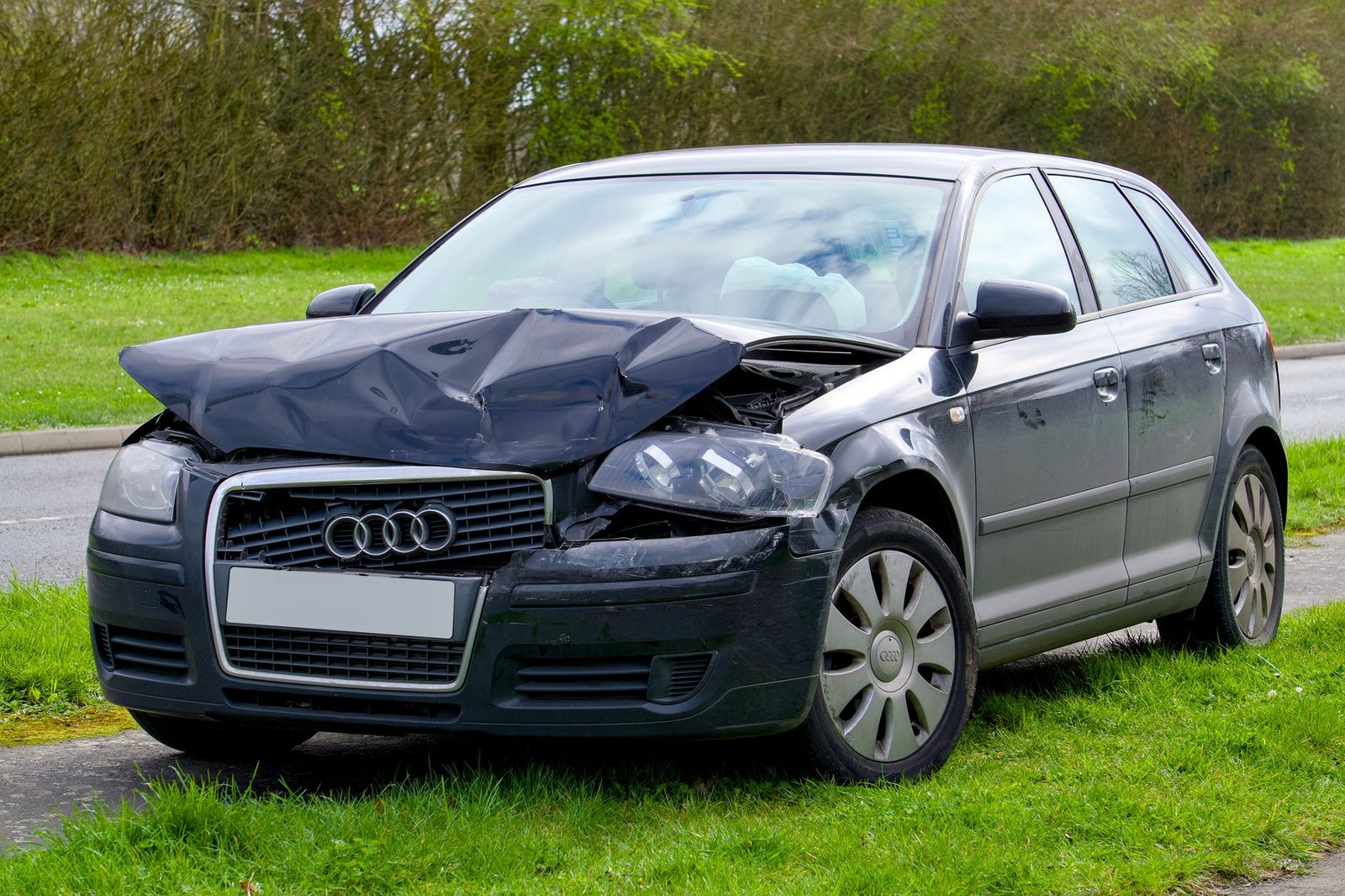
“Salvage title” is one of those terms that gets used loosely, but it has a specific legal meaning that affects what you can and can’t do with a vehicle, how much insurance will cost, and what it’s actually worth. Since we source many of our parts from vehicles that carry exactly this kind of title, it’s worth understanding clearly, both if you’re buying parts from us and if you’re evaluating a vehicle for purchase.
This guide covers what a salvage title actually means, how it’s different from a rebuilt title, and what Illinois specifically requires to clear one.
Salvage Title vs. Rebuilt Title
| Title Type | What It Means | Can It Be Driven? |
|---|---|---|
| Salvage | Insurer declared the vehicle a total loss due to damage, theft recovery, flood, or fire | No — not legal to drive or register in this state |
| Rebuilt (Rebuilt Salvage) | A salvage vehicle that has been repaired and passed required state inspections | Yes, once the rebuilt title is issued |
Why Vehicles Get a Salvage Title
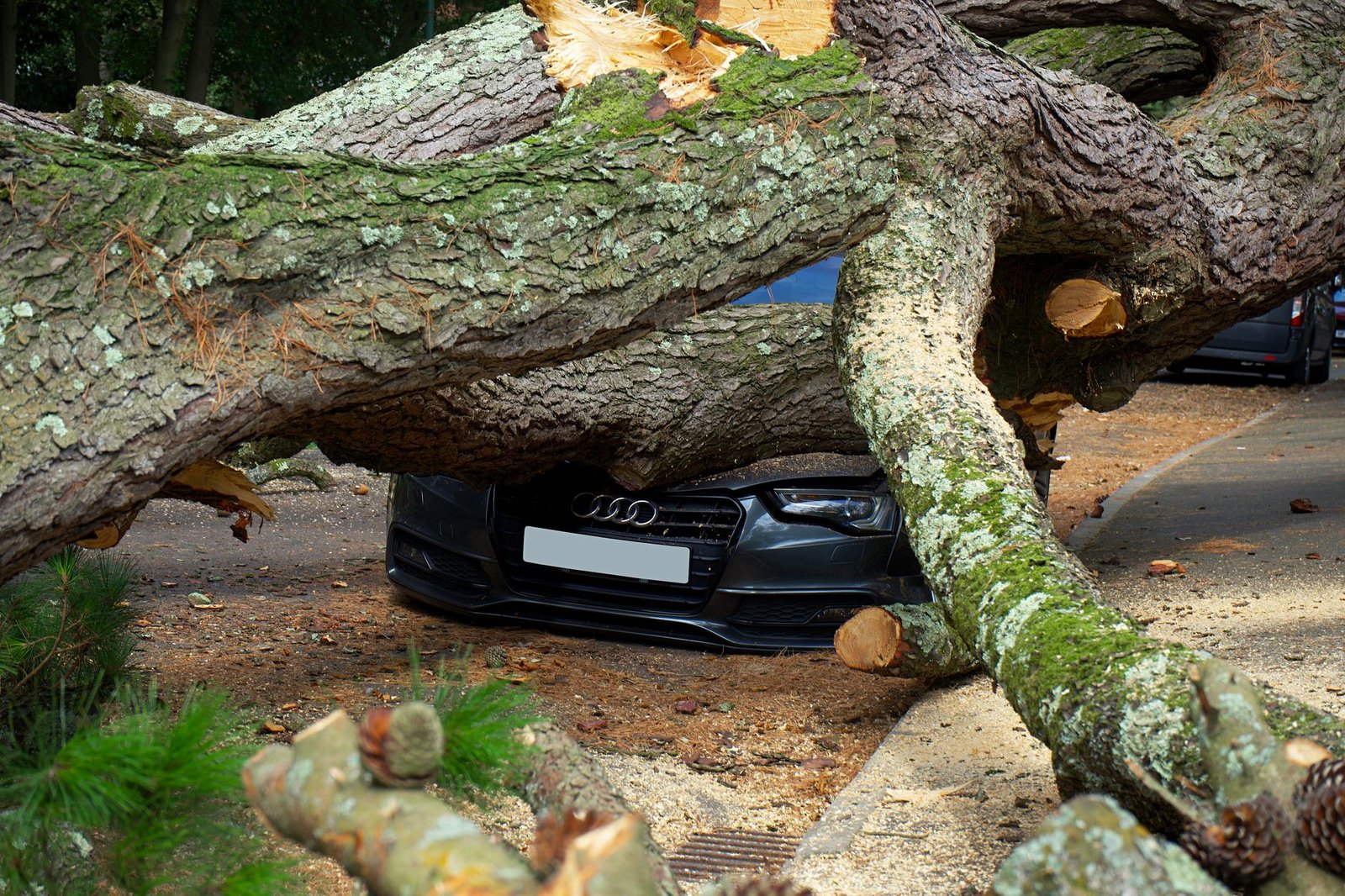
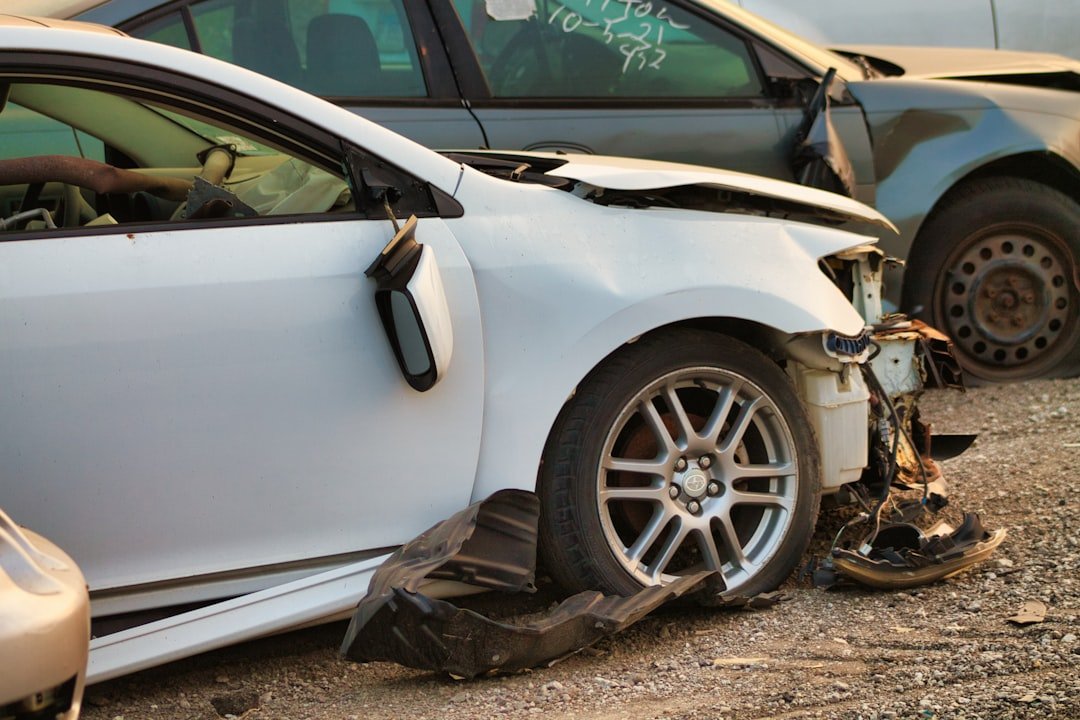
An insurance company declares a vehicle a total loss when the cost of repairs exceeds a set percentage of its fair market value. In Illinois, that threshold is generally around 33% of the vehicle’s value, meaningfully lower than some other states, which means a moderately damaged vehicle here can be totaled where the same damage in a state with a higher threshold might just get repaired under the original title. Total loss determinations aren’t limited to collisions either — flood damage, fire, vandalism, and theft recovery (where parts were stripped before the vehicle was found) are all common salvage title triggers.
Illinois’ Rebuilt Title Process
Illinois requires one of the more rigorous rebuilt title processes in the country. According to the Illinois Secretary of State, a salvage vehicle must first pass an IDOT Safety Lane inspection verifying the repairs meet basic safety standards, and then, for vehicles eight model years old or newer, undergo a separate Secretary of State Police inspection specifically checking that the VIN and part identification numbers haven’t been removed, altered, or tampered with, and confirming there’s no indication the vehicle or its parts were stolen. Each inspection carries its own fee, and only after passing both is a rebuilt title issued.
What This Means If You’re Buying a Vehicle
- A salvage or rebuilt title should be reflected in the price — expect a meaningfully lower value than a clean-title equivalent, often 20 to 40% less depending on the specific repair history.
- Financing and insurance can both be harder to get on a rebuilt title vehicle; many insurers only offer liability coverage, not comprehensive or collision.
- Ask for documentation of the specific repairs performed, not just proof the title was cleared, so you understand exactly what was damaged and how it was fixed.
- A vehicle history report will show a salvage brand if it was ever assigned in the U.S., but title-washing (moving a vehicle through a state with weaker disclosure rules) can sometimes obscure this, so a report alone isn’t a complete guarantee.
Other Related Title Brands
| Brand | What It Means |
|---|---|
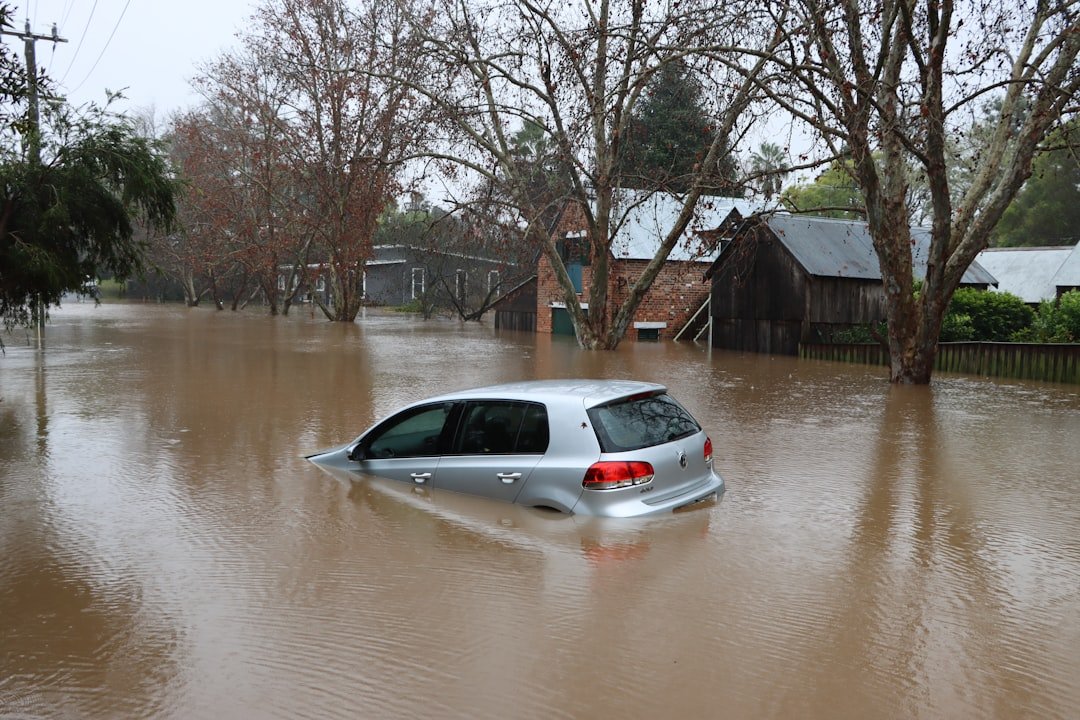
| Flood | Vehicle was submerged in water; often devastating to electronics even if it drives afterward |
| Junk / Non-Repairable | Damage so severe the vehicle cannot legally be rebuilt or returned to the road at all |
| Lemon Law Buyback | Manufacturer repurchased the vehicle due to unresolved defects under state lemon laws |
| Odometer Rollback | Indicates a documented odometer discrepancy, unrelated to collision damage but still a red flag |
These brands can appear alongside or separately from a salvage designation, and each carries its own implications. A flood title in particular deserves extra caution, since water damage to wiring, sensors, and control modules can cause problems that surface months after purchase, long after a basic test drive would have caught anything obvious.
What This Means for Buying Parts From a Salvage Vehicle
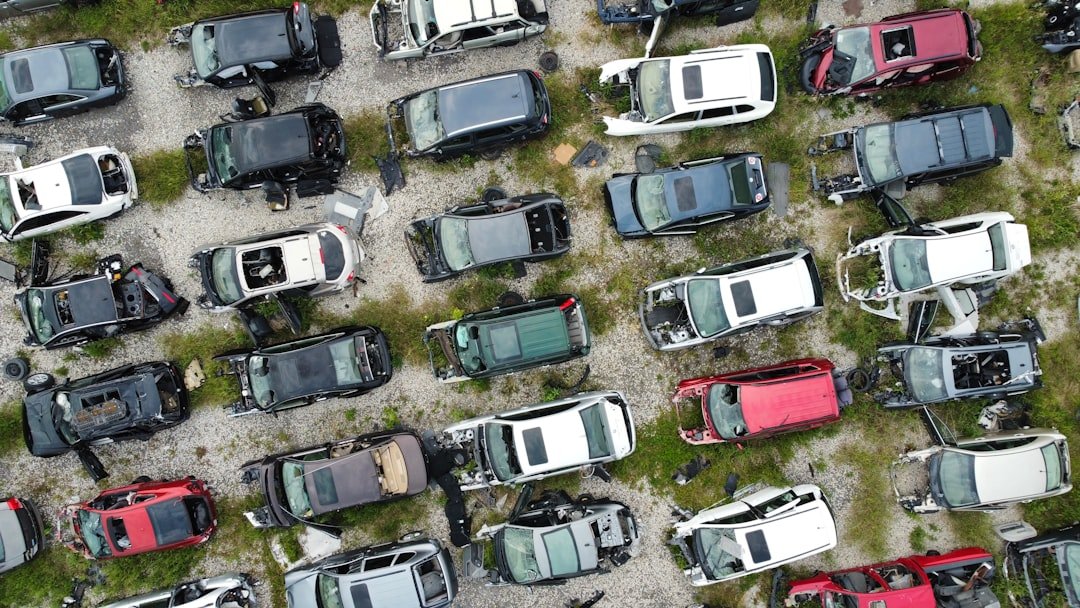
This is where it gets more straightforward: a part pulled from a salvage vehicle isn’t itself “salvage” in any negative sense — the vast majority of components on a totaled car are completely undamaged and function identically to the same part from a vehicle that was never in an accident. A car totaled by hail damage might have a flawless engine, transmission, and interior. This is exactly the economic logic behind the used auto parts industry: separating a vehicle’s total-loss status from the individual condition of its components.
Where Englewood Used Auto Parts Fits In
Every part we sell, regardless of the donor vehicle’s title status, is individually inspected and tested before it’s cataloged, and backed by a warranty. Browse our used auto parts inventory or call ahead with your VIN to confirm current availability.
Not sure how to confirm your VIN before ordering? Our VIN and vehicle compatibility guide covers exactly what to check. And if you’re weighing a used part against a self-service pull, our junkyard vs. used auto parts store guide explains the tradeoffs. Salvage-title vehicles aren’t necessarily rustier than any other used car, but our rust and used parts guide covers what to actually check regardless of a vehicle’s title history. Flood damage is one specific cause behind some salvage titles; our flood-damaged vehicles guide covers the signs worth checking for specifically.
Frequently Asked Questions
What does a salvage title mean?
It means an insurance company declared the vehicle a total loss, generally because repair costs exceeded a set percentage of its value (around 33% in Illinois). A salvage title vehicle cannot legally be driven or registered until it’s repaired and passes required inspections for a rebuilt title.
Is a rebuilt title the same as a salvage title?
No. A salvage title means the vehicle hasn’t been cleared to drive. A rebuilt title means it has been repaired and passed the required state inspections, and can legally be driven and registered again.
Does Illinois require an inspection for a rebuilt title?
Yes, and it’s a multi-step process: an IDOT Safety Lane inspection for basic roadworthiness, plus a separate Secretary of State Police inspection for vehicles eight model years or newer, checking VIN integrity and confirming no stolen parts.
Can I get full insurance coverage on a rebuilt title vehicle?
Often not. Many insurers limit rebuilt title vehicles to liability-only coverage, and those that do offer comprehensive or collision coverage may charge higher premiums.
If a vehicle had a salvage title, does that mean its parts are bad?
No. Most components on a totaled vehicle are undamaged and function identically to parts from a vehicle that was never in an accident. Reputable sellers individually inspect and test each part regardless of the donor vehicle’s title history.
What’s the difference between a salvage title and a flood title?
Both are total-loss designations, but a flood title specifically indicates water damage, which can affect electronics and wiring in ways that aren’t always obvious right away, even after the vehicle is repaired and dried out.
How a Salvage Title Affects Long-Term Resale Value
Even after a vehicle is properly repaired and issued a rebuilt title, that history follows it permanently. Resale value for a rebuilt title vehicle typically runs 20 to 40% below a comparable clean-title vehicle, and that gap doesn’t close over time the way normal depreciation does — a ten-year-old rebuilt title car still sells at a discount relative to an equivalent clean-title car of the same age and mileage. This is worth factoring in if you’re considering buying a rebuilt title vehicle as a long-term investment rather than simply the cheapest way to get reliable transportation.
Does a rebuilt title always mean lower resale value?
Yes, typically 20 to 40% below a comparable clean-title vehicle, and this discount generally persists over the life of the vehicle rather than fading with age like normal depreciation.
Have questions about a specific part’s origin or condition? Contact our parts counter and we’ll walk you through exactly what was checked before it went on the shelf.
Leave a Reply