

Chicago summers put a different kind of stress on a vehicle than winter does, but it’s no less real. Heat accelerates battery failure, changes tire pressure, and is genuinely tougher on rubber belts and hoses than most drivers expect. The parts most likely to strand you on a 95-degree afternoon are often not the ones you’d guess.
This checklist covers what to check before the hottest weeks of the year, why heat specifically causes these failures, and what fair pricing looks like on the parts most affected.
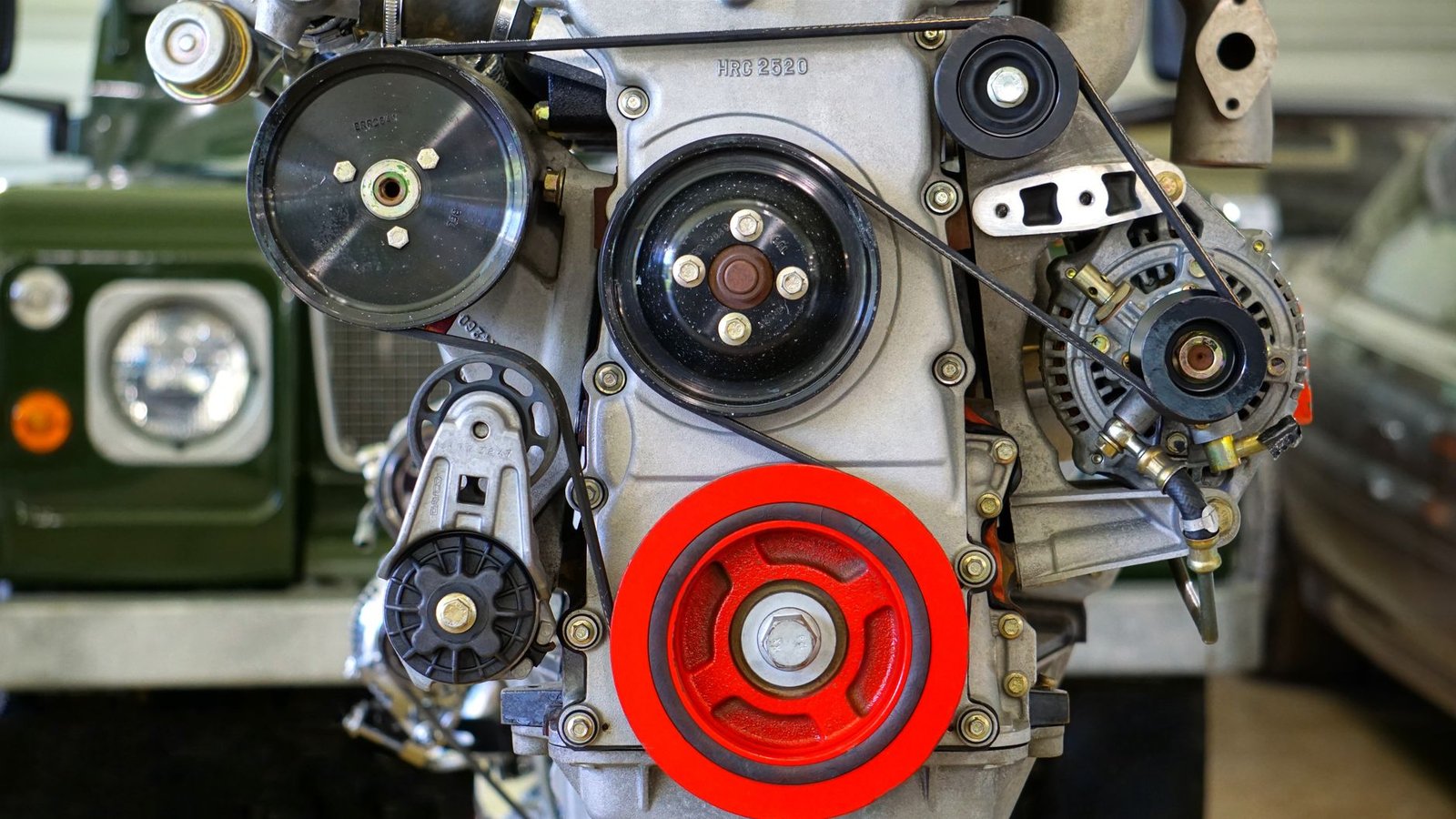
The Summer Prep Checklist
| System | What Heat Does to It | What to Check |
|---|---|---|
| Battery | Speeds up internal chemical reactions, accelerating wear even faster than cold does over time | Load test if the battery is 3+ years old |
| Tires | Pressure rises roughly 1 PSI per 10°F; can add 5+ PSI during a heat wave | Check pressure and look for sidewall cracking |
| Belts & hoses | Rubber becomes brittle and prone to cracking under sustained heat | Inspect for cracking, glazing, or soft spots |
| Coolant system | Directly responsible for preventing overheating; failure here is compounded by heat | Confirm proper coolant level and mix ratio |
| AC system | Works hardest exactly when ambient heat is already stressing the engine bay | Have it checked before, not during, the first heat wave |
Why Heat Is Actually Harder on Batteries Than Cold
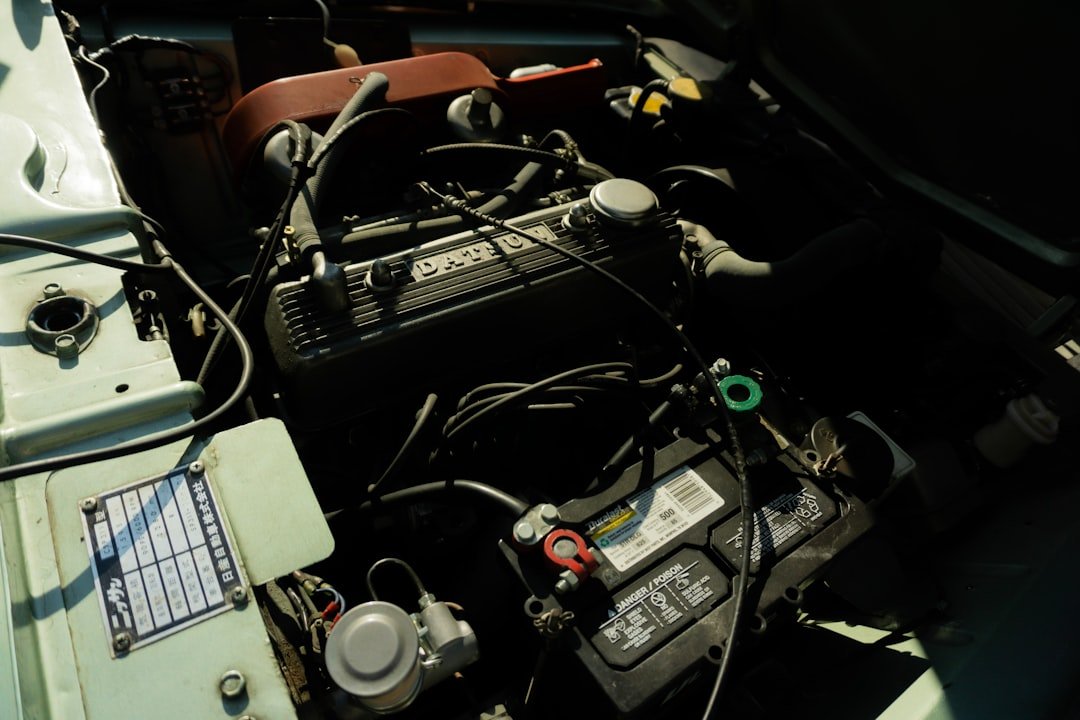
It’s a common misconception that winter is the season that kills batteries. In reality, heat causes more cumulative damage over a battery’s life, since high temperatures speed up the internal chemical reactions that both power the battery and gradually wear it out. A battery that’s already marginal from age or heat-related degradation often doesn’t show symptoms until the cold snap that finally pushes it over the edge months later — which is why a summer check matters even if the failure shows up in winter.
Tire Pressure: Why It Changes and What to Do About It
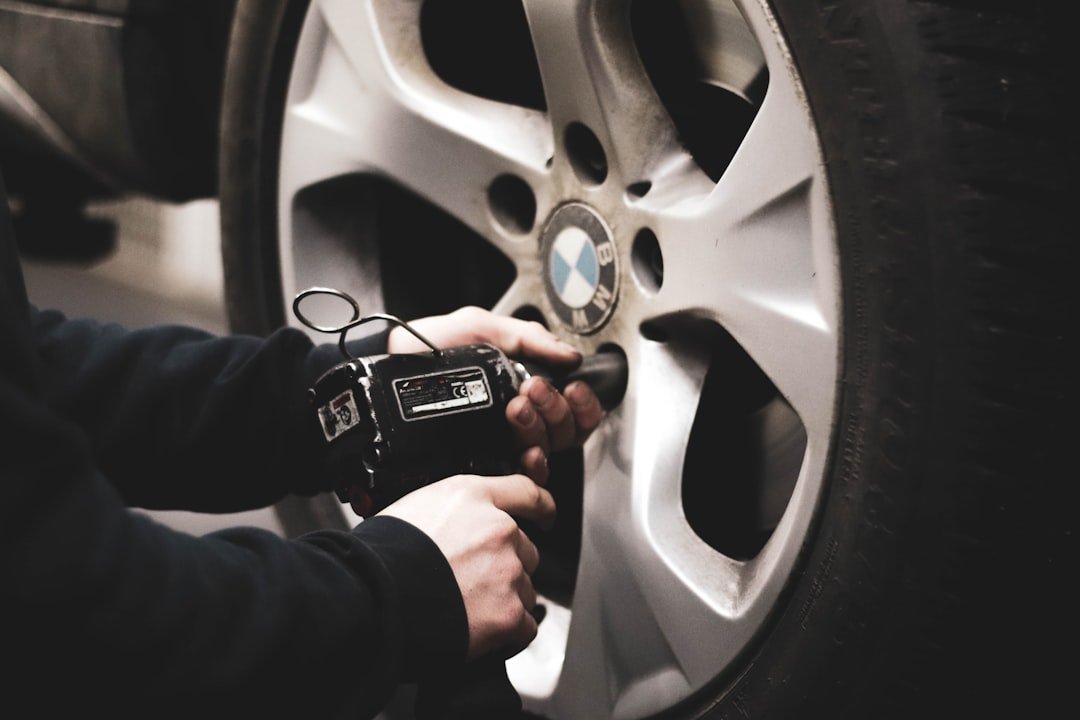
Tire pressure isn’t static; it rises with temperature, roughly 1 PSI for every 10°F increase, which means a tire set correctly on a cool morning can be noticeably overinflated by mid-afternoon on a hot day. Overinflation reduces the tire’s contact patch with the road, affecting grip and causing uneven wear concentrated in the center of the tread. Check pressure when tires are cold (before driving, or after they’ve sat for a few hours) rather than right after a drive, and inspect sidewalls for cracking, which heat accelerates over a tire’s life.
Belts and Hoses: The Quiet Summer Failure
Rubber components under the hood take a beating in sustained heat, becoming brittle and prone to cracking in ways that aren’t always visible until a belt or hose fails outright, sometimes stranding you with no warning. According to AAA, which regularly surveys the causes of summer roadside breakdowns, checking belts and hoses for cracking, glazing, or soft spots before the season’s worst heat is one of the most effective ways to avoid an otherwise-preventable breakdown.
Coolant: Don’t Wait for the Warning Light
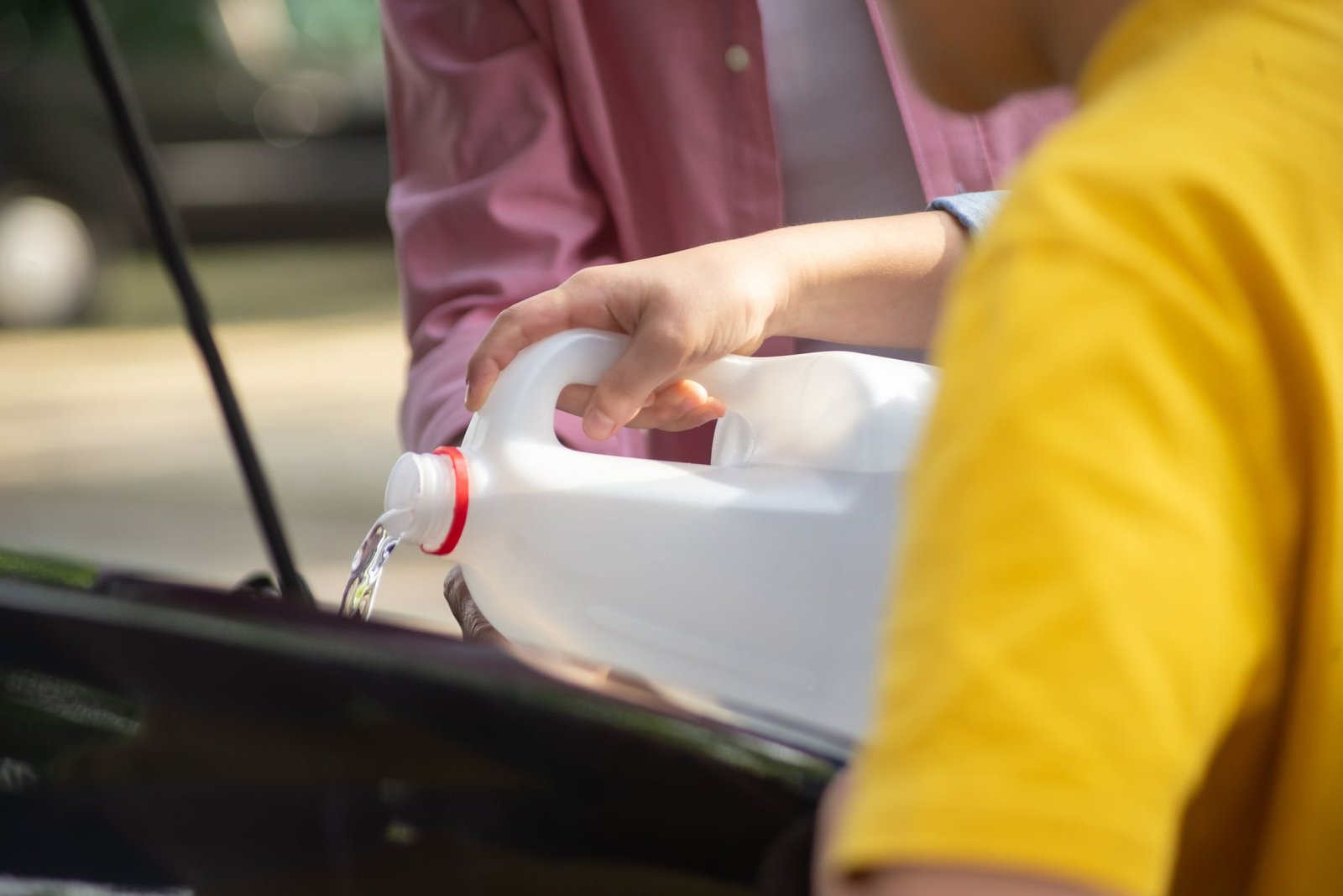
Your cooling system works overtime in summer, since it’s fighting both engine heat and higher ambient temperatures to keep things at a stable operating range. Low coolant, an old or degraded coolant mix, or a marginal water pump that was fine in cooler months can tip into overheating territory once summer temperatures push the whole system closer to its limit. If it’s been more than two years or 30,000 miles since your coolant was last flushed, it’s worth having it checked before, not during, the season’s hottest stretch.
Building a Summer Roadside Kit
Alongside mechanical prep, it’s worth keeping a few things in the car once temperatures climb: extra water (for you, not just the radiator), a phone charger, and a basic tool kit. Heat-related breakdowns tend to happen at the worst possible time — stuck in traffic, away from shade — so having a plan for a wait covers the gap between something failing and getting it fixed.
Typical Costs: Summer Prep Parts
| Part | Typical Used Price | Typical New Price |
|---|---|---|
| Battery (tested, used core) | $40–90 | $120–250 |
| Serpentine belt | $10–25 | $25–60 |
| Radiator hose | $10–20 | $20–50 |
| AC compressor | $80–200 | $300–700+ |

Long Road Trips in the Heat
Summer is also peak road trip season, and a vehicle that’s fine for daily local driving can reveal a marginal part over several hours of sustained highway speed in hot weather. Before a long trip, it’s worth checking fluid levels across the board (oil, coolant, transmission, and brake fluid), confirming tire condition including the spare, and testing the battery if it’s due. A problem that would just be an inconvenience at home can become a much bigger one hours from a shop you know and trust.
Where Englewood Used Auto Parts Fits In
Every part we sell, from batteries to belts to AC components, is inspected and tested before it’s cataloged, and backed by a warranty. Browse our used auto parts inventory or call ahead with your VIN to confirm current availability before the heat sets in.
Not sure how to confirm your VIN before ordering? Our VIN and vehicle compatibility guide covers exactly what to check. If your AC needs attention specifically, our AC compressor buying guide covers diagnosis and refrigerant types in more depth.
Frequently Asked Questions
Does hot weather really damage car batteries?
Yes, and often more than cold weather does over the long run. Heat accelerates the internal chemical reactions that wear out a battery, so summer heat can push an already-marginal battery toward failure even if it doesn’t die until the following winter.
Should I lower my tire pressure in summer?
No, don’t intentionally underinflate. Instead, check pressure regularly against the manufacturer’s recommended cold-tire spec, since pressure naturally rises with ambient and road-surface heat throughout the day.
How do I know if my belts or hoses are at risk of failing?
Look for cracking, a glazed or shiny appearance on belts, and soft or brittle spots on hoses. Any of these signs mean the part should be replaced before it fails on the road.
Why does my AC seem weaker on the hottest days?
The AC system works hardest exactly when ambient heat is already high, so a marginally weak compressor or low refrigerant level that’s barely noticeable in mild weather becomes obvious during a heat wave.
When should I get my car checked for summer?
Before the first sustained heat wave, not during it. A battery load test, belt and hose inspection, and AC check take a fraction of the time and cost of a roadside breakdown or AC failure mid-summer.
How often should I flush my coolant?
A general rule is every two years or 30,000 miles, though this varies by vehicle and coolant type. Check your owner’s manual, and don’t wait for a warning light before addressing an overdue flush.
Wiper Blades and Washer Fluid Matter in Summer Too
Summer brings its own windshield hazards: bug splatter, road grime, and pollen can bake onto glass in the heat, becoming harder to clear with a marginal wiper blade than it would be otherwise. UV exposure also degrades wiper rubber over time, so a blade that streaks in summer sun is often a sign of sun damage rather than just age. Standard washer fluid works fine for summer use, but a bug-and-tar-specific formula can make a real difference on long highway drives during peak insect season.
Do wiper blades wear out faster in summer heat?
Yes. UV exposure degrades wiper rubber over time, and heat accelerates this. A blade that streaks or skips more than usual in summer is often showing sun damage rather than just normal wear.
Not sure which parts your vehicle needs before summer? Contact our parts counter with your year, make, and model, and we’ll help you get ahead of the heat.

Leave a Reply