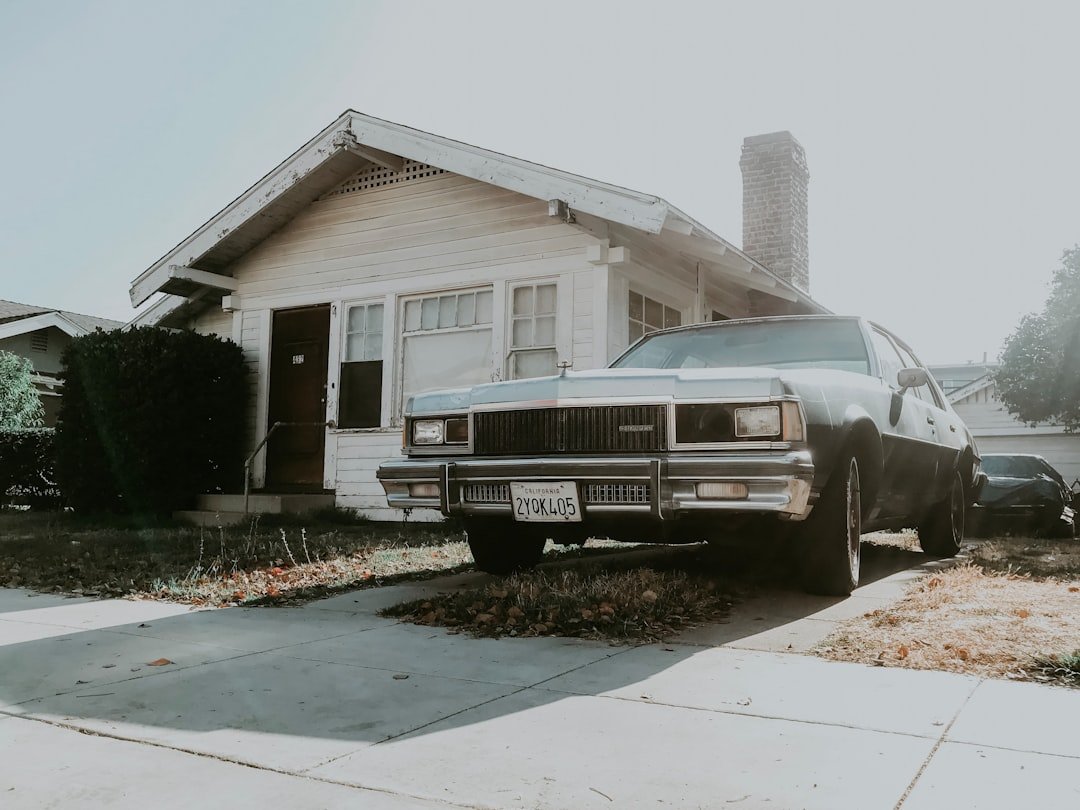
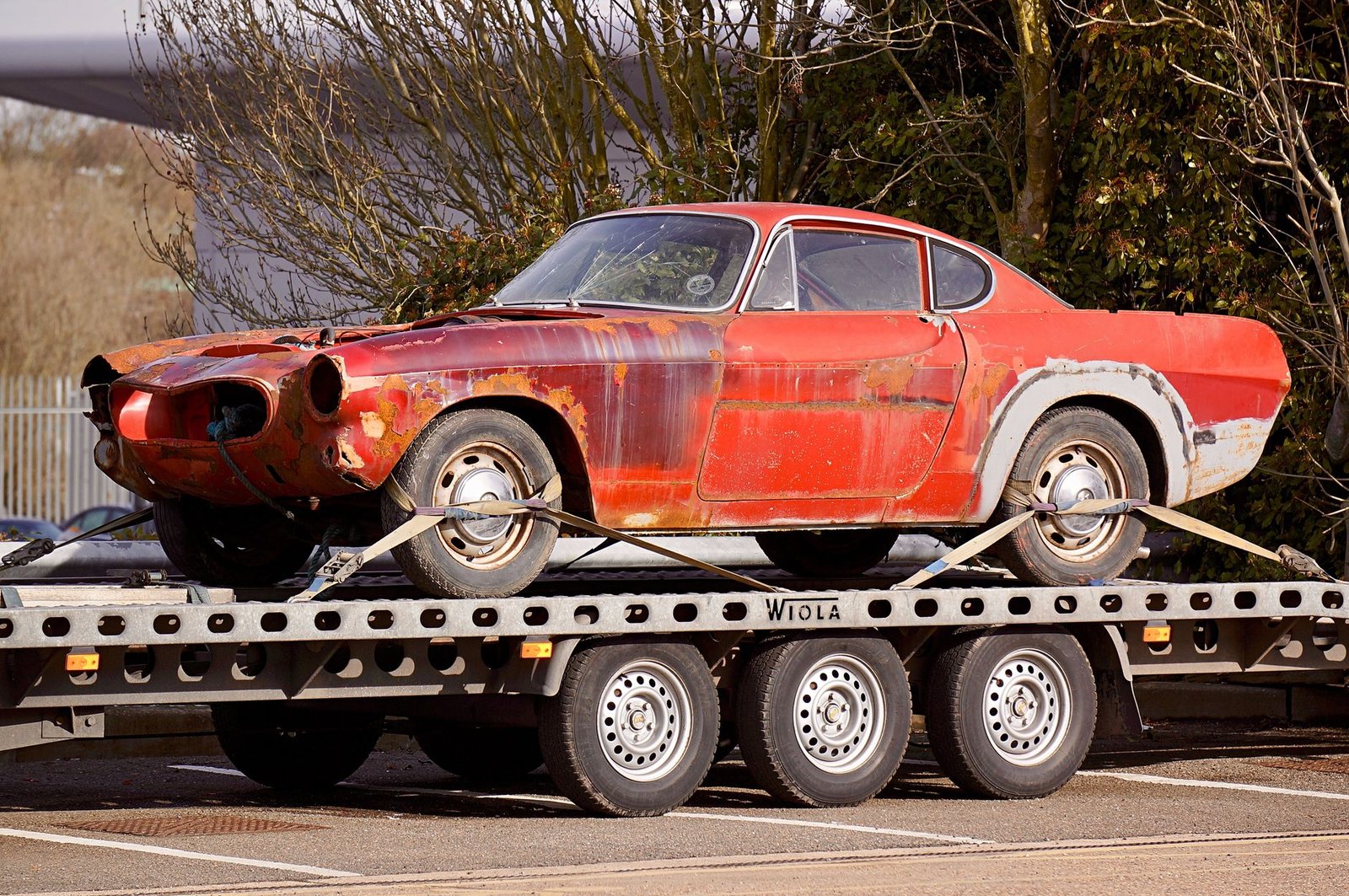
A car that won’t start, has been sitting for a season, or costs more to fix than it’s worth is still worth real money — usually more than people expect once they actually look into it. Knowing what determines that value, and what Illinois requires to sell it legally, makes the difference between a fair deal and leaving money (or a paperwork headache) behind.
This guide covers what determines a junk car’s value, Illinois title requirements, and how to get the most for a vehicle that’s done being driven.
What Determines a Junk Car’s Value
| Factor | Why It Matters |
|---|---|
| Vehicle weight | Heavier vehicles yield more scrap steel, directly increasing base value |
| Running condition | A running vehicle can potentially be resold or parted out, adding value beyond scrap weight |
| Make and model demand | Common models with steady parts demand are worth more than models with limited demand |
| Current scrap metal prices | Steel prices fluctuate with the broader commodities market and shift payouts accordingly |
| Valuable components | An intact catalytic converter, battery, and usable wheels or tires add to the total |
Typical Value Ranges
Complete junk vehicles typically bring $150 to $700 depending on the factors above, with running vehicles in demand-heavy models sometimes exceeding that range, and severely incomplete or damaged vehicles falling below it. Nationwide scrap steel prices generally run in the $100 to $500 per ton range, and a typical passenger vehicle weighs one to one and a half tons, which is the baseline most of that price range is built from before adjusting for the factors that add or subtract value.
Illinois Title Requirements
In most cases, you’ll need the vehicle’s title to sell it, whether to a scrap buyer or a used parts business. If you’ve lost the title, the Illinois Secretary of State can issue a duplicate, available online, by mail, or in person. Some buyers can work with a vehicle that lacks a title under specific circumstances, particularly for older vehicles being sold purely for scrap rather than road use, but this varies by buyer and isn’t something to count on without asking first.

What Happens to the Vehicle After the Sale
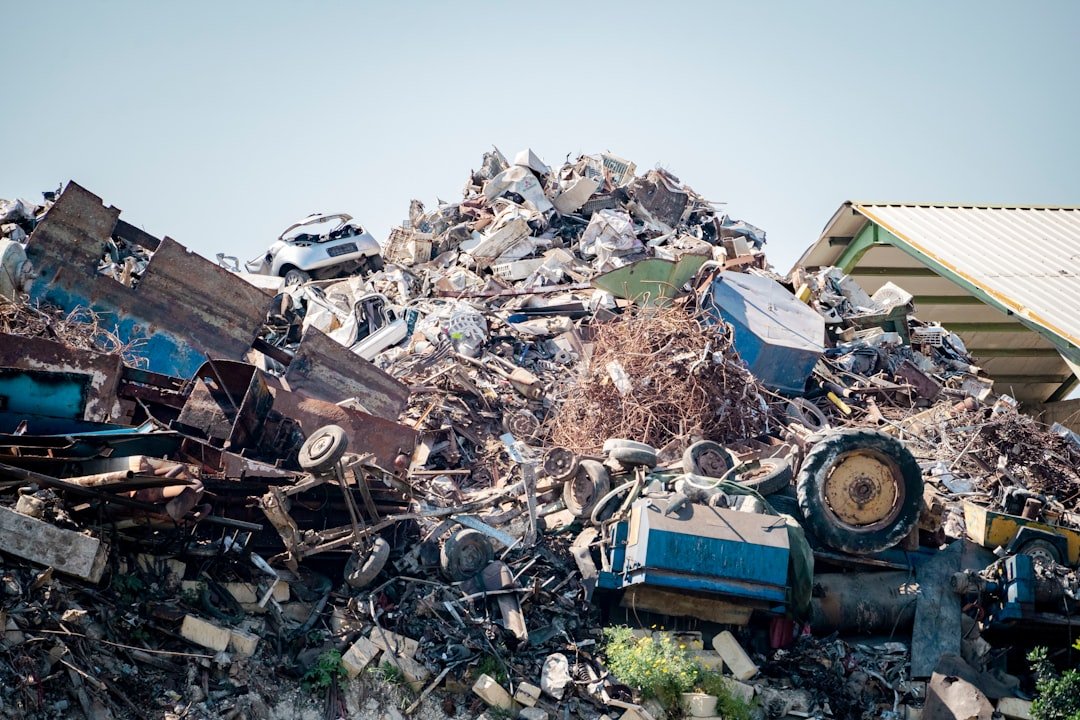
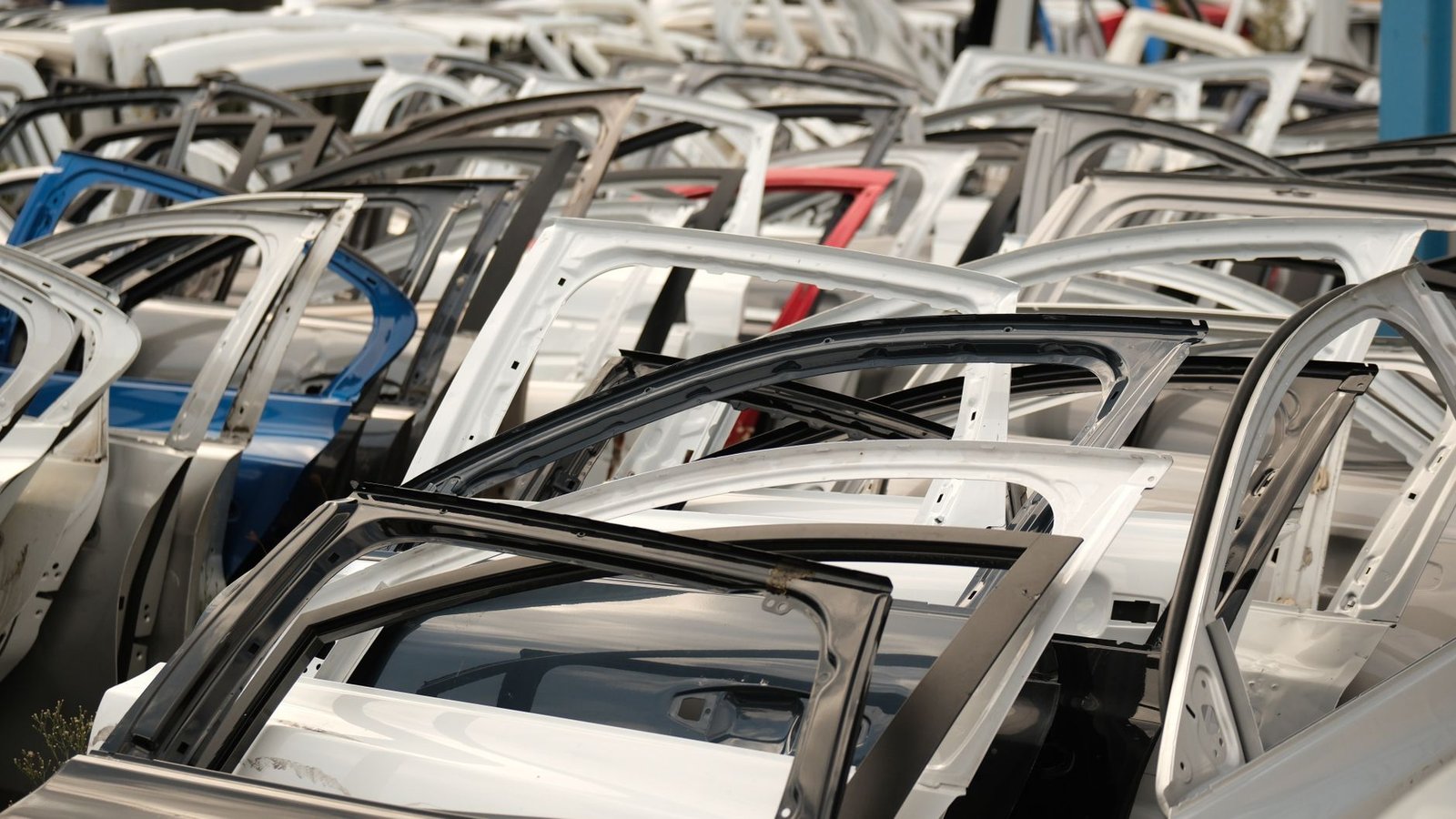
Once sold, a vehicle typically goes one of two directions: straight to a scrap processor to be crushed and shredded for its metal content, or into a used parts inventory where individual components are removed, tested, and cataloged before the remaining shell is scrapped. This is worth understanding because it directly affects what a buyer can offer — a parts-focused buyer has an incentive to pay more for a vehicle with usable components since those parts individually are worth more than their share of the scrap weight, while a pure scrap buyer is working from steel tonnage alone regardless of what still works.
Should You Scrap It or Part It Out?
- If the vehicle runs or has several intact, in-demand components (engine, transmission, working electronics), selling to a used parts buyer often nets more than straight scrap value, since individual parts are worth more separately than the vehicle’s weight in steel.
- If the vehicle is heavily damaged, very old, or missing major components, straight scrap value may be the more realistic and faster option.
- Get quotes from more than one buyer before committing — scrap and parts values both shift with market conditions, and a quick round of calls costs nothing.
- Ask specifically whether the quoted price includes towing, since a lower quote with free pickup can sometimes net more than a higher quote where you’re responsible for transport.
Watch Out For Lowball Tactics
It’s common for a buyer to quote a price over the phone based on your description, then reduce it once the vehicle is inspected in person, citing damage or missing parts that weren’t discussed upfront. A reputable buyer sticks close to their initial quote barring a genuine discrepancy from what you described, and will explain clearly if an adjustment is needed rather than simply presenting a lower number and expecting you to accept it on the spot. If a buyer’s in-person offer is dramatically lower than their phone quote with no clear explanation, it’s worth getting a second opinion before agreeing to the sale.

What to Have Ready
- The vehicle’s title, or a plan to get a duplicate if it’s lost.
- A valid photo ID matching the name on the title.
- The vehicle’s year, make, model, and approximate mileage for an accurate initial quote.
- Any spare keys or documentation, which can occasionally affect the offer.
Where Englewood Used Auto Parts Fits In
We evaluate vehicles for their parts value, not just scrap weight, which often means a better return than a straight scrap buyer for a vehicle with usable, in-demand components. If you have a vehicle you’re ready to part with, contact our parts counter with the year, make, model, and condition, and we’ll walk you through what it’s worth and what we’d need from you.
Curious what happens to a vehicle’s parts after it’s sold? Our junkyard vs. used auto parts store guide and our parts grading guide cover how those components make it back onto the shelf.
Frequently Asked Questions
How much is my junk car worth?
Typically $150 to $700 for a complete vehicle, depending on weight, running condition, make and model demand, current scrap prices, and whether valuable components like the catalytic converter and battery are intact.
Do I need the title to sell a junk car in Illinois?
In most cases, yes. If you’ve lost it, the Illinois Secretary of State can issue a duplicate title online, by mail, or in person. Some buyers may accept certain older vehicles without a title under specific circumstances, but this isn’t guaranteed.
Is it better to scrap my car or sell it for parts?
If the vehicle runs or has several usable components, selling for parts often pays more than scrap value alone, since individual parts are worth more separately than the vehicle’s weight in steel. Heavily damaged or very old vehicles may be better suited to straight scrap.
Does a running car sell for more than a non-running one?
Generally yes. A running vehicle can be resold or parted out for functioning components, which adds value beyond what the vehicle would bring for scrap weight alone.
What should I have ready before selling my junk car?
The title (or a plan to get a duplicate), a valid photo ID matching the title, and the vehicle’s year, make, model, and mileage for an accurate quote.
Why did the buyer’s in-person offer come in lower than the phone quote?
Sometimes this reflects a genuine discrepancy from what was described, but it can also be a lowball tactic. A reputable buyer explains any adjustment clearly rather than just presenting a lower number, and a dramatic unexplained drop is worth getting a second opinion on before you accept.
What If There’s a Lien on the Vehicle?
If you still owe money on the vehicle, the lender technically holds an interest in the title until the loan is paid off, and most buyers won’t complete a purchase until that lien is satisfied and released. If you’re in this situation, contact your lender first to find out the payoff amount and how to obtain a lien release once it’s paid, since trying to sell around an active lien can create legal complications for both you and the buyer.
In some cases, the payoff amount may exceed what the vehicle is actually worth as a junk car, which is worth confirming with your lender before assuming a straightforward sale is possible.
Can I sell a junk car if I still owe money on it?
Only after the lien is satisfied. Contact your lender for the payoff amount and lien release process before attempting to sell, since most buyers won’t complete a purchase with an active lien on the title.
Ready to find out what your vehicle is worth? Contact our parts counter with the details and we’ll give you a straightforward quote.
Leave a Reply