

A cracked side mirror or a window that won’t roll up are two of the most common reasons drivers end up at a salvage yard counter. Both are also two of the more affordable used parts to replace, especially compared to ordering new from a dealer, as long as you know what to check before you buy.
This guide covers common mirror and window regulator failures, what to check before buying a used one, and what fair pricing looks like across the range of features modern vehicles include.
Side Mirrors: What Usually Fails
| Component | Common Symptom | What Causes It |
|---|---|---|
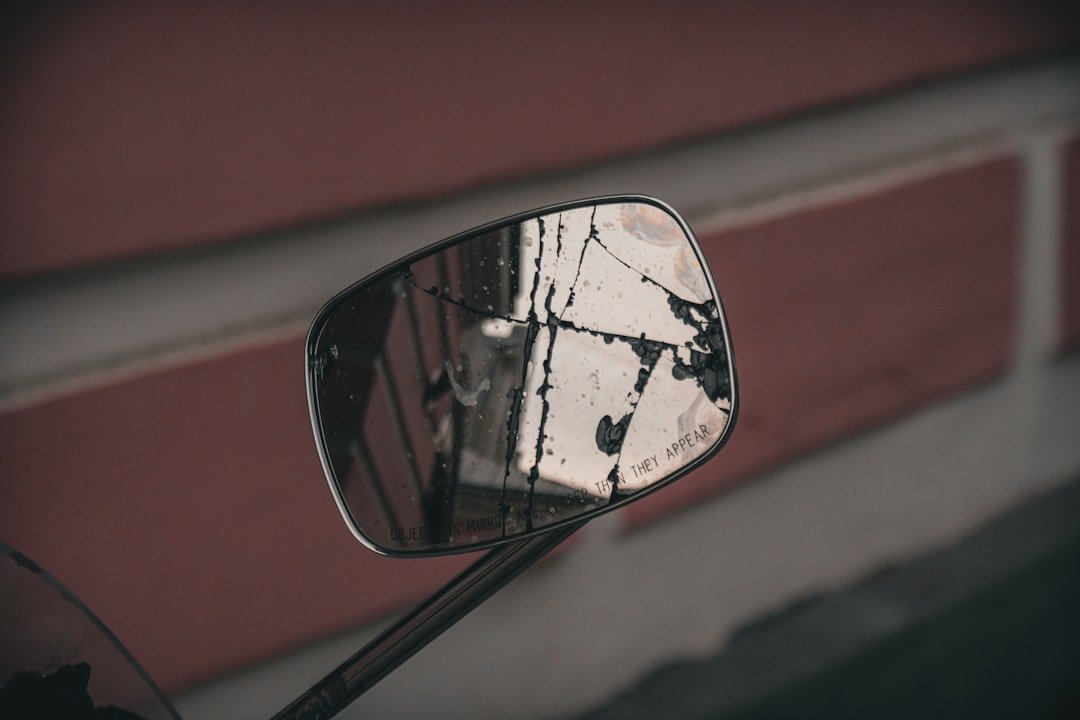
| Mirror glass | Cracked, shattered, or delaminated (silver backing peeling) | Impact damage, road debris, or age-related delamination |
| Mirror motor | Mirror won’t adjust electrically, or adjusts slowly/partially | Worn or failed adjustment motor inside the housing |
| Turn signal indicator (if equipped) | Signal light doesn’t illuminate on one side | Failed LED module or a broken wiring connection |
| Housing/mounting | Mirror is loose, rattles, or won’t stay folded | Cracked mounting bracket, often from an impact |
Window Regulators: What Usually Fails
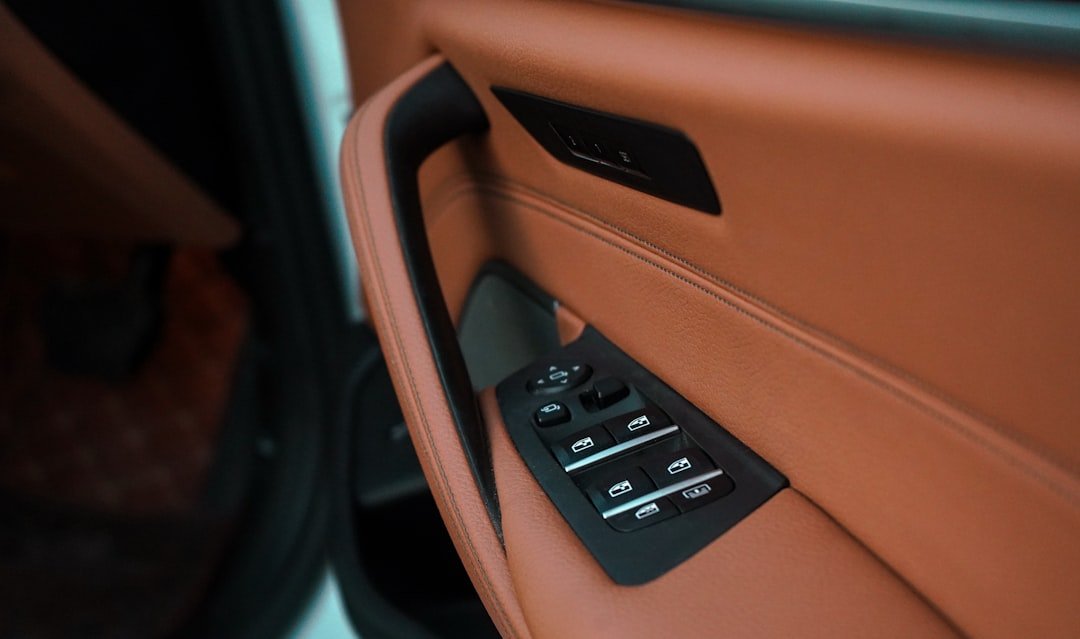
The window regulator is the mechanism inside the door that raises and lowers the glass, typically driven by an electric motor on modern vehicles. When a window stops working, the cause is usually one of three things: a failed motor, a broken regulator mechanism (often a snapped cable or stripped gear), or a failed switch. A window that moves slowly, makes grinding noises, or drops suddenly when you try to raise it is showing classic regulator symptoms rather than a motor problem.
Diagnosing Which Part Actually Failed
Before buying a replacement, it helps to narrow down whether the problem is the motor, the regulator mechanism, or the switch itself. If you can hear the motor humming but the glass doesn’t move, the regulator mechanism itself (the cables, gears, or scissor arm) has likely failed. If you hear nothing at all when you press the switch, the problem is more likely the motor, the switch, or a blown fuse. Testing the switch with a known-good window on the same vehicle, if available, is one of the simplest ways to rule it out before ordering a part.
Heated and Auto-Dimming Mirrors: Extra Features Worth Confirming
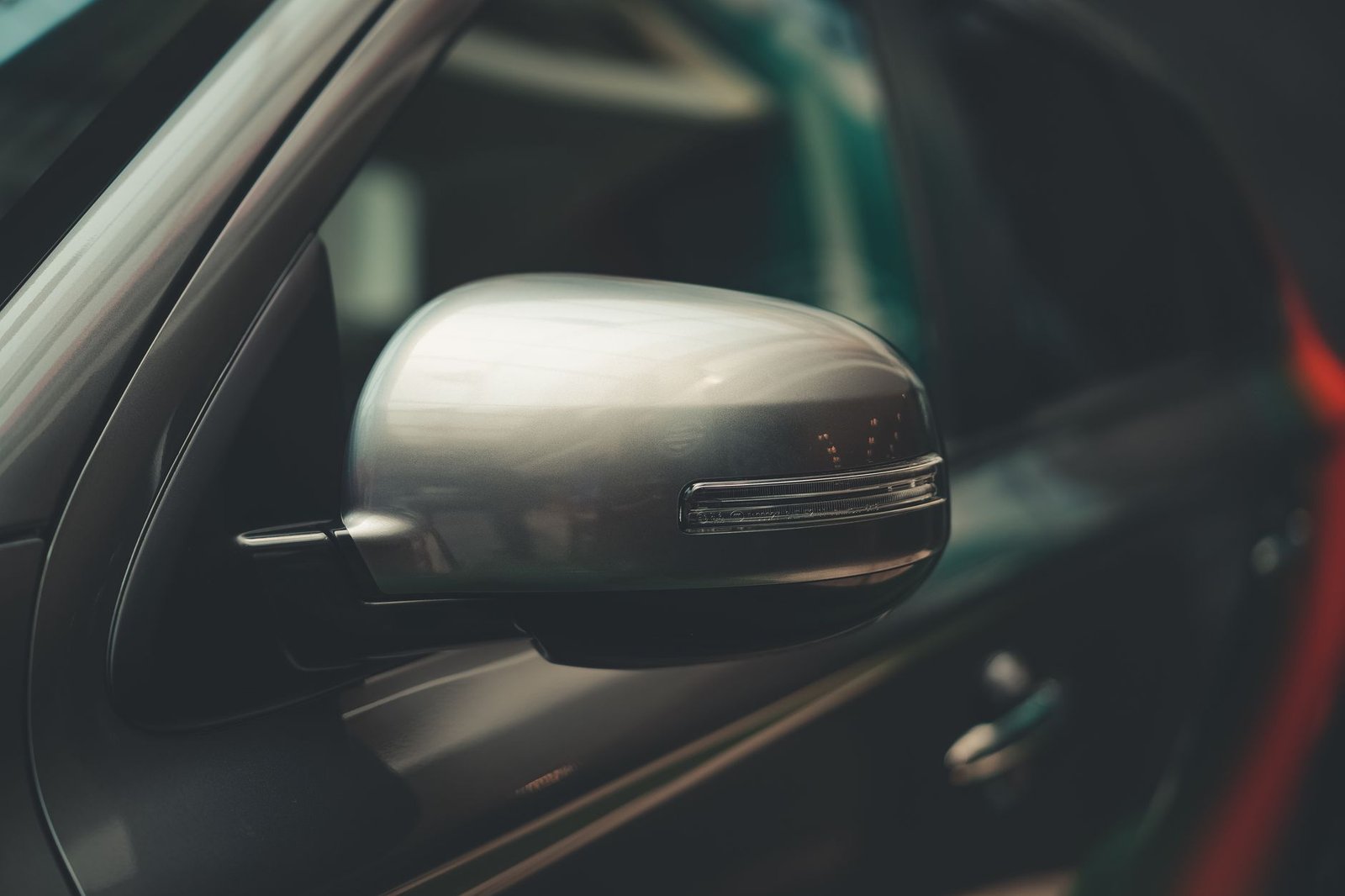
Many mid-tier and higher trims add features to the standard side mirror: heating elements to clear frost and condensation, auto-dimming glass to reduce headlight glare at night, memory positioning tied to a key fob, or blind spot warning indicators built into the housing. Each of these adds wiring and electronics that a base mirror doesn’t have, and none of it is visible from the outside without close inspection or checking the vehicle’s build sheet.
If your vehicle has any of these features, a base mirror pulled from a lower trim will physically bolt on in some cases but won’t have matching functionality, and in other cases won’t be wired correctly at all. Always confirm feature parity with your seller, not just the physical mirror shape, before assuming a used part is a drop-in match.
Why Window Regulators Fail More Often Than You’d Expect
Window regulators see constant mechanical stress every time the window moves, and the cables or gears inside wear gradually long before most drivers notice a problem. Cold weather makes this worse: stiffened grease and any existing wear in the mechanism combine to increase the load on the motor right when a component is already at its weakest, which is part of why regulator failures cluster noticeably in the fall and winter months.
Regularly operating windows fully up and down, even in cold weather, and avoiding forcing a window that feels like it’s sticking can meaningfully extend a regulator’s service life. If a window is already moving slowly or unevenly, it’s worth addressing before it fails completely and leaves the glass stuck down, which creates its own security and weather-sealing problems.
What to Check Before Buying a Used Mirror or Window Regulator
- Confirm the exact side (driver or passenger) and whether your vehicle has power-fold, heated, or turn-signal features, since these all affect part compatibility.
- For a used mirror, check the glass for delamination and confirm the adjustment motor was tested, not just the housing inspected.
- For a used window regulator, ask whether it was tested through a full up-and-down cycle, not just visually inspected.
- Confirm whether your vehicle’s regulator is a cable type or a scissor-arm type, since replacement parts are not interchangeable between the two designs.
Typical Costs: Used vs. New
| Part | Typical Used Price | Typical New/Dealer Price |
|---|---|---|
| Side mirror assembly (manual) | $25–60 | $80–180 |
| Side mirror assembly (power, heated) | $50–120 | $180–400 |
| Window regulator with motor | $40–90 | $150–350 |
| Window switch panel | $20–50 | $60–150 |
Warranty Coverage
Reputable sellers typically offer 30 to 90 days on used mirrors and window regulators. For a power mirror or regulator, ask specifically whether it was tested electrically, not just visually inspected, since a part that looks fine can still have a failed motor.
Where Englewood Used Auto Parts Fits In
We stock used mirrors and window regulators tested for motor function before they’re cataloged by make, model, and side, and backed by a warranty. Because these parts come off donor vehicles with a wide range of trim levels, we can often match your exact feature set, heated, auto-dimming, or otherwise, rather than settling for a base part that doesn’t quite fit your needs. Browse our used auto parts inventory or call ahead with your VIN to confirm current availability.
Not sure how to confirm your VIN before ordering? Our VIN and vehicle compatibility guide covers exactly what to check, including confirming the exact side and feature set for parts like these, so you don’t end up with a part that fits physically but doesn’t match your trim’s electronics. A mismatched switch pattern or connector is one of the most common reasons an otherwise correct part doesn’t work right away. Window regulators are a particularly well-known wear item on Volkswagen models; our Volkswagen parts guide covers what tends to fail and why.
Frequently Asked Questions
How do I know if my window regulator or motor failed?
If you can hear the motor humming but the glass doesn’t move, the regulator mechanism has likely failed. If you hear nothing when you press the switch, the problem is more likely the motor, the switch, or a blown fuse.
Can I just replace the mirror glass instead of the whole mirror?
On some vehicles, yes, the glass alone can be replaced if the housing and motor are otherwise fine. On others, the glass is bonded or integrated in a way that makes replacing the full assembly more practical.
How do I know if a used mirror or window regulator will fit my vehicle?
Confirm the exact side and feature set (heated, power-fold, turn signal), since these vary even within the same model year. Cross-reference your VIN against the seller’s inventory.
Do used mirrors and window regulators come with a warranty?
Reputable sellers typically offer 30 to 90 days. For power components, ask whether the part was tested electrically, not just visually inspected.
Are all window regulators the same design?
No. Some use a cable-driven mechanism and others use a scissor-arm design, and the two are not interchangeable. Confirm which type your vehicle uses before ordering.
Not sure which mirror or regulator fits your vehicle? Contact our parts counter with your year, make, model, and side, and we’ll confirm availability and condition before you buy.

Leave a Reply