
If you’ve ever bought a battery, alternator, or starter and noticed an extra charge on the receipt labeled “core charge,” you’re not being upsold; it’s a refundable deposit built into how the rebuilt parts industry works. Understanding it can save you real money on your next purchase.
This guide covers what a core charge actually is, how to get it refunded, why the system exists in the first place, and how it differs from the warranty on the part you’re actually buying.
What a Core Charge Actually Is
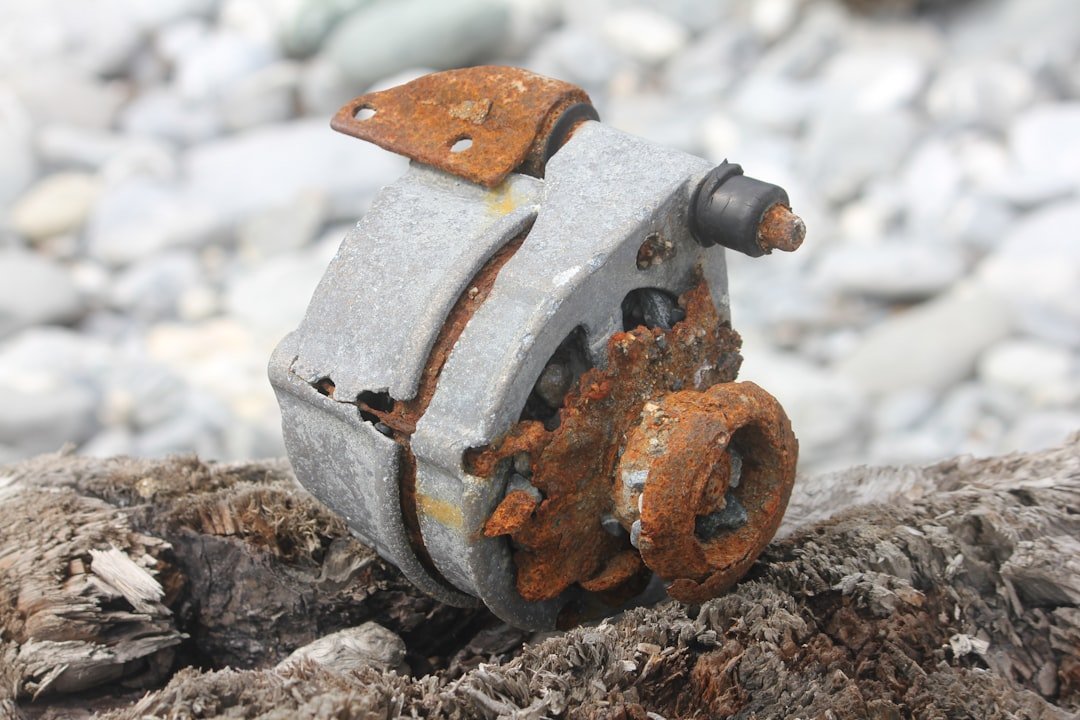
A core charge is a refundable deposit added to the price of certain rebuilt or remanufactured parts, most commonly batteries, alternators, starters, brake calipers, and some engine or transmission components. The “core” refers to your old part: when you buy a rebuilt replacement, the seller expects you to return your worn-out original in exchange for getting the deposit back. If you don’t return a core, you simply keep paying the deposit, which is baked into the total price.

Why the System Exists
| Reason | Explanation |
|---|---|
| Remanufacturing depends on cores | Rebuilders need a steady supply of old units to disassemble, clean, and rebuild into “new” remanufactured parts |
| Encourages proper recycling | Without a deposit, many old parts would end up in landfills instead of being rebuilt or scrapped for metal |
| Keeps remanufactured parts affordable | A steady core supply keeps rebuilding costs down, which keeps remanufactured part prices competitive with new |
This is also why core charges tend to be higher on parts that are harder to source in good rebuildable condition, and lower on parts that turn over quickly at auto parts stores. A rebuilder that can’t get enough cores of a given part eventually has to raise prices on the remanufactured version across the board, so the deposit system is really just a way of keeping that supply chain funded by the people actually buying the parts.
How to Get Your Core Charge Refunded
- Keep your original receipt, since most sellers require it to process a core refund.
- Return the old part in roughly the same condition it was in when removed, not further disassembled or missing pieces.
- Ask about the return window; most sellers give you 30 to 90 days, but it varies.
- If you didn’t keep your old part because it was scrapped or discarded before you knew about the charge, ask whether the seller has any alternative, some will accept an equivalent core from another source.
Core Charge vs. Warranty: Two Separate Things
It’s easy to confuse a core charge with a warranty deposit, but they’re entirely different concepts. A core charge is refunded when you return your old part, regardless of whether the new part works correctly. A warranty, on the other hand, covers you if the replacement part itself fails within a specified period, and has nothing to do with what you do with your old part. You can get your core charge back and still have warranty coverage on the new part; the two aren’t related to each other, and losing one doesn’t affect the other.
This distinction matters when you’re comparing prices between sellers, since a lower advertised price that doesn’t mention a core charge can actually be more expensive once the deposit is added at checkout. Always ask whether the price you’re quoted includes a core charge before comparing it to another seller’s price.
How Core Charges Are Calculated
There’s no universal formula for how much a core charge costs, but sellers generally price it based on the part’s rebuild value, how in-demand that particular core is for remanufacturing, and how expensive the raw materials inside it are. A starter with a common electric motor design that’s easy to rebuild might carry a smaller core charge than an alternator with a less common internal regulator design that’s harder to source used.
Because of this variability, it’s worth asking upfront exactly what the core charge is on any given part, rather than assuming it will match what you paid on a similar part in the past, even from the same seller.
What Happens If You Don’t Return the Core
If you don’t return your old part, you simply forfeit the deposit, and the seller keeps it as part of the sale price. This isn’t a penalty; it’s the cost of the seller sourcing a replacement core from elsewhere, since your old part was the one they were counting on to rebuild into the next unit. There’s no separate fee beyond the deposit itself, and no further consequence.
Some shops will let you bring in a different old core of the same part type, even from a different vehicle, to satisfy the return requirement if you no longer have your original. This isn’t guaranteed across every seller, but it’s worth asking about if you’re in that situation, since it can still get you the refund even without your exact original part.

Typical Core Charge Amounts
Exact amounts vary by brand, part condition, and seller, but the table below gives a rough sense of what to expect on some of the most common core-charged parts. Treat these as ballpark figures rather than quotes; always confirm the exact deposit at checkout before you buy.
| Part Type | Typical Core Charge |
|---|---|
| Car battery | $10–25 |
| Alternator | $20–50 |
| Starter | $15–40 |
| Brake caliper (each) | $15–35 |
Where Englewood Used Auto Parts Fits In
Since we sell inspected, tested used parts directly rather than remanufactured units, most of what we sell doesn’t carry a core charge the way a rebuilt part from a chain auto parts store would. If you do have an old core sitting around, we’re often happy to take it off your hands as scrap, so it doesn’t just sit in your garage. Browse our used auto parts inventory or call ahead with your VIN to confirm current availability.
If you’re weighing a rebuilt part with a core charge against a used part sourced directly from a donor vehicle, it’s worth comparing the total out-the-door cost of each, including the deposit, rather than just the sticker price. In many cases, a tested used part ends up being both simpler and more affordable once the core charge math is factored in.
Our grading and warranty guide covers the difference between a used part and a remanufactured one, if you’re weighing your options.

Frequently Asked Questions
What is a core charge?
It’s a refundable deposit added to the price of certain rebuilt or remanufactured parts, expecting you to return your old part in exchange for the deposit back once you’ve installed the replacement.
How do I get my core charge back?
Return your old part, along with your original receipt, within the seller’s return window, typically 30 to 90 days. The part should be in roughly the same condition it was in when removed.
What if I already threw away my old part?
Ask the seller if they have any alternative, some will accept an equivalent core from another source, though this isn’t guaranteed and varies by seller.
Is there a penalty for not returning a core?
No, you simply forfeit the refundable deposit. There’s no additional fee beyond losing that deposit.
Do used parts from a salvage yard have core charges?
Typically not, since core charges apply to remanufactured parts specifically. Used parts sold directly, like most of what we carry, generally don’t involve this system.
Have questions about a core charge on a recent purchase, or want to know if a part you’re buying carries one? Contact our parts counter and we’ll walk you through it.


Leave a Reply