

Chicago goes from warm afternoons to frost on the windshield in a matter of weeks, and your car feels every bit of that transition. A few checks in October save a lot of headaches in January, when a small problem you could have caught in the driveway turns into a tow truck call on the Kennedy.
This checklist covers the parts most likely to fail as temperatures drop, what to inspect yourself, and when it’s worth having a shop take a closer look before the first hard freeze.
Tires: Check Tread and Pressure
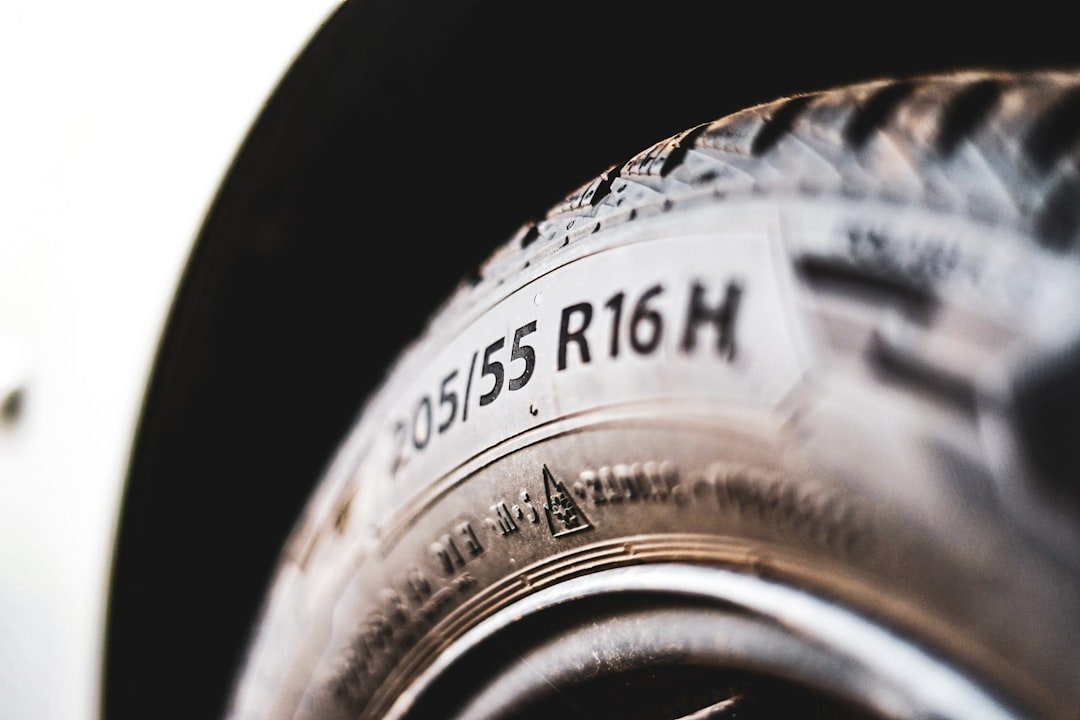
Cold air is denser than warm air, which means tire pressure drops as the temperature does, roughly 1 PSI for every 10-degree drop. A tire that was properly inflated in September can be noticeably underinflated by November without a single leak. Check all four tires, plus the spare, and top off to the pressure listed on the driver’s door jamb sticker, not the number printed on the tire’s sidewall.
While you’re at it, check tread depth. The quarter test works well: insert a quarter upside down into the tread groove, and if you can see all of Washington’s head, it’s time to start shopping for replacements before wet autumn leaves and early ice make thin tread a real safety issue.
Wiper Blades: Replace Before the Rain Gets Serious
Summer sun dries out and cracks rubber wiper blades faster than most drivers realize, and fall’s mix of rain, road spray, and early frost is exactly when you need them working perfectly. If your wipers streak, skip, or chatter across the glass, replace them now rather than waiting for the first sleet storm to remind you.
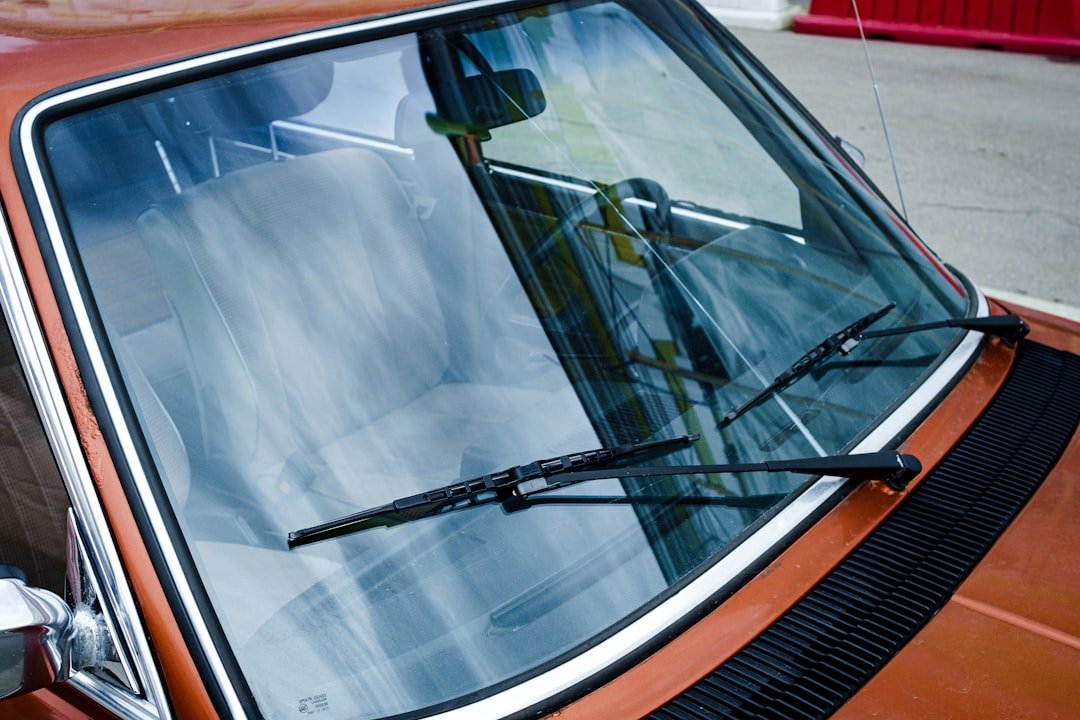
Blades typically last six months to a year depending on exposure, and they’re one of the cheapest, easiest DIY replacements on the entire car, no tools required on most vehicles.
Battery: Cold Is What Kills It
| Symptom | What It Suggests |
|---|---|
| Slow crank in the morning | Battery is weakening and struggling in cooler temps |
| Dashboard lights dim when starting | Battery or connections may not be delivering full current |
| Battery is 3+ years old | Approaching typical end-of-life; test proactively before it fails |
| Corrosion visible on terminals | Poor connection can mimic a dying battery even if the battery itself is fine |
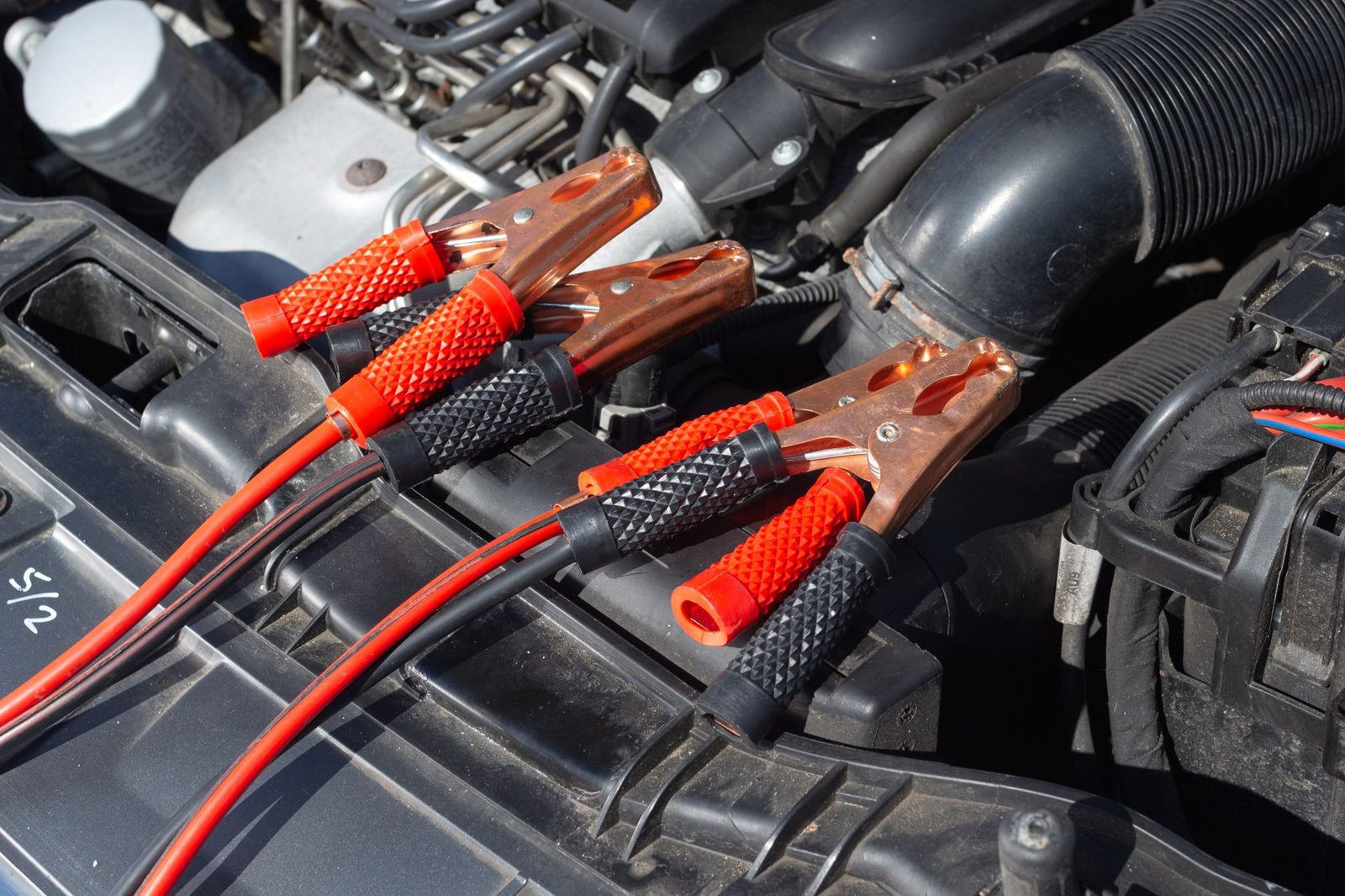
A battery that’s been quietly weakening all summer often doesn’t show it until the first genuinely cold morning asks it to work harder to turn the engine over. Most auto parts stores will test a battery for free, and it’s worth doing before the temperature drops rather than after you’re already stranded.
Headlights and Bulbs: Days Get Shorter Fast
Fall brings earlier sunsets, and that means more of your daily drive happens in low light or full dark. Check that both headlights, both taillights, and your brake lights are working, and look at the headlight lenses themselves. Cloudy, yellowed plastic lenses can cut your effective light output significantly even with good bulbs behind them.

If a lens is badly oxidized, a used headlight assembly is often more cost-effective than a full lens restoration kit, especially if the assembly’s mounting tabs or wiring have also degraded with age.
Coolant and Heater: Test Before You Need It
You won’t notice a weak heater core or low coolant level until the first cold morning when you actually need heat and defrost working together to see clearly. Check coolant level in the reservoir when the engine is cold, and if it’s been more than two years since a flush, fall is a reasonable time to have it done, since a failing heater core or thermostat is far more annoying to diagnose once it’s actually freezing outside.
Clear Leaves From the Cowl and Drains
Wet leaves collect at the base of the windshield, in the cowl area under the wiper blades, and this spot is easy to forget about entirely. A clogged cowl blocks the drain channels that route rainwater away from the cabin, and over a wet fall, that trapped water can back up into the HVAC system or even leak into the interior.
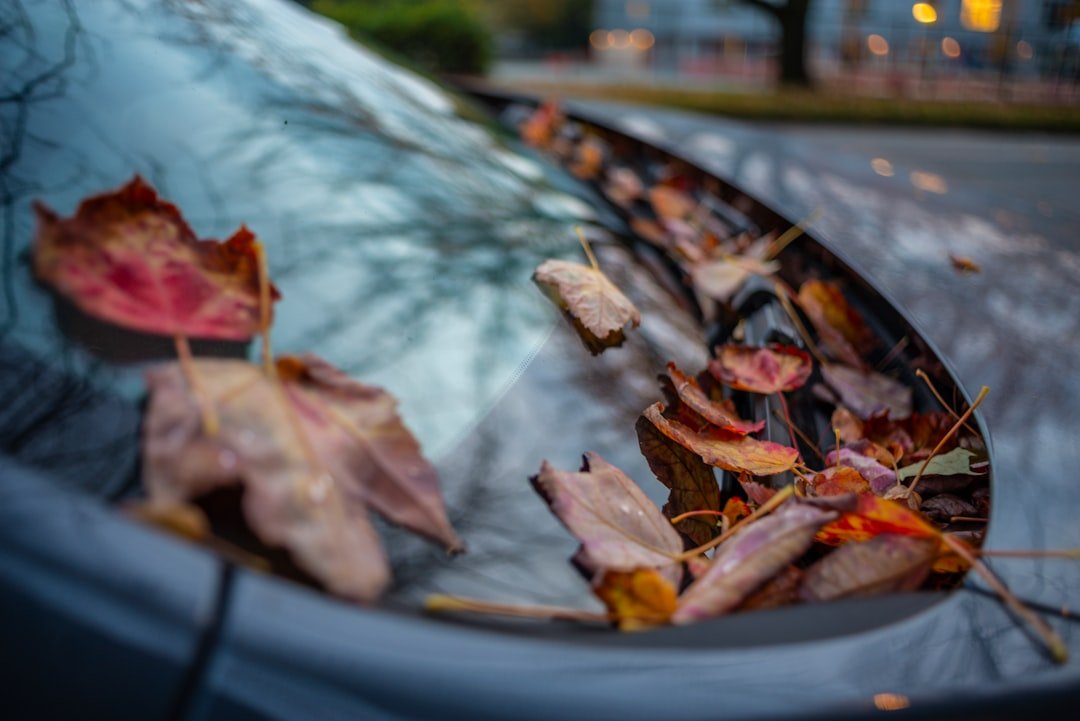
Clearing it out takes a couple of minutes with the hood open and no tools at all, and it’s worth doing every few weeks once the leaves start coming down in earnest.
Brakes: Wet Roads Expose Weak Pads
Fall rain makes stopping distances longer even with good brakes, and pads that were borderline all summer become a real problem once wet leaves and rain are added to the mix. Listen for squealing or grinding, and if you feel any pulsing through the pedal when braking, have the brakes inspected before the weather gets worse rather than after.
Wet leaves on the road surface behave a lot like ice in terms of reduced traction, especially on shaded streets where they never fully dry out. Combined with shorter days and more driving in low light, fall is a season where marginal brakes tend to get exposed rather quietly, right up until the moment they don’t stop the car in time.
Exhaust and Undercarriage: Listen for Changes
Colder mornings make a failing exhaust component more noticeable, since a louder-than-usual engine note tends to stand out more against a quiet, cold start than it does in the middle of a warm summer afternoon. If you notice a new rattle, a hiss, or a change in engine sound after the car has been sitting overnight, it’s worth having the exhaust system and its mounting hardware checked before winter road salt starts accelerating any existing corrosion.
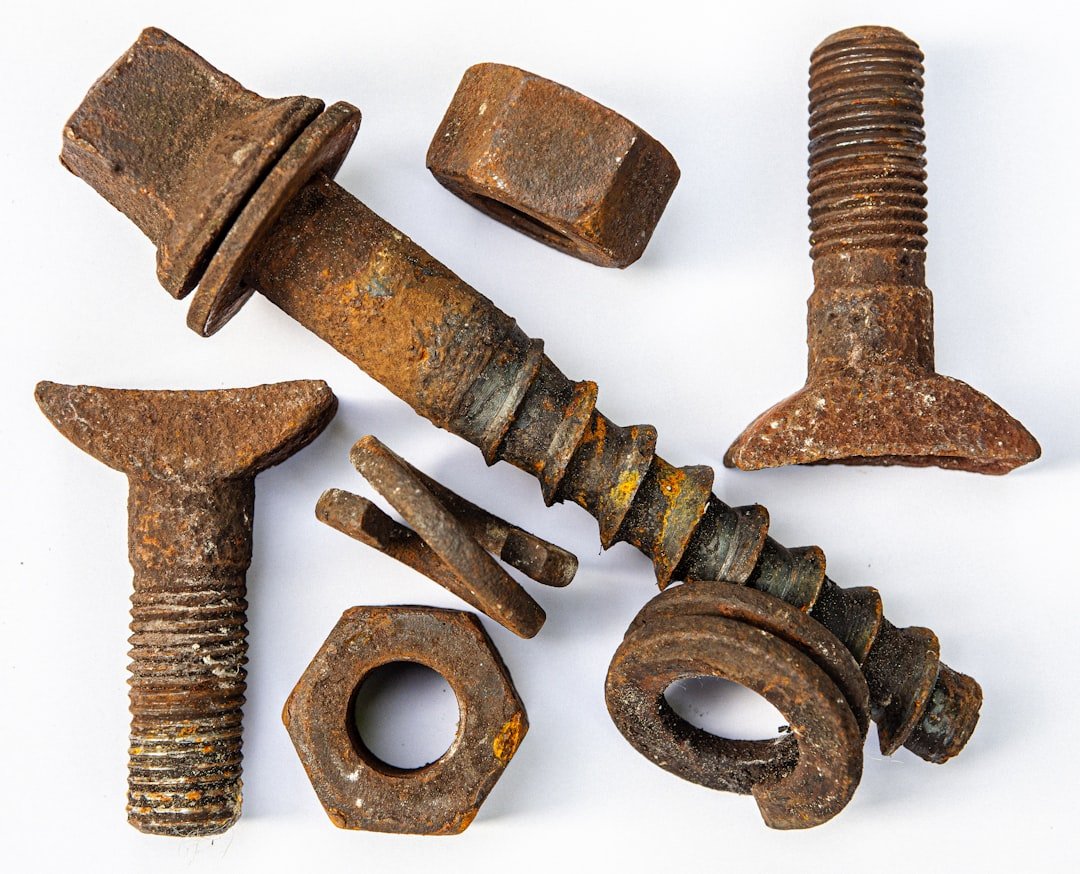
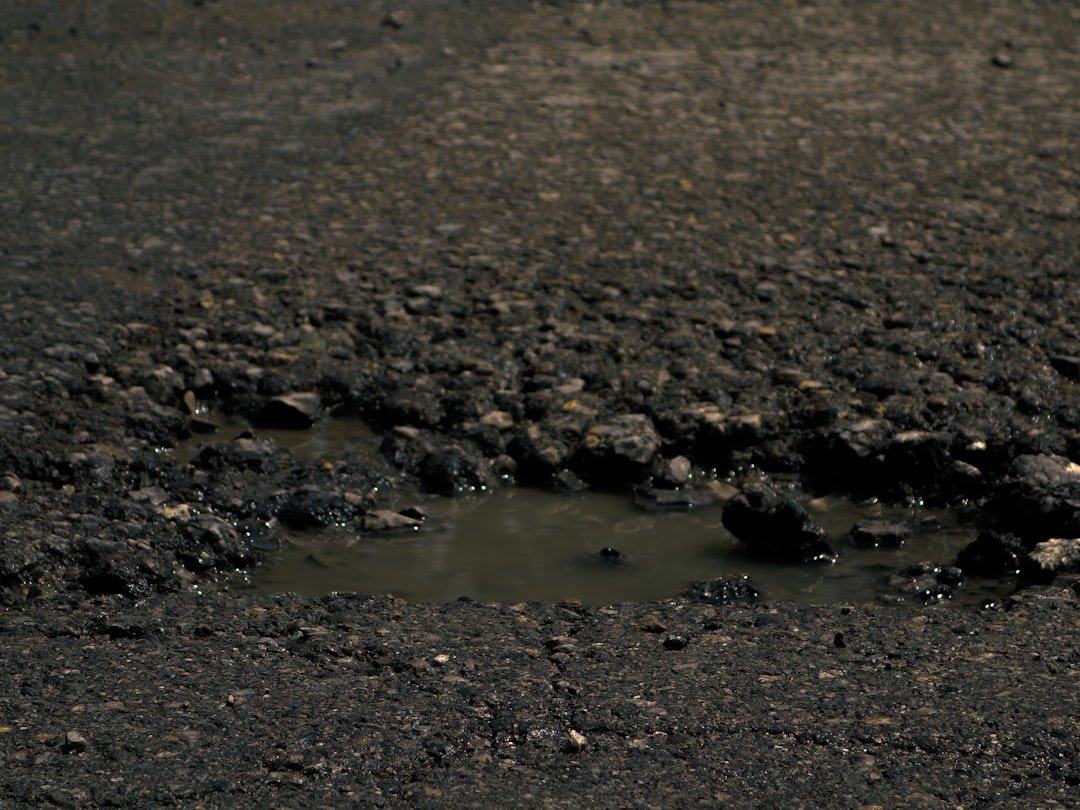
This is also a reasonable time to glance underneath the car for anything hanging loose, since a summer of potholes and gravel roads can work bolts and clips loose well before you’d notice a functional problem.
Where Englewood Used Auto Parts Fits In
If any of these checks turn up a part that needs replacing, whether it’s a headlight assembly, a battery, or something further down the list, we stock tested used parts for a wide range of makes and models. Browse our used auto parts inventory or call ahead with your VIN to confirm current availability.
Our winter car prep checklist picks up where this one leaves off, covering what to check once the temperature drops from cool to genuinely cold. And if you’re not sure how to confirm a part fits your vehicle, our VIN and vehicle compatibility guide walks through exactly what to check.
Frequently Asked Questions
How much does tire pressure really drop in the fall?
Roughly 1 PSI for every 10-degree drop in outside temperature. A 30-degree swing from a warm September afternoon to a cool October morning can leave tires 3 PSI or more below where they started.
How do I know if my car battery is dying?
A slow crank when starting, dimming dashboard lights, or a battery that’s over three years old are all signs worth acting on. Most auto parts stores will test a battery for free.
When should I replace my wiper blades?
Every six months to a year is typical, sooner if you notice streaking, skipping, or chattering across the glass. Fall’s mix of rain and early frost makes worn blades especially noticeable.
Why does the cowl area under my windshield matter?
It houses the drain channels that route rainwater away from the cabin. When it’s clogged with wet leaves, water can back up into the HVAC system or leak into the interior.
Is it worth flushing coolant every fall?
Not necessarily every year, but if it’s been more than two years since your last flush, fall is a good time to do it before you’re relying on the heater and defrost together in genuinely cold weather.
Have a fall car care question, or need a part before the weather turns? Contact our parts counter and we’ll help you track it down.
Leave a Reply