
Chicago winters mean road salt, and road salt means rust. Whether you’re buying a used part or evaluating a used car, corrosion is one of the biggest factors separating a good deal from an expensive mistake, and it’s not always obvious from a quick glance.
This guide covers where rust actually starts, how to tell surface rust from structural rust, and what to check before buying any used part or vehicle in a salt-belt region like ours.
Surface Rust vs. Structural Rust
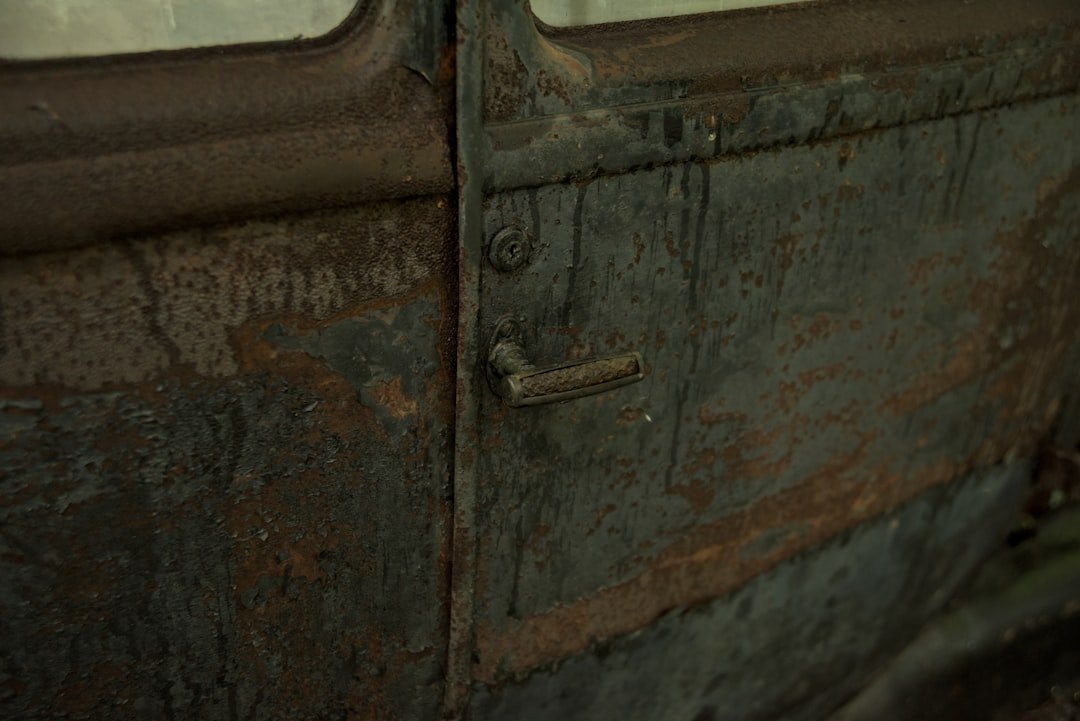
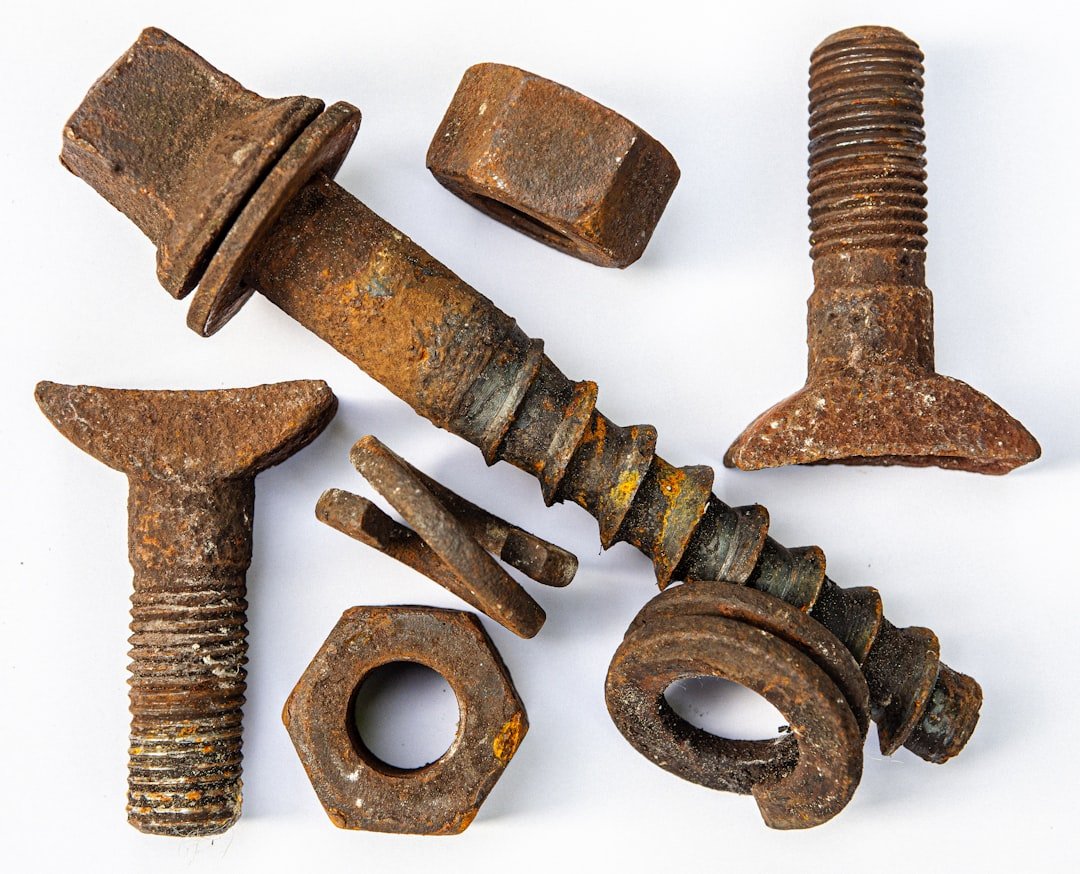
Not all rust is equal, and knowing the difference matters more than knowing rust exists at all. Surface rust sits on top of the paint or bare metal and hasn’t eaten through the material yet; it’s cosmetic, and in many cases it can be treated, primed, and painted over without any loss of strength. Structural rust has actually eaten through metal thickness, weakening the part or panel and, in the worst cases, creating actual holes.
| Type | Appearance | Concern Level |
|---|---|---|
| Surface rust | Orange discoloration, flaking paint, no holes | Low; cosmetic issue, treatable |
| Scale rust | Rough, pitted surface, paint fully gone | Moderate; monitor and treat before it progresses |
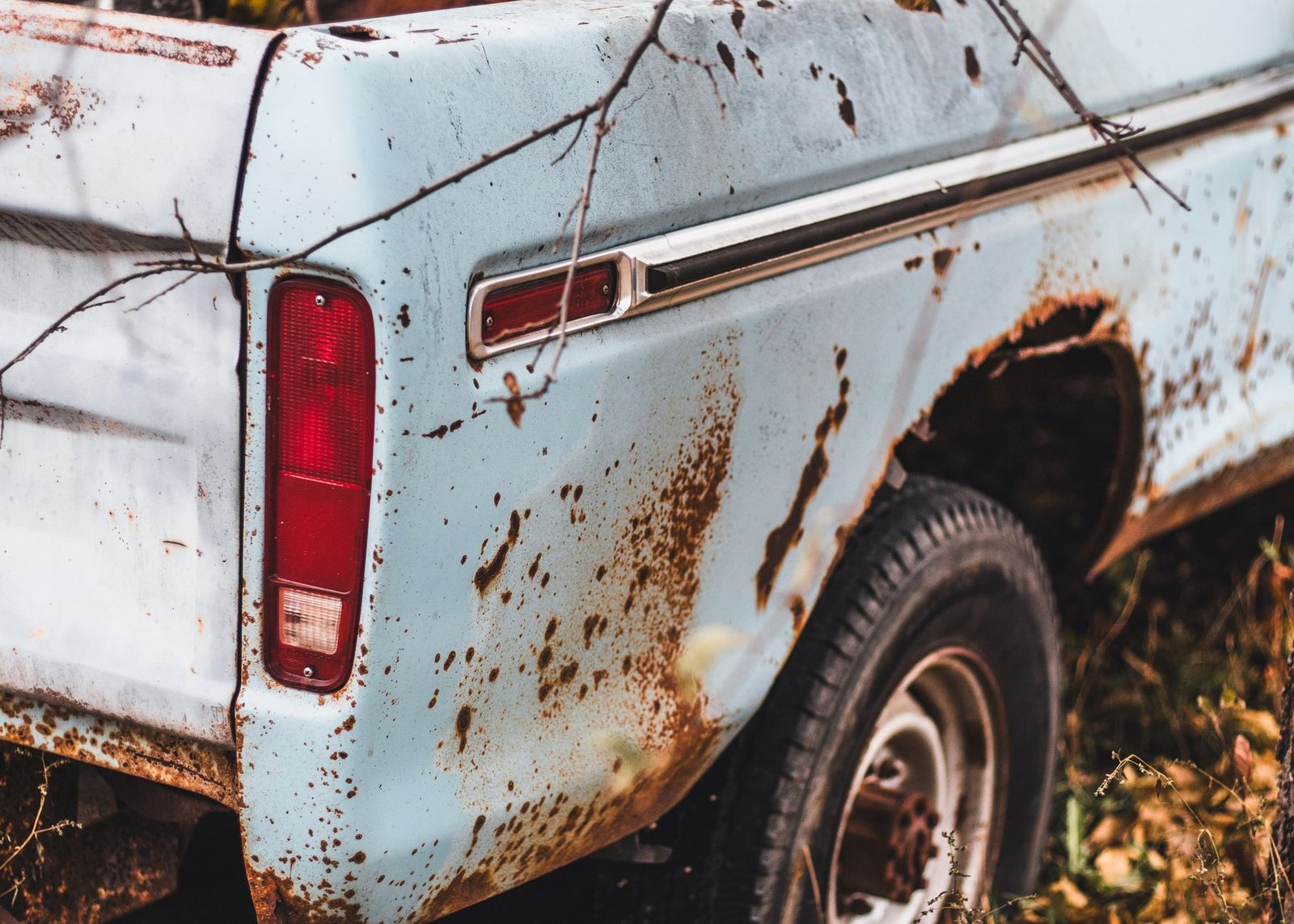
| Perforation rust | Visible holes, crumbling edges | High; structural integrity is compromised |
Where Rust Starts on a Vehicle
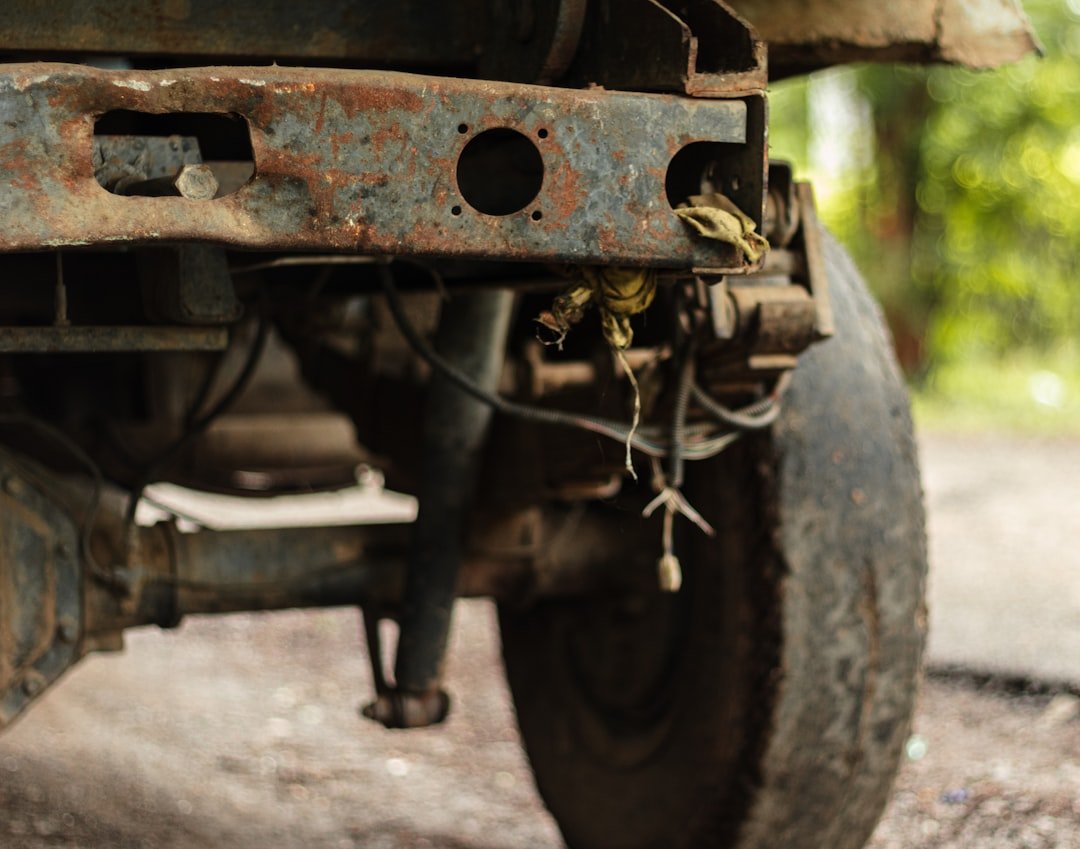
Rust doesn’t spread evenly. It concentrates in specific spots where moisture, salt, and road debris collect and stay wet longest: wheel wells, rocker panels, the underside of doors, frame rails, and the floor pan beneath the carpet. These are the areas worth checking first on any used vehicle, since they’re also the areas manufacturers are most likely to have under-protected from the factory.

Wheel wells take the worst of it, since they’re constantly sprayed with salt water and road grime kicked up by the tires, and that spray settles into every seam and crevice.
Checking a Used Vehicle for Rust
- Look inside all four wheel wells, not just what’s visible from the side, since rust often starts on the inner liner before it’s visible on the outer fender.
- Check rocker panels by pressing firmly along the bottom edge below the doors; soft or spongy spots indicate rust has eaten through from the inside.
- Lift the floor mats and carpet edges to check the floor pan, especially near the door sills where water tends to pool.
- Get the vehicle on a lift if at all possible and inspect the frame rails and subframe directly, since this is where structural rust does the most damage and is hardest to see from ground level.
Rust on Used Parts: What to Check Before You Buy
When you’re buying a used part rather than a whole vehicle, the same principles apply but the inspection is more focused. Surface rust on a bracket or a suspension arm is usually fine; the part still does its job. But rust on load-bearing areas, mounting points, or threaded holes is a different story, since corrosion there can mean a bolt won’t torque properly or a mount will fail under stress.
For body panels specifically, run your hand along the inside surface, not just the outside. Rust often starts on the back side of a panel, where it’s protected from view but still exposed to trapped moisture.
Why Salvage Yard Parts Vary So Much in Condition
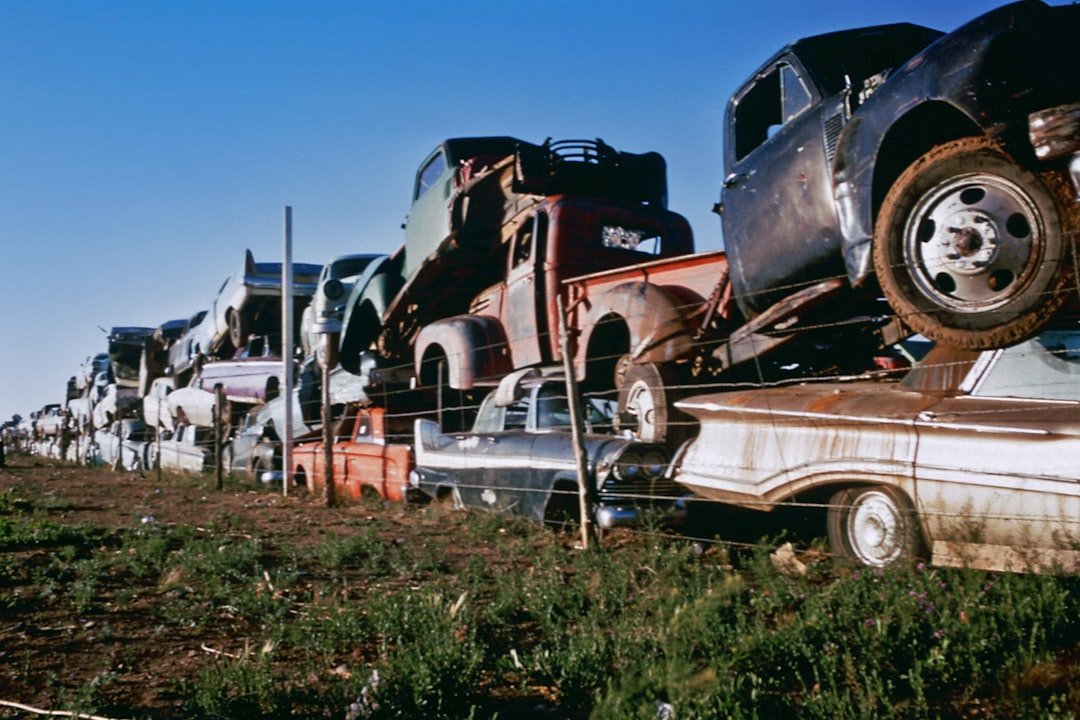
Not every vehicle that ends up at a salvage yard got there because of rust, and not every salvage yard part has corrosion damage. A car totaled in a collision, sold after a lease, or retired for an unrelated mechanical issue can have parts in excellent condition regardless of the vehicle’s age. This is exactly why physical inspection matters more than assuming anything based on a vehicle’s year or mileage alone.
A reputable yard inspects parts before cataloging them and won’t sell something with structural rust in a load-bearing area without disclosing it, but it’s still worth asking directly and looking the part over yourself before you commit.
How Age and Mileage Relate to Rust Risk
Rust risk correlates more closely with how many winters a vehicle has spent in a salt-belt climate than with its mileage or even its age in an absolute sense. A ten-year-old car that spent its whole life garaged in a mild climate can have less corrosion than a five-year-old car that’s seen five hard Chicago winters of daily salt exposure. When buying, it’s worth asking where a vehicle spent most of its life, not just how old the title says it is.
This is also why two seemingly identical vehicles from the same model year can have wildly different rust conditions once you actually look underneath. A carfax report tells you about accidents and ownership history, but it won’t tell you whether the previous owner washed the undercarriage every spring or never touched it.
Rust Prevention: What Actually Helps
If you’re trying to slow rust on a vehicle you already own, a few habits make a real difference. Washing the undercarriage regularly during winter months, especially after a snowstorm when salt trucks have been out, removes accumulated salt before it has time to sit and work its way into seams. Waxing painted surfaces twice a year protects the clear coat that’s your first line of defense. And parking in a garage, even an unheated one, cuts down significantly on the freeze-thaw cycling that accelerates corrosion in cracks and seams.
Rust inhibitor sprays applied to the undercarriage and frame rails in the fall, before winter salt season begins, are inexpensive compared to the repair costs of ignoring the problem for several seasons.
Where Englewood Used Auto Parts Fits In
Every part we sell is inspected before it’s cataloged, and that inspection includes a look at corrosion, not just mechanical function. Browse our used auto parts inventory or call ahead with your VIN to confirm current availability and condition.
Our grading and warranty guide explains how we assess condition across the board, and our salvage title guide covers what a salvage title actually means if you’re considering a vehicle with one. Spring is a natural time to check for a winter’s worth of new corrosion; our spring car care checklist covers the undercarriage wash and inspection worth doing once the salt season ends. Corrosion in unusual, normally-protected spots can also be a sign of flood damage rather than road salt; our flood-damaged vehicles guide covers how to tell the difference.
Frequently Asked Questions
Is surface rust on a used part something to worry about?
Generally not. Surface rust is cosmetic and can usually be treated, primed, and painted without affecting the part’s function. Rust that has eaten through metal into holes or weakened mounting points is a different concern.
Where does rust usually start on a car?
Wheel wells, rocker panels, floor pans, and frame rails, since these areas collect and hold moisture and road salt longest. Inner wheel well liners often show rust before it’s visible from the outside.
Can I still buy a car with some rust?
Yes, as long as it’s surface-level and not structural. Press on rocker panels and floor pans to check for soft or spongy spots, and get the vehicle on a lift to check the frame directly if possible.
Does every salvage yard car have rust damage?
No. Vehicles end up at salvage yards for collisions, lease returns, and unrelated mechanical failures, not just rust. Parts should still be inspected individually regardless of the vehicle’s history.
What’s the best way to slow rust on a car I already own?
Wash the undercarriage regularly during winter to remove salt buildup, wax painted surfaces twice a year, and park in a garage when possible to reduce freeze-thaw cycling in cracks and seams.
Have a question about rust on a specific part or vehicle? Contact our parts counter and we’ll help you figure out what’s worth buying.

Leave a Reply