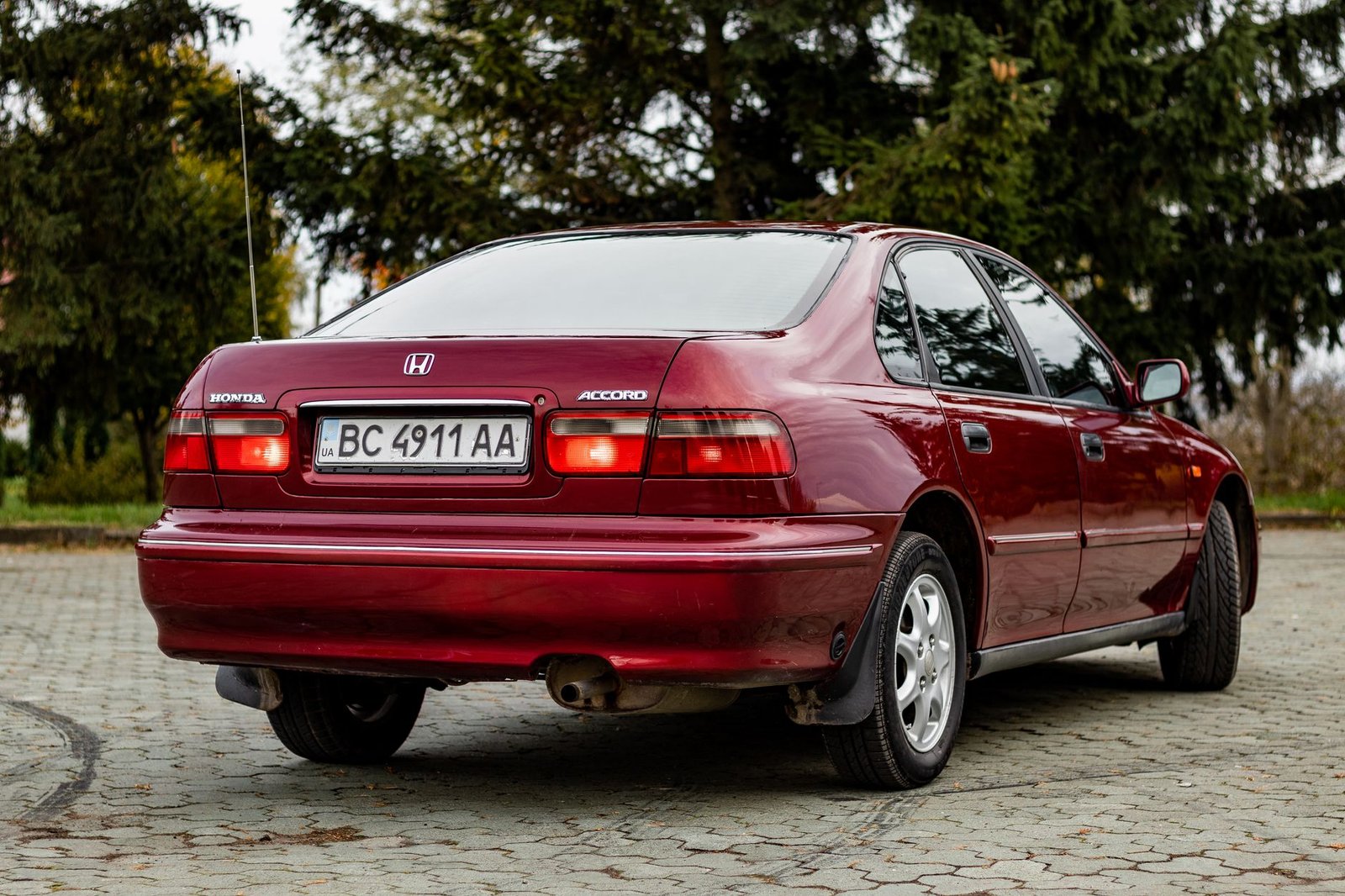
Hondas have a well-earned reputation for lasting well past 200,000 miles with reasonable maintenance, which is exactly why there’s steady demand for used Honda parts — a lot of these vehicles are still on the road decades after they were built, and keeping them running rarely requires dealership prices.
This guide covers the Honda models we see most often, the parts that tend to wear or fail in specific ways, and what to check before you buy a used part for one.
Common Honda Models We Stock Parts For
| Model | Type | Notes |
|---|---|---|
| Civic | Compact sedan/hatchback | One of the most common vehicles on the road; parts are plentiful |
| Accord | Midsize sedan | Long production history means broad part availability across generations |
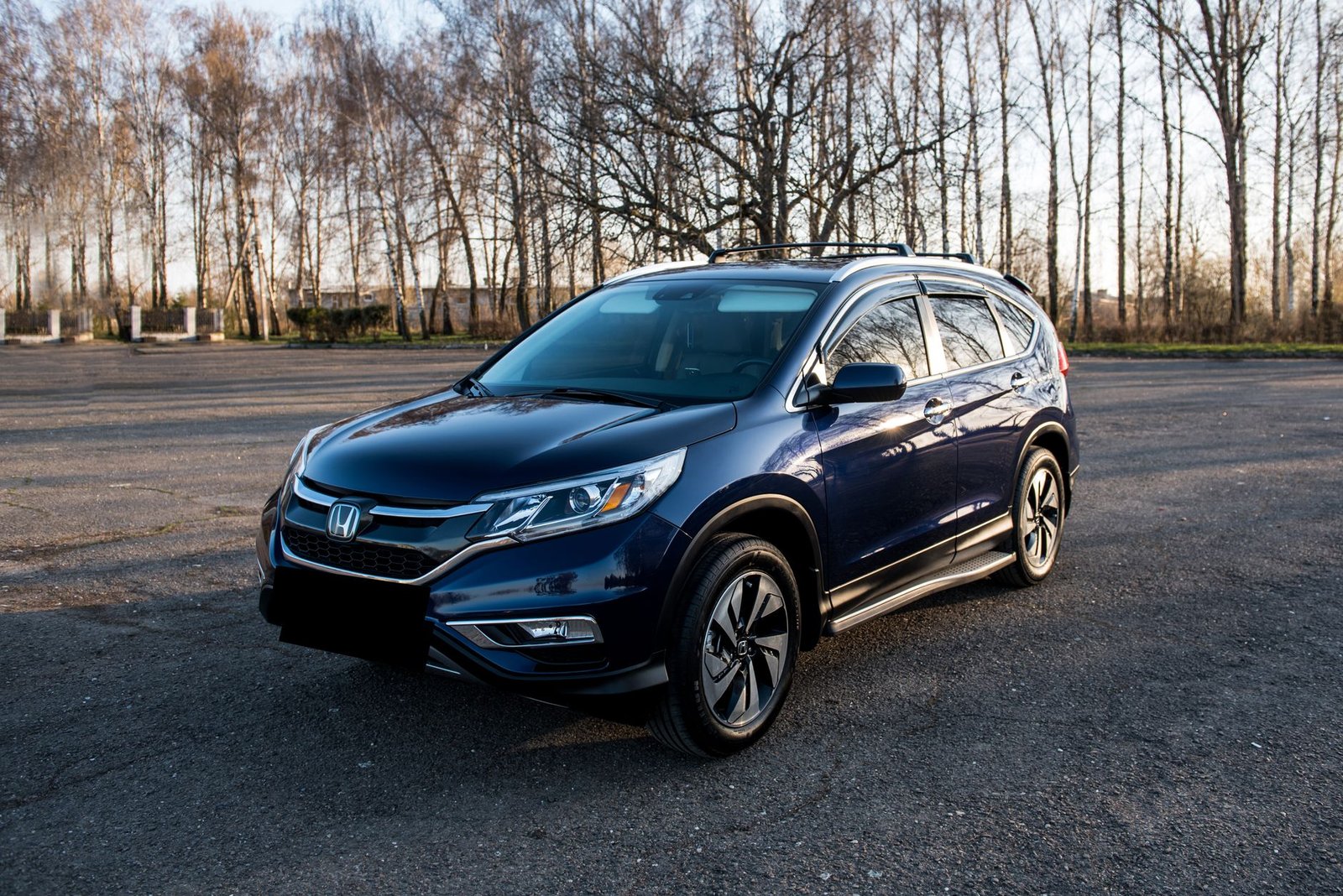
| CR-V | Compact SUV | Consistently a top-selling SUV; strong used parts demand |
| Pilot | Midsize SUV | Larger family SUV; transmission and suspension parts commonly requested |
| Odyssey | Minivan | High-mileage family use is common; transmission wear is a known issue |
| Fit | Subcompact hatchback | Known ignition coil issue on 2007–2016 models |
Known Trouble Spots by System
| System | What to Watch For | Affected Models (Commonly Reported) |
|---|---|---|
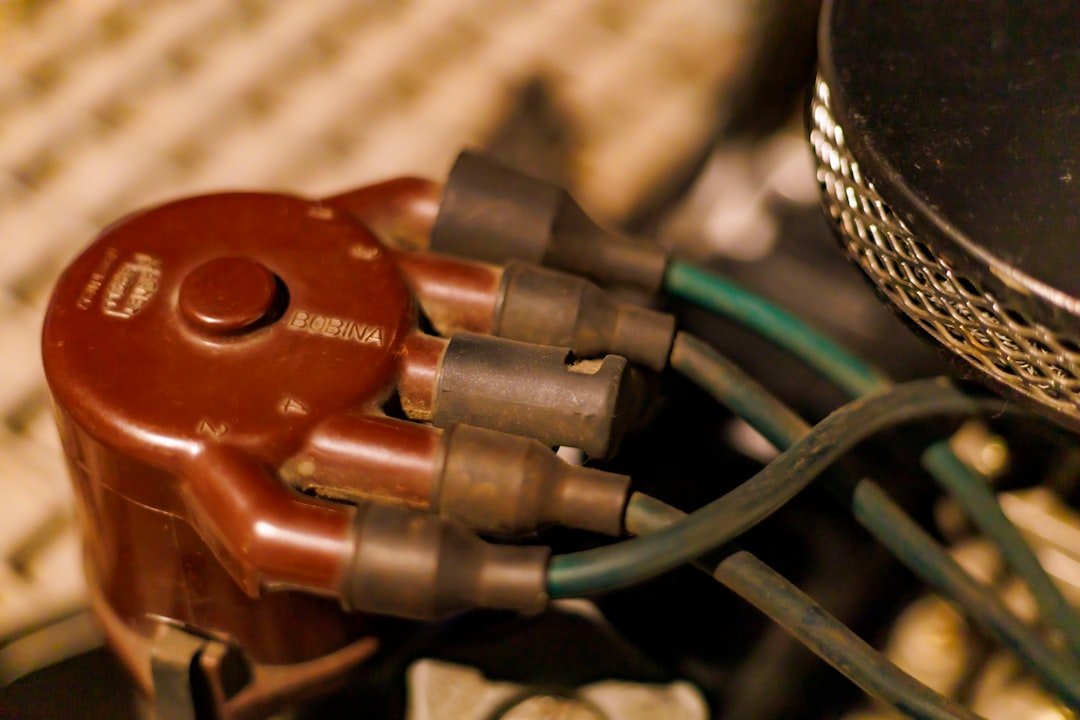
| Ignition coils | Misfires, rough idle, driveability issues starting around 50,000 miles | Fit (2007–2016), some Civic/Accord model years |
| Automatic transmission | Harsh shifting, delayed engagement, premature wear | Older Accord, Odyssey, and Pilot (early 2000s–mid-2010s) |
| Oil leaks | Valve cover gaskets and other seals are a frequent maintenance item | Common across multiple models and model years |
| 1.5L turbo engine oil dilution | Oil level rising due to unburned fuel mixing in | Certain Civic and CR-V model years with the 1.5T engine |
Why Check for Open Recalls Before You Buy
Beyond routine wear, it’s worth confirming whether the donor vehicle a used part came from was ever subject to a manufacturer recall relevant to that part. NHTSA’s recall lookup tool lets you search by VIN or by make and model to see open safety recalls, which can flag a known issue with a specific component before you spend money assuming it’s just normal wear.
This matters most for known issues like the 1.5-liter turbo engine’s oil dilution problem, reported on certain Civic and CR-V model years. In these cases, unburned fuel can mix into the engine oil under certain driving conditions, causing the oil level to appear to rise rather than drop. It’s worth asking specifically whether a used 1.5T engine or related component came from a vehicle that had this issue addressed, since Honda has released software updates and guidance for affected model years.
What to Ask Before Buying a Used Honda Part
- Confirm the exact trim and engine code, since Honda often used multiple engine and transmission combinations within the same model and year.
- For transmission parts, ask about shifting behavior in the donor vehicle before the part was pulled — harsh or delayed shifts are a known issue on some models and years.
- For ignition components, ask whether the donor vehicle was running well or had a driveability complaint, since coil issues are common enough to specifically ask about on affected models.
- Ask whether the part was tested, not just pulled and cataloged based on mileage alone.
- For a CR-V or Civic with the 1.5L turbo engine, ask about oil level history and whether any oil dilution service bulletin work was performed.
- Check whether the donor vehicle’s maintenance kept pace with Honda’s recommended intervals, especially for timing components and transmission fluid changes, both of which affect how well a used part from that vehicle is likely to perform.
Maintenance History Matters More Than Badge Loyalty
Two Hondas of the same age and mileage can be in very different condition depending on how they were maintained. A vehicle with documented, regular transmission fluid changes is far less likely to have contributed a worn transmission part to a salvage yard’s inventory than one that never saw a fluid change in 150,000 miles. When a seller can speak to the maintenance history of the donor vehicle, that’s a good sign the parts pulled from it were properly evaluated rather than just assumed functional based on age.
Typical Costs: Used vs. New
| Part | Typical Used Price | Typical New/Dealer Price |
|---|---|---|
| Ignition coil | $15–35 | $40–90 |
| Automatic transmission | $500–1,200 | $2,500–4,500 |
| Alternator | $40–90 | $150–350 |
| Headlight assembly | $50–150 | $150–450 |
Warranty Coverage
Every used part carries risk if it isn’t tested, which is why a warranty matters as much for a Honda part as for any other. Look for at least a 30 to 90 day warranty, longer for higher-cost components like a transmission, and ask specifically what triggers coverage versus what’s excluded.
OEM vs. Aftermarket: Why It Matters More on Certain Parts
For body panels, trim, and lighting, a quality aftermarket part can be a perfectly reasonable choice. For anything tied to engine management, transmission control, or safety systems, a genuine used OEM Honda part is generally the safer bet, since it’s guaranteed to match the exact specifications the vehicle’s computer expects. This is particularly true for sensors and modules, where an aftermarket substitute can sometimes trigger check engine lights or subtle driveability issues that are hard to trace back to the part itself.
Where Englewood Used Auto Parts Fits In
We stock a wide range of used Honda parts, inspected and tested before they’re cataloged by model, year, and trim, and backed by a warranty. Browse our used auto parts inventory or call ahead with your VIN to confirm current availability.
Not sure how to confirm your VIN before ordering? Our VIN and vehicle compatibility guide covers exactly what to check. If you’re dealing with a transmission or engine issue specifically, our transmission guide and engine guide cover those in more depth.
Frequently Asked Questions
Are Hondas generally reliable?
Yes. Hondas have a strong reputation for longevity, often exceeding 200,000 miles with regular maintenance. That said, specific models and model years have documented issues worth knowing about before you buy parts or a vehicle.
What’s the ignition coil issue with the Honda Fit?
Some Honda Fit models from 2007 to 2016 have a well-documented tendency toward ignition coil failure, often showing up as driveability issues starting around 50,000 miles. It’s a relatively inexpensive part to replace.
Which Honda models have known transmission issues?
Older Accords, Odysseys, and Pilots, particularly from the early 2000s through the mid-2010s, have more commonly reported automatic transmission problems like harsh shifting or delayed engagement.
How do I check if a used Honda part had a recall?
Use NHTSA’s recall lookup tool at nhtsa.gov/recalls, searching by VIN or by make, model, and year to see any open safety recalls tied to that vehicle.
Do used Honda parts come with a warranty?
Reputable sellers typically offer 30 to 90 days, with longer coverage sometimes available for higher-cost components like transmissions. Always confirm what’s covered before you buy.
What is the 1.5L turbo oil dilution issue?
On certain Civic and CR-V model years with the 1.5-liter turbo engine, unburned fuel can mix into the engine oil under specific driving conditions, causing the oil level to appear to rise. Honda has issued guidance and software updates for affected vehicles, so it’s worth asking whether this was addressed on a used engine or related part from these models.
Not sure which part fits your Honda? Contact our parts counter with your year, make, model, and trim, and we’ll confirm availability and condition before you buy.

Leave a Reply