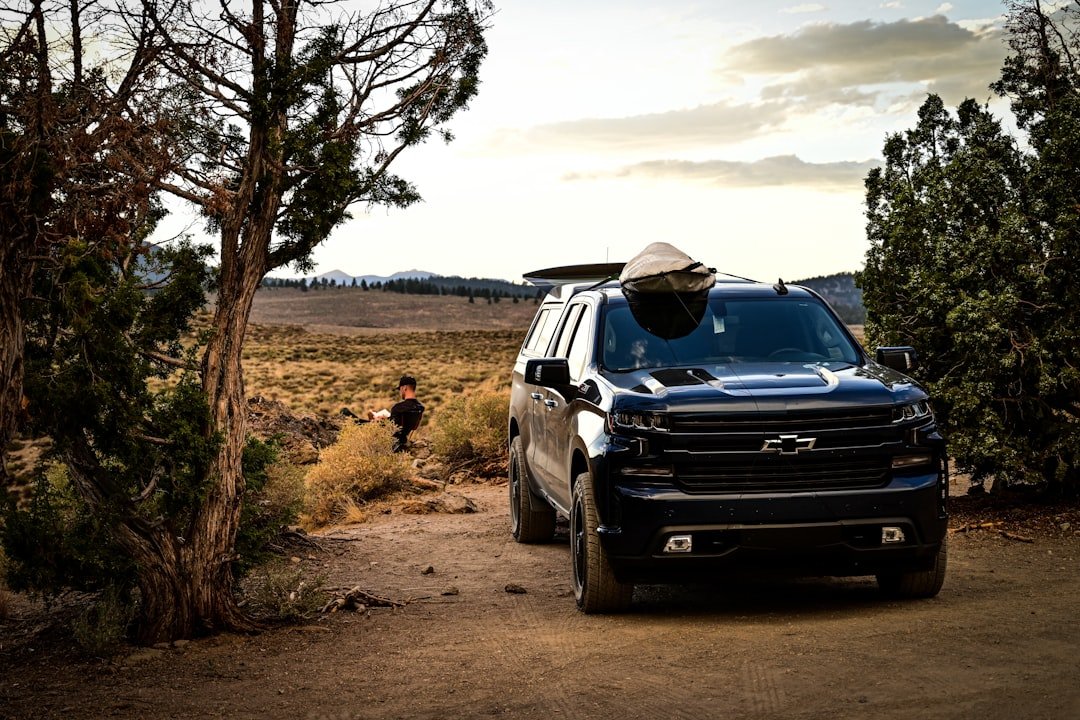
Chevrolet and its sibling GM brands make up a huge share of vehicles on U.S. roads, from the Silverado (consistently one of the best-selling trucks in the country) to the Equinox, Malibu, and Cruze. That kind of volume means used Chevy and GM parts are always in demand, and it also means specific, well-documented failure patterns to watch for depending on the model and model year.
This guide covers the Chevrolet and GM models we see most often, the systems with known issues, and what to check before you buy a used part for one.
Common Chevrolet & GM Models We Stock Parts For
| Model | Type | Notes |
|---|---|---|
| Silverado | Full-size pickup | One of the best-selling trucks in the U.S.; parts are widely available |
| Equinox | Compact SUV | Consistently a top-selling Chevy model |
| Malibu | Midsize sedan | Long production history across several generations |
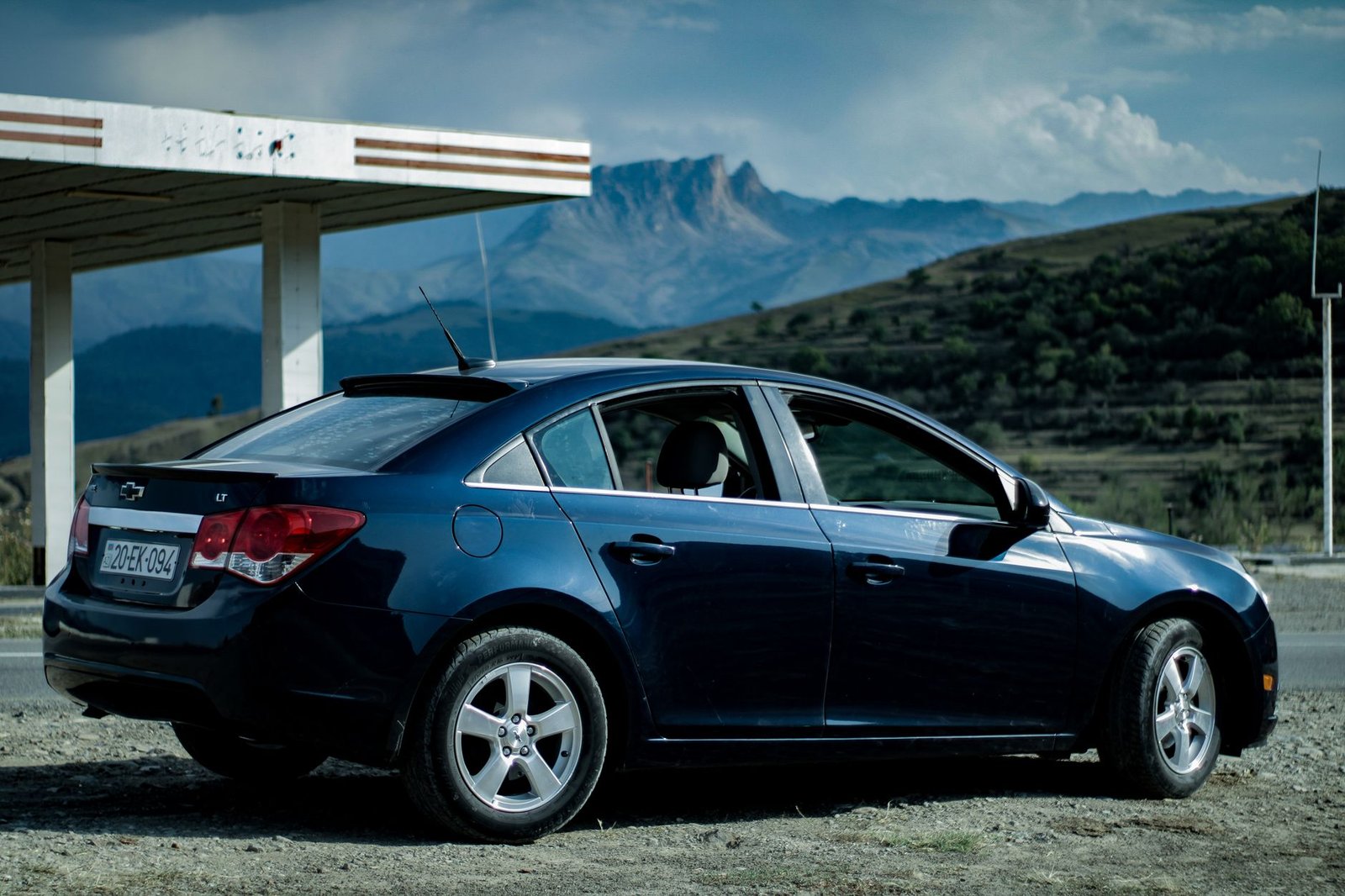
| Cruze | Compact sedan | Common commuter car; strong used parts demand |
| Traverse | Midsize SUV | Popular family SUV; suspension and brake parts commonly requested |
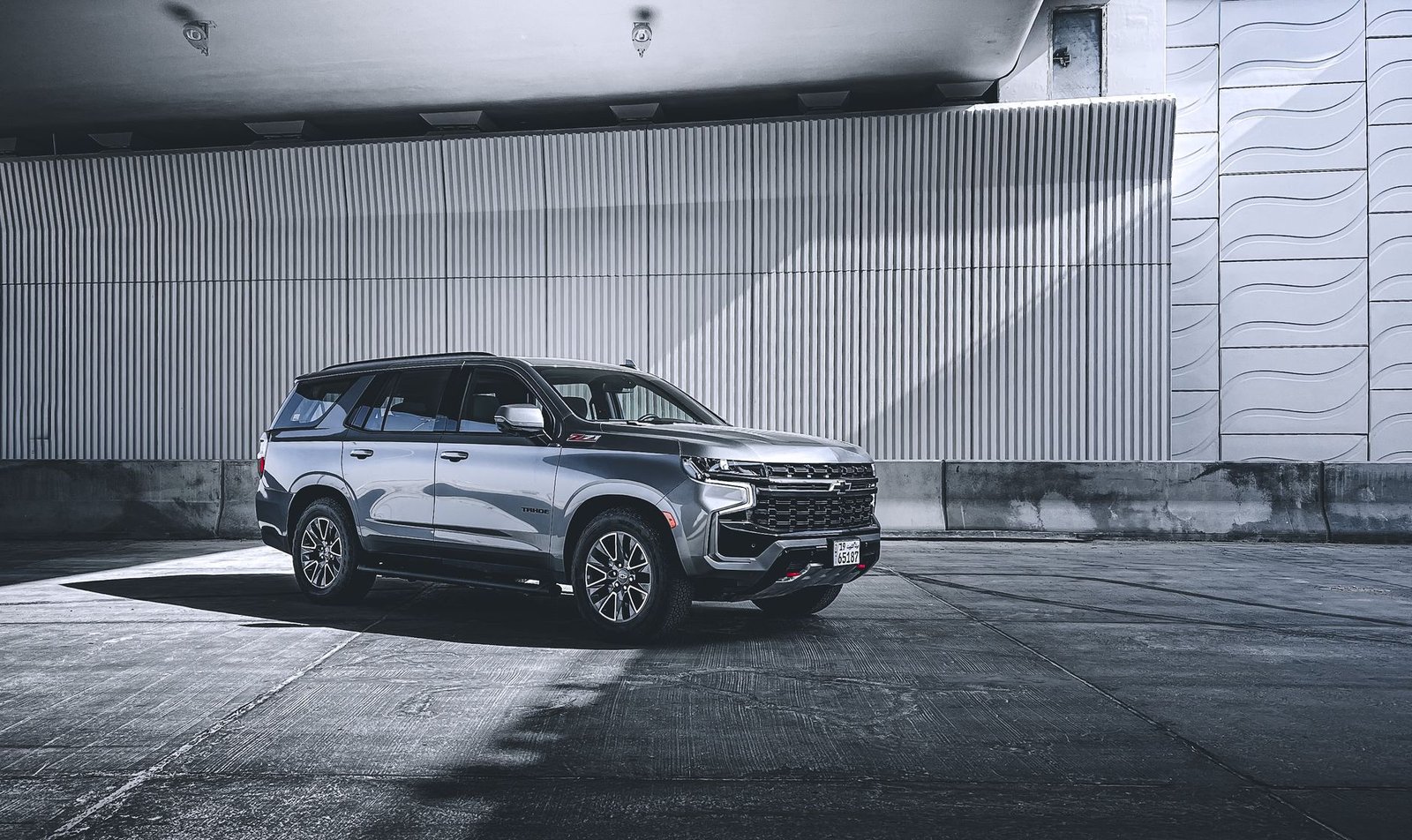
| Tahoe / Suburban | Full-size SUV | Shares many drivetrain components with the Silverado |
Known Trouble Spots by System
| System | What to Watch For | Affected Models |
|---|---|---|
| Automatic transmission (“Chevy Shake”) | Shuddering or shaking sensation during gear changes | Several models, 2015–2018 |
| 5.3L Vortec V8 engine | Rough running, misfires, excessive oil consumption approaching 90,000–100,000 miles | Silverado, Tahoe, Suburban |
| Intake manifold / cooling system | Coolant leaks from plastic intake manifolds or failing water pumps | Various V6 and V8 engines |
| Electrical system | Erratic power windows, faulty door locks, unexplained battery drain | Common across multiple models and years |
The “Chevy Shake”: What Buyers Should Know
A documented shuddering or shaking sensation during gear changes, sometimes called the “Chevy Shake,” has been reported on several models from around 2015 to 2018. It’s typically tied to the automatic transmission’s torque converter clutch, and while not every affected vehicle develops the issue, it’s common enough that it’s worth asking directly about a donor vehicle’s shifting behavior before buying a used transmission part for these model years. Independent reliability data, such as Consumer Reports’ vehicle reliability ratings, can also help set expectations for a specific model year before you buy.
Cooling System and Intake Manifold Leaks
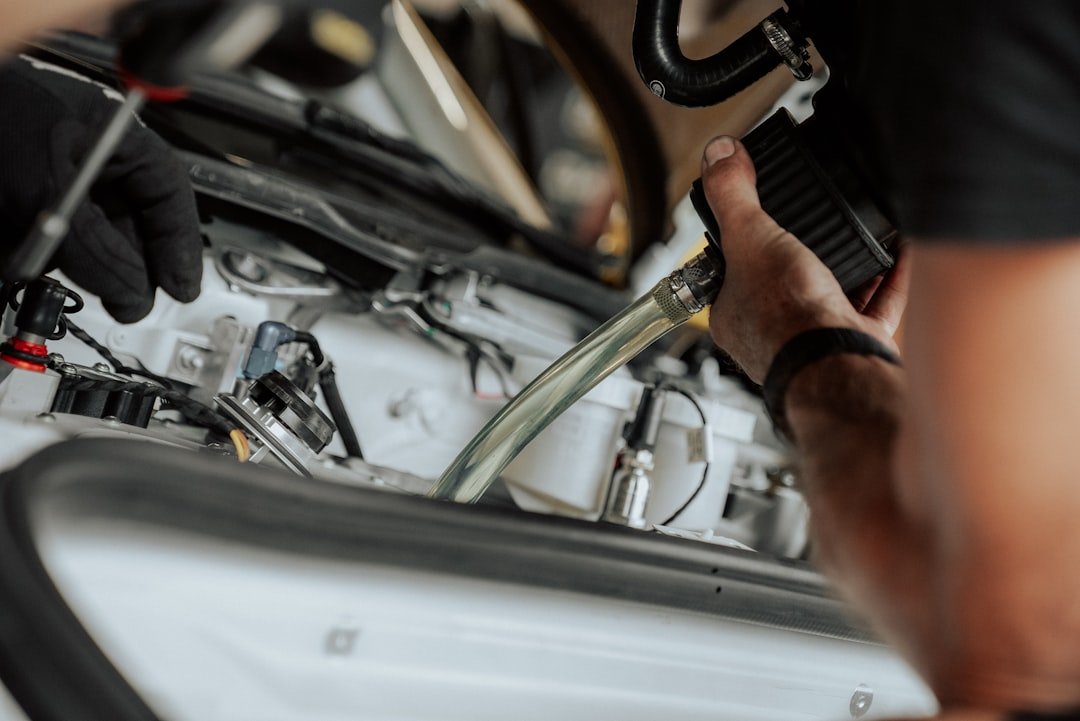
Several GM V6 and V8 engines use a plastic intake manifold that can develop coolant leaks over time as the plastic ages and gaskets degrade, sometimes alongside a failing water pump. Left unaddressed, this can lead to overheating and more expensive engine damage. If you’re buying a used intake manifold or water pump, ask whether the donor vehicle’s cooling system was functioning properly, and consider replacing both components together if one has already failed, since they tend to wear on a similar timeline.
What to Ask Before Buying a Used Chevy or GM Part
- Confirm the exact trim, engine, and transmission code, since GM used multiple powertrain combinations within the same model and year.
- For a 5.3L Vortec engine part, ask about oil consumption history in the donor vehicle, especially as mileage approaches 90,000 to 100,000.
- For a transmission part from an affected model year, ask specifically about shifting behavior before the part was pulled.
- For electrical components, ask whether the donor vehicle had any documented electrical complaints, since these issues can be intermittent and hard to diagnose after the fact.
- Ask whether the part was tested, not just pulled and cataloged based on mileage alone.
Typical Costs: Used vs. New
| Part | Typical Used Price | Typical New/Dealer Price |
|---|---|---|
| Automatic transmission | $600–1,500 | $3,000–5,500 |
| Intake manifold | $50–150 | $200–450 |
| Water pump | $30–80 | $100–250 |
| Alternator | $40–100 | $150–350 |
Warranty Coverage
Given how documented some of these issues are, a warranty matters as much for a Chevy or GM part as for any other. Look for at least a 30 to 90 day warranty, longer for higher-cost components like a transmission, and ask what specifically triggers coverage versus what’s excluded.
Shared Platforms Across GM Brands
Chevrolet, GMC, Buick, and Cadillac share a significant amount of engineering under the GM umbrella, which means a part from a GMC Sierra can sometimes be a direct match for the same generation Silverado, or a Buick Enclave part can match a Chevy Traverse. This shared-platform approach expands the effective pool of donor vehicles for a given part, which is generally good news for used parts availability and pricing, but it also means confirming the exact part number or engine and trim code matters even more, since visually similar parts across sibling brands aren’t always interchangeable.
OEM vs. Aftermarket for GM-Specific Systems
For body panels, trim, and lighting, a quality aftermarket part is often fine on a Chevy or GM vehicle. For anything tied to the transmission control module or engine management, a genuine used OEM part is the safer route, since it’s guaranteed to match exactly what the vehicle’s computer expects. This matters especially on vehicles affected by the shudder issue, where transmission control module calibration is closely tied to the specific vehicle.

Where Englewood Used Auto Parts Fits In
We stock a wide range of used Chevrolet and GM parts, inspected and tested before they’re cataloged by model, year, and trim, and backed by a warranty. Browse our used auto parts inventory or call ahead with your VIN to confirm current availability.
Not sure how to confirm your VIN before ordering? Our VIN and vehicle compatibility guide covers exactly what to check. If you’re dealing with a transmission or engine issue specifically, our transmission guide and engine guide cover those in more depth.
Frequently Asked Questions
What is the “Chevy Shake” transmission issue?
It’s a documented shuddering or shaking sensation during gear changes, reported on several Chevrolet and GM models from roughly 2015 to 2018. It’s typically tied to the automatic transmission’s torque converter clutch.
Is the 5.3L Vortec engine reliable?
Generally yes, but some units show rough running, misfires, or excessive oil consumption as mileage approaches 90,000 to 100,000 miles. It’s worth asking about oil consumption history on a used engine or related part from this engine family.
Why does my Chevy have unexplained battery drain or electrical issues?
Electrical issues, from erratic power windows to faulty door locks to battery drain, are among the more commonly reported problems across Chevrolet and GM models. These can be intermittent, so a proper diagnosis is worth doing before replacing a specific component.
How do I know if a used Chevy or GM part will fit my vehicle?
Match the specific engine and transmission code, not just the model year, since GM often used multiple powertrain combinations within the same generation. Cross-reference your VIN against the seller’s inventory.
Do used Chevy and GM parts come with a warranty?
Reputable sellers typically offer 30 to 90 days, with longer coverage sometimes available for higher-cost components like transmissions. Always confirm what’s covered before you buy.
Why does my GM vehicle have a coolant leak from the intake manifold?
Some GM V6 and V8 engines use a plastic intake manifold that can develop leaks as it ages, sometimes alongside a failing water pump. It’s worth replacing both together if one has already failed, since they tend to wear on a similar timeline.
Not sure which part fits your Chevy or GM vehicle? Contact our parts counter with your year, make, model, and trim, and we’ll confirm availability and condition before you buy.

Leave a Reply