
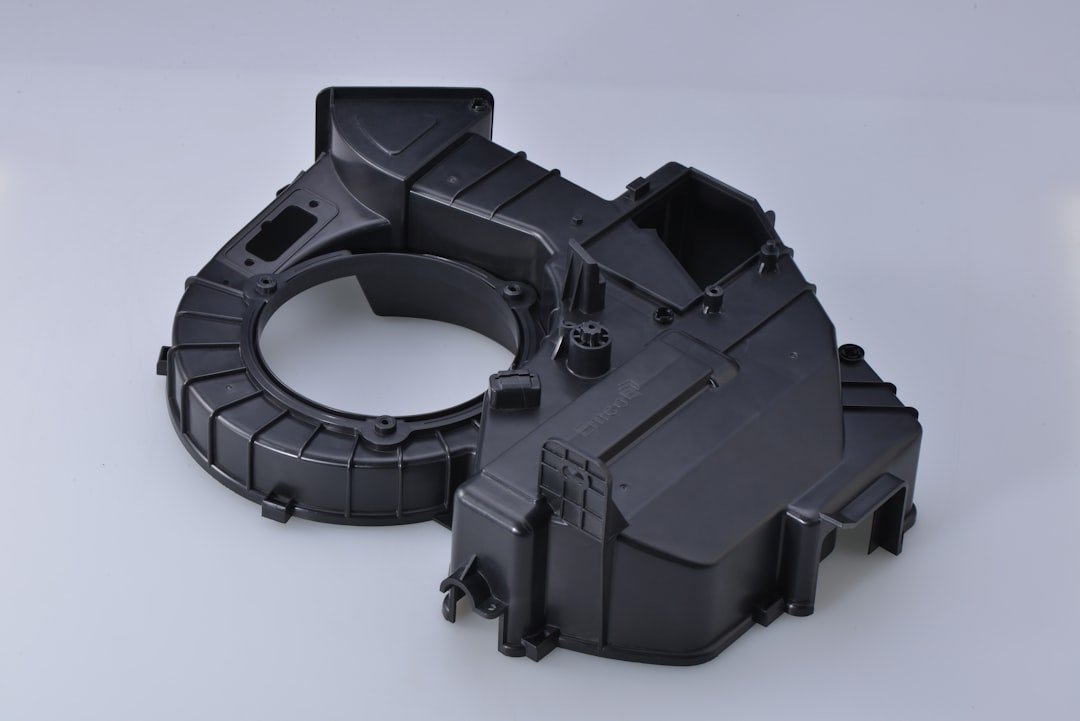
A car AC compressor is one of those parts nobody thinks about until a Chicago summer afternoon makes it impossible to ignore. Unlike a lot of used parts, an AC compressor sits inside a sealed, pressurized system, which means buying used isn’t quite as simple as bolting one in and going — there’s refrigerant type, system compatibility, and a bit of physics to account for.
This guide covers how to tell what’s actually wrong with your AC, what to check before buying a used compressor, and the refrigerant issue that trips up a lot of buyers.

Diagnosing the Problem Before You Buy
| Symptom | Likely Cause | Notes |
|---|---|---|
| Warm air only, compressor clutch never engages | Low refrigerant, failed clutch, or electrical fault | Low refrigerant is often a leak, not just normal loss |
| Air is cool but weak | Failing compressor, clogged cabin filter, or blower motor issue | Check the cabin air filter first — it’s the cheapest fix |
| Loud grinding or squealing when AC is on | Failing compressor bearing or clutch | Usually means the compressor itself needs replacement |
| Oily residue near the compressor or fittings | Refrigerant leak | Refrigerant oil leaking out means refrigerant is escaping too |
| AC cycles on and off rapidly | Low refrigerant or a failing pressure switch | A proper recharge and leak check will confirm which |
R134a vs. R1234yf: Why It Matters for a Used Compressor
Vehicles built before roughly 2021 generally use R-134a refrigerant, while newer models have transitioned to R-1234yf, a refrigerant with a much lower environmental impact. The two aren’t interchangeable, and a compressor designed for one system generally isn’t compatible with the other due to different oil types, seals, and pressure characteristics. According to EPA’s mobile air conditioning program, R-1234yf servicing also requires specific certified equipment due to its mild flammability, which is worth knowing if you’re having a shop do the work rather than a straightforward swap.
When buying a used compressor, confirm it came from a donor vehicle using the same refrigerant type as yours, not just the same make and model, since a mid-generation refrigerant transition can mean two vehicles that look identical use different systems.

What to Check Before Buying a Used Compressor
- Confirm the refrigerant type (R134a vs. R1234yf) matches your vehicle exactly.
- Check the clutch and pulley by hand for smooth rotation without noise, looseness, or wobble.
- Ask whether the compressor was pressure tested, not just visually inspected, since internal wear isn’t visible from the outside.
- Confirm the compressor includes the correct amount and type of refrigerant oil, or ask what needs to be added during installation.
- Have the AC system professionally evacuated, leak-checked, and recharged after installation — a used compressor installed into a system with an existing leak will fail again quickly.

Why an AC Compressor Failure Can Cascade
When a compressor fails internally, it can send small metal particles from worn internal components circulating through the rest of the AC system, including the condenser, evaporator, and expansion valve or orifice tube. This is why a shop will often recommend flushing the system or replacing an inline filter/drier when installing a replacement compressor, especially if the old one failed with visible metal debris rather than just wearing out gradually. Skipping this step can mean a brand-new or freshly tested compressor fails again within weeks, contaminated by debris left over from the original failure.
It’s worth asking a seller or installer specifically whether system flushing is recommended for your situation, since it adds a modest cost upfront but can prevent a much more expensive repeat failure.
Typical Costs: Used vs. New
| Option | Typical Price Range | Notes |
|---|---|---|
| Used compressor (tested) | $80–200 | Price varies by refrigerant type and vehicle demand |
| Remanufactured compressor | $150–350 | Rebuilt to factory specs with new seals and clutch |
| New compressor | $300–700+ | Higher for R1234yf systems and luxury vehicles |
| Professional recharge (after install) | $150–300 | Includes evacuation, leak check, and refrigerant |
Warranty Coverage
Because a failed compressor can contaminate the rest of the AC system with metal debris, warranty coverage on a used compressor matters more than it might seem. Look for at least a 30 to 90 day warranty, and ask whether the warranty covers just the compressor or extends to related components if a failure damages them.
Getting the Most Out of Your AC in Chicago Summers
Once your AC is working properly, a few habits help it stay that way. Running the AC for a few minutes at least once a week, even in winter, keeps the compressor’s internal seals lubricated and can prevent them from drying out and leaking. Parking in shade or using a windshield sunshade reduces cabin heat buildup and eases the load on the whole system when you do turn the AC on. And having the system checked before the first genuinely hot week of the year, rather than after it stops working, gives you time to address a slow leak before it becomes a full compressor failure.

Where Englewood Used Auto Parts Fits In
Every AC compressor we sell is tested before it’s cataloged by make, model, and refrigerant type, and backed by a warranty. Browse our used auto parts inventory or call ahead with your VIN to confirm current availability.
Not sure how to confirm your VIN before ordering? Our VIN and vehicle compatibility guide covers exactly what to check. If it’s specifically an electrical issue rather than the AC system, our alternator and starter guide covers how to tell the difference.
Frequently Asked Questions
Can I mix R134a and R1234yf in the same system?
No. The two refrigerants use different oils and have different pressure characteristics, and mixing them can damage the system. Always confirm a used compressor matches your vehicle’s original refrigerant type.
Why is my AC blowing warm air?
The most common causes are low refrigerant (usually from a leak), a failed compressor clutch, or an electrical fault preventing the clutch from engaging. A shop can diagnose the specific cause in a short visit.
Do I need a full recharge after installing a used compressor?
Yes. The system should be professionally evacuated, leak-checked, and recharged with the correct refrigerant and oil amount after any compressor replacement, used or new.
What does oily residue near the AC system mean?
It usually indicates a refrigerant leak, since refrigerant oil escapes along with the refrigerant itself. This should be addressed before or during a compressor replacement, not left unresolved.
Do used AC compressors come with a warranty?
Reputable sellers typically offer 30 to 90 days. Ask whether it covers just the compressor or extends to related components if a failure causes further damage.
Why did my new AC compressor fail again so quickly?
This usually happens when metal debris from the original failed compressor wasn’t fully flushed from the rest of the system before the new one was installed. Flushing the system or replacing the inline filter/drier during installation helps prevent this.
The AC is just one part of getting ready for hot weather. Our summer car care checklist covers batteries, tires, and belts too.
Don’t Overlook the Cabin Air Filter
A clogged cabin air filter restricts airflow through the AC system, making it feel weaker even when the compressor and refrigerant charge are both perfectly fine. This is one of the cheapest and most commonly overlooked causes of a car that seems to blow weak or musty-smelling air, and it’s worth ruling out before assuming a compressor issue, since a filter swap takes a few minutes and costs a fraction of a compressor diagnosis.
Can a dirty cabin air filter make my AC seem weak?
Yes. A clogged filter restricts airflow through the system, making the AC feel weaker even when the compressor and refrigerant charge are fine. It’s an inexpensive first check before assuming a compressor problem.
Not sure which AC compressor fits your vehicle? Contact our parts counter with your year, make, and model, and we’ll confirm refrigerant type and availability before you buy.


Leave a Reply