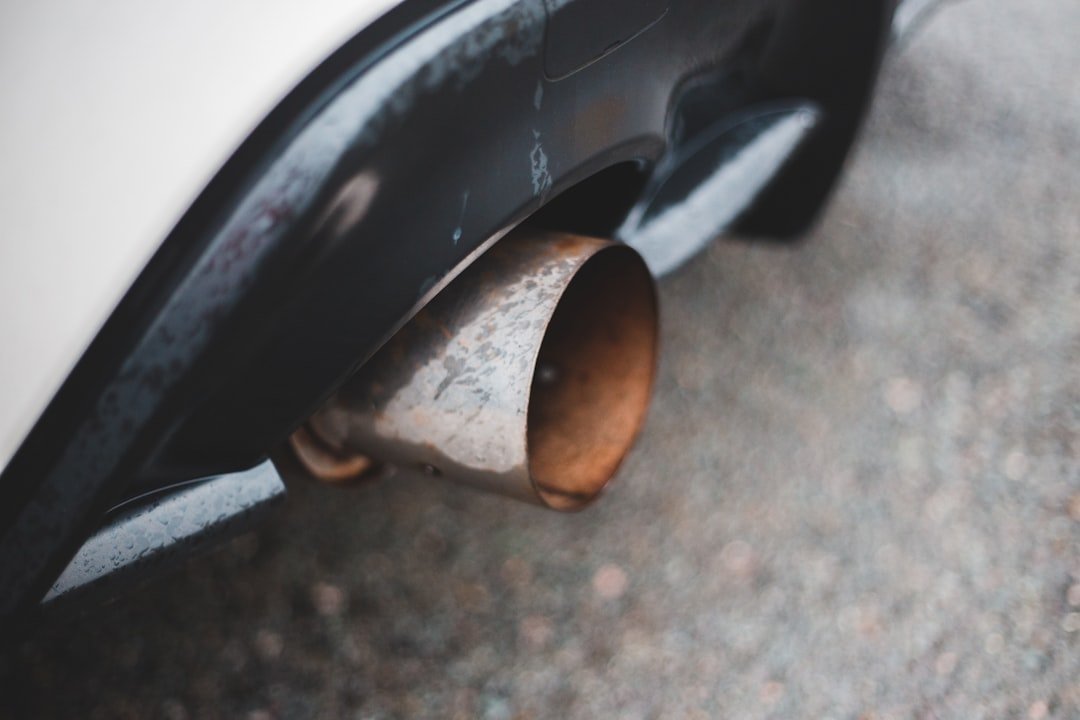
A loud, rattling, or smelly exhaust is one of the more common reasons vehicles fail an emissions test or draw attention from a police officer. The good news is that exhaust and muffler components are also some of the more affordable used parts to replace, and Illinois has specific rules about what’s legal to remove or modify.
This guide covers how an exhaust system is put together, common failure points, what to check before buying a used exhaust part, and what’s actually legal to change.
How an Exhaust System Is Put Together
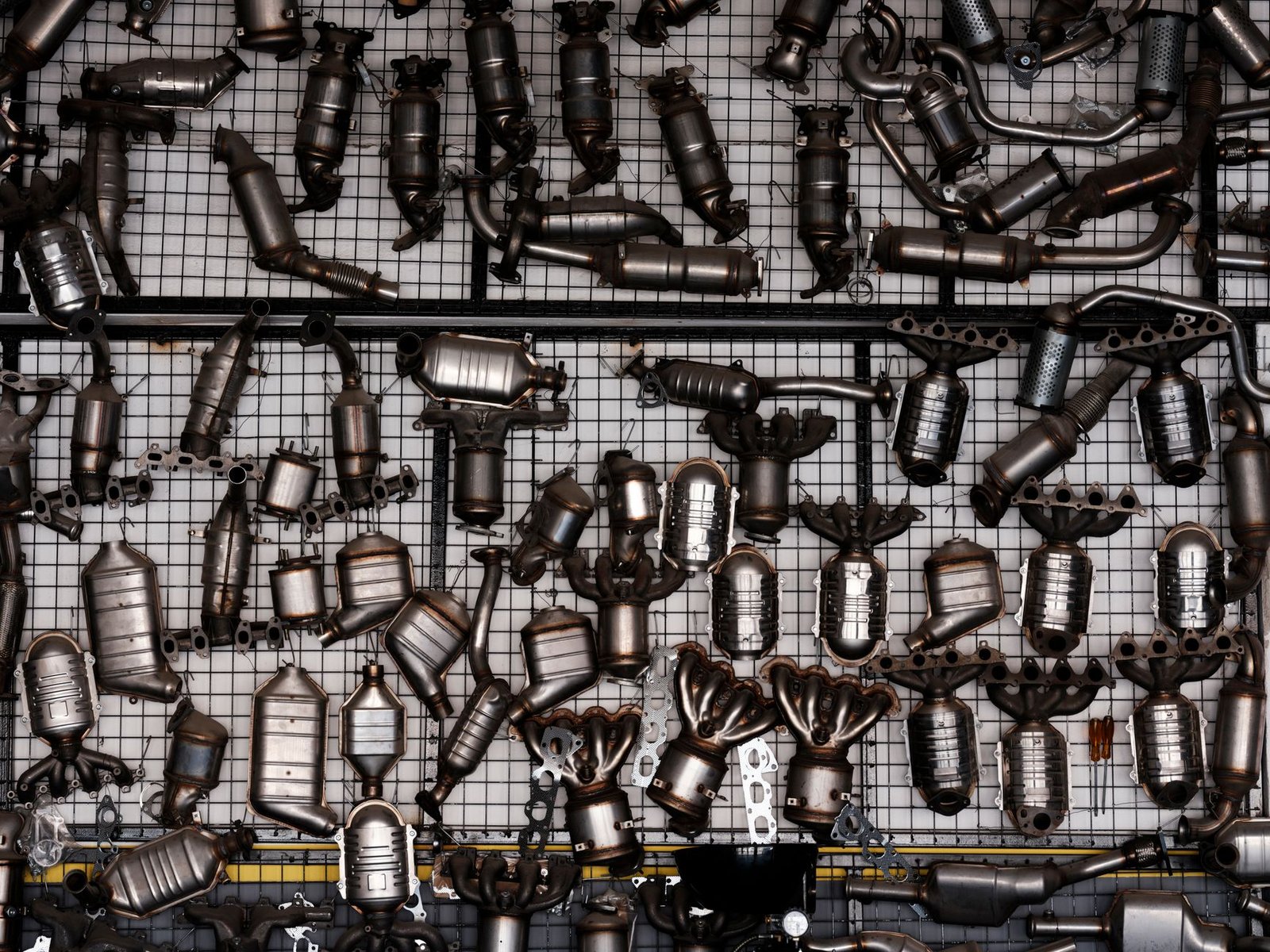
A typical exhaust system runs from the engine’s exhaust manifold (or manifolds, on a V-configuration engine) through a catalytic converter, a resonator or muffler, and out through the tailpipe. Each section serves a purpose: the manifold collects exhaust gases from the cylinders, the catalytic converter reduces harmful emissions, and the muffler or resonator quiets the sound before it exits the vehicle.
Common Failure Points
| Component | Common Symptom | What Causes It |
|---|---|---|
| Muffler | Loud, rattling, or booming exhaust note | Rust perforating the muffler shell, especially in road-salt climates like Chicago |
| Exhaust pipes and joints | Hissing or ticking noise, often worse when cold | Rusted-through pipe sections or a leaking gasket at a joint |
| Hangers and mounts | Rattling or clanking, especially over bumps | Deteriorated rubber hangers that let the exhaust system sag and hit the underbody |
| Catalytic converter | Reduced power, rattling from inside the converter, or a failed emissions test | Internal substrate breakdown, often from age or a prior misfire |
Rust Is the Real Enemy in Chicago Winters
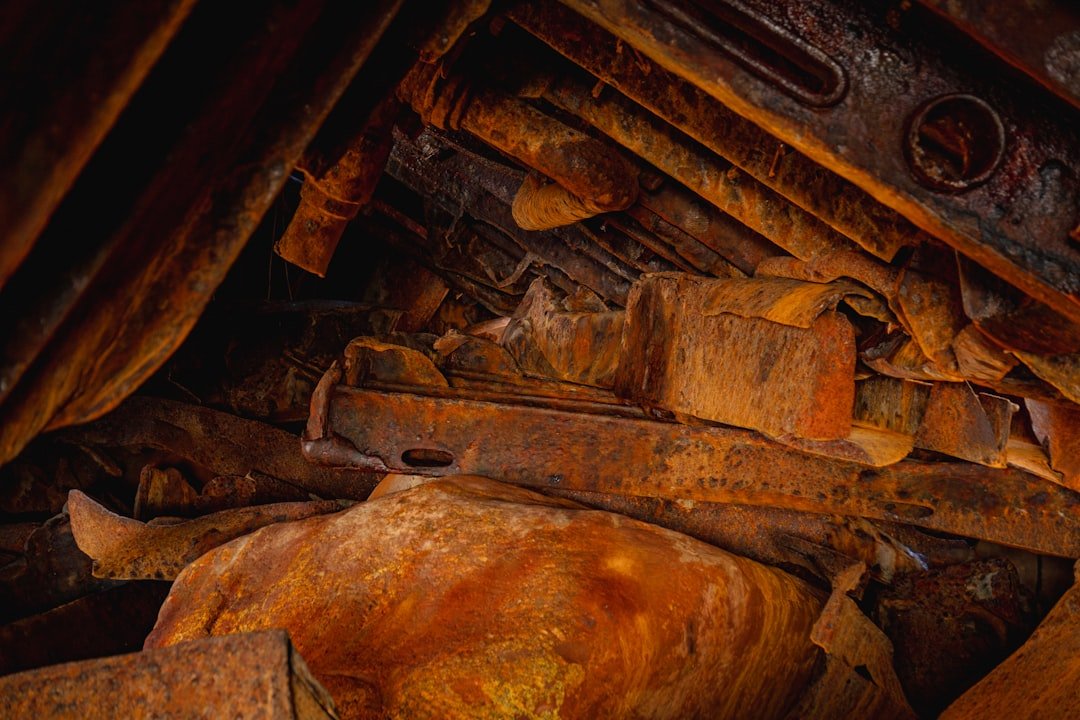
Road salt used to de-ice winter streets is one of the fastest ways to shorten an exhaust system’s life. Salt-laden slush clings to the underbody and accelerates rust from the outside in, which is why vehicles in salt-belt climates like Chicago tend to need exhaust work years before the same vehicle would in a drier climate. A quick visual check of the exhaust system’s condition is worth doing every fall before winter driving starts in earnest, since a small leak caught early is a much cheaper fix than a full section replacement after the pipe has rusted through completely. Underbody rust doesn’t just affect the exhaust either, so if you’re already looking underneath the car, it’s worth glancing at the frame, brake lines, and fuel lines at the same time.
Direct-Fit vs. Universal Exhaust Parts
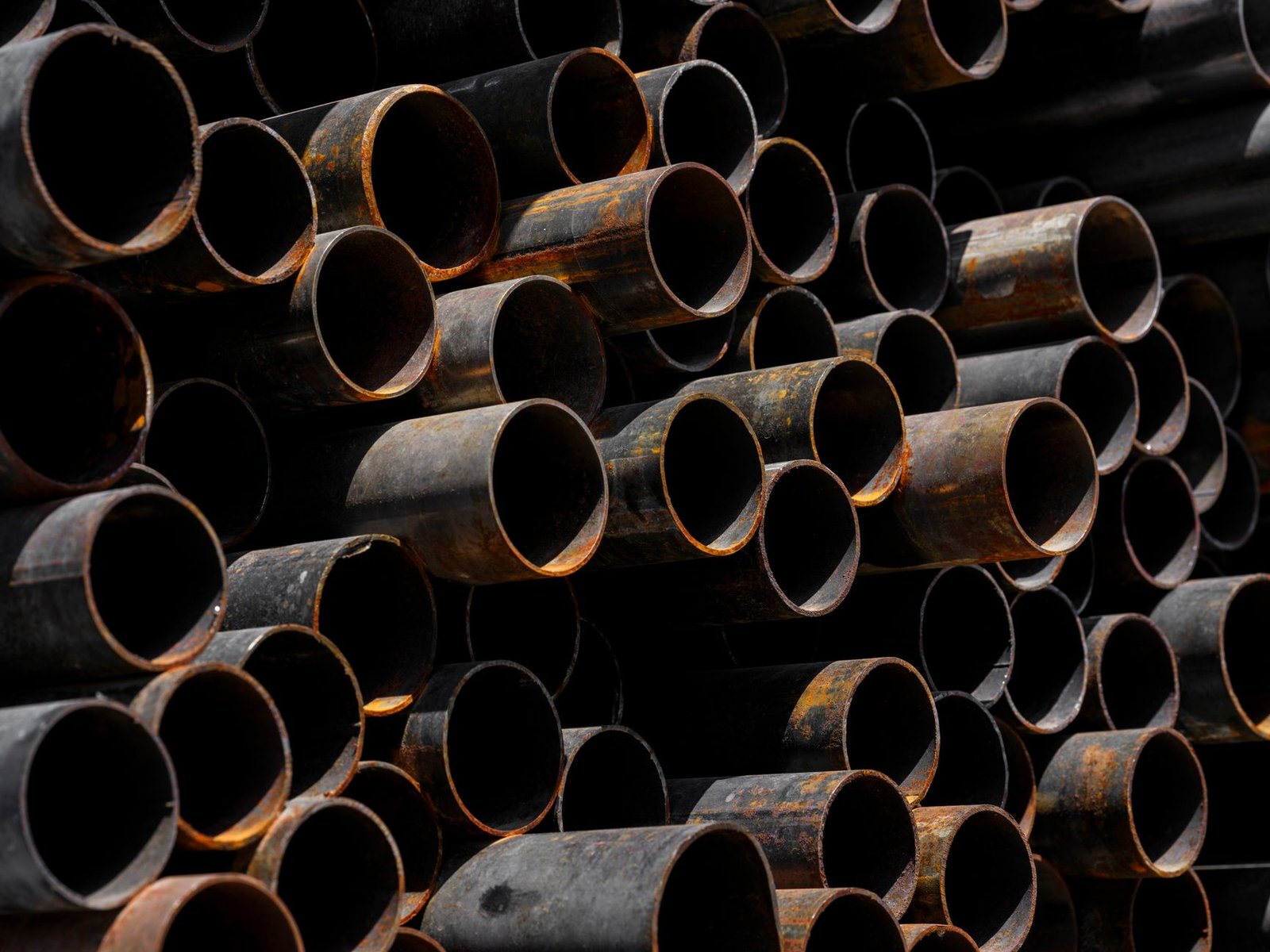
Used exhaust parts generally come in two flavors: direct-fit, which are pulled from a matching donor vehicle and designed to bolt straight into your specific make, model, and engine, and universal parts, which are generic sections meant to be cut and welded to fit a range of vehicles. Direct-fit parts are almost always the better choice when they’re available, since they preserve the factory hanger points, pipe diameters, and flange locations without any custom fabrication.
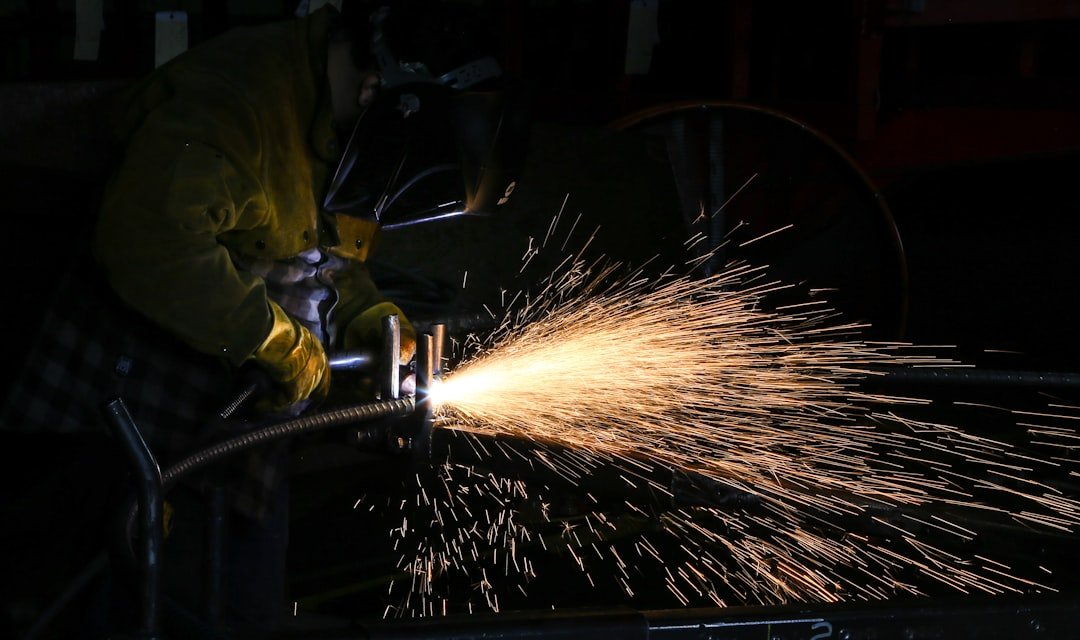
Universal sections have their place, especially for older or less common vehicles where a direct-fit used part simply isn’t in circulation, but installing one properly typically requires a shop with pipe-bending and welding capability rather than a simple bolt-on swap. If you’re being offered a universal section as a substitute for a direct-fit part, factor that extra labor into your total cost comparison.
What to Check Before Buying a Used Exhaust Part
- Confirm the exact engine and trim, since exhaust systems vary by engine size and sometimes by emissions equipment even within the same model year.
- Inspect any used muffler or pipe section for rust-through, not just surface rust, which is cosmetic and generally not a concern.
- For a used catalytic converter, ask whether it was tested and whether the donor vehicle passed emissions before the part was pulled.
- Check that hangers and mounting points on a used section match your vehicle’s configuration, since these differ more than most buyers expect.
What’s Actually Legal to Change in Illinois
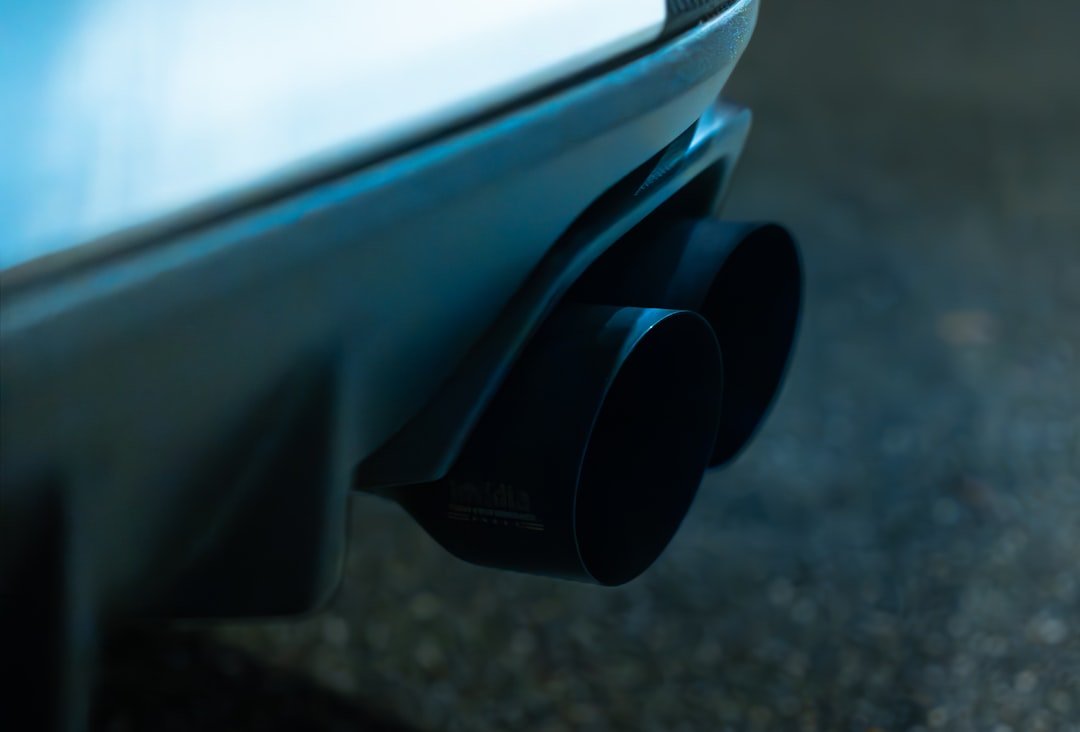
Federal law prohibits tampering with or removing a catalytic converter from a vehicle that’s required to have one, and Illinois enforces this alongside its own vehicle emissions testing program in the Chicago metro area. A catalytic converter can be legally replaced with an equivalent, properly certified part, but removing one entirely or installing a non-compliant aftermarket “test pipe” in its place is not legal for a vehicle that’s subject to emissions testing.
Mufflers and resonators have more flexibility, but Illinois law still prohibits excessively loud exhaust modifications. According to the Illinois EPA’s vehicle emissions testing program, vehicles registered in the Chicago area are subject to periodic emissions checks, and a missing or non-functional catalytic converter is one of the most common reasons for a test failure.
Typical Costs: Used vs. New
| Part | Typical Used Price | Typical New/Dealer Price |
|---|---|---|
| Muffler (direct-fit) | $25–60 | $80–180 |
| Exhaust pipe section | $20–50 | $60–150 |
| Catalytic converter (tested, used) | $80–200 | $300–900+ |
| Exhaust manifold | $40–100 | $150–350 |
Warranty Coverage
Reputable sellers typically offer 30 to 90 days on used exhaust components. For a catalytic converter specifically, ask whether it was tested and whether the donor vehicle had a clean emissions history, since a converter pulled from a vehicle with an underlying engine problem may already be compromised.
Where Englewood Used Auto Parts Fits In
We stock used exhaust and muffler parts inspected for rust-through and tested where applicable before they’re cataloged by make, model, and engine, and backed by a warranty. Since exhaust sections come off donor vehicles from a wide range of climates and mileage, we can often help you find a direct-fit option even for older or less common vehicles. Browse our used auto parts inventory or call ahead with your VIN to confirm current availability.
If you’re shopping specifically for a catalytic converter, our catalytic converter replacement guide covers theft prevention and what’s legal in more depth. And our VIN and vehicle compatibility guide covers how to confirm the exact exhaust configuration for your vehicle before you order.
Frequently Asked Questions
Is it legal to remove a catalytic converter?
No. Federal law prohibits removing or tampering with a catalytic converter on a vehicle required to have one, and Illinois enforces this alongside its own emissions testing program in the Chicago area.
Why does my exhaust get loud in the winter?
Road salt accelerates rust on the muffler and exhaust pipes, which is one of the most common reasons exhaust systems fail faster in salt-belt climates like Chicago compared to drier regions.
How do I know if a used exhaust part will fit my vehicle?
Match the exact engine and trim, not just the model year, since exhaust systems and hanger points vary more than most buyers expect. Cross-reference your VIN against the seller’s inventory.
Do used exhaust parts come with a warranty?
Reputable sellers typically offer 30 to 90 days. For a used catalytic converter, ask whether it was tested and whether the donor vehicle had a clean emissions history.
Is surface rust on a used muffler a problem?
Surface rust is generally cosmetic and not a concern. Rust-through, where the metal is actually perforated, is what causes leaks and noise, so that’s what to look for during inspection.
Not sure which exhaust part fits your vehicle? Contact our parts counter with your year, make, model, and engine, and we’ll confirm availability and condition before you buy.
Leave a Reply