One of the most important things to know about your engine has nothing to do with horsepower or fuel economy: it’s whether your engine uses a timing belt or a timing chain, and if it’s a belt, when it’s due for replacement. Getting this wrong, or simply not knowing the answer, is one of the more expensive mistakes a used car buyer can make.
This guide covers the difference between timing belts and timing chains, why the distinction matters so much, and what to check whether you’re buying a used part or a used vehicle.
What the Timing Belt or Chain Actually Does
Both a timing belt and a timing chain do the same job: they synchronize the rotation of the crankshaft and camshaft(s), ensuring the engine’s valves open and close at exactly the right moment relative to the pistons. If this timing is off, even slightly, the engine won’t run correctly, and in many engine designs, a belt or chain that skips or breaks can cause the pistons to collide with open valves, resulting in serious internal damage.
Timing Belt vs. Timing Chain: Key Differences
| Factor | Timing Belt | Timing Chain |
|---|---|---|
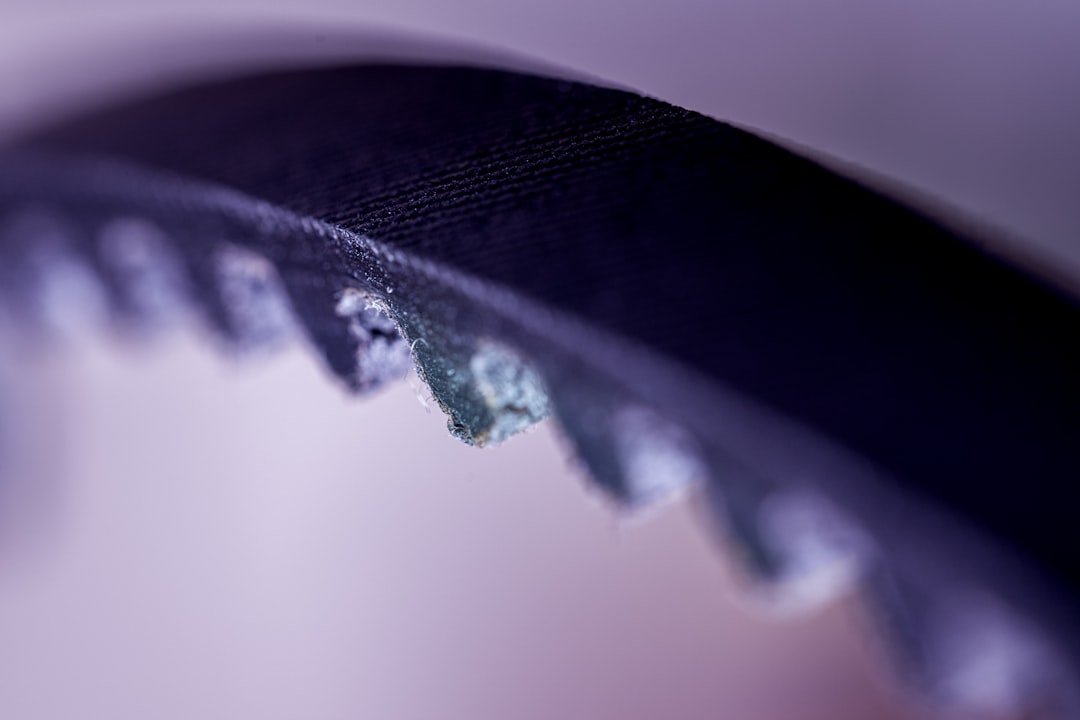
| Material | Reinforced rubber with internal cords | Metal links, similar to a bicycle chain |
| Typical service life | 60,000–100,000 miles (check your manual) | Often lasts the life of the engine, though not always |
| Requires scheduled replacement? | Yes, at a manufacturer-specified interval | Not on a fixed schedule, but can wear and stretch over time |
| Failure mode | Wears gradually, then can snap without much warning | Stretches and can rattle before eventually skipping or breaking |
Interference vs. Non-Interference Engines: Why It Matters So Much
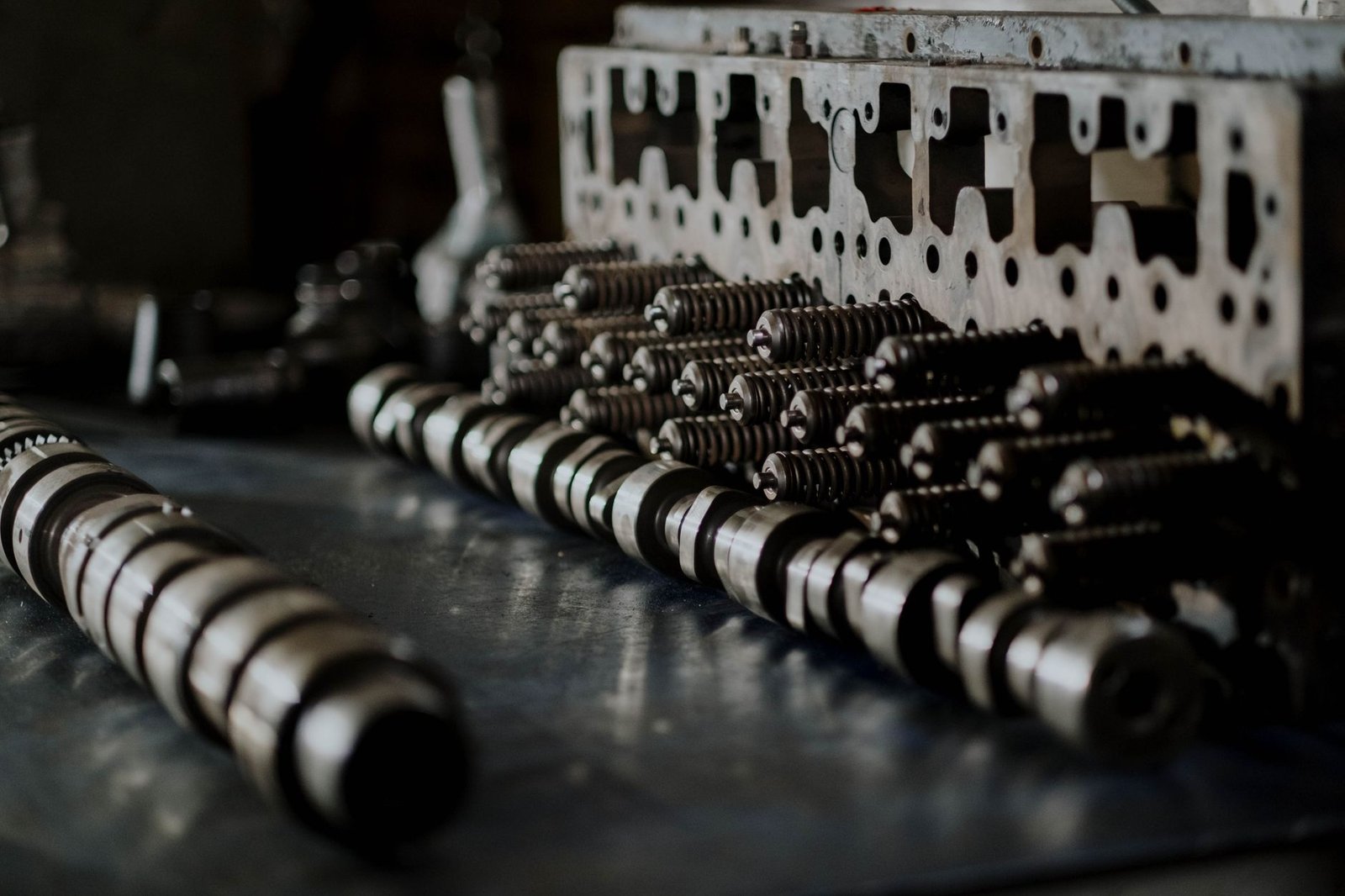
The single most important thing to know if your engine uses a timing belt is whether it’s an “interference” or “non-interference” design. In an interference engine, the pistons and valves occupy the same physical space at different points in the rotation, meaning a belt failure allows the piston to strike an open valve, bending it and often damaging the piston and cylinder head in the process. In a non-interference engine, there’s enough clearance that a belt failure simply causes the engine to stop running, without further internal damage.
Most modern engines are interference designs, which is exactly why timing belt replacement intervals matter so much. If you don’t know whether your engine is an interference design, it’s worth finding out, since it directly affects how much risk you’re taking by delaying a timing belt service.
Symptoms of a Timing Chain Problem
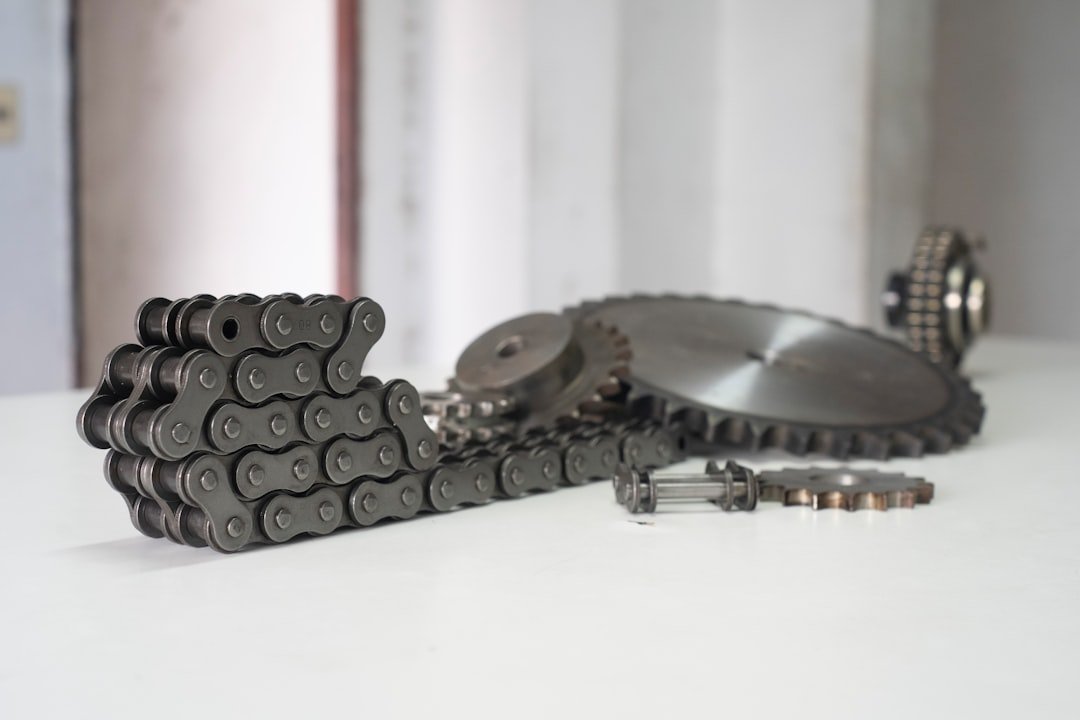
Unlike a timing belt, a timing chain doesn’t fail on a predictable schedule, but it can still wear out, especially if oil changes were neglected. A rattling or ticking noise on startup that fades as the engine warms up is one of the more common early signs of chain stretch or a worn tensioner. Left unaddressed, a stretched chain can eventually skip a tooth on the sprocket, throwing off valve timing in a way that can trigger a check engine light or, in severe cases, cause the same kind of internal damage a broken timing belt would.

Why Some Automakers Switched Back to Chains
For a stretch of years, many manufacturers moved toward timing belts because they run quieter and cost less to manufacture than a chain-and-tensioner assembly. More recently, a number of automakers have shifted back toward timing chains on newer engine designs, partly to avoid the scheduled maintenance cost of belt replacement and partly because modern chain materials and tensioner designs have closed much of the historical durability gap. This is why you can’t assume anything about belt versus chain based on a vehicle’s age alone; two engines from the same manufacturer built only a few years apart can use completely different timing systems.
What to Check Before Buying a Used Timing Component
- Confirm whether your specific engine uses a timing belt or chain, and if it’s a belt, whether it’s an interference or non-interference design.
- If buying a used timing belt kit, check the manufacture date on the belt itself, since rubber degrades with age even if the belt was never installed.
- For a used timing chain or tensioner, ask whether it was pulled from a low-mileage donor engine, since chain stretch is directly related to wear over time.
- Always replace the water pump at the same time as a timing belt if your engine’s water pump is driven by that belt, since the labor overlap makes it cost-effective to do both together.
Typical Costs: Used vs. New
| Part | Typical Used Price | Typical New/Dealer Price |
|---|---|---|
| Timing chain and gear set | $40–100 | $150–350 |
| Timing chain tensioner | $25–60 | $80–180 |
| Timing belt kit with tensioner (new, since used belts aren’t recommended) | Not recommended used | $150–400 installed |
Unlike most parts in this series, we generally don’t recommend a used timing belt itself, since rubber degrades with age and use in ways that aren’t always visible. Used timing chains, sprockets, and tensioners, which are metal components, are a more reasonable used purchase.
Warranty Coverage
Reputable sellers typically offer 30 to 90 days on used timing chain components. For any timing-related part, ask whether it was tested or inspected for stretch and wear, not just visually inspected, since these are safety-relevant components tied directly to engine timing.
Where Englewood Used Auto Parts Fits In
We stock used timing chains, sprockets, and tensioners inspected for wear before they’re cataloged by make, model, and engine, and backed by a warranty. Browse our used auto parts inventory or call ahead with your VIN to confirm current availability.
Not sure how to confirm your VIN before ordering? Our VIN and vehicle compatibility guide covers exactly what to check, and our water pump buying guide covers what to know if your water pump is driven by the timing belt.
Frequently Asked Questions
How do I know if my engine has a timing belt or a timing chain?
Check your owner’s manual or a repair reference for your specific engine, since it varies by manufacturer and even by engine option within the same model. This is worth knowing before you buy a used vehicle, not after.
What happens if a timing belt breaks while driving?
On an interference engine, the pistons can strike open valves, causing serious internal damage. On a non-interference engine, the engine simply stops running without further damage. Most modern engines are interference designs.
Can I buy a used timing belt?
It’s generally not recommended, since rubber degrades with age and use in ways that aren’t always visible from the outside. Used timing chains and sprockets, being metal, are a more reasonable used purchase.
Why does my engine rattle on startup?
A rattling or ticking noise that fades as the engine warms up is a common early sign of timing chain stretch or a worn tensioner. It’s worth having inspected before it progresses to skipping a tooth.
Should I replace the water pump with my timing belt?
If your water pump is driven by the timing belt, yes, most manufacturers recommend replacing both at the same time since the labor to access them is largely shared.
Not sure whether your engine uses a belt or chain, or which timing components fit your vehicle? Contact our parts counter with your year, make, model, and engine code, and we’ll confirm availability and condition before you buy.

Leave a Reply