Subaru’s lineup is built around two things that set it apart from most of the competition: standard all-wheel drive and a horizontally opposed “boxer” engine layout. Both are excellent reasons Subarus hold up well in Chicago winters, and both come with a few well-known trouble spots worth knowing before you buy used parts.
This guide covers the most common Subaru models we see, the issues to watch for, and what tends to hold up versus what tends to need attention as these vehicles age.
Common Subaru Models We Stock Parts For
| Model | Notes |
|---|---|
| Outback | The volume leader; shares most driveline and engine parts with the Legacy |
| Forester | Compact SUV body with the same AWD system and boxer engine family as the Outback |
| Impreza / Crosstrek | Smaller platform, still standard AWD, popular for parts due to high production volume |
| Legacy | Sedan counterpart to the Outback, shares nearly all mechanical parts |
The Boxer Engine: What to Know
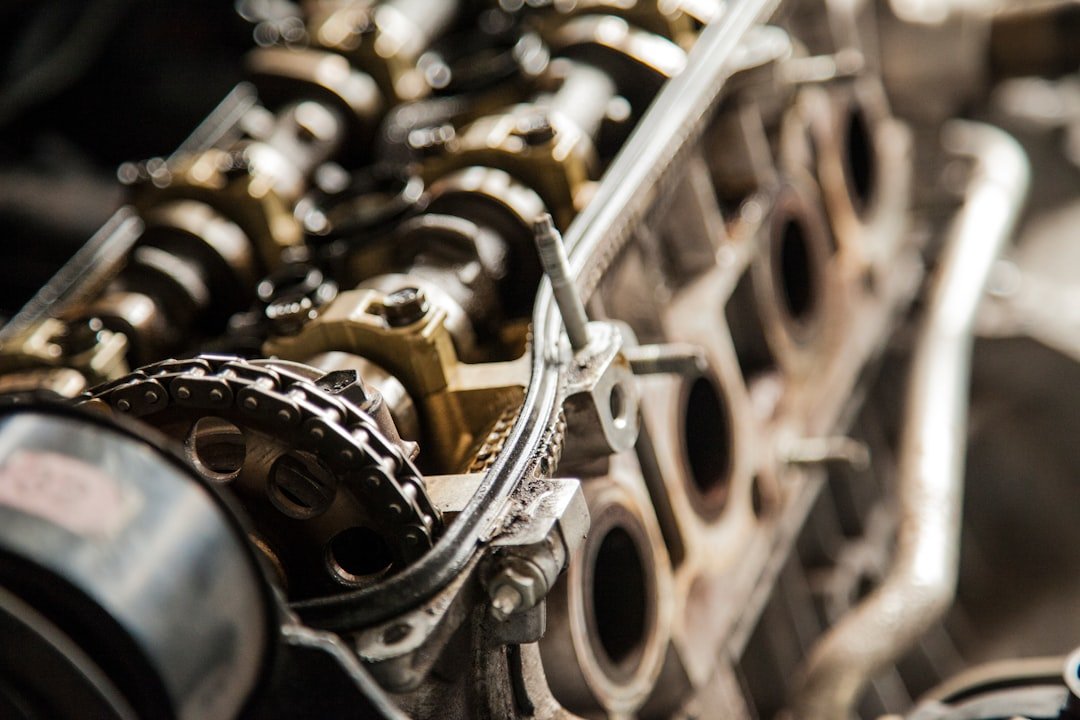
Subaru’s horizontally opposed engine layout sits lower in the engine bay than a traditional inline or V-configuration engine, which helps handling but also means the head gaskets sit in a slightly different position and take on different stresses. Older Subaru engines, particularly from the 2000s, had a well-documented reputation for head gasket failures. Newer engines improved significantly, but it’s still worth asking about head gasket history on any used engine or checking for coolant loss and white exhaust smoke before buying.
A used Subaru engine that’s had the head gaskets replaced with an updated gasket design is generally considered a safer buy than one on its original factory gaskets, especially on higher-mileage examples.
AWD System: A Major Selling Point, and a Maintenance Item
Subaru’s symmetrical all-wheel drive system is one of the most consistently praised AWD setups in the industry, but it’s still a mechanical system with wear items: the center differential, viscous coupling, and CV axles all see more constant load than a comparable front-wheel-drive-only vehicle. Regular fluid changes matter more on an AWD Subaru than they might on a two-wheel-drive car, since the transfer case and differential fluids break down under the added stress of full-time power delivery to all four wheels.
Common Trouble Spots by System
- Head gaskets on older boxer engines, especially 2.5-liter four-cylinders from the 2000s.
- CVT transmissions on models equipped with them can be sensitive to fluid change intervals; skipped services shorten CVT life noticeably.
- Wheel bearings tend to wear a bit faster than average, partly due to the added rotational load from full-time AWD.
- Front strut mounts are a common noise complaint on higher-mileage examples, usually a clunk over bumps rather than a safety issue.
Timing Chains vs. Timing Belts
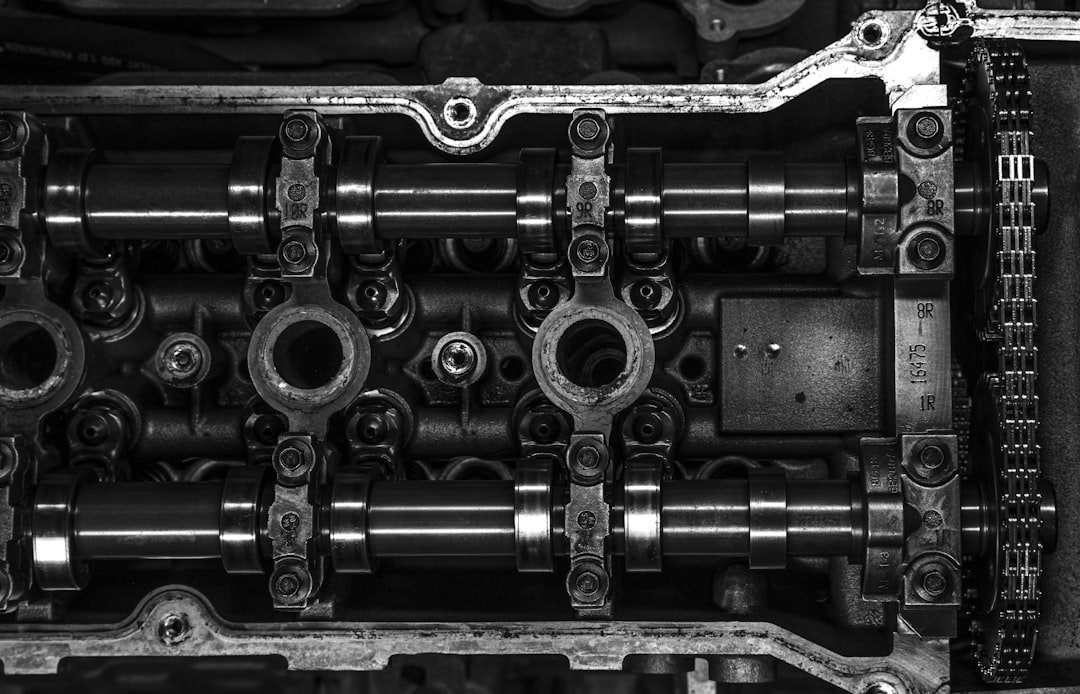
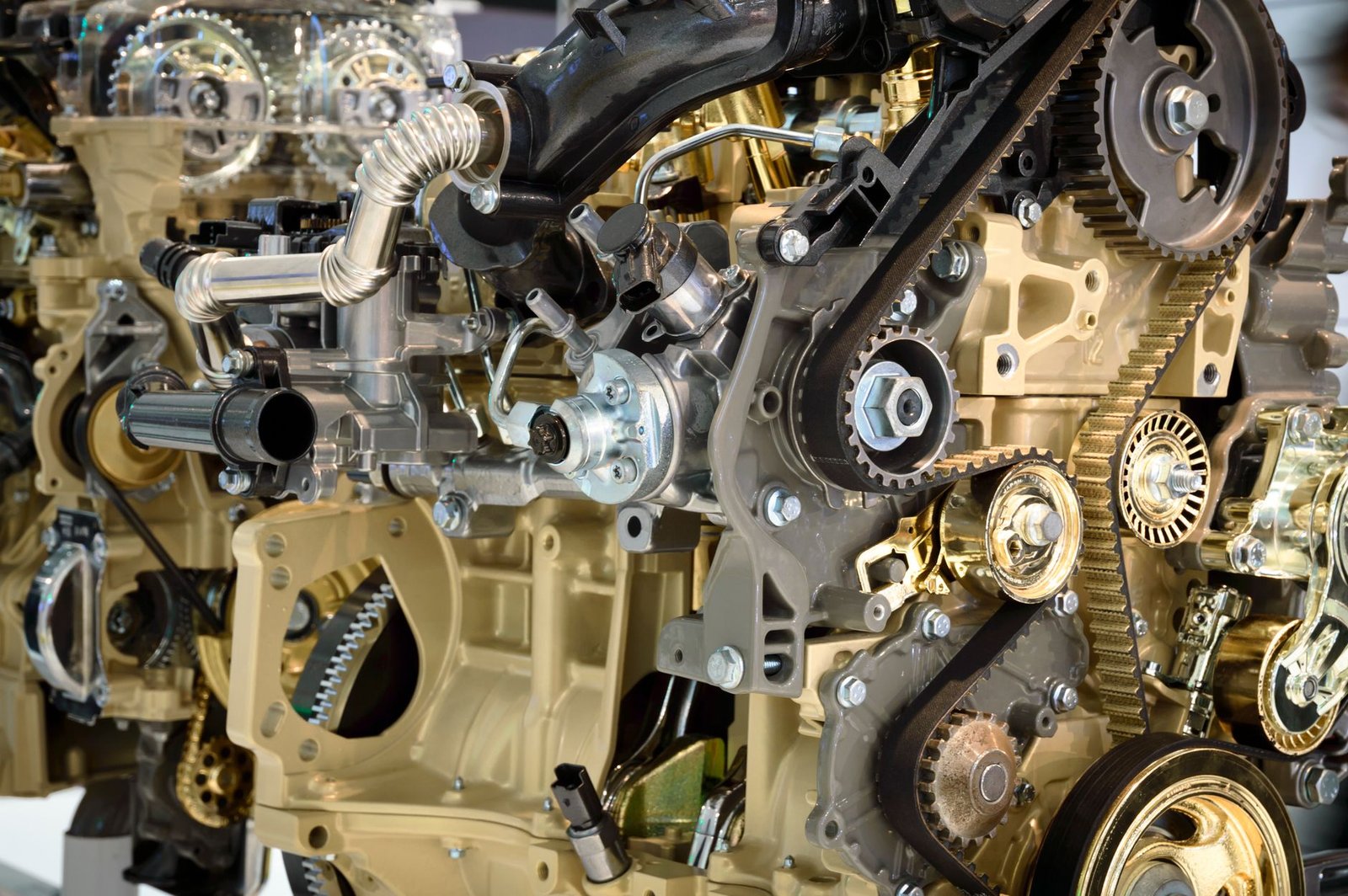
Subaru’s more recent boxer engines use a timing chain rather than a timing belt, which generally means less scheduled maintenance since chains are designed to last the life of the engine rather than needing periodic replacement. Older boxer engines that used a timing belt still require replacement on a mileage-based interval, so it’s worth confirming which setup your specific engine code uses rather than assuming based on model year alone, since Subaru transitioned at different points across different engine families.
CVT vs. Manual Transmission Considerations
Many modern Subarus come equipped with a continuously variable transmission rather than a traditional automatic, and CVTs have a reputation, fair or not, for being less forgiving of neglected fluid changes than a conventional automatic. If you’re buying a used CVT unit or a vehicle with one, ask about fluid change history specifically, since a CVT that’s had regular fluid services tends to hold up considerably better than one that hasn’t.
Manual transmissions remain available on some trims and tend to be simpler and cheaper to source used parts for, since there’s less electronic complexity involved in the unit itself.
Suspension and Ride Quality Notes
Subaru’s raised ride height on models like the Outback and Forester, combined with the added weight of the AWD hardware, puts somewhat more stress on front strut mounts and control arm bushings than a comparable front-wheel-drive-only vehicle. A clunking noise over speed bumps or rough pavement is one of the more common complaints on higher-mileage examples, and it’s usually a worn strut mount rather than anything more serious. It’s a straightforward fix with used parts, since strut assemblies interchange readily across most of the lineup.
Control arm bushings can also soften over time, especially in a climate like Chicago’s where road salt accelerates corrosion on the mounting hardware. A visual inspection for cracked rubber or excessive play is worth doing on any used Subaru before buying, regardless of mileage.
Buying a Used Subaru Engine or Transmission
Because the boxer engine layout is unique to Subaru among mainstream manufacturers, engines don’t interchange with other brands the way some inline-four engines do. This actually works in a buyer’s favor in one sense: the used Subaru engine market is deep, since the same basic boxer architecture has been used across the Outback, Legacy, Forester, and Impreza for decades, meaning a wide pool of donor vehicles feeds the supply of used engines regardless of which specific model you drive.
When shopping for a used Subaru transmission, confirm whether your vehicle uses a CVT or a conventional automatic, since these are not interchangeable with each other even within the same model year. The vehicle’s build sheet or a VIN decode will confirm which transmission type you actually have.
Where Englewood Used Auto Parts Fits In
Every Subaru engine and transmission we sell is tested before it’s cataloged, including a check for head gasket history where applicable. Browse our used auto parts inventory or call ahead with your VIN to confirm current availability.
Not sure how to confirm your VIN before ordering? Our VIN and vehicle compatibility guide covers exactly what to check. And since many Subaru parts interchange across the Outback, Legacy, and Forester lineup, our interchange parts guide explains how that works in more detail.

Frequently Asked Questions
Do all Subarus have head gasket problems?
No. The issue was most common on 2.5-liter boxer engines from the 2000s. Newer Subaru engines improved the gasket design significantly, though it’s still worth asking about history on any used engine, regardless of age.
Is a Subaru CVT reliable?
It can be, provided fluid changes were kept up. A CVT that’s been neglected on fluid service tends to fail earlier than one maintained on schedule, more so than with a conventional automatic transmission.
Why do Subaru wheel bearings wear faster than average?
Full-time all-wheel drive puts more constant rotational load on the wheel bearings compared to a front-wheel-drive-only vehicle, which can shorten their service life somewhat.
Do parts interchange between Outback, Legacy, and Forester?
Many engine, transmission, and driveline parts do interchange across these models since they share the same basic platform and boxer engine family, though always confirm with a full part number rather than assuming by model name alone.
What should I check before buying a used Subaru engine?
Ask about head gasket history, check for coolant loss or white exhaust smoke, and confirm the exact engine code matches your vehicle rather than relying on model year alone.
Have a question about a specific Subaru part or model? Contact our parts counter and we’ll help you track down what you need.

Leave a Reply