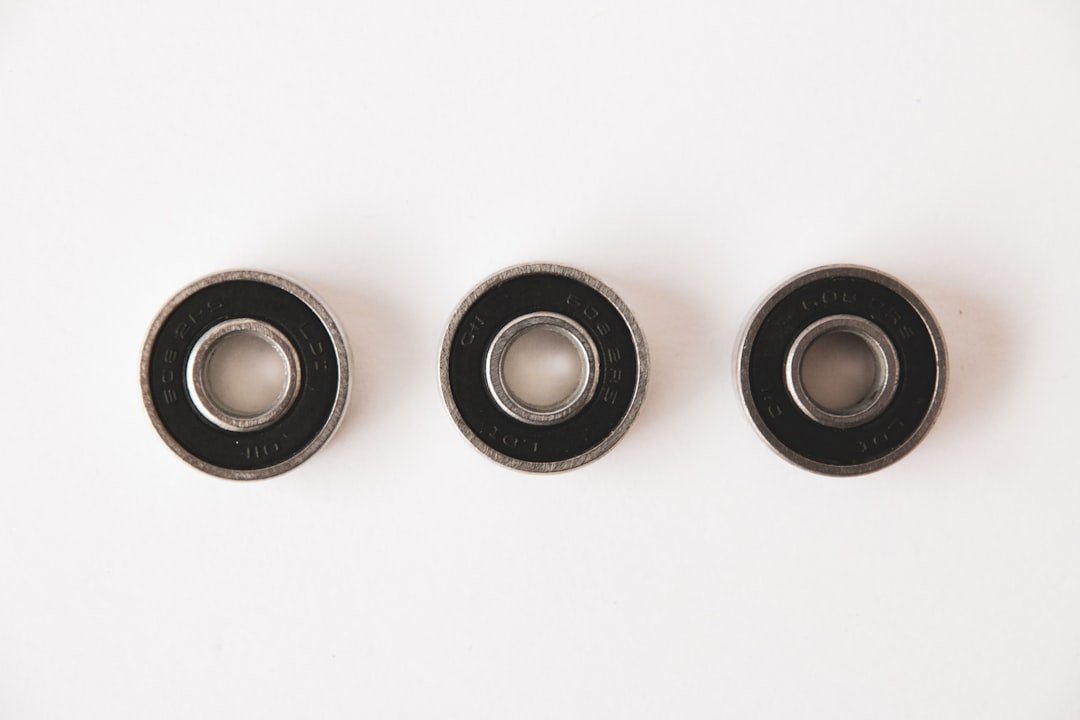
A worn wheel bearing announces itself with a distinctive humming or growling noise that most drivers notice long before they know what’s actually causing it. Left unaddressed, it can progress from an annoying sound to an actual safety issue, since a wheel bearing failure can eventually allow excessive wheel play or even wheel separation in extreme, long-neglected cases.
This guide covers how to recognize a failing wheel bearing, the difference between older bearing designs and modern hub assemblies, what to check before buying a used replacement, and why front and rear bearings often wear at different rates.
Wheel Bearing vs. Hub Assembly
| Design | Description | Common On |
|---|---|---|
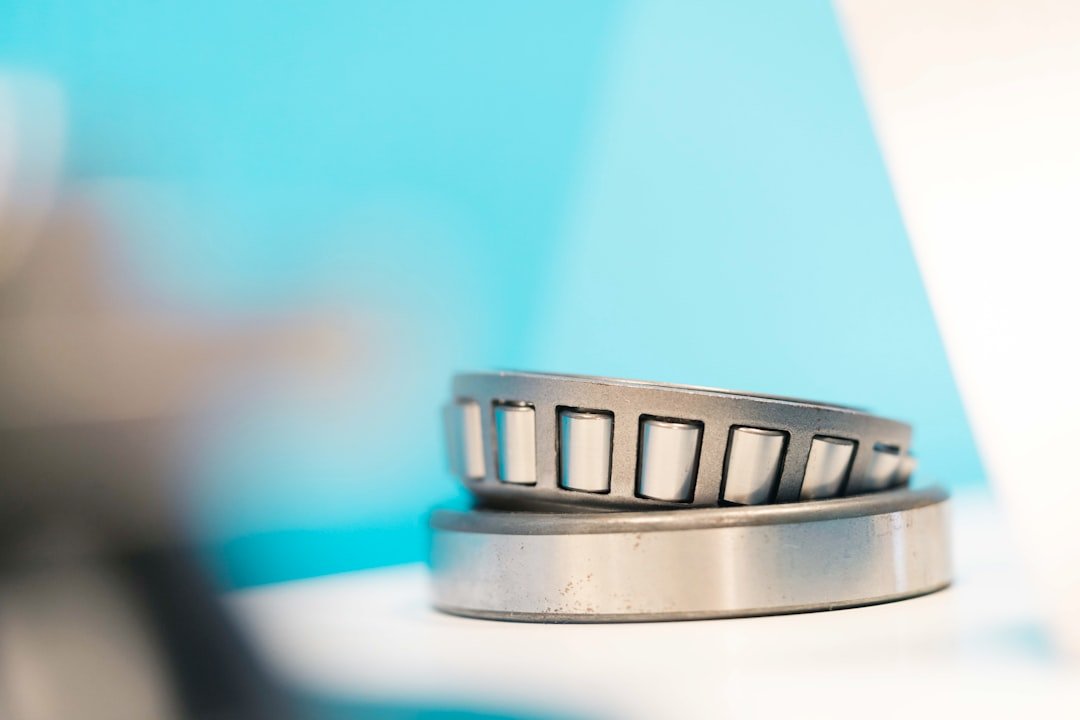
| Serviceable bearing | Individual bearing races and rollers packed with grease, replaceable separately from the hub | Older vehicles, some trucks |
| Hub assembly (sealed unit) | Bearing pre-sealed and integrated with the hub, wheel speed sensor often built in | Most vehicles since the 1990s-2000s |
Modern vehicles overwhelmingly use sealed hub assemblies rather than serviceable bearings, which simplifies replacement (the whole unit bolts in as one piece) but means you can’t just repack the bearing with fresh grease the way older designs allowed.
Signs of a Failing Wheel Bearing
- A humming, growling, or roaring noise that changes pitch with vehicle speed and often gets louder when turning.
- A grinding or clicking sound, usually a sign the bearing has progressed to a more advanced stage of failure.
- Steering wheel vibration that increases with speed.
- Uneven tire wear, since a worn bearing can allow slight wheel misalignment.
- ABS warning light illumination, since many modern hub assemblies integrate the wheel speed sensor the ABS system relies on.
How to Diagnose Which Wheel
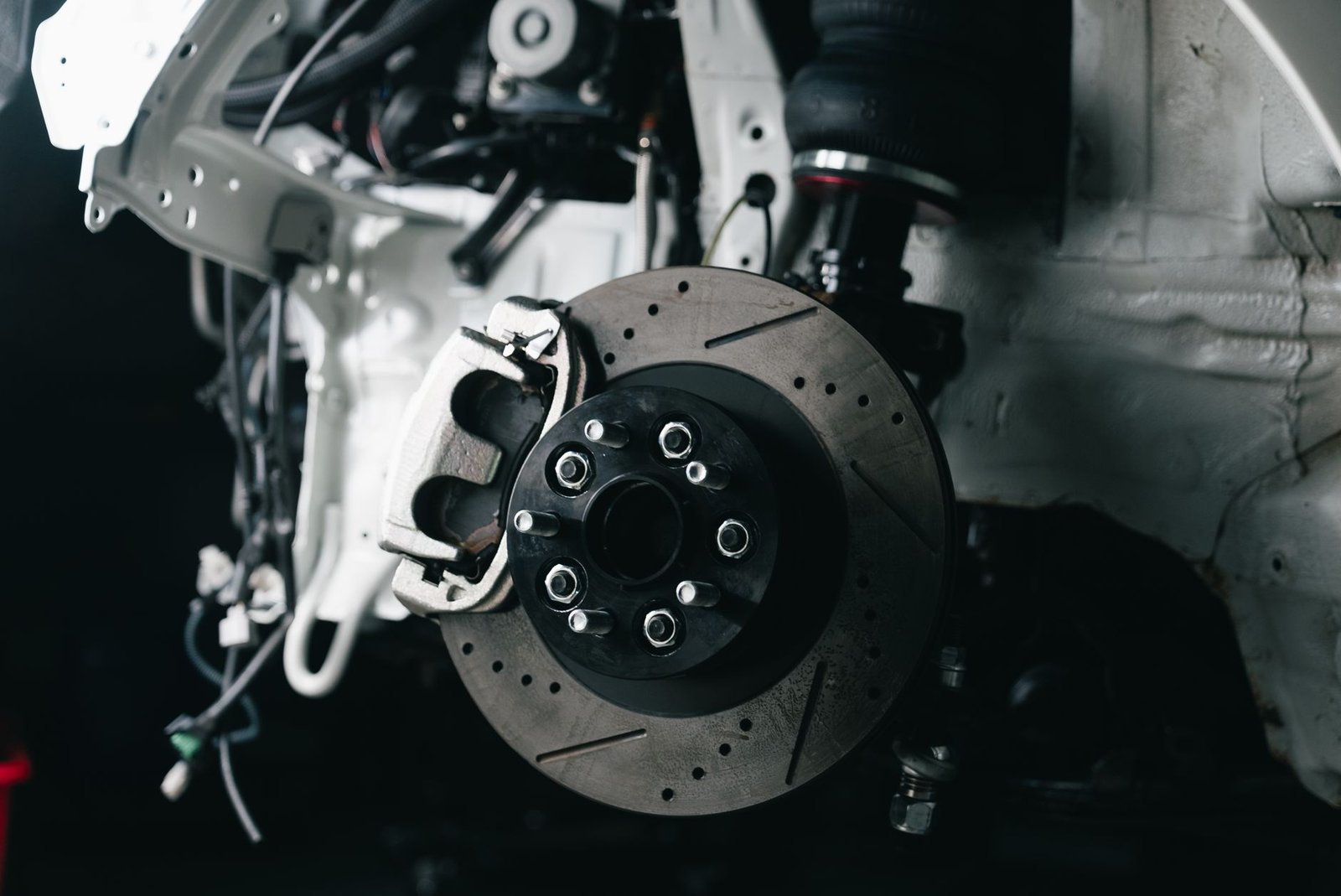
Wheel bearing noise typically gets louder when weight shifts toward the affected side, so a rough test is to find a straight, empty stretch of road and gently weave left and right at a safe, low speed. If the noise gets noticeably louder when weight shifts onto a particular side, that’s usually the affected wheel. This isn’t a substitute for a proper inspection on a lift, but it’s a useful way to narrow down where to look first.
The Wheel Speed Sensor Connection
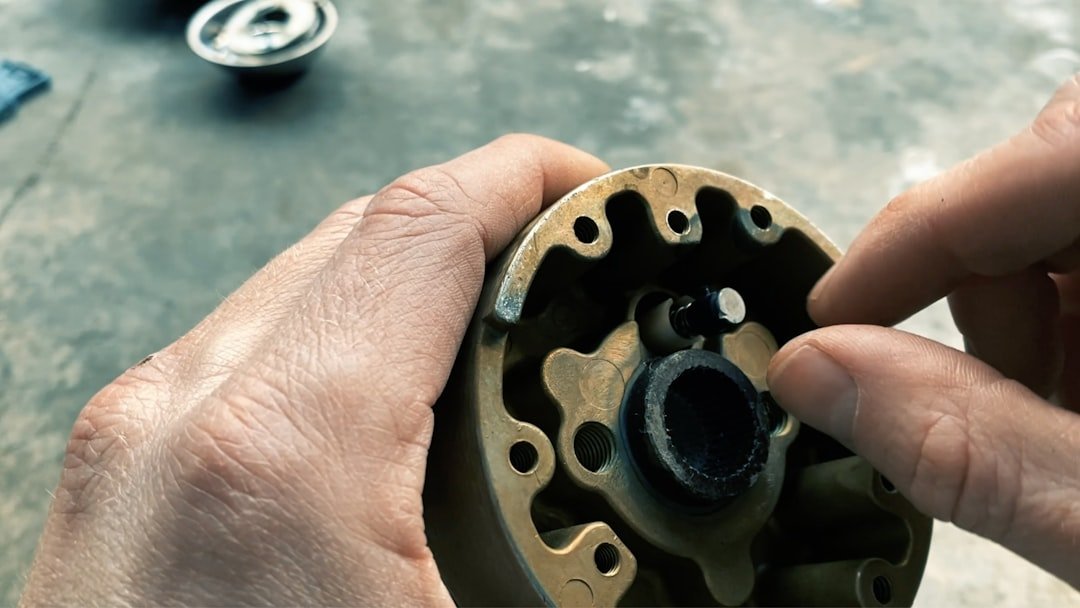
On vehicles with a sealed hub assembly, the wheel speed sensor for the ABS and traction control systems is often built directly into the bearing unit itself. This means a failing bearing can sometimes trigger ABS or traction control warning lights before the noise becomes obvious, and it also means a used hub assembly needs to include a functioning sensor, not just a mechanically sound bearing.
Buying Used Wheel Bearings and Hub Assemblies
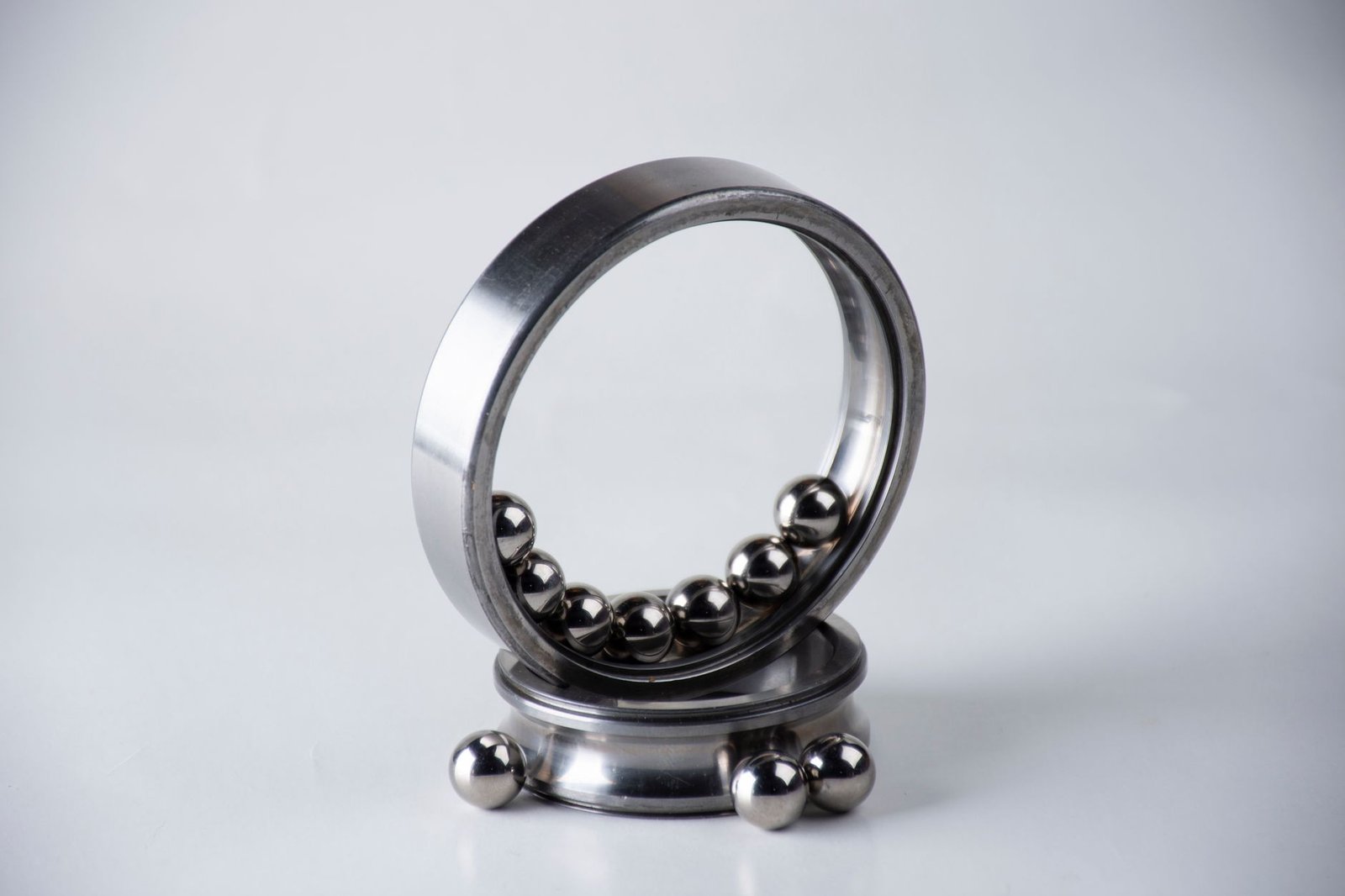
Because a worn bearing is a safety-relevant part, inspection matters more here than on many other used components. Spin the hub by hand and feel for any roughness, grinding, or notchy resistance, which indicates worn rollers or races. Check for any play when you grab the hub flange and try to rock it, since excessive play indicates a bearing that’s already failing. If the unit includes a wheel speed sensor, confirm it’s intact and undamaged, since a cracked or corroded sensor connector is a common issue on otherwise good used hubs.
Why Wheel Bearings Fail
Wheel bearings are designed to handle enormous radial and axial loads over hundreds of thousands of miles, but a few factors accelerate their wear well beyond normal expectations. Water intrusion past a damaged seal introduces contamination and washes away the internal grease, and this is a particularly common issue in climates with harsh winters, where road salt and slush work their way past aging seals more easily than plain water would. Impacts from potholes or curbs can also damage a bearing’s internal races even without any immediately obvious symptoms, with noise developing gradually over the following weeks or months.
Manufacturing defects account for a small percentage of failures, but the overwhelming majority of wheel bearing problems trace back to contamination, physical impact damage, or simply reaching the end of a long, normal service life.
Front vs. Rear Wheel Bearings
Front wheel bearings on most modern vehicles tend to wear faster than rear ones, particularly on front-wheel-drive cars, since the front bearings handle both the vehicle’s weight and the additional stress of steering and, on driven wheels, power transfer. Rear wheel bearings on a front-wheel-drive vehicle are often simpler, non-driven units that see comparatively less stress and tend to last longer as a result.
On all-wheel-drive and four-wheel-drive vehicles, this distinction narrows considerably, since power is transferred to all four wheels rather than concentrated on the front pair, which tends to even out wear across all four corners over the vehicle’s life. This is worth keeping in mind when budgeting for replacement, since an AWD vehicle showing bearing symptoms on one corner is statistically more likely to need attention on other corners before too long.
Cost of Replacement: Sealed Units vs. Serviceable Bearings
Sealed hub assemblies typically cost more per unit than old-style serviceable bearings did, since you’re replacing the entire assembly, including the hub flange and often an integrated sensor, rather than just the bearing races and rollers. However, labor time is usually lower with a sealed unit, since there’s no packing grease or adjusting bearing preload involved, which can offset some of the higher parts cost depending on the specific vehicle and shop labor rates.
Where Englewood Used Auto Parts Fits In
Every wheel bearing and hub assembly we sell is spun and checked for play and roughness before it’s cataloged, including verifying any integrated wheel speed sensor is intact. Browse our used auto parts inventory or call ahead with your VIN to confirm current availability, particularly if you need a matched pair for the front or rear axle.
Not sure how to confirm your VIN before ordering? Our VIN and vehicle compatibility guide covers exactly what to check, and our brake parts guide covers the rotor and caliper components that share the same corner of the vehicle and are often serviced together. If the noise is more of a whine or clunk from underneath rather than from a specific wheel, our driveshaft and differential guide covers that separate diagnosis.
Frequently Asked Questions
What does a bad wheel bearing sound like?
A humming, growling, or roaring noise that changes pitch with speed and often gets louder when turning. As it worsens, it can progress to a grinding or clicking sound.
Can a bad wheel bearing trigger the ABS light?
Yes, on vehicles where the wheel speed sensor is built into the hub assembly. A failing bearing can affect sensor readings before the noise becomes obvious.
How do I know which wheel has the bad bearing?
Weaving gently left and right at a low, safe speed on an empty road can help, since bearing noise typically gets louder when weight shifts onto the affected side. A proper inspection on a lift confirms it.
Is it safe to buy a used wheel bearing or hub assembly?
Yes, provided you spin the hub by hand to check for roughness or grinding, check for play when rocking the flange, and confirm any integrated wheel speed sensor is intact and undamaged.
Can I repack a modern wheel bearing with new grease?
Not on most modern vehicles. Sealed hub assemblies are integrated units rather than serviceable bearings, so the entire unit is replaced rather than repacked.
Have a question about a specific wheel bearing or hub assembly for your vehicle, or need help confirming whether it includes a wheel speed sensor? Contact our parts counter and we’ll help you track it down.

Leave a Reply