

A rough idle, a check engine light, or a subtle loss of power under acceleration are often traced back to two of the cheapest, most overlooked parts on the entire engine: spark plugs and ignition coils. Here’s how to tell which one is causing your symptoms, and why these two parts are usually bought new rather than used.
This guide covers how the ignition system works, common failure symptoms, and why spark plugs and ignition coils are one of the few categories where we generally recommend new parts over used.
How the Ignition System Works
Modern gasoline engines use an ignition coil to step up battery voltage into the tens of thousands of volts needed to jump the gap at the spark plug’s electrode, igniting the compressed air-fuel mixture in the cylinder at precisely the right moment. Older vehicles used a single coil and a distributor to route spark to each cylinder in sequence; most vehicles built since the late 1990s use individual coils mounted directly over each spark plug, eliminating the distributor and its associated wear parts entirely.

Symptoms of a Failing Spark Plug or Coil
- A rough or uneven idle, sometimes felt as a slight shudder through the cabin.
- Reduced fuel economy, since incomplete combustion wastes fuel.
- Hesitation or a noticeable loss of power under acceleration.
- A check engine light, often with a specific misfire code identifying which cylinder is affected.
- In more advanced cases, a rough enough misfire that it’s audible as a distinct “miss” in engine sound.
Spark Plug vs. Ignition Coil: Which Is It?
| Symptom Pattern | More Likely Cause |
|---|---|
| Misfire code isolated to one cylinder, other cylinders fine | Ignition coil or spark plug specific to that cylinder |
| Rough idle across all cylinders, gradually worsening | Spark plugs nearing end of service life across the board |
| Misfire that gets worse in wet weather | Ignition coil or spark plug wire insulation breakdown |
| Misfire that comes and goes with engine temperature | Often coil-related, as heat cycling stresses coil windings |
Why New, Not Used, for These Parts
Spark plugs and ignition coils are two of the few part categories where we generally steer customers toward new rather than used. Spark plugs are a wear item by design, with a limited service life measured in tens of thousands of miles, and a used plug offers little insight into how much of that life remains just by looking at it. Ignition coils are solid-state electronic components with no easy way to visually verify remaining lifespan, and the cost of a new coil is low enough that the labor and uncertainty of sourcing and testing a used one rarely pays off.

This is different from mechanical parts like alternators or water pumps, where physical wear is visible and testable. A coil either works or it doesn’t, and there’s no reliable way to confirm “doesn’t yet, but might soon” on a used unit.
Gapping Spark Plugs
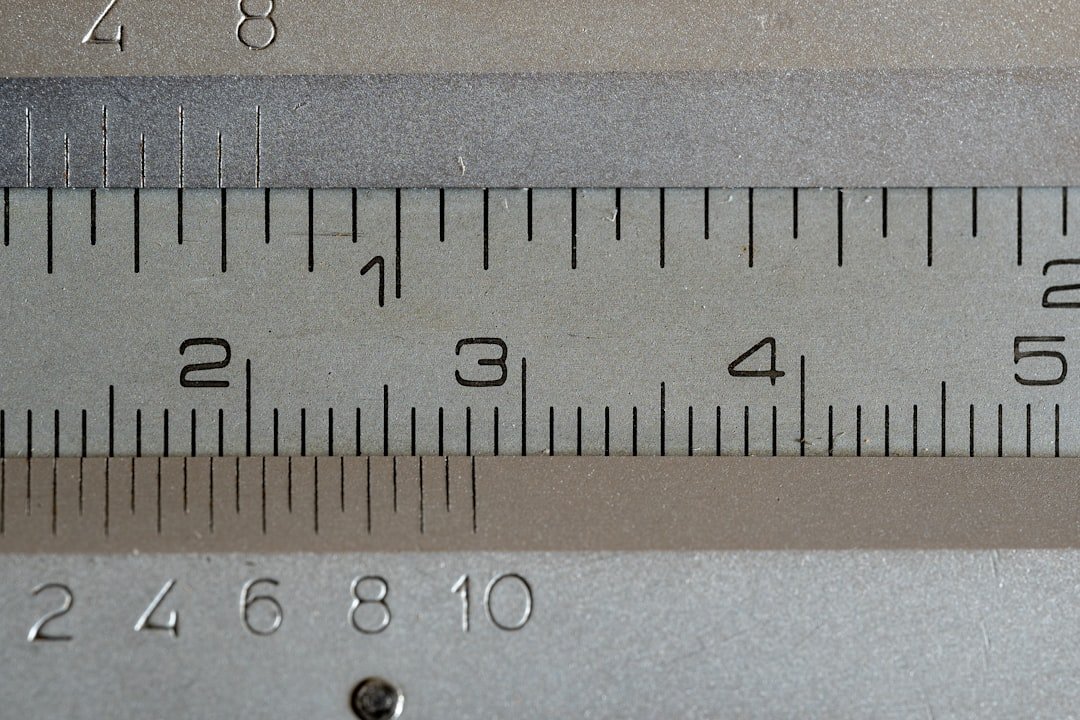
Some spark plugs, particularly older designs and certain aftermarket replacements, require the electrode gap to be manually set to the manufacturer’s specification using a gap tool before installation. Many modern pre-gapped plugs don’t require this step, but it’s always worth confirming against your vehicle’s specifications rather than assuming, since an incorrect gap can cause exactly the misfire symptoms you’re trying to fix.
Replacement Intervals and Tools
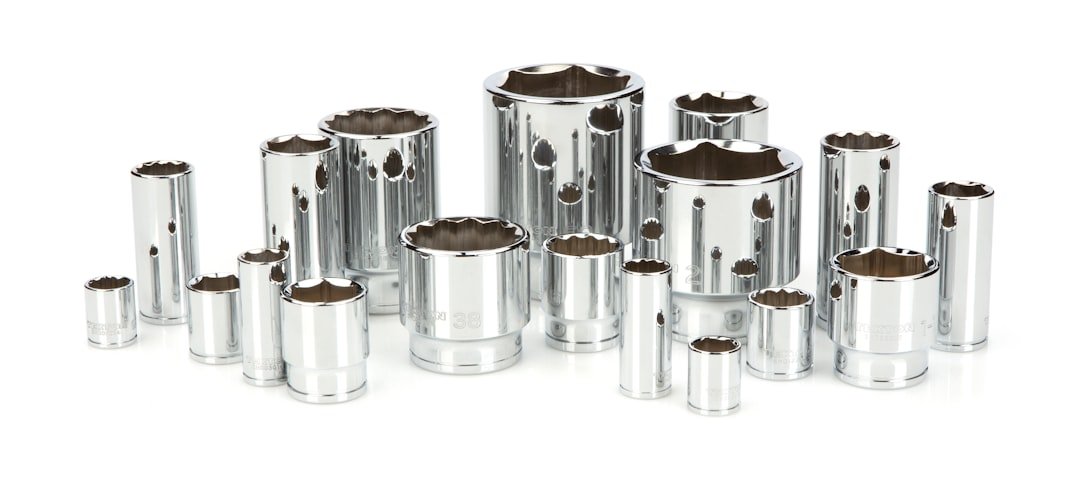
Spark plug replacement intervals vary significantly by plug material, from around 30,000 miles for standard copper plugs to 100,000 miles or more for iridium or platinum-tipped plugs. A basic spark plug socket set with an extension and a swivel adapter handles most vehicles, though some engines require removing additional components like intake manifold covers to access the plugs, which is worth researching before starting the job.
Coil-on-Plug vs. Distributor Systems
The shift from distributor-based ignition to individual coil-on-plug systems eliminated several once-common failure points entirely: the distributor cap, rotor, and spark plug wires all wore down over time and needed periodic replacement on older vehicles. Coil-on-plug systems, by contrast, have fewer moving parts and no separate wire runs to degrade, which is part of why modern vehicles generally go longer between ignition-related service visits than vehicles from the 1980s and 1990s did.
If you’re working on an older vehicle that still uses a distributor, know that a worn distributor cap or rotor can cause misfire symptoms that look identical to a bad spark plug or coil, so it’s worth ruling out those components too before assuming the problem is isolated to a single cylinder’s plug.
When a Misfire Isn’t Ignition at All
Not every rough idle or misfire code traces back to spark plugs or coils. Vacuum leaks, clogged fuel injectors, low fuel pressure, and even a failing catalytic converter can produce symptoms that look identical to an ignition problem from the driver’s seat. A proper diagnostic scan reading the specific misfire code, combined with checking spark and fuel delivery independently, is the most reliable way to narrow down the actual cause rather than guessing based on symptoms alone.
This is one reason a coil-swap test between cylinders is so useful: if the misfire follows the coil to a different cylinder, ignition is confirmed as the cause. If it stays on the same cylinder regardless of which coil is installed, the problem likely lies elsewhere, such as a fuel injector or a compression issue specific to that cylinder.
Where Englewood Used Auto Parts Fits In
While we don’t stock used spark plugs or ignition coils for the reasons above, we do carry the used components that commonly get misdiagnosed for ignition issues, along with everything else under the hood. Browse our used auto parts inventory or call ahead with your VIN to confirm current availability on related components.

Not sure how to confirm your VIN before ordering? Our VIN and vehicle compatibility guide covers exactly what to check, and our engine buying guide covers broader engine health beyond just the ignition system.
Frequently Asked Questions
Should I buy used spark plugs or ignition coils?
Generally no. Both are inexpensive new, and there’s no reliable way to verify remaining service life on a used spark plug or confirm a used ignition coil won’t fail shortly after installation.
How do I know if it’s the spark plug or the coil?
A misfire code isolated to one cylinder points to either the coil or plug on that cylinder specifically. Swapping a coil between cylinders and seeing if the misfire follows it is a common diagnostic trick to narrow down which component is at fault.
Do all spark plugs need to be gapped before installation?
Not always. Many modern plugs come pre-gapped from the factory, but it’s worth confirming against your vehicle’s specifications rather than assuming, since an incorrect gap can cause misfire symptoms.
How often should spark plugs be replaced?
It varies by plug material, from around 30,000 miles for standard copper plugs up to 100,000 miles or more for iridium or platinum-tipped plugs. Check your owner’s manual for the specific interval.
Can a bad ignition coil damage other parts?
Prolonged misfiring can allow unburned fuel to reach the catalytic converter, potentially causing overheating and damage there over time, which is one reason it’s worth addressing ignition issues promptly rather than ignoring a check engine light.
Have a question about a related engine component or need help diagnosing a misfire? Contact our parts counter and we’ll help you figure out what’s going on.



Leave a Reply