A clunking noise on acceleration, a vibration that builds with speed, or a whining sound from underneath the vehicle can all point to a worn driveshaft or differential, two parts that see enormous stress transferring engine power to the wheels but rarely get a second thought until something actually goes wrong.
This guide covers what these parts actually do, how they differ between two-wheel-drive, four-wheel-drive, and all-wheel-drive vehicles, the difference between open and limited-slip units, and what to check before buying used.
What the Driveshaft and Differential Actually Do
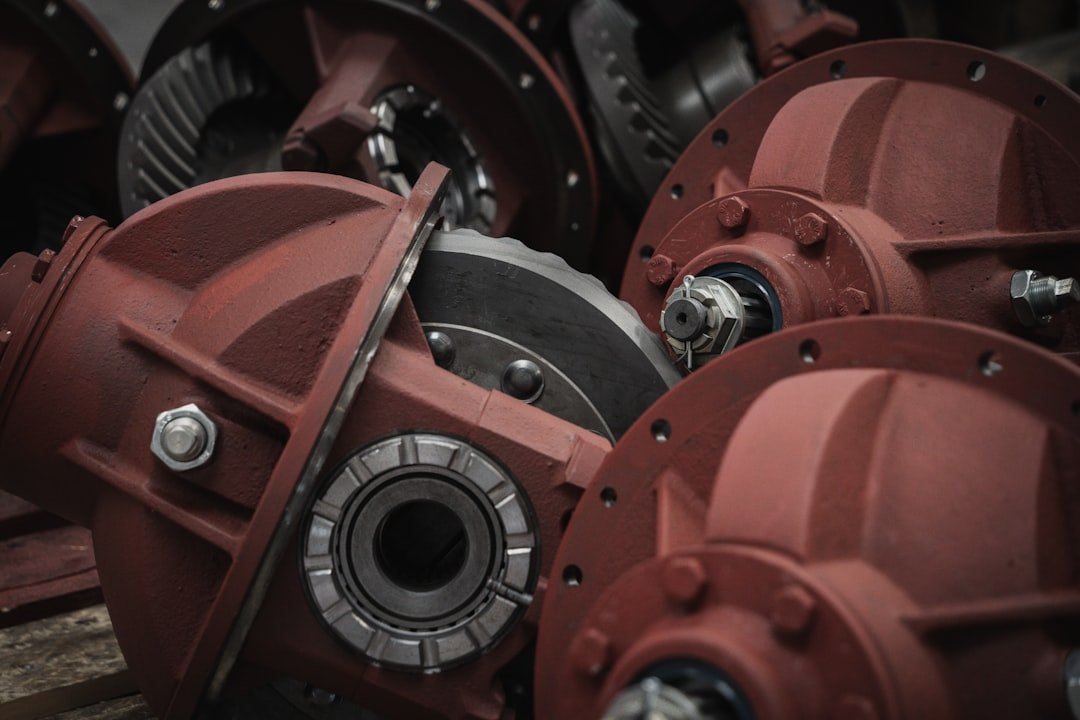
On a rear-wheel-drive or four-wheel-drive vehicle, the driveshaft is a rotating tube that transfers power from the transmission to the rear axle. The differential, housed at the rear axle (and sometimes at the front axle on 4WD and AWD vehicles), splits that power between the two wheels on that axle while allowing them to spin at slightly different speeds during turns, since the outer wheel travels a longer path than the inner wheel.
Front-wheel-drive vehicles don’t use a traditional driveshaft in the same sense, since power goes directly from the transaxle to the front wheels through CV axles instead, though many still have a rear differential if they’re equipped with all-wheel drive rather than pure front-wheel drive.
Signs of a Worn Driveshaft or U-Joint
- A clunking noise when shifting from park to drive, or when accelerating from a stop.
- A vibration that builds progressively with vehicle speed, often felt through the floor or seat.
- A squeaking noise at low speeds, sometimes indicating a U-joint in need of lubrication or replacement.
- Visible play when the driveshaft is grabbed and twisted by hand with the vehicle safely supported.
Signs of a Failing Differential
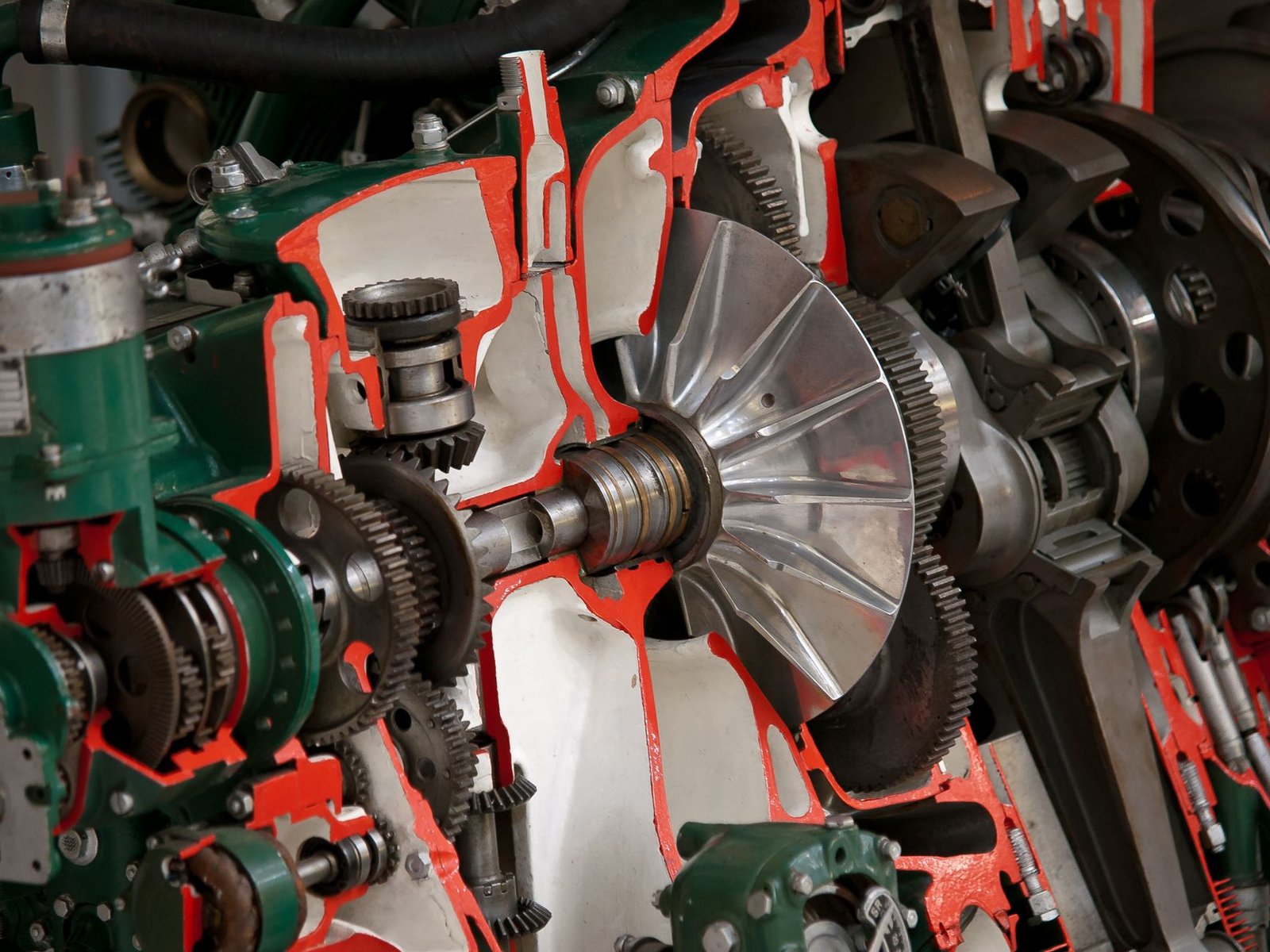
A whining or howling noise that changes pitch with vehicle speed is the classic differential symptom, similar in character to a wheel bearing but originating from the axle housing rather than a wheel. A clunking noise specifically during turns, rather than straight-line acceleration, points more toward the differential’s internal gears than the driveshaft itself. Low or contaminated gear oil is a common root cause, since these components rely on a specific heavy-weight lubricant to protect the gear teeth under load.
2WD vs. 4WD vs. AWD Differences
| Drivetrain | Driveshaft Configuration | Differential Count |
|---|---|---|
| Rear-wheel-drive (2WD) | Single driveshaft from transmission to rear axle | One, at the rear |
| Four-wheel-drive (4WD) | Front and rear driveshafts, engaged through a transfer case | Two, front and rear |
| All-wheel-drive (AWD) | Similar to 4WD but power split is often automatic rather than driver-selected | Two, front and rear |
4WD and AWD vehicles carry more driveline components overall, which means more potential wear points but also a wider pool of used parts across trims and model years that share the same basic architecture. Confirming which configuration your specific vehicle uses before ordering a part saves a return trip and a mismatched fitment.
Buying Used Driveshafts and Differentials
Because these are heavy, load-bearing parts, physical inspection matters. Check the driveshaft for visible dents or bends, which can throw off balance even if the U-joints themselves are fine. Rotate it by hand and feel for roughness or notchy resistance in the U-joints. For a differential, check the housing for cracks and confirm the fill plug hasn’t been stripped, and ask about mileage and any known gear noise history from the donor vehicle.
U-Joints: The Wear Point Within the Wear Point
Universal joints, or U-joints, are the pivoting connections at each end of a driveshaft that allow it to flex slightly as the suspension moves and the angle between the transmission and axle changes. Each U-joint contains a cross-shaped bearing assembly packed with grease, and over time that grease breaks down or gets contaminated with moisture, leading to increased friction, heat, and eventually failure. Some U-joints have a grease fitting allowing periodic lubrication; others are sealed for life and simply get replaced as a unit once worn.
A failed U-joint left unaddressed can eventually separate entirely, which is both a safety issue and something that can cause additional damage to the transmission or transfer case as the driveshaft flails loose. This is one wear item worth addressing promptly rather than waiting once symptoms appear.
Center Support Bearings on Two-Piece Driveshafts
Longer vehicles, particularly trucks and SUVs, often use a two-piece driveshaft with a center support bearing holding the middle section steady. This bearing is a wear item in its own right, and a failing center support bearing typically produces a vibration or clunk similar to a worn U-joint, but originating from the middle of the vehicle’s underside rather than either end. It’s worth checking this component specifically on longer-wheelbase vehicles rather than assuming any driveline noise traces back to the more commonly discussed U-joints alone.
Limited-Slip vs. Open Differentials
Most vehicles use an open differential, which always sends equal torque to both wheels on an axle but can struggle for traction if one wheel loses grip entirely, such as on ice or in mud. Limited-slip differentials use additional internal clutches or gearing to bias power toward the wheel with better traction, improving performance in slippery conditions at the cost of added mechanical complexity and, generally, a shorter service interval for the specialized limited-slip fluid these units require.
When sourcing a used differential, confirm whether your vehicle came with an open or limited-slip unit, since they are not interchangeable and a limited-slip unit typically commands a higher price in the used market due to demand from performance-oriented buyers.
Where Englewood Used Auto Parts Fits In
Every driveshaft and differential we sell is inspected for straightness, U-joint play, and housing condition before it’s cataloged. Browse our used auto parts inventory or call ahead with your VIN to confirm current availability, especially for 4WD and AWD-specific configurations or limited-slip units where fitment matters more than usual.

Not sure how to confirm your VIN before ordering? Our VIN and vehicle compatibility guide covers exactly what to check, and our CV axle guide covers the front-wheel-drive equivalent of this same power-transfer job.
Frequently Asked Questions
What does a clunking noise from underneath usually mean?
It often points to a worn U-joint on the driveshaft, though it can also indicate a differential issue if the clunk happens specifically during turns rather than straight-line acceleration.
What causes a differential to whine?
A whining or howling noise that changes pitch with speed usually points to worn internal gears, often related to low or contaminated gear oil that failed to protect the gear teeth under load over time.
Do front-wheel-drive cars have a driveshaft?
Not in the traditional sense. Power goes from the transaxle to the front wheels through CV axles instead, though many all-wheel-drive versions of front-wheel-drive-based platforms still have a rear differential.
How do I check a used driveshaft before buying?
Look for visible dents or bends that could throw off balance, and rotate it by hand to feel for roughness or notchy resistance in the U-joints.
Does a 4WD vehicle have two differentials?
Yes, one at the front axle and one at the rear, connected through a transfer case that engages four-wheel-drive power delivery.
Have a question about a specific driveshaft or differential for your vehicle, including whether it’s an open or limited-slip unit? Contact our parts counter and we’ll help you track it down.
Leave a Reply