

Chicago winters leave a mark, road salt, potholes, and months of cold-weather stress add up, and spring is the natural time to check what needs attention before warmer weather driving ramps up. This checklist picks up where our winter car prep checklist left off.
This guide covers pothole damage, undercarriage salt buildup, tire pressure after temperature swings, brakes after a season of wet and salted roads, and getting the AC ready for summer.
Check for Pothole Damage
Winter’s freeze-thaw cycle is brutal on pavement, and pothole season typically peaks in early spring as roads that survived the winter finally give way. Hitting a deep pothole can bend a wheel, damage a tire’s sidewall, or knock the suspension and alignment out of spec, sometimes without any dramatic noise at the moment of impact.
If you’ve hit a few potholes over the winter without inspecting afterward, it’s worth checking for a pulling sensation while driving straight, uneven tire wear, or a wheel that looks slightly bent when you look at it head-on.
Wash the Undercarriage
Months of accumulated road salt sit on the undercarriage, wheel wells, and frame rails long after the snow has melted, and that residue continues corroding metal even in warmer weather if it’s never washed off. A thorough undercarriage wash, many car washes offer this as an add-on, removes salt buildup before it causes lasting damage.
Recheck Tire Pressure
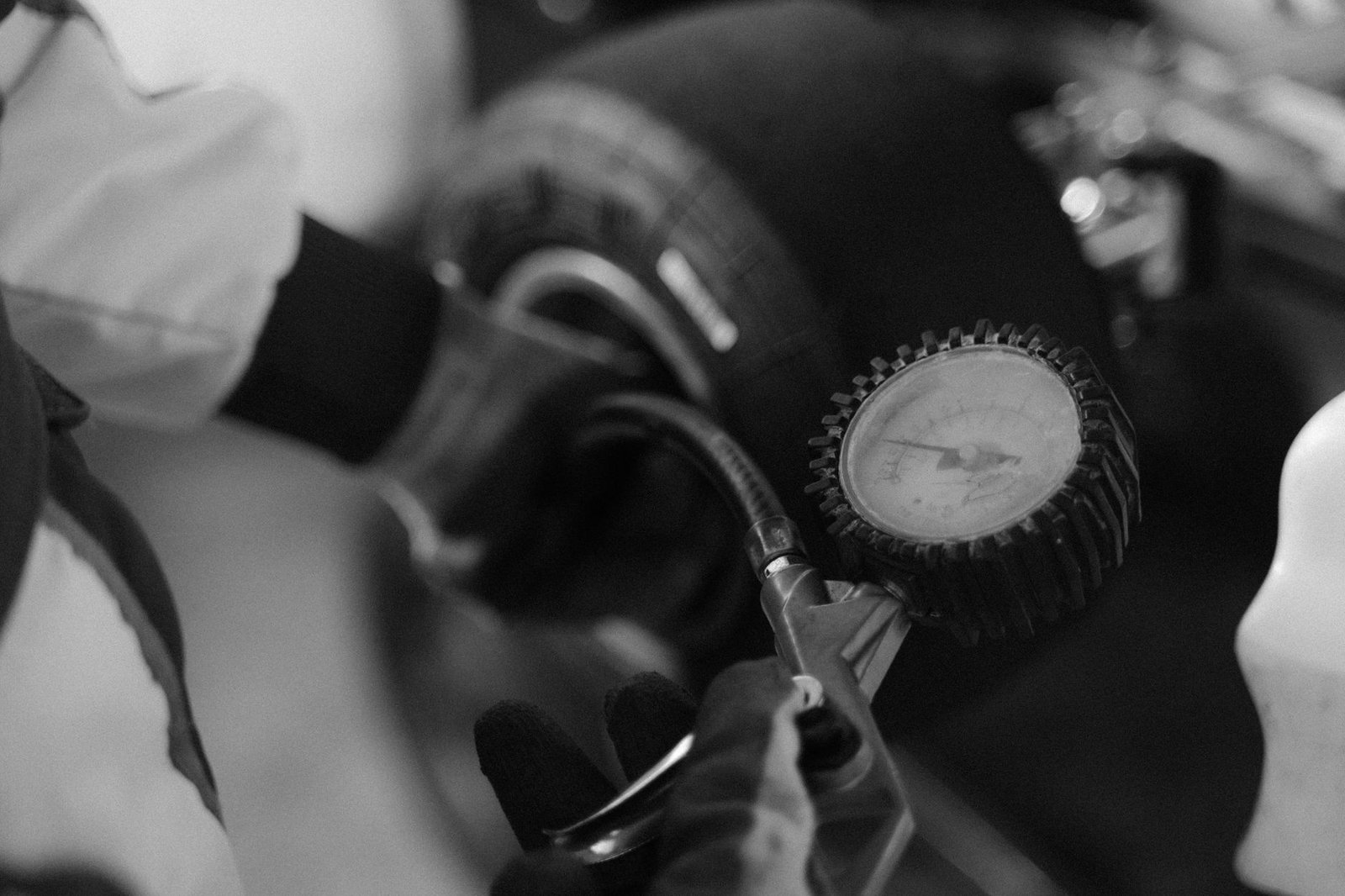
Tire pressure drops in cold weather and doesn’t automatically correct itself when temperatures warm back up, so it’s worth rechecking all four tires plus the spare now that winter’s cold snaps have passed. A meaningful swing from winter’s coldest mornings to spring’s milder temperatures can leave tires under or overinflated relative to where they were set months ago.
Inspect Wiper Blades
Winter ice and scraping are hard on wiper blades, and spring’s rain makes worn blades immediately obvious through streaking and skipping. If you didn’t replace blades in the fall, spring is a natural second checkpoint, especially if you scraped ice off the windshield with the wipers still down over the winter.

Check Brakes After a Salted Winter
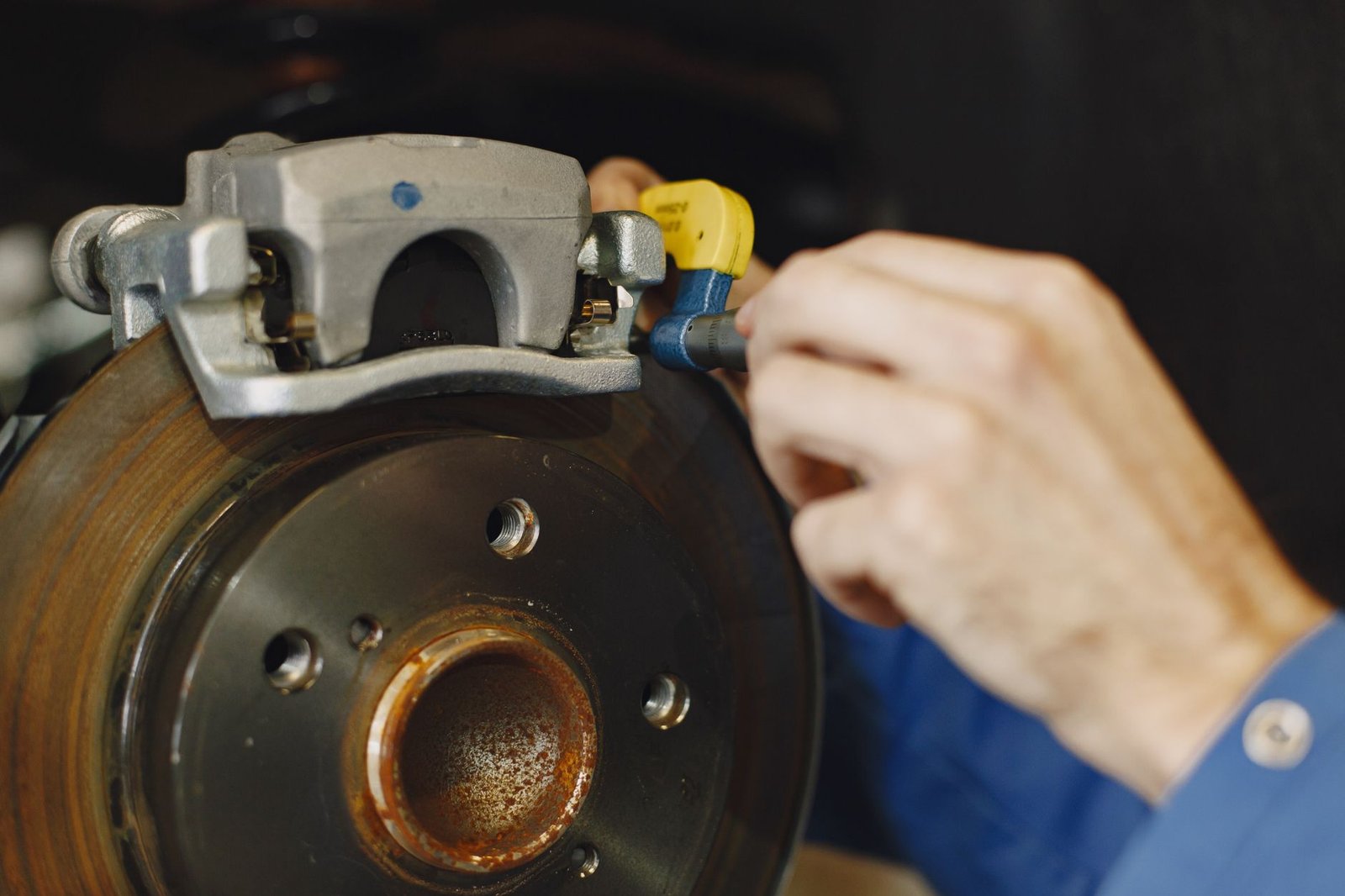
A winter of wet, salted roads accelerates corrosion on brake components, particularly rotors and calipers, and it’s worth a visual check for rust buildup or uneven wear before you’re back to regular warm-weather driving. Squealing, grinding, or a pulsing brake pedal are all worth addressing promptly rather than waiting.
Get the AC Ready for Summer
There’s nothing worse than discovering your AC doesn’t work on the first genuinely hot day of the year. Spring is a good time to run the AC on a mild day and confirm it’s blowing cold, since a slow refrigerant leak or a failing compressor is much easier to address calmly in April than during a July heat wave when everyone else has the same problem and shop schedules fill up fast.
Weak airflow rather than warm air can also point to a clogged cabin air filter, an inexpensive, easy fix that’s worth ruling out before assuming a more expensive AC component has failed.
Check Suspension After a Winter of Potholes
Beyond wheel damage, repeated pothole impacts over a winter of driving can gradually loosen or wear suspension components: control arm bushings, tie rod ends, and strut mounts all take a beating from sharp impacts, even when no single hit felt severe enough to cause immediate concern. A clunking noise over bumps, a vehicle that feels looser through corners than it did in the fall, or uneven tire wear that’s developed over the winter are all worth a proper inspection.
This is a good time to have the alignment checked as well, since a single significant pothole impact can throw off alignment even without any other visible damage, leading to gradual, uneven tire wear that’s easy to miss until it’s fairly advanced.
Inspect Belts and Hoses
Cold weather is hard on rubber components throughout the engine bay, and belts and hoses that were already showing wear going into winter often finish the season in noticeably worse condition. Look for cracking, glazing, or fraying on serpentine belts, and check hoses for soft spots, bulges, or brittleness. A belt or hose failure while driving is a roadside inconvenience at best and a more serious problem at worst, so catching wear now is worth the few minutes it takes.
Battery Health After a Cold Winter
Batteries that survived a hard winter without failing outright can still have lost meaningful capacity from months of cold-weather strain, and a battery on its way out often doesn’t show obvious symptoms until it fails without warning. If your battery is more than three years old and made it through winter without needing a jump, it’s still worth having it load-tested in spring, since a battery that’s lost significant capacity performs adequately in mild weather right up until the next cold snap catches it off guard.
Where Englewood Used Auto Parts Fits In
If your spring inspection turns up a part that needs replacing, whether it’s a wheel bent from a pothole, a corroded brake rotor, or an AC component, we stock tested used parts for a wide range of makes and models. Browse our used auto parts inventory or call ahead with your VIN to confirm current availability.

Our rust and used parts guide covers what to check for corrosion specifically, and our wheel bearing and hub assembly guide covers the symptoms of a wheel bent or knocked out of alignment by a pothole. Our shocks and struts guide covers the bounce test if you suspect the suspension took the brunt of a winter of rough roads.

Frequently Asked Questions
How do I know if a pothole damaged my car?
Watch for a pulling sensation while driving straight, uneven or premature tire wear, a wheel that looks visibly bent, or any new vibration that wasn’t present before. Not all pothole damage is immediately obvious.
Why should I wash the undercarriage in spring?
Months of accumulated road salt continue corroding metal even after the snow melts, and a thorough undercarriage wash removes that residue before it causes lasting damage to the frame and suspension components.
Does tire pressure need rechecking in spring?
Yes. Tires set to the correct pressure during winter’s cold snaps can be under or overinflated once temperatures warm up in spring, since pressure changes with temperature but doesn’t correct itself automatically.
When should I test my AC before summer?
As early in spring as possible, on a mild day. This gives you time to diagnose and repair a slow leak or failing component before the first genuinely hot day, when everyone else has the same problem and shops get busy.
Are brakes affected by a winter of salted roads?
Yes, salt accelerates corrosion on rotors and calipers specifically. A visual check for rust buildup or uneven wear, along with attention to any new squealing or pulsing, is worth doing each spring.
Should I check my battery in spring even if it survived winter?
Yes, especially if it’s more than three years old. A battery can lose meaningful capacity from cold-weather strain without failing outright, and a load test in spring catches this before the next cold snap catches you off guard.
Have a spring car care question, need help diagnosing something a pothole might have knocked loose, or need a part before summer driving season? Contact our parts counter and we’ll help you track it down.
Leave a Reply