
Heavy or noisy steering gets blamed on “the power steering” as a catch-all, but the pump and the rack (or the electric assist motor on newer vehicles) fail in different ways and for different reasons. Telling them apart before buying a part saves you from replacing the wrong component and still having the same problem.
This guide covers how to tell a failing pump from a failing rack, what electric power steering changes about the diagnosis, and what to check before buying a used part.
Pump vs. Rack: Telling Them Apart
| Symptom | Likely Culprit | Why |
|---|---|---|
| Whining or groaning noise that changes with engine RPM | Pump | Classic sign of a hydraulic pump struggling or low on fluid |
| Steering heavy at idle, better once revved | Pump | Pump output is often RPM-dependent |
| Excessive play or looseness in the wheel | Rack and pinion | Points to internal wear in the rack itself |
| Clunking or knocking when turning | Rack, tie rods, or related linkage | Worn internal components or connections |
| Fluid puddle under the front of the vehicle | Rack or pump seal leak | Check both for external leaks before assuming which |
| Vehicle wanders or pulls even with good alignment | Rack | Can indicate internal wear affecting steering precision |
Electric Power Steering: A Different Set of Symptoms
Most new vehicles now use electric power steering (EPS) rather than a hydraulic pump, which changes the diagnosis entirely. EPS systems use an electric motor rather than hydraulic pressure, so there’s no fluid to check or whine to listen for. Instead, EPS failures typically show up as a warning light on the dashboard, a sudden loss of assist (steering becomes very heavy all at once), or intermittent assist that cuts in and out. EPS motors and control modules are more of an electrical diagnosis than a mechanical one, often requiring a scan tool to pull the specific fault code.
What to Check Before Buying a Used Power Steering Part
- For a hydraulic pump, confirm it was tested for output pressure, not just spun by hand.
- For a rack and pinion, check for smooth movement across the full range of travel with no binding, and inspect the boots for tears that could have let contaminants in.
- For an EPS motor or control module, confirm it’s specific to your exact trim, since steering assist calibration can vary even within the same model.
- Ask whether the donor vehicle had any related warning lights or steering complaints before the part was pulled.
According to the Motorist Assurance Program, the industry group behind uniform inspection standards for undercar service, steering and suspension components should be inspected together, since wear in one system often accelerates wear in the other. A rack or pump replaced without checking related suspension components can mask a problem rather than fully resolve it.
Why Tire Wear Matters to This Diagnosis
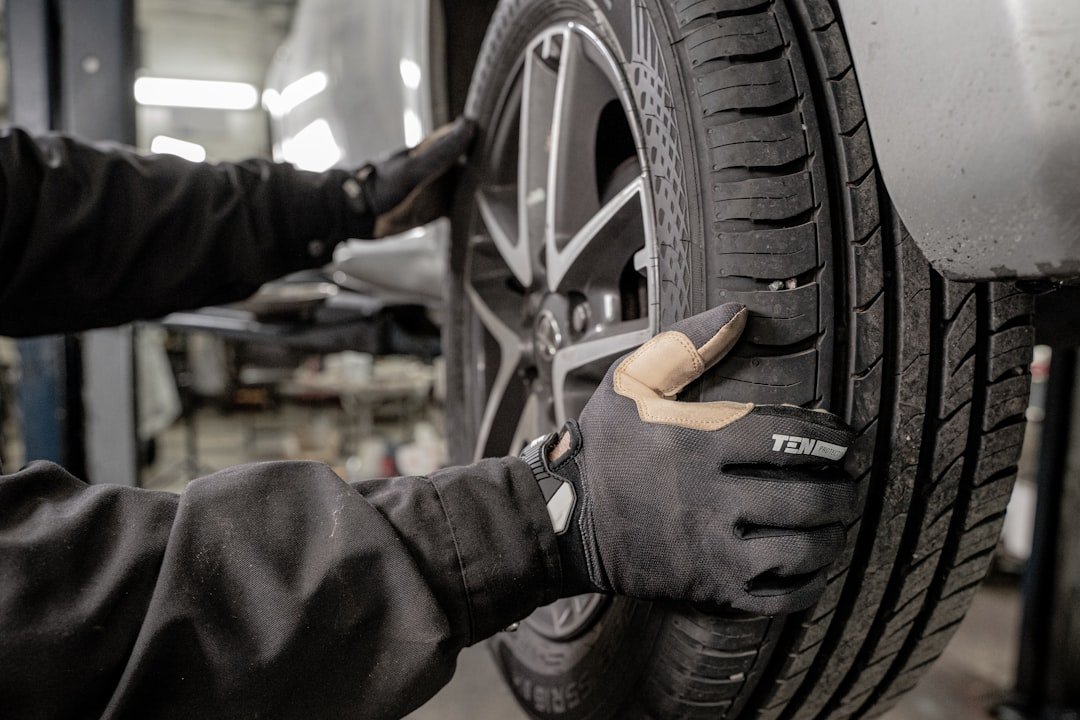
Uneven or unusual tire wear patterns can point back to a steering problem rather than a suspension or alignment issue alone. A rack with excessive internal play can cause the wheels to toe in and out slightly as you drive, wearing tires unevenly even with a technically correct alignment setting. If you’re chasing unexplained tire wear, it’s worth having the steering system checked alongside the usual alignment and suspension inspection.
Power Steering Fluid: Why the Type Matters
Not all power steering fluid is interchangeable. Some manufacturers specify automatic transmission fluid (ATF) for their power steering systems, while others require a dedicated power steering fluid, and using the wrong type can cause seals to swell, harden, or degrade over time, leading to leaks and pump wear that wouldn’t otherwise occur. If you’re inheriting a used vehicle or troubleshooting a leak, confirming the correct fluid type in the owner’s manual is worth the two minutes it takes, especially before topping off with whatever happens to be on the shelf.
Typical Costs: Used vs. New
| Part | Typical Used Price | Typical New/Remanufactured Price |
|---|---|---|
| Power steering pump (hydraulic) | $40–100 | $150–350 |
| Rack and pinion assembly | $100–300 | $400–900 |
| EPS motor/control module | $150–350 | $500–1,200 |
Warranty Coverage
Because a steering failure has real safety implications, warranty coverage matters as much here as for any other part on this list. Look for at least a 30 to 90 day warranty, and ask specifically what testing was done before the part was cataloged.
Why a Steering Problem Is Never a “Wait and See”
Steering issues tend to worsen gradually rather than fail all at once, which makes them easy to put off. But a rack with excessive play or a pump that’s losing pressure rarely improves on its own, and continuing to drive on a marginal steering system means less precise control exactly when you might need it most, like in an emergency maneuver or on wet or icy roads. If you’ve noticed any of the symptoms above, even mildly, it’s worth having the system checked sooner rather than waiting for it to become impossible to ignore.

Where Englewood Used Auto Parts Fits In
Every steering component we sell is tested before it’s cataloged by make, model, and year, and backed by a warranty. Browse our used auto parts inventory or call ahead with your VIN to confirm current availability.
Not sure how to confirm your VIN before ordering? Our VIN and vehicle compatibility guide covers exactly what to check. If you suspect the suspension rather than steering specifically, our suspension parts guide covers what else to look for.
Frequently Asked Questions
How do I know if it’s my power steering pump or the rack?
A whining noise that changes with engine speed usually points to the pump, while looseness, clunking, or wandering while driving usually points to the rack. A shop can isolate which in a short inspection.
Do all cars still have power steering fluid?
No. Most new vehicles use electric power steering (EPS), which has no fluid and no pump. Older vehicles and some current models still use a hydraulic system with fluid.
What does an EPS warning light mean?
It typically indicates a fault in the electric power steering motor or control module. Unlike a hydraulic system, there’s no fluid to check, so this usually requires a scan tool to pull the specific fault code.
Can a steering problem cause uneven tire wear?
Yes. Excessive play in the rack and pinion can cause the wheels to toe in and out slightly while driving, wearing tires unevenly even with a correct alignment setting.
Do used power steering parts come with a warranty?
Reputable sellers typically offer 30 to 90 days. Ask specifically what testing was performed before the part was cataloged, given the safety implications of a steering component.
Does it matter which power steering fluid I use?
Yes. Some manufacturers specify automatic transmission fluid while others require a dedicated power steering fluid, and using the wrong type can degrade seals and cause leaks. Always check the owner’s manual for the correct fluid type.
Steering Wheel Vibration vs. Looseness
It’s worth distinguishing a vibration felt through the steering wheel from actual looseness in the wheel itself, since they point to different systems. A vibration that appears at highway speed and changes with speed usually traces back to a wheel or tire issue, like an imbalance or a bent rim, rather than the steering system itself. Actual play or looseness when you turn the wheel, on the other hand, points more directly at worn steering components like the rack, tie rods, or their mounting bushings. Confusing the two can lead to replacing the wrong part first.
Is steering wheel vibration the same as steering looseness?
No. Vibration that changes with speed usually points to a wheel or tire issue like imbalance, while actual play when turning the wheel points more directly at worn steering components like the rack or tie rods.
Not sure which steering part fits your vehicle? Contact our parts counter with your year, make, and model, and we’ll confirm availability and condition before you buy.

Leave a Reply