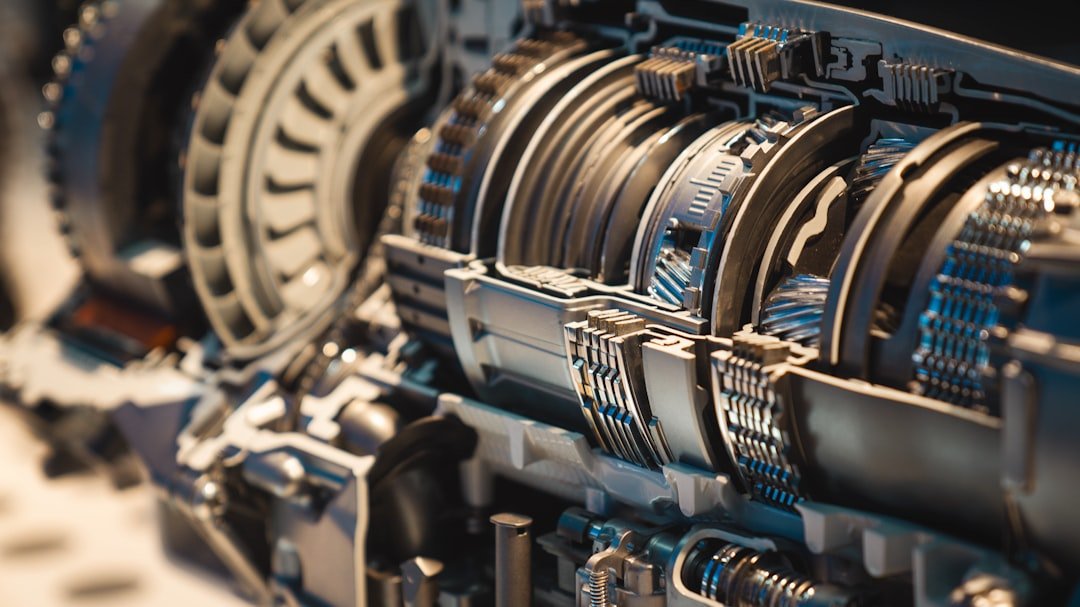
A transmission is one of the most expensive repairs a vehicle can need, which makes it one of the biggest reasons drivers shop used instead of new. It’s also one of the easiest parts to get wrong if you skip the inspection steps — a bad transmission is far more disruptive to swap twice than a bad alternator.
Unlike smaller components, a transmission failure often means the vehicle is undrivable in the meantime, which adds time pressure to a decision that really benefits from careful inspection. Knowing what to check ahead of time keeps that pressure from turning into a second, avoidable repair.
This guide covers what actually changes between automatic and manual units, how to read transmission fluid like a diagnostic tool, what a fair price looks like, and what warranty coverage should include before you buy.
Signs You Actually Need a Transmission Replacement
Not every transmission problem means a full replacement. Before you shop for a used unit, it’s worth ruling out cheaper fixes first.
- Slipping between gears or delayed engagement can sometimes be resolved with a fluid change or filter replacement rather than a full swap.
- Grinding or hard shifts in a manual are often the clutch, not the transmission itself — a much cheaper repair.
- Warning lights and fault codes should be scanned by a mechanic first; some sensor issues mimic transmission failure without requiring replacement.
- A transmission that’s leaking but otherwise shifting normally may just need a seal or gasket repair.
If a mechanic has confirmed the transmission itself has failed internally — worn clutch packs, damaged gears, or a cracked case — that’s when shopping for a replacement unit makes sense.
Automatic vs. Manual: What Changes When Buying Used
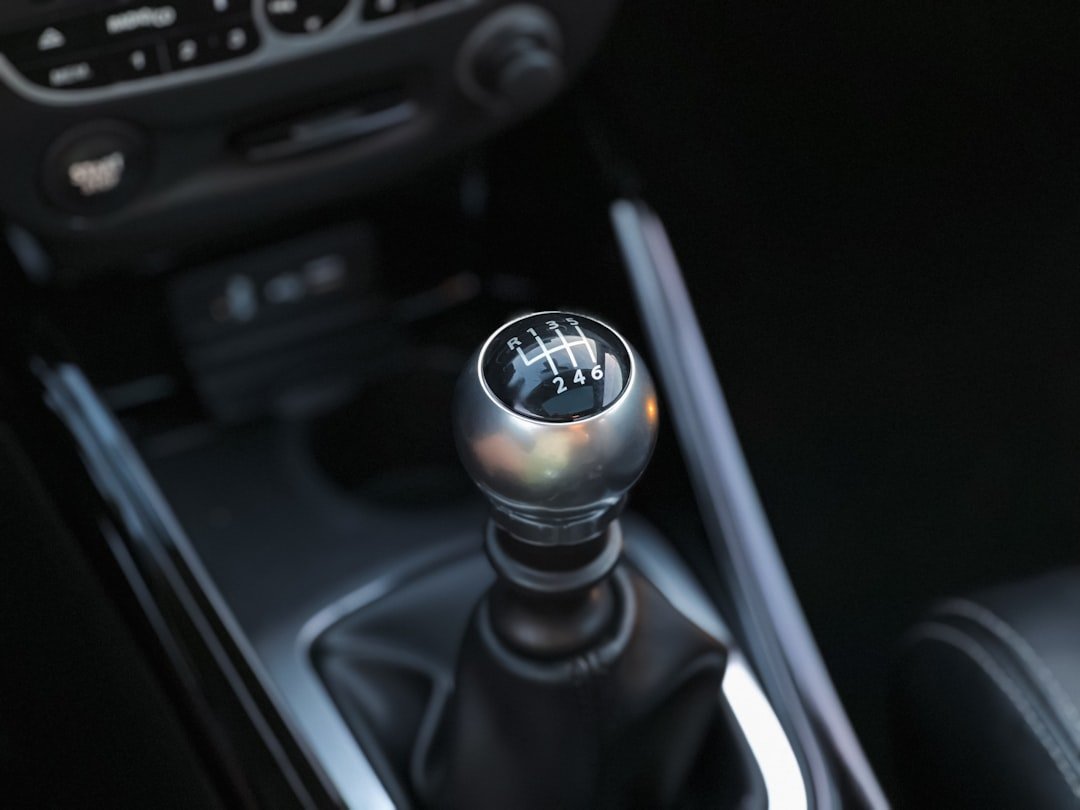
The core inspection steps are similar for both, but what you’re checking for differs. Automatics depend heavily on fluid condition and electronic sensors; manuals depend more on mechanical wear in the clutch and synchros.
Used automatics are also generally harder to find in good condition, since they’ve historically outnumbered manuals in daily-driver vehicles and see more stop-and-go duty cycles that stress the fluid and torque converter. A manual transmission with a worn clutch is often a cheaper, simpler fix than diagnosing an automatic with an intermittent electronic fault.
| Factor | Automatic | Manual |
|---|---|---|
| Primary wear point | Fluid condition, torque converter, solenoids | Clutch, synchros, shift linkage |
| Key inspection | Fluid color and smell, electronic fault codes | Shift feel through all gears, clutch engagement |
| Typical used price | Higher — more complex to test and rebuild | Lower — simpler mechanical design |
| Common failure sign | Slipping, delayed engagement, warning lights | Grinding gears, slipping clutch, hard shifts |
How to Check Transmission Fluid Before You Buy
Transmission fluid is the single best diagnostic tool available to you before a unit is even installed. Color and smell tell you almost everything about how the transmission was maintained.
| Fluid Appearance | What It Likely Means | What To Do |
|---|---|---|
| Pink to light red, clean smell | Healthy, well-maintained fluid | Good sign — proceed with other checks |
| Light brown, slightly worn | Aging fluid, still functional | Acceptable, but ask about maintenance history |
| Dark brown or black | Overdue for service or overheated | Ask about the cause before buying |
| Burnt smell | Likely internal overheating damage | Walk away or ask for a different unit |
| Milky or cloudy | Coolant contamination | Do not buy — indicates internal failure |
What to Inspect Beyond the Fluid
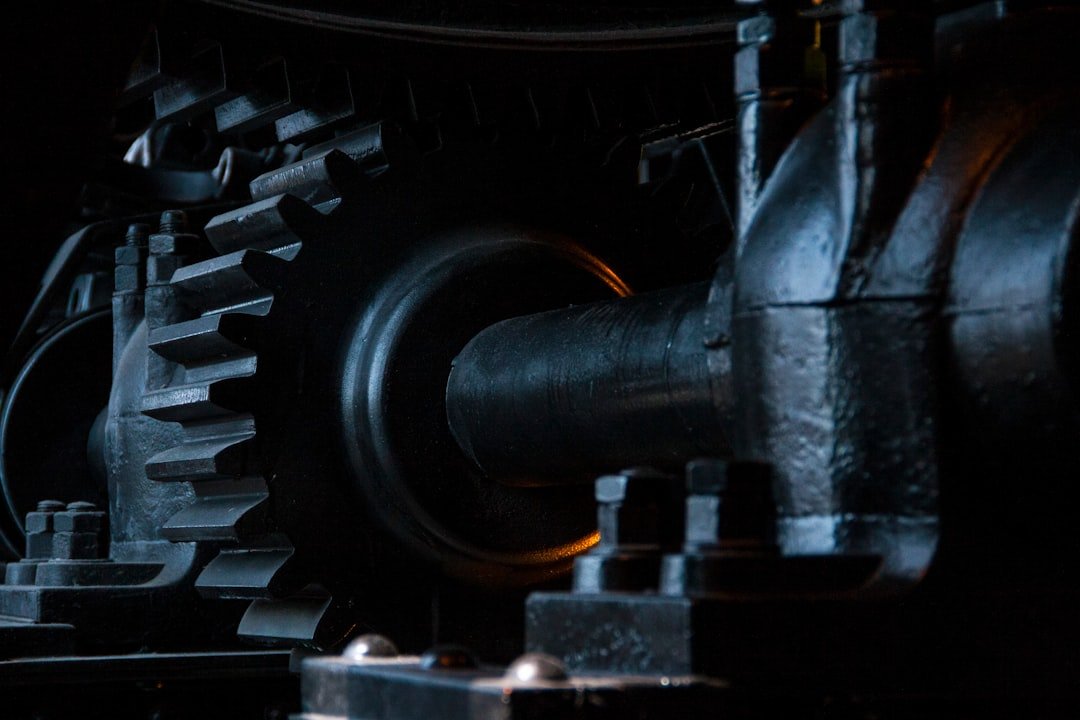
- Ask for the donor vehicle’s mileage and, if available, its maintenance records.
- Check the case for cracks, leaks, or repair welds.
- For automatics, ask whether the unit has been bench-tested or dyno-tested rather than just visually inspected.
- For manuals, ask about clutch wear specifically — it’s a wear item that may need replacing even on an otherwise good transmission.
- Confirm the transmission was pulled from a vehicle with a matching engine and drivetrain configuration, not just the same model name.

Typical Costs: Used vs. Rebuilt vs. New
Pricing varies significantly by vehicle and transmission type, but these ranges hold for most standard passenger vehicles.
| Source | Typical Price | Typical Warranty |
|---|---|---|
| Used, tested | $600–1,500 | 30–90 days |
| Rebuilt/remanufactured | $1,200–2,500 | 1–3 years |
| New OEM | $3,000–5,500+ | Manufacturer warranty |
According to ATRA, the trade association for transmission rebuilders, a professionally tested or rebuilt unit reduces the risk of comeback failures compared to an untested used unit — part of why rebuilt units carry a longer warranty at a higher price point.

Warranty Coverage
A transmission warranty should specify what’s covered (the whole unit or specific components), how long it lasts, and whether labor is included if it needs to come back out. Get this in writing before you buy, not after installation.
It’s also worth asking whether the warranty is void if a shop other than the seller performs the installation. Some sellers require their own installer or an approved shop to keep coverage valid, which matters if you’re planning to install the transmission yourself or use an independent mechanic.

Where Englewood Used Auto Parts Fits In
Every transmission we sell is disassembled, cleaned, and tested before it’s cataloged by make, model, and year, and it’s backed by a warranty. Browse our used auto parts inventory or call ahead with your VIN to confirm what’s currently available.
Comparing your options? Our junkyard vs. used auto parts store guide covers the tradeoffs between a self-service pull and a tested, warrantied unit like ours. If you’re also considering a full engine swap, how to choose the right used engine covers those additional questions.
We’ve cataloged transmissions and other drivetrain components since 1983, so our parts counter can typically confirm compatibility by VIN and check current stock in the same call. If you’re dealing with a dual-clutch transmission shudder on a Hyundai or Kia specifically, our Hyundai & Kia parts guide covers that issue in more depth.
Frequently Asked Questions
How long do used transmissions typically last?
A well-tested used transmission installed correctly can last as long as the original, often 100,000+ miles, though this depends heavily on the donor vehicle’s mileage and maintenance history.
What color should healthy transmission fluid be?
Pink to light red with a clean smell is the sign of healthy fluid. Dark brown, black, or burnt-smelling fluid usually indicates neglect or internal damage.
Is a rebuilt transmission better than a used one?
A rebuilt transmission has had worn components replaced and been tested, so it typically carries a longer warranty than a plain used unit — at a higher price. A tested used transmission is a reasonable middle ground on cost.
Can I install a used transmission myself?
It’s possible with the right tools and experience, but transmissions are heavy and the installation involves electrical and hydraulic connections. Many buyers have a shop handle installation even when they source the part themselves.
Do used transmissions come with a warranty?
Reputable sellers typically offer 30 to 90 days at minimum, with rebuilt units often covered longer. Always confirm coverage in writing before buying.
Do I need a new transmission, or can it be repaired?
Not always. Slipping, fluid leaks, and some fault codes can sometimes be resolved with a fluid change, seal replacement, or clutch service. A mechanic should confirm internal failure before you shop for a full replacement.
Not sure how to read your VIN? Our VIN and vehicle compatibility guide covers where to find it and what it tells a parts counter.
Shopping for a transmission often means shopping for an engine too. Our used engine buying guide covers mileage expectations, inspection points, and what a compression test tells you.
Shopping for a Honda transmission specifically? Our used Honda parts guide covers the models and model years with known transmission issues.
Shopping for a Ford transmission specifically? Our used Ford parts guide covers the well-documented PowerShift transmission issue on 2011-2016 Focus and Fiesta models.
Shopping for a Chevy or GM transmission specifically? Our used Chevrolet & GM parts guide covers the well-documented “Chevy Shake” issue on 2015-2018 models.
Have a transmission question specific to your vehicle? Contact our parts counter with your year, make, and model, and we’ll help you find the right fit.

Leave a Reply