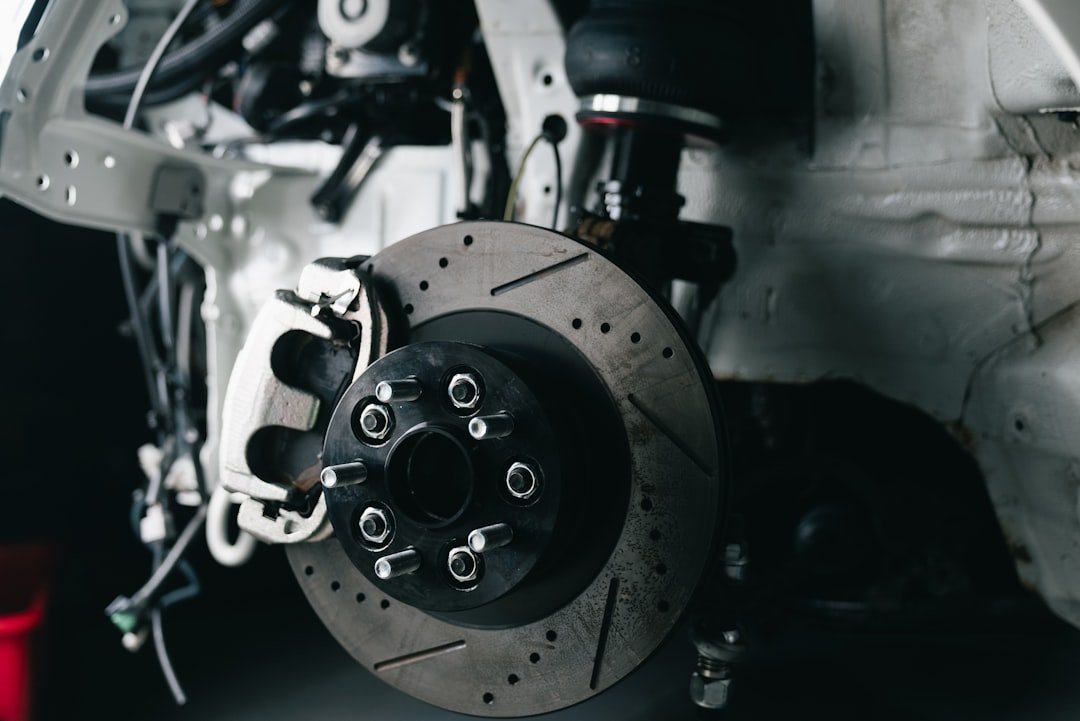
A worn suspension component doesn’t always announce itself clearly. Sometimes it’s a clunk over bumps, sometimes it’s a vehicle that pulls to one side, and sometimes it’s just a ride that feels a little looser than it used to. Matching the symptom to the right part is most of the battle before you even start shopping.
This guide covers how to translate common symptoms into the likely component, how to inspect used suspension parts before you buy, and what a fair price and warranty look like.
Common Suspension Symptoms and What They Usually Mean
| Symptom | Likely Component | Notes |
|---|---|---|
| Clunking over bumps | Worn control arm bushings or sway bar links | Often the cheapest fix in this list |
| Vehicle pulls to one side | Uneven strut/shock wear or alignment issue | Have alignment checked before replacing parts |
| Excessive bouncing after a bump | Worn shocks or struts | Classic sign of shock absorber failure |
| Clunking during turns | Worn ball joints or tie rod ends | Check for play by hand with the wheel off the ground |
| Uneven tire wear | Alignment, worn bushings, or ball joints | Address the root cause before replacing tires |
These are starting points, not diagnoses. More than one worn component can produce the same symptom, and a vehicle with 100,000-plus miles often has several parts nearing the end of their life at once. If you’re not sure which component is at fault, a shop can usually isolate it in a few minutes on a lift by grabbing the tire at 12 and 6 o’clock and checking for play, then again at 3 and 9 o’clock.
Why Chicago Roads Are Especially Hard on Suspension Parts
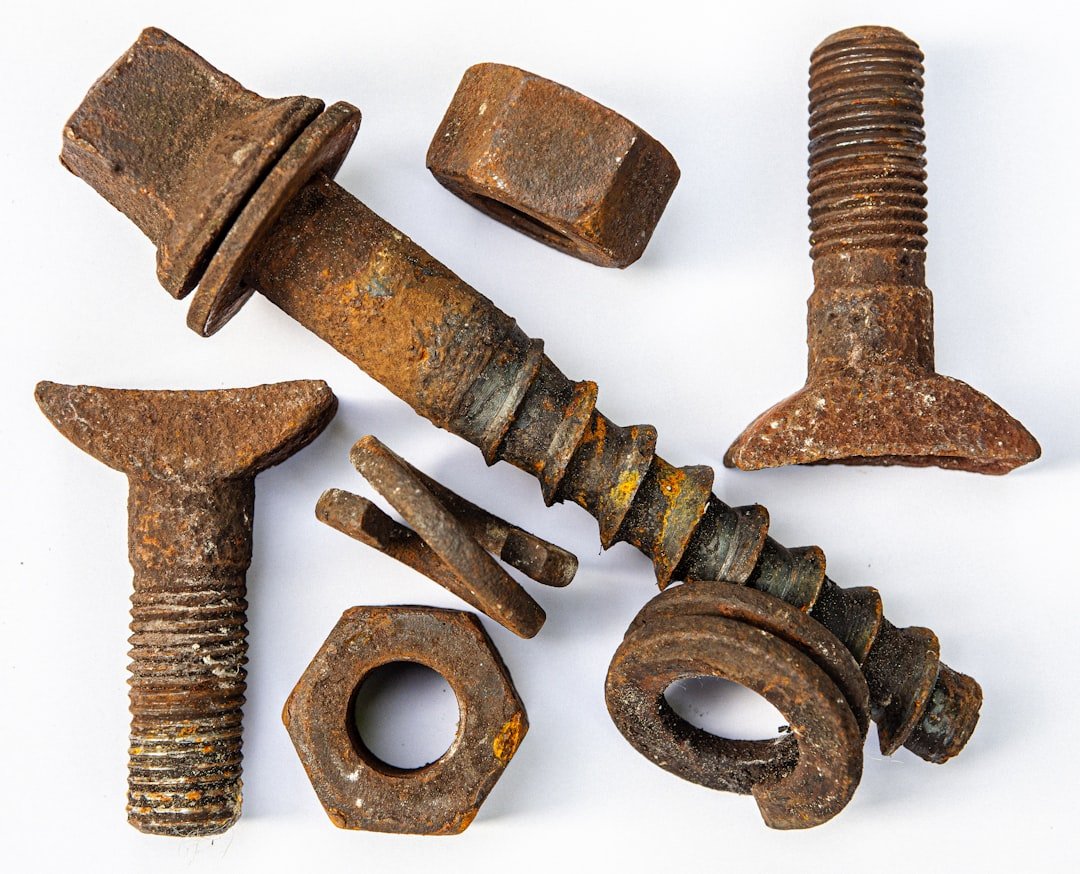
Potholes, freeze-thaw cycles, and road salt all take a toll on suspension components faster here than in milder climates. Salt accelerates corrosion on control arm bushings, sway bar links, and mounting hardware, while deep potholes deliver sudden impact loads that can dent a strut housing or crack a bushing outright. If you’re shopping for used suspension parts in the Chicago area, it’s worth asking specifically whether a part came from a vehicle that spent its life in a similarly salted, pothole-heavy region, since corrosion resistance and impact history both affect remaining service life.
Struts vs. Shocks: What’s the Difference?
| Factor | Struts | Shocks |
|---|---|---|
| Structural role | Part of the suspension structure itself | Dampening only, separate from structure |
| Replacement | Usually replaced as a full assembly with the spring | Can often be replaced independently |
| Common on | Front suspension of most modern cars | Rear suspension and some older vehicles |
| Used part viability | Good, if visually inspected and tested | Good, if free of leaks and properly tested |
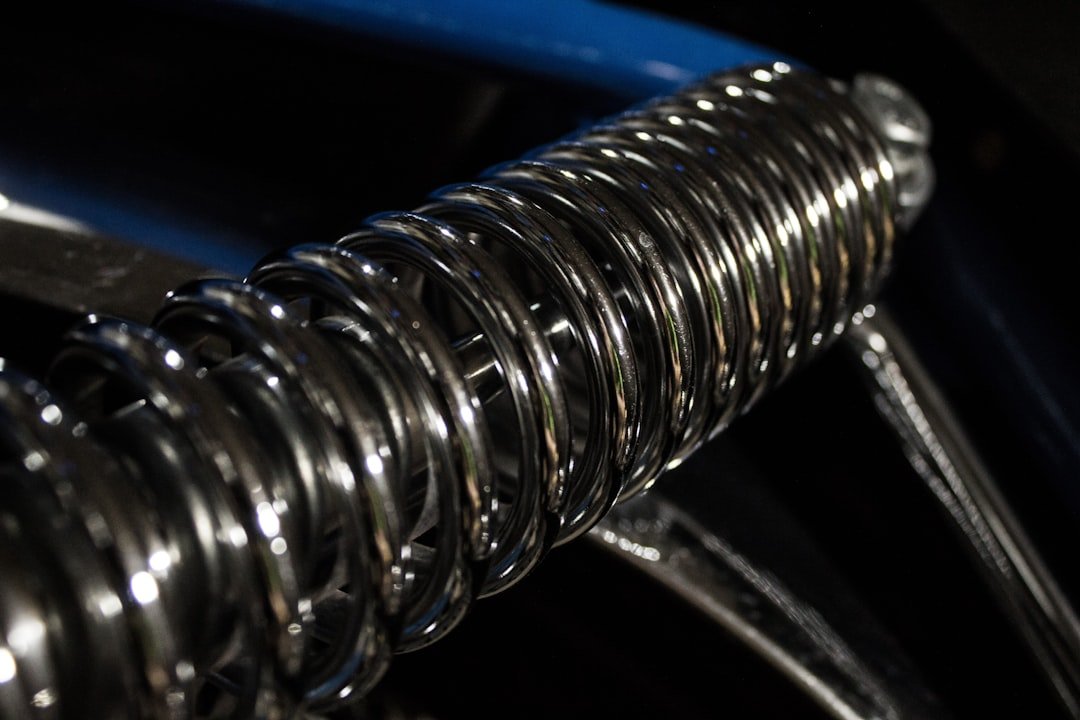
Because struts double as a structural mounting point for the coil spring, replacing one usually means replacing the whole assembly, which is why complete strut assemblies are a common used-parts purchase — buying the assembly pre-built also saves the labor cost of compressing and transferring a spring yourself.

Should Suspension Parts Be Replaced in Pairs?
Most shops recommend replacing struts or shocks in pairs, left and right, even if only one side is showing symptoms. Mismatched wear between the two sides can cause uneven handling and accelerate wear on the newer part as it compensates for the older one. This is less critical for components like a single control arm or ball joint, where replacing just the failed side is common practice, but it’s worth asking about when you’re buying struts or shocks specifically.
How to Inspect Used Suspension Parts
- Check shocks and struts for oil leaks, dented housings, or a broken mount — any of these mean the part should be replaced, not reused.
- Move control arms and ball joints by hand to check for excessive play; a torn boot or missing grease is a sign of accelerated wear.
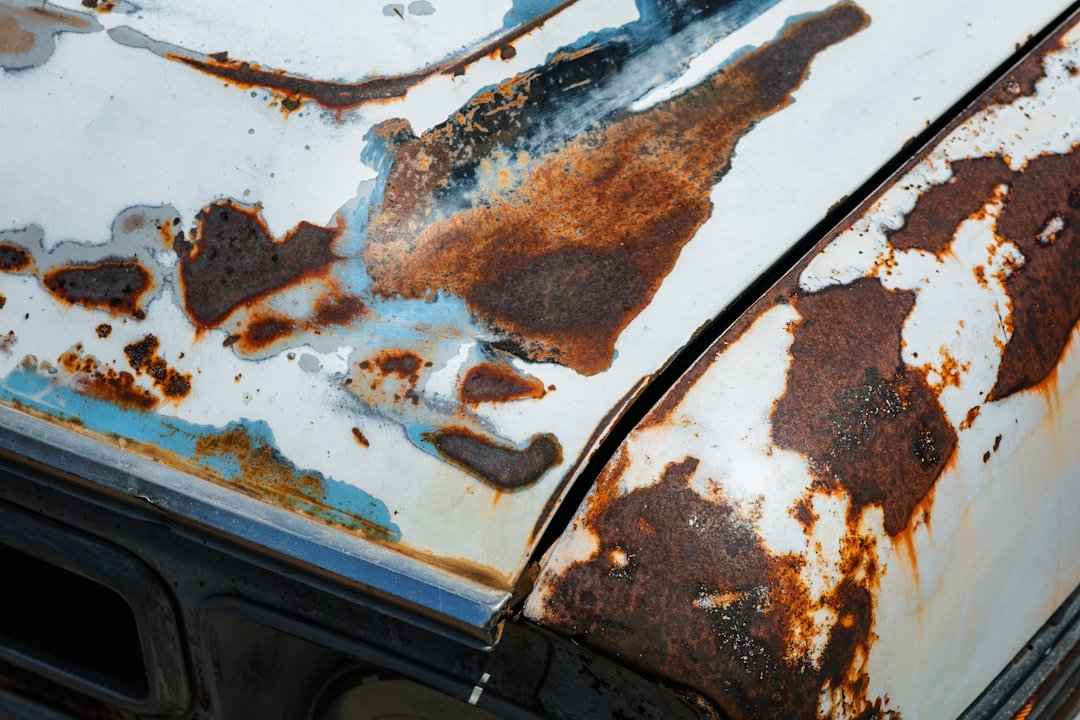
- Inspect for rust or corrosion, especially around mounting points and bushings, which can indicate a part won’t hold up long-term even if it currently functions.
- Consider the condition of the donor vehicle overall — a well-maintained vehicle likely means well-maintained suspension components.
- Bring a mechanic along for higher-value components like complete strut assemblies, especially if you’re not confident inspecting them yourself.

Typical Costs: Used vs. New
| Component | Typical Used Price | Typical New Price |
|---|---|---|
| Strut assembly (each) | $60–150 | $150–350 |
| Shock absorber (each) | $30–80 | $80–200 |
| Control arm | $40–100 | $100–250 |
| Ball joint | $20–50 | $50–120 |
According to the Motorist Assurance Program, the industry group that sets uniform inspection standards for undercar services, a professional suspension inspection is worth doing at least once a year — both to catch developing issues early and to confirm a used part’s remaining life before you buy.
Warranty Coverage
Suspension components should carry a warranty covering defects for a set period after purchase, typically 30 to 90 days. Ask specifically whether the part was tested for leaks and play before it was cataloged, not just visually inspected.
DIY Installation vs. Professional Install
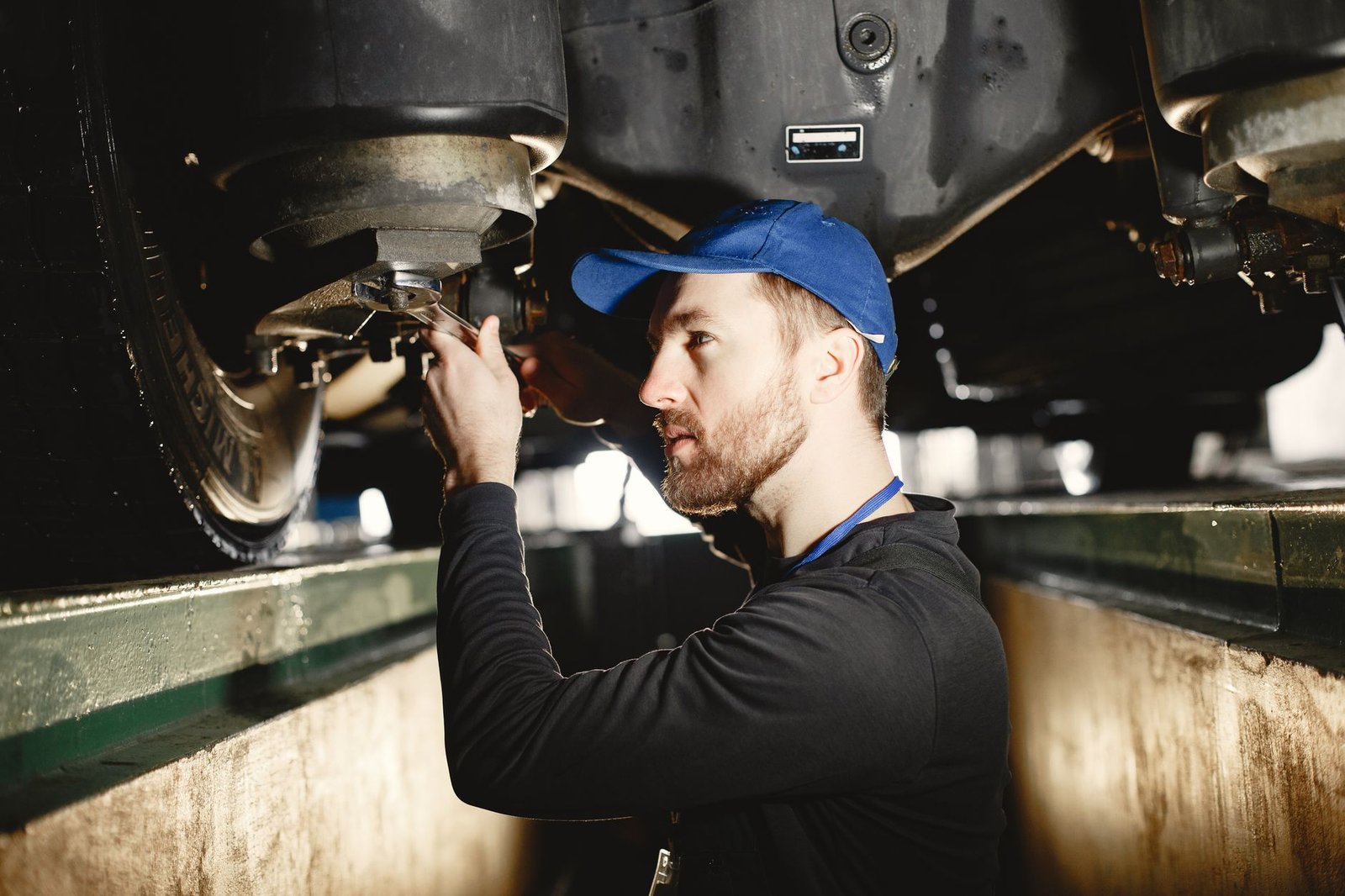
Some suspension components are reasonable DIY jobs with basic tools and a jack stand set — sway bar links and many control arms fall into this category. Struts are a different story: they typically involve compressing a loaded coil spring, which requires a spring compressor and carries real risk of injury if done incorrectly. Unless you already have the right tools and experience, a full strut assembly (which arrives pre-compressed and ready to bolt in) is usually the safer and more cost-effective route for a home installation.
Whichever route you take, a front-end alignment after any suspension work involving control arms, struts, or tie rods is not optional. Skipping it leads directly to the uneven tire wear and pulling symptoms in the table above, even when the new parts themselves are perfect.
Where Englewood Used Auto Parts Fits In
Every suspension component we sell is disassembled, cleaned, and tested before it’s cataloged by make, model, and year, and it’s backed by a warranty. Browse our used auto parts inventory or call ahead with your VIN to confirm current availability.
Not sure how to confirm your VIN before ordering? Our VIN and vehicle compatibility guide covers exactly what to check. And if you’re weighing a used part against a self-service pull, our junkyard vs. used auto parts store guide explains the tradeoffs. If you’re hearing a clicking noise when turning rather than a clunk over bumps, our CV axle and joint guide covers that separate diagnosis. Strut mount clunk is especially common on higher-mileage Subarus given the added weight of their AWD hardware; our Subaru parts guide covers that and other model-specific trouble spots. Our dedicated shocks and struts guide covers the bounce test and other symptoms of worn dampers in more depth.
Frequently Asked Questions
Is it safe to buy used struts and shocks?
Yes, provided you check for leaks, dented housings, and broken mounts. A used strut or shock free of these issues performs comparably to new for a fraction of the price.
What does a clunking noise over bumps usually mean?
Most often it’s worn control arm bushings or sway bar links, both relatively inexpensive fixes compared to a full strut or shock replacement.
Can I replace just the shock, or do I need the whole strut assembly?
It depends on your vehicle’s design. Some vehicles use separate shocks that can be replaced independently; others use a strut assembly where the shock, spring, and mount are replaced together.
How do I know if a used control arm is still good?
Check for a torn boot, missing grease, visible rust at the bushings, and excessive play when moved by hand. Any of these suggest the part is near the end of its useful life.
Do used suspension parts come with a warranty?
Reputable sellers typically offer 30 to 90 days, covering defects found after installation. Always confirm whether the part was tested for play and leaks before sale.
Do I need an alignment after replacing suspension parts?
Yes. Any work involving struts, control arms, or tie rods changes the geometry of the front end, and skipping the alignment afterward will lead to uneven tire wear or a vehicle that pulls to one side, even with a perfectly good part installed.
Suspension isn’t the only system worth a close look on a used vehicle. Our used headlights and taillights buying guide covers what to inspect on lighting assemblies before you buy.
Own a Jeep specifically? Our used Jeep parts guide covers the well-known “death wobble” front-end issue and how to check for it.
Steering and suspension wear often go hand in hand. Our power steering buying guide covers how to tell a pump, rack, or EPS issue apart from a suspension problem.
While you’re checking suspension components, it’s worth inspecting the wheels themselves too. Our wheels and rims buying guide covers how to spot cracks, bends, and fitment issues.
Not sure which suspension parts fit your vehicle? Contact our parts counter with your year, make, and model, and we’ll confirm availability and condition before you buy.

Leave a Reply