
Chicago winters are hard on a car in ways that don’t show up until the temperature actually drops. A battery that cranked the engine fine in October can fail outright at 5 degrees. A hairline crack in a belt that was fine all summer can snap on the first genuinely cold morning. Most of what causes a winter breakdown isn’t damage from the cold itself — it’s a part that was already marginal, pushed past its limit by the temperature.
This checklist covers the parts worth inspecting before the cold sets in, why cold weather specifically exposes them, and what it costs to address each one with a used part instead of new.
The Winter Prep Checklist
| System | What Cold Does to It | What to Check |
|---|---|---|
| Battery | Can lose up to 40% of effective capacity in freezing temperatures | Load test; replace if 3+ years old or CCA rating is marginal |
| Belts & hoses | Rubber stiffens and cracks more easily in cold | Look for cracking, glazing, or soft spots |
| Coolant/antifreeze | Wrong mix ratio can let coolant freeze and crack the block | Confirm a 50/50 to 60/40 antifreeze-to-water mix |
| Tires | Pressure drops roughly 1 PSI per 10°F, and tread matters more on ice | Check pressure and tread depth, including the spare |
| Wiper blades & fluid | Standard fluid can freeze; worn blades streak on slush | Switch to winter-rated fluid; replace worn blades |
| Brakes | Slippery roads put more demand on a marginal brake system | Have pads, rotors, and fluid checked before the first snow |
Battery: The Most Common Winter Failure
Cold weather doesn’t just make an engine harder to turn over — it directly reduces how much power a battery can deliver. A battery that’s already at 70% of its rated capacity from age can drop well below what’s needed to start the engine once temperatures fall into the teens or single digits. If your battery is more than three years old, a load test before winter is worth the ten minutes it takes.
We cover this in more depth in our used car battery buying guide, including how to read a CCA rating and what a fair price looks like on a tested used battery.
Belts and Hoses: Check for Cracking, Not Just Age
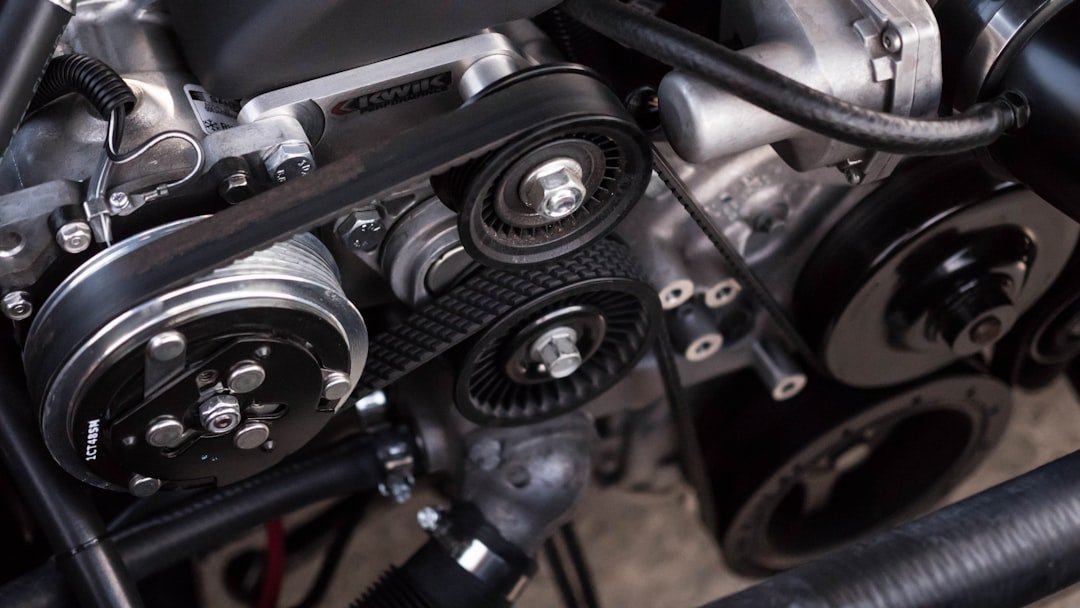
Rubber becomes less flexible in cold weather, which means a belt or hose with early wear that flexed fine all summer can crack or fail outright on a cold morning. Look for a glazed, shiny appearance on a belt (a sign it’s hardened and losing grip) and any cracking across the ribs. Hoses should be firm but not brittle — a hose that feels unusually hard or has visible cracking near the clamps is a candidate for replacement before, not after, it fails.
Coolant: Getting the Mix Right
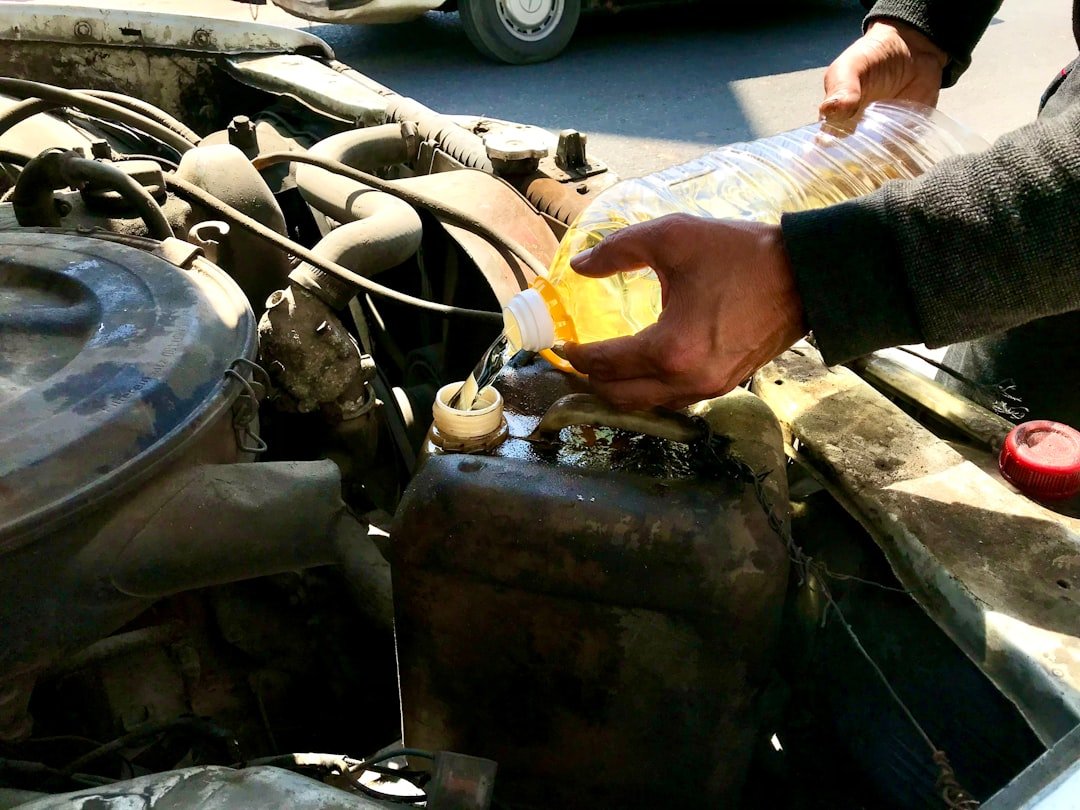
Straight water in a radiator can freeze in a hard freeze, and a frozen block is a genuinely expensive way to find out your coolant mix was wrong. Most vehicles want a 50/50 mix of antifreeze and water, though a 60/40 antifreeze-heavy mix offers a bit more freeze protection in especially cold climates. A coolant test strip or a shop check takes a few minutes and confirms both the mix ratio and the coolant’s condition.
Tires: Pressure and Tread Both Matter More in Winter
Tire pressure drops with temperature, roughly 1 PSI for every 10°F, so a tire set correctly in September can be noticeably underinflated by December. Underinflated tires handle worse on snow and ice and wear unevenly. Tread depth matters even more in winter, since a worn tire has far less grip in slush or on packed snow. Check all four tires and the spare, and consider dedicated winter tires if you regularly drive in heavy snow.
Wipers and Washer Fluid
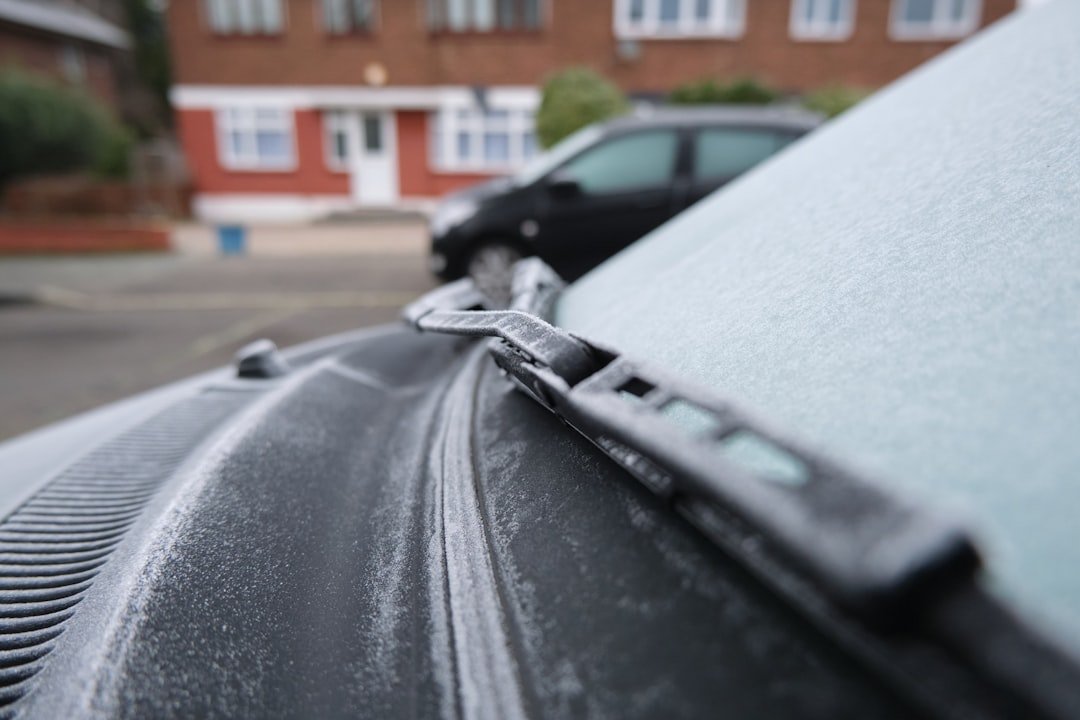
Standard washer fluid can freeze in the reservoir or on the windshield, making things worse rather than better. Switch to a winter-rated, freeze-resistant washer fluid before temperatures drop, and replace any wiper blade that streaks, skips, or has a visibly worn edge — a good blade matters more in a whiteout than it ever will on a clear day.
Brakes: More Demand, Less Margin for Error
Slippery roads mean more panic stops and more distance needed to stop safely, which puts extra demand on a braking system that may already be due for attention. According to the Car Care Council, brakes are one of the most important systems to have inspected before winter weather arrives, since reduced traction leaves far less margin for a marginal brake job. If it’s been a while since your brakes were checked, our used brake parts buying guide covers what a healthy pad and rotor should look like.

Building a Basic Winter Emergency Kit
Beyond the parts themselves, it’s worth keeping a small kit in the vehicle once temperatures drop: a fresh set of jumper cables, an ice scraper, a small bag of sand or kitty litter for traction if a tire gets stuck, a flashlight, and a blanket. None of this replaces proper maintenance, but it covers the gap between a part failing and getting it fixed — which, in a Chicago winter, can be the difference between a minor inconvenience and being stranded.
Typical Costs: Used Parts for Winter Prep
| Part | Typical Used Price | Typical New Price |
|---|---|---|
| Battery (tested, used core) | $40–90 | $120–250 |
| Serpentine belt | $10–25 | $25–60 |
| Radiator (if replacement needed) | $60–150 | $150–400 |
| Brake pads/rotors (per axle) | $40–100 | $100–250 |
Where Englewood Used Auto Parts Fits In
Every part we sell, from batteries to belts to brake components, is inspected and tested before it’s cataloged, and backed by a warranty. Browse our used auto parts inventory or call ahead with your VIN to confirm current availability before winter weather hits.
Not sure how to confirm your VIN before ordering? Our VIN and vehicle compatibility guide covers exactly what to check. If you’re also inspecting the suspension or lighting on a used vehicle, our suspension guide and headlights and taillights guide cover those systems in depth. If you haven’t already worked through the earlier-season checks, our fall car care checklist covers tires, wipers, and battery health before the weather turns genuinely cold. And if your heat isn’t keeping up now that it’s actually cold, our HVAC blower motor and heater core guide covers why. And once the snow melts, our spring car care checklist covers what a winter of cold and salt leaves behind.
Frequently Asked Questions
How cold does it need to be before a battery is at risk?
Effective battery capacity starts dropping well before extreme cold sets in, but the risk becomes serious once temperatures fall into the teens or single digits, especially for a battery already more than three years old.
What antifreeze-to-water ratio should I use?
Most vehicles are designed for a 50/50 mix. In especially cold climates like Chicago, a 60/40 antifreeze-heavy mix offers extra freeze protection. Check your owner’s manual for the manufacturer’s specific recommendation.
Do I need winter tires, or are all-season tires enough?
All-season tires are adequate for occasional light snow, but dedicated winter tires provide meaningfully better grip in heavy snow or on ice, since their rubber compound stays flexible in cold temperatures that stiffen all-season rubber.
How often should I check tire pressure in winter?
Check monthly at minimum, and after any significant temperature swing. Tire pressure drops roughly 1 PSI for every 10°F, so a cold snap can leave tires meaningfully underinflated within days.
Can I use a used battery for winter driving?
Yes, as long as it’s been load-tested and shows a cold cranking amp rating that meets or exceeds your vehicle’s requirement. A tested used battery performs the same as new for a fraction of the cost.
What should I keep in a winter emergency kit?
A fresh set of jumper cables, an ice scraper, a small bag of sand or kitty litter for traction, a flashlight, and a blanket cover most common winter roadside situations while you arrange a repair.
Not sure which parts your vehicle needs before winter? Contact our parts counter with your year, make, and model, and we’ll help you get ahead of the cold weather.

Leave a Reply