“Junkyard” gets used as a catch-all term, but it actually covers two very different buying experiences. One hands you a wrench and a fee to pull the part yourself. The other hands you a tested, warrantied part someone else already removed. Knowing which one you’re walking into changes how much you’ll actually spend, and how much risk you’re taking on.
This guide breaks down the real differences between a self-service junkyard and a full-service used auto parts store, so you know exactly what you’re paying for before you show up.
What Is a Self-Service Junkyard (Pick-and-Pull)?
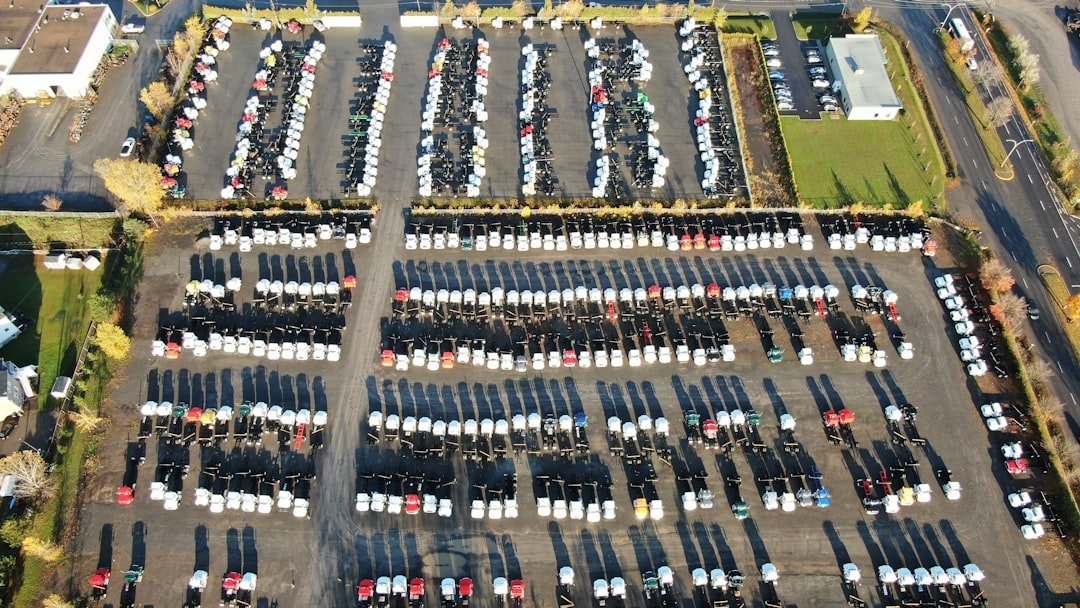
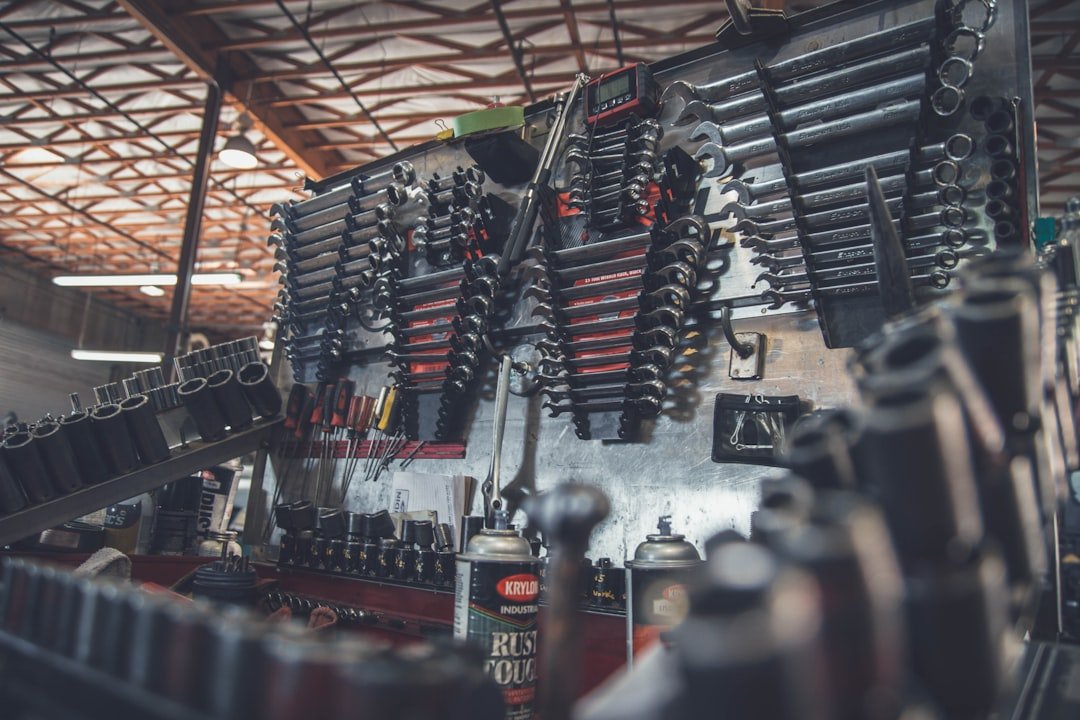
A self-service junkyard, often called a pick-and-pull or u-pull-it yard, charges a small admission fee and lets you walk the lot to find your own part. You bring your own tools, remove the part yourself, and pay a counter price based on the part type — not its specific condition.
Parts are typically sold as-is, with little to no warranty. If the part turns out to be the wrong one, cracked, or already worn out, that’s usually a loss you absorb yourself.
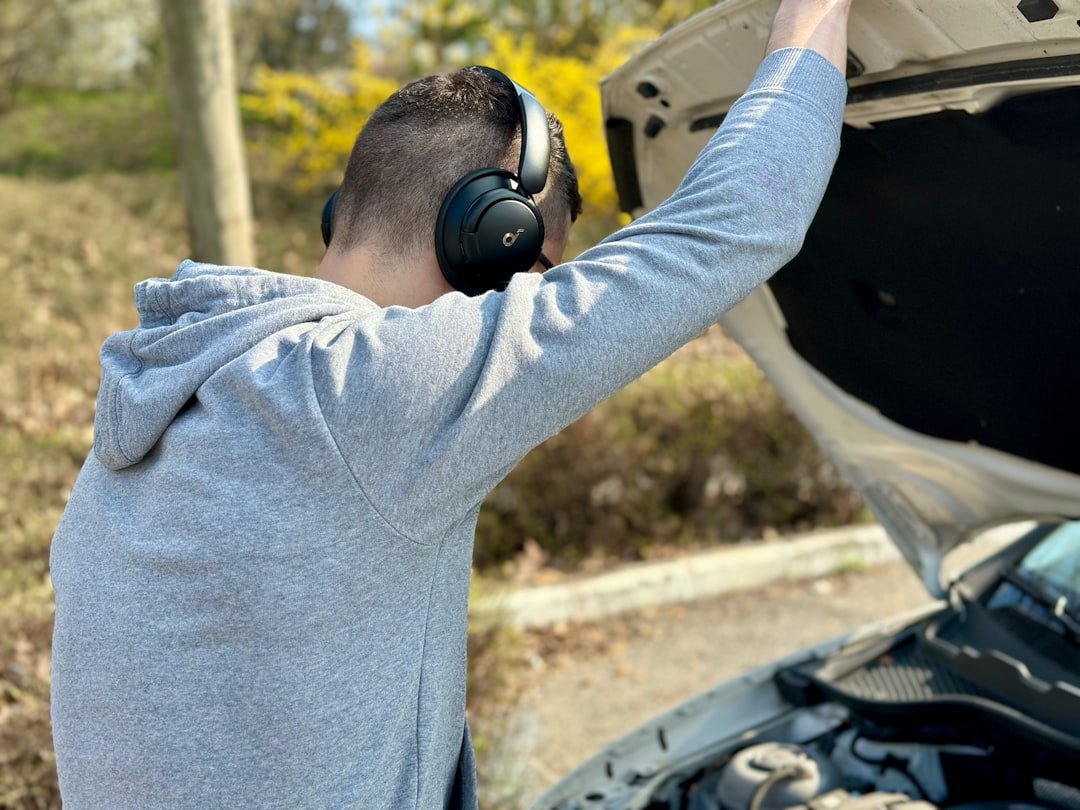
You’ll also need to bring your own tools, a way to carry the part, and time — pulling an alternator or a door panel can take anywhere from twenty minutes to a couple of hours depending on your experience and the vehicle. Yards vary on whether they provide jacks or lifts, so it’s worth calling ahead if you’re pulling something heavy.
What Is a Full-Service Used Auto Parts Store?
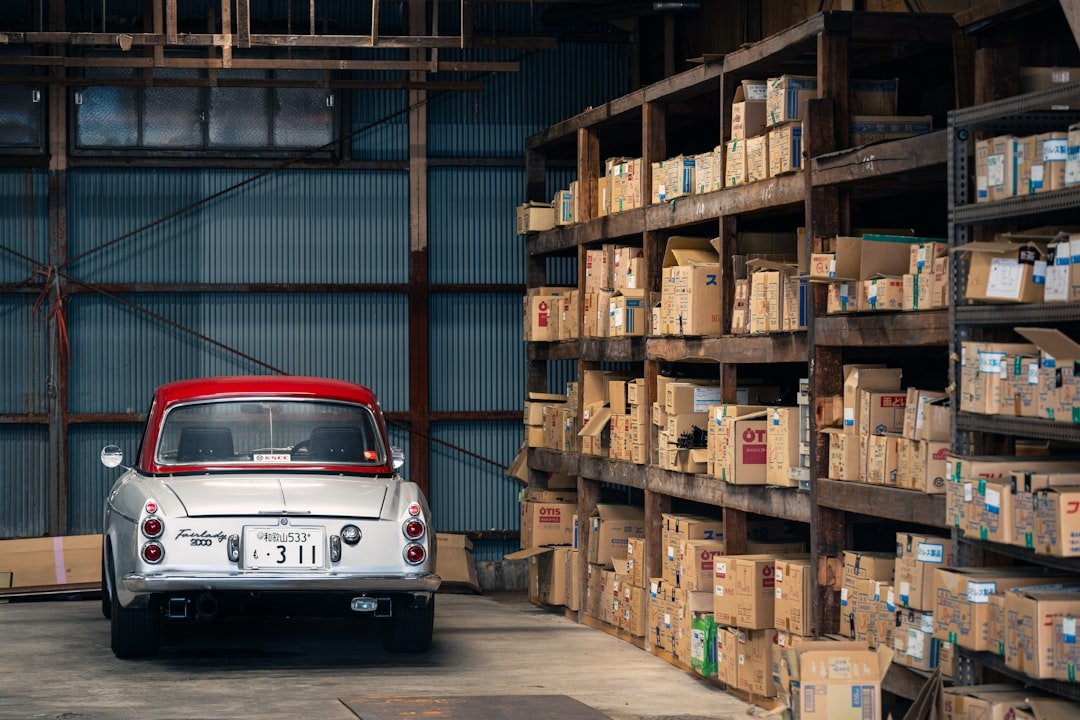
A full-service used auto parts store, sometimes still called a salvage yard, removes the part for you before you ever see it. Inventory is disassembled, cleaned, and tested by staff, then cataloged by make, model, and year so it can be cross-referenced against your vehicle’s VIN.
Because the labor is already done and the part has been verified, you’re paying a bit more than pick-and-pull pricing — but you’re buying certainty instead of a gamble.
Most full-service yards can also tell you over the phone whether a part is in stock before you drive over, since inventory is logged by make, model, and year rather than left to whatever’s currently sitting on the lot.
What About Online Marketplaces?
A third option has become common: buying a used part from an individual seller on eBay, Facebook Marketplace, or a similar site. Pricing can be competitive, but there’s no way to inspect the part in person before it ships, and return policies vary wildly by seller.
A private online listing also can’t verify fitment the way a parts counter with your VIN can. It’s a reasonable option for common, low-risk parts, but it carries more of the same uncertainty as a self-service yard — without the option to inspect the part with your own hands first.
Junkyard vs. Used Auto Parts Store: Side-by-Side
| Factor | Self-Service Junkyard | Full-Service Parts Store |
|---|---|---|
| Who removes the part | You do, with your own tools | Staff, before it’s cataloged |
| Condition when purchased | As-is, untested | Cleaned and tested |
| Warranty | Rare or none | Typically 30 days to 1 year+ |
| Price | Lowest, flat fee per part type | Moderate, reflects labor and testing |
| Time investment | High — you locate and pull it | Low — call ahead or walk in |
| Best for | Budget projects, spare parts, hobbyists | A part you need to work the first time |
Pros and Cons of Each Option
| Pros | Cons | |
|---|---|---|
| Self-service junkyard | Lowest possible price; hands-on control over selection | No warranty in most cases; requires your own tools and time; condition is a gamble |
| Full-service parts store | Tested before sale; warranty included; staff can confirm fitment by VIN | Costs more than pure pick-and-pull; inventory depends on what’s been processed |
How Much Do You Actually Save?
According to the Automotive Recyclers Association, recycled OEM parts routinely save vehicle owners 20–80% compared to new, depending on the part and how it was sourced. Self-service pricing sits at the low end of that range; full-service, tested parts sit closer to the middle — still a significant discount off new, with far less risk than an as-is part.
| Sourcing Method | Typical Savings vs. New | Condition Risk |
|---|---|---|
| Self-service junkyard | 60–80% off new | Highest — untested, as-is |
| Full-service used parts store | 40–70% off new | Low — tested before sale |
| New OEM | Full price | None |

Which One Should You Choose?
If you’re comfortable pulling your own part, have the right tools, and can accept the risk of a bad fit, a self-service yard can save you the most money on a low-stakes repair.
If the part is going into a vehicle you rely on daily, or you don’t have the time or tools to gamble on an untested component, a full-service store is worth the difference in price. The warranty alone often covers the gap if anything goes wrong.
A useful rule of thumb: the more critical the part is to safe operation — brakes, steering, an engine or transmission — the more a tested, warrantied source is worth paying for. For cosmetic or low-stakes parts, a self-service yard is often the better value.

Where Englewood Used Auto Parts Fits In
Englewood Used Auto Parts operates as a full-service yard: every part is disassembled, cleaned, and tested before it’s cataloged, and it’s backed by a warranty when you buy it. Browse our used auto parts inventory or call ahead with your year, make, and model to check what’s currently in stock. If you’re weighing whether to pull a part yourself at a self-service yard, our DIY part removal guide covers the tools, safety steps, and when it makes more sense to buy tested instead. And if you’re wondering whether a used part will actually hold up, our used parts lifespan guide covers what really determines remaining service life.
Shopping for something specific? Our used Nissan parts buying guide and used car battery buying guide cover what to check for those components, and our OEM versus aftermarket auto parts guide is worth a read if you’re weighing a used part against a new one, and our used transmission buying guide covers what to check for one of the biggest-ticket parts we sell, and our used Toyota parts buying guide breaks things down by model, and our used radiator buying guide covers one of the most commonly replaced cooling system parts, and our used brake parts buying guide covers which safety-critical components are reasonable to buy used.

Frequently Asked Questions
Is a junkyard the same as a salvage yard?
Not always. “Salvage yard” can refer to either a self-service (pick-and-pull) operation or a full-service yard that removes and tests parts for you. The terms overlap in everyday use, so it’s worth asking directly how a specific yard operates before you visit.
Do used auto parts stores offer warranties?
Full-service stores typically do, often 30 days to a year depending on the part. Self-service, pick-and-pull yards usually sell as-is with no warranty, since you’re removing the part yourself.
Which option is cheaper?
Self-service junkyards are usually cheaper upfront since you’re doing the labor. Full-service stores cost a bit more but include testing and a warranty, which can offset the price difference if the part would have otherwise failed.
How do I know if a part will fit my vehicle?
A full-service parts counter can cross-reference your VIN against their inventory before you buy. At a self-service yard, you’re responsible for confirming fitment yourself, usually with a compatibility chart or your own research.
Are junkyard parts good quality?
Quality varies more at self-service yards since parts aren’t tested before sale. Parts from a full-service, tested inventory are generally more reliable because a technician has already confirmed they work.
Is buying from an online marketplace safer than a junkyard?
Not necessarily. An online seller can’t be inspected the way a physical yard can, and return policies vary by platform and seller. It works reasonably well for low-risk parts, but carries similar uncertainty to a self-service yard without the ability to inspect the part first.
Undercar components like suspension parts are a good example of where a tested, warrantied part matters most. Our used suspension parts buying guide covers what to check on struts, control arms, and ball joints before you buy.
Dealing with collision damage specifically? Our bumper and body parts buying guide covers paint matching and OEM vs. aftermarket fitment.
Wondering how a salvage title affects the parts we sell? Our salvage title explained guide covers what it means and why it doesn’t affect individual part quality.
Curious how “tested and warrantied” is actually determined? Our parts grading guide covers the industry-standard A/B/C system and what real testing looks like.
Have a vehicle you’re ready to part with instead? Our guide to selling a junk car for cash covers what determines its value and Illinois title requirements.
Not sure which route makes sense for your repair? Contact our parts counter and we’ll help you figure out whether a tested, warrantied part is worth the difference for your situation.

Leave a Reply